What a Side Guide Idler Does
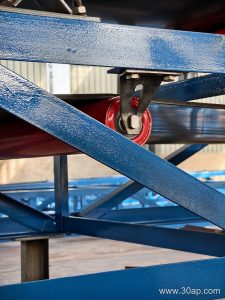
A side guide idler is a vertical-axis roller mounted at the edges of a conveyor belt to keep the belt centered and prevent it from wandering off the structure. Unlike carrying idlers that support the belt from below, this idler stands upright and contacts the belt edge only when minor misalignment occurs. In quarry, cement, and coal handling plants, a side guide idler often works alongside the troughing idlers and return idlers to protect the belt and the conveyor pulley from edge damage.
Construction and Common Materials
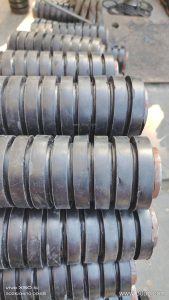
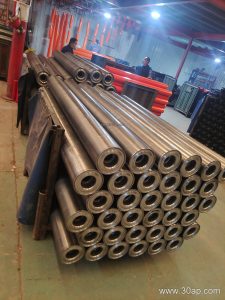
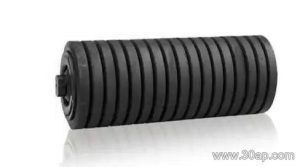
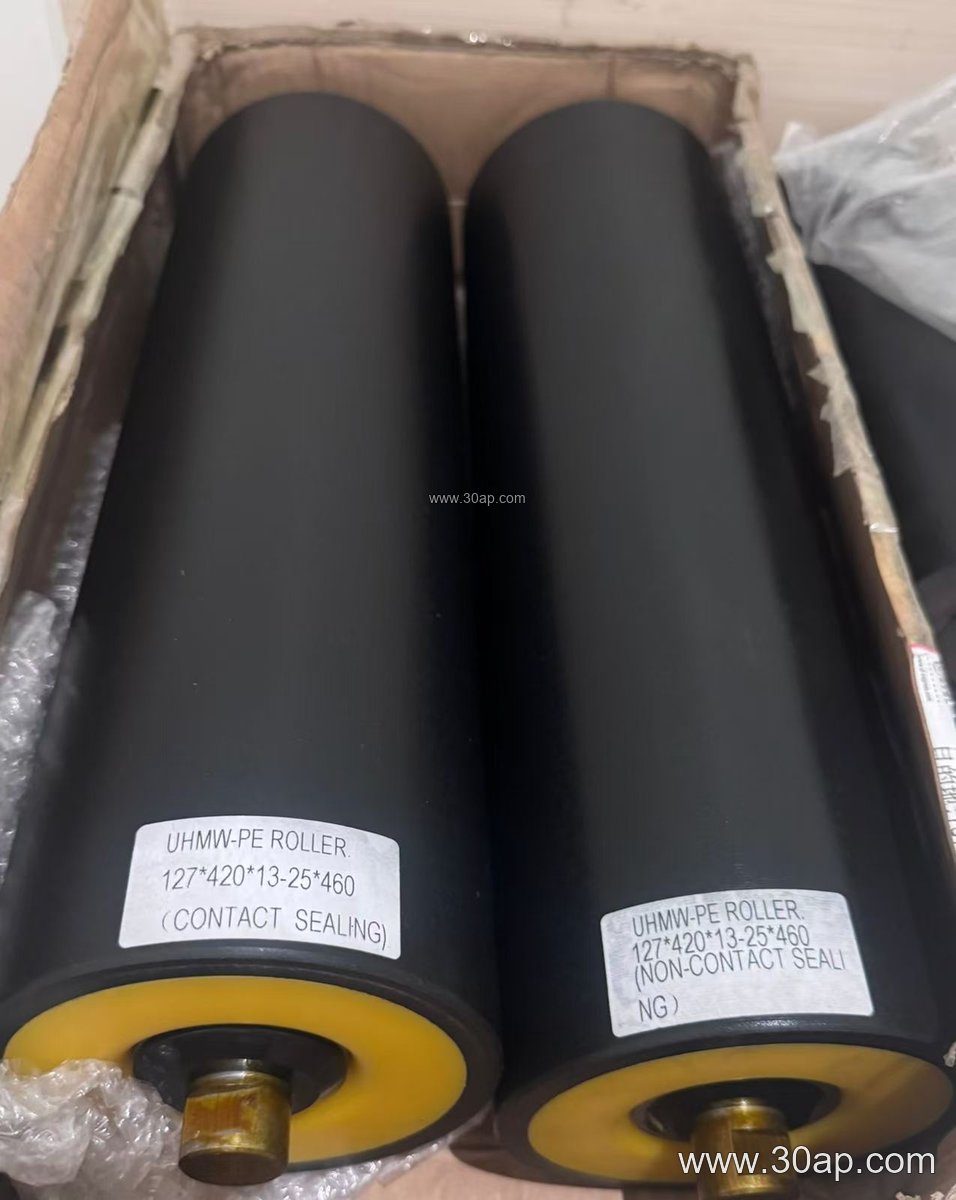
The roller body is typically a steel tube fitted with sealed bearings and a protective surface. For abrasive applications such as limestone or iron ore, a rubber-covered or ceramic-faced roller helps extend service life. The idler is mounted on a bracket that allows height and angle adjustment. Common roller diameters for this vertical guide duty include Ø63, Ø76, and Ø89 mm, though larger sizes may be used on high-tension belts. Bearing sizes such as 6204 or 6205 are common for these smaller rollers. The shaft is usually fixed to the bracket, and the roller rotates freely on the shaft.
Where It Fits on the Conveyor
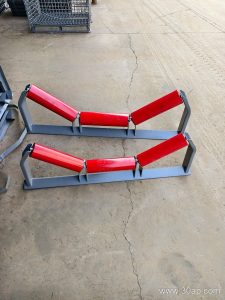
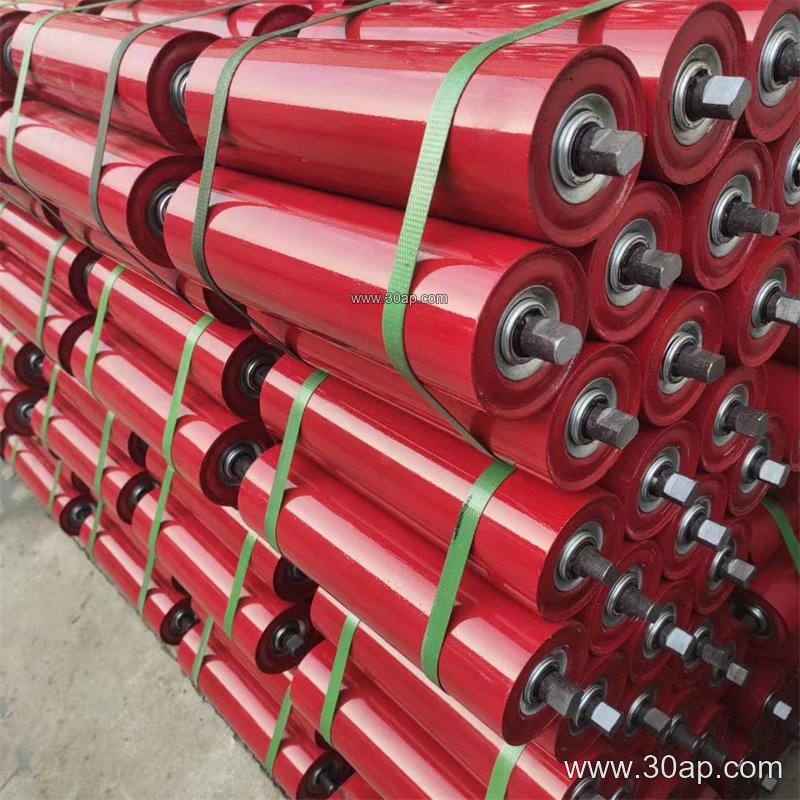
Side guide idlers are usually installed near the head pulley, tail pulley, or along sections where the belt is prone to misalignment due to off-center loading or side winds. In a crushing and screening plant, they are often placed just after the loading point to guide the belt back to center. They are not a substitute for a training idler or a self-aligning troughing set; rather, they provide a simple mechanical stop that limits lateral movement. A side guide idler may also be used on the return strand in some designs, but the more common position is on the carrying side edges.
Key Parameters for Selection
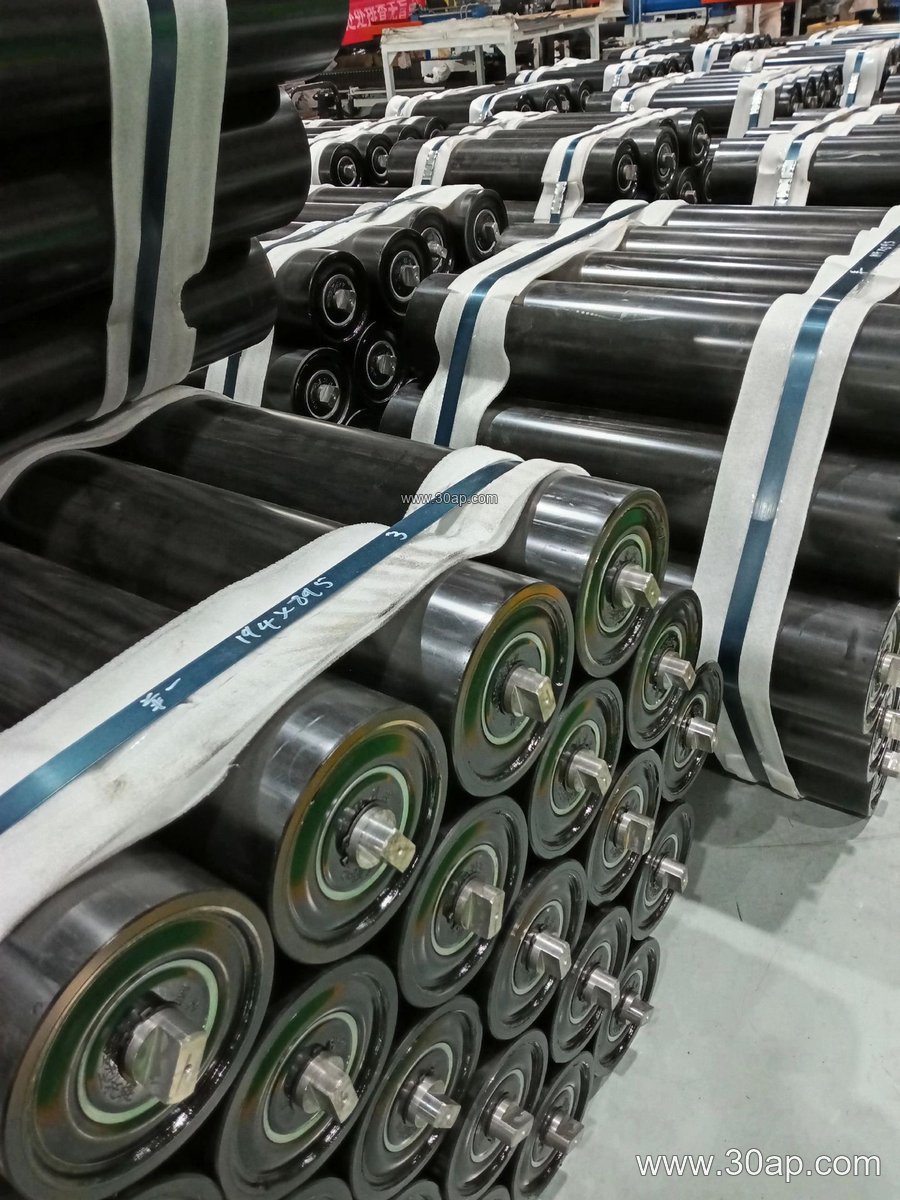
Buyers should match the side guide idler to the conveyor belt width and the available mounting space. The table below lists typical reference values; actual dimensions depend on the conveyor design and should be confirmed with the supplier.
| Parameter | Common reference values |
|---|---|
| Roller diameter | Ø63, Ø76, Ø89, Ø102 mm |
| Belt width (B) | B500, B650, B800, B1000, B1200 |
| Roller surface | Steel, rubber, nylon, ceramic |
| Bearing | 6204, 6205, 6305 |
| Mounting | Adjustable bracket, fixed shaft |
Note that roller length and shaft diameter are not determined by belt width alone. The bracket design and the required adjustment range also influence the choice. A side guide idler for a B800 belt, for example, may use a Ø76 mm roller with a 6205 bearing, but this is not a fixed rule.
Maintenance and Buyer Checklist
Because the side guide idler only contacts the belt during misalignment, it often wears unevenly. Check the roller for flat spots, bearing play, and surface damage during routine inspections. A worn guide roller can damage the belt edge, so replace it when the surface becomes grooved or the bearing becomes noisy. When ordering, specify the belt width, the mounting bracket type, the roller diameter and surface, and the bearing size if known. Also confirm the shaft fixing method and the adjustment range. In dusty environments such as a coal yard or a cement plant, sealed bearings and a rubber or ceramic surface are often preferred to reduce maintenance frequency.
Side guide idlers are a small but important part of a conveyor system. They work together with the conveyor belt, idler roller sets, conveyor pulley, and conveyor bracket to keep material flowing smoothly. Selecting the right size and surface for the application helps avoid belt edge damage and unscheduled downtime.