What the Sand Making Plant Conveyor Belt Does
In a sand making plant, the conveyor belt is the continuous link between the jaw crusher, cone or impact crusher, vibrating screen, sand washer and stockpile. Broken rock, manufactured sand and return material all move on a rubber belt supported by idler rollers and driven by a conveyor pulley. The belt must tolerate sharp edges, abrasive dust, frequent starts and, in many layouts, wet or oily conditions.
The sand making plant conveyor belt is a heavy-duty rubber conveyor belt rather than a light transfer belt. Its job is to carry a high tonnage of abrasive aggregate over long distances with minimal spillage and predictable wear life.
Construction of the Belt
A typical belt combines a fabric or steel cord carcass with rubber covers on both faces. The carcass carries tension, while the top cover absorbs impact and abrasion and the bottom cover protects against pulley and idler contact.
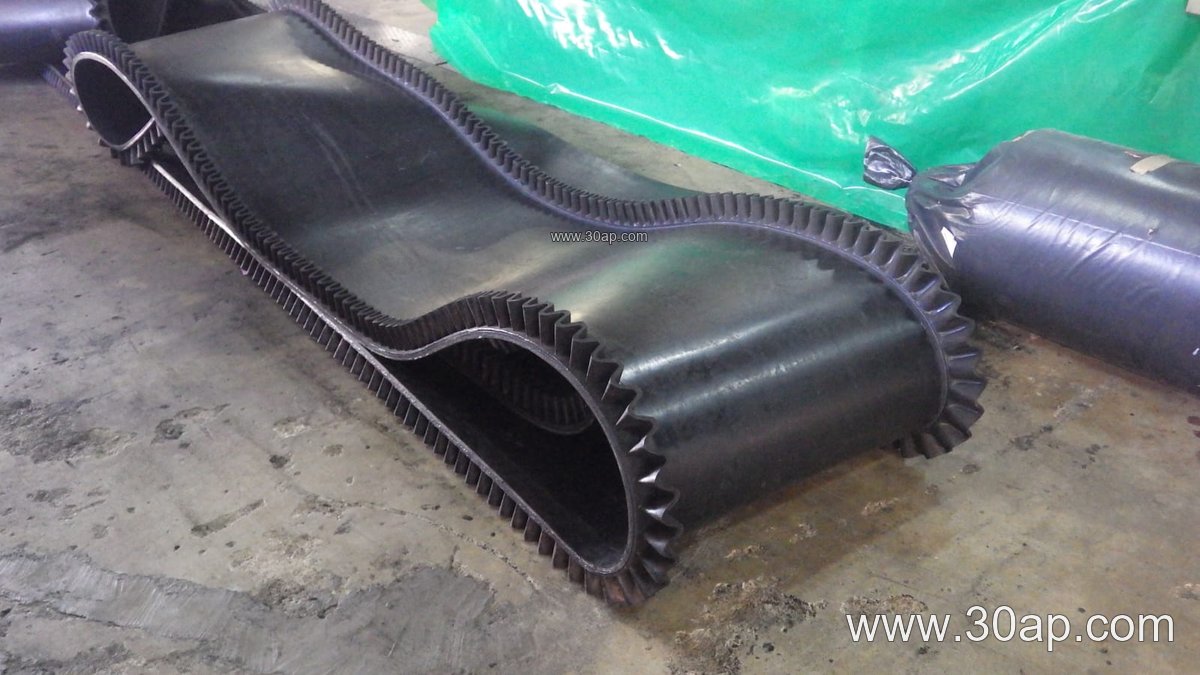
- Carcass: EP or NN fabric plies are common for aggregate duty; steel cord constructions suit very long or high-tension runs.
- Top cover: abrasion-resistant rubber is usual; heat, oil or flame resistance is added where the process demands it.
- Bottom cover: usually thinner, selected to match pulley contact and troughing.
- Edges: cut or moulded edges affect tracking and resistance to fraying.
Cover thickness is often written as top plus bottom, for example 4+2 mm or 6+2 mm. These figures are common references, not universal requirements; the final choice follows the duty and the conveyor design.
Types and Reference Specifications
Different sections of a sand making plant may need different belt grades. A primary feed belt carrying coarse rock benefits from a thick abrasion-resistant cover, while a fine sand belt may use a lighter, more flexible construction. Where dust is explosive or the belt runs in a confined tunnel, flame-retardant and antistatic grades are considered.
| Item | Common reference values |
|---|---|
| Belt type | EP, NN nylon, steel cord, PVC, PVG, abrasion-resistant, heat-resistant, flame-retardant, chevron or patterned |
| Strength grade | EP200, EP315, EP400, EP500, EP630, EP800, EP1000 and upward |
| Belt width | B500, B650, B800, B1000, B1200, B1400, B1600 |
| Cover thickness | 3+1.5, 4+2, 5+2, 6+2, 8+3 mm |
| Ply count | commonly 2 to 6 layers |
These values are reference data. Actual selection depends on capacity, lump size, incline and the pulley and idler arrangement.
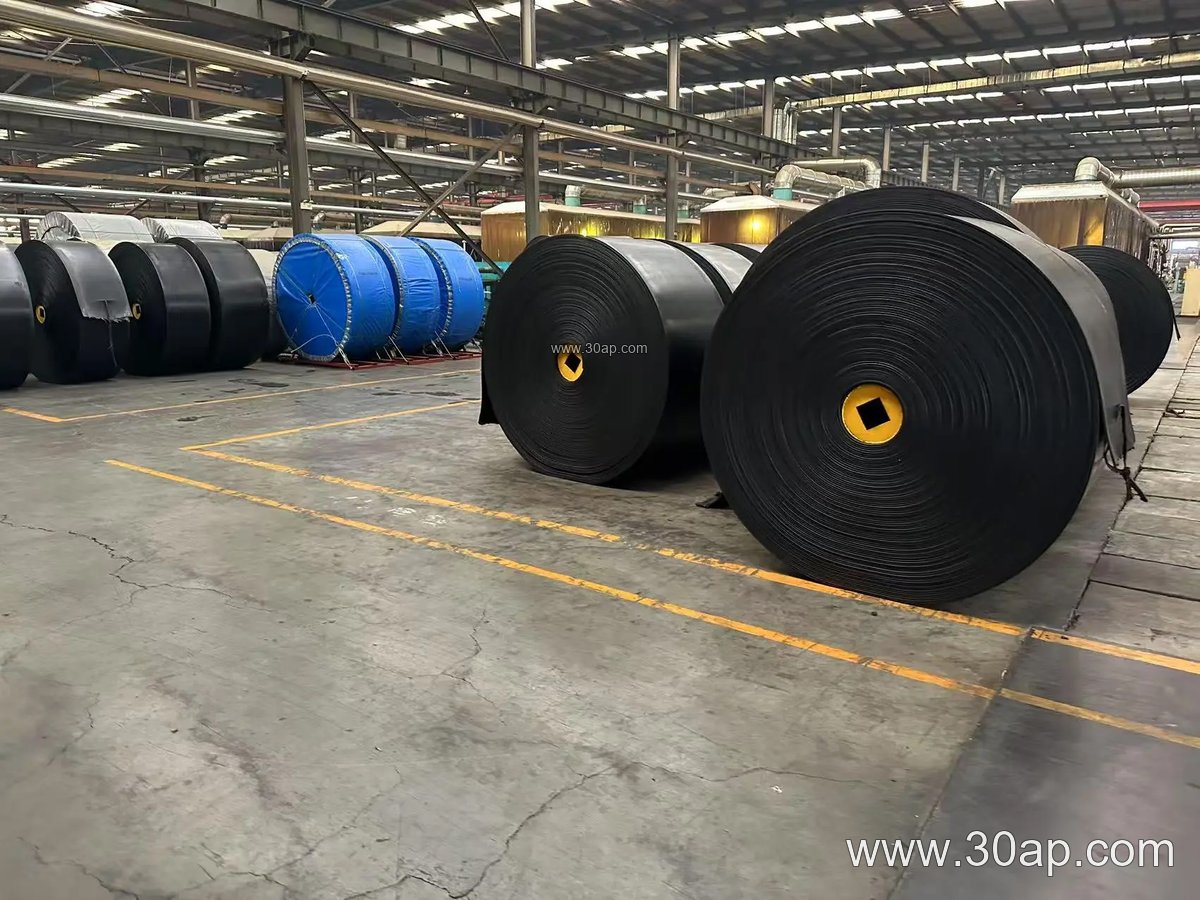
Where It Fits in the Plant
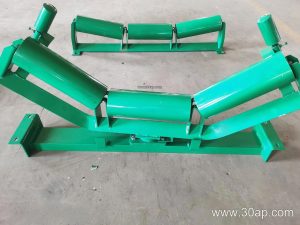
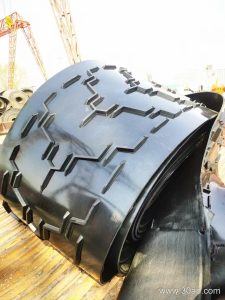
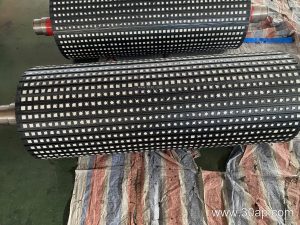
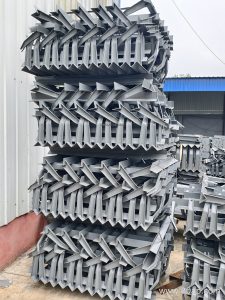
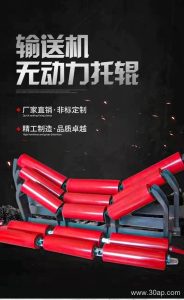
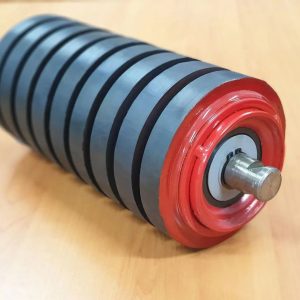
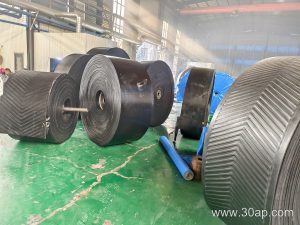
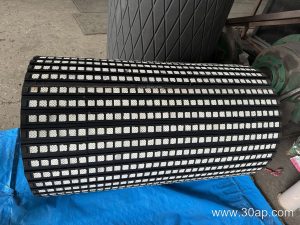
The belt works together with a conveyor pulley at the drive and tail ends, idler rollers along the carrying and return sides, and conveyor brackets that hold the frame together. In a quarry or sand and gravel yard, a troughed belt keeps material centred; on steep inclines, a chevron or patterned surface helps prevent rollback. In cement plants and power plants handling limestone or clinker, heat and abrasion resistance may matter more than flexibility.
Coal preparation and mining operations often specify flame-retardant and antistatic belts, while sand washing lines may favour belts that tolerate moisture and fine slurry. Each case should be matched to the actual material and environment.
Buyer Checklist
- Confirm the required belt width and strength grade against the conveyor design, not by habit.
- State the material: sharp crushed rock, manufactured sand, wet feed or hot material.
- Check cover thickness and rubber grade for abrasion, heat, oil or flame risk.
- Review pulley diameters and idler spacing so the belt carcass can flex without over-stressing.
- Ask for the splice method and edge finish, since these affect tracking and service life.
- Keep spare idler rollers and a spare conveyor pulley inspected regularly to protect the belt.
A well-matched sand making plant conveyor belt reduces downtime and keeps the crushing and screening circuit running steadily. Buyers should treat published dimensions as a starting point and confirm final specifications with the conveyor designer and belt supplier.