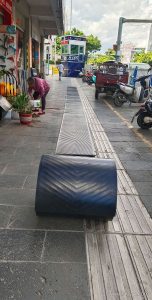
What a 600mm Conveyor Belt Is
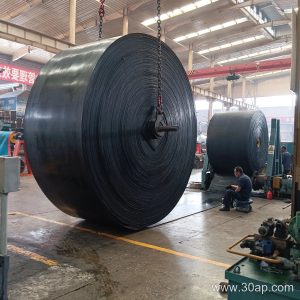
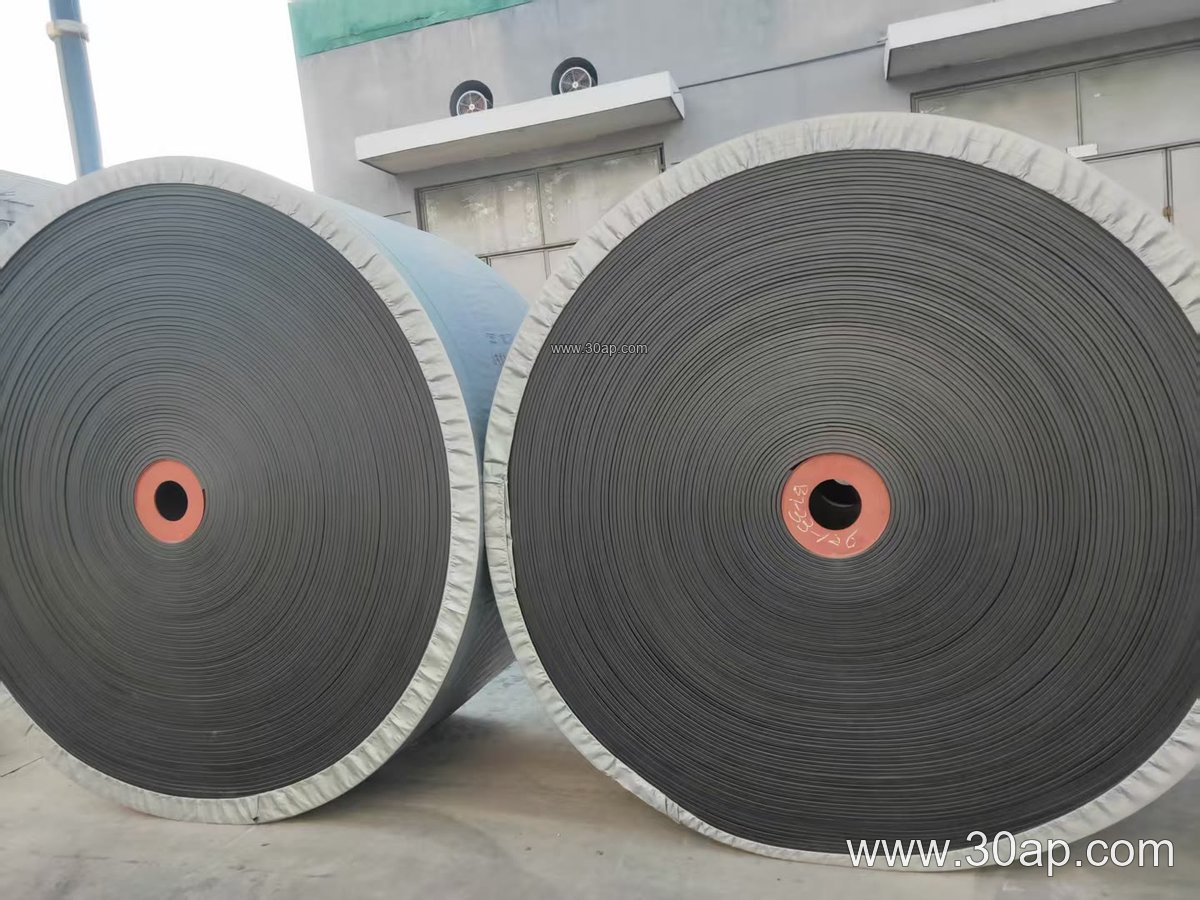
A 600mm conveyor belt is a belt with a nominal width of 600 millimeters, often written as B600 in specifications. It sits in the light-to-medium range of belt widths, narrower than the B800 and B1000 belts common on main haulage lines but wide enough to move crushed stone, clinker, coal, sand and similar bulk materials at steady rates. You will see it on short transfer conveyors, secondary and tertiary crushing circuits, batching plant feed lines and plant-level material handling where space is tight.
The product is also called a 600 mm wide conveyor belt or B600 belt. All three names describe the same item; they are not different products.
How the Belt Is Built
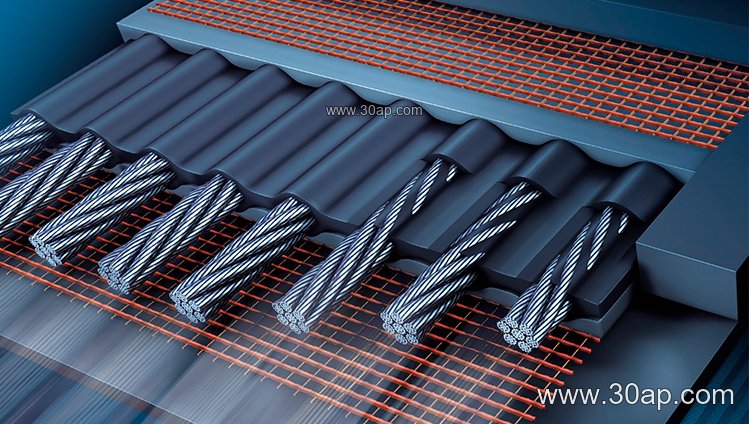
A 600mm conveyor belt usually combines a fabric or steel cord carcass with rubber covers on both faces. The carcass carries the tension, while the covers protect it from abrasion, heat, oil or moisture depending on the duty. Common constructions include:
- EP conveyor belt with polyester-polyamide fabric, widely used for general bulk handling
- NN nylon conveyor belt, valued for impact resistance and flexing
- Steel cord conveyor belt, chosen for long runs and high tension
- PVC or PVG belt, often seen in underground coal and fire-sensitive areas
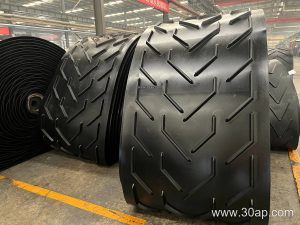
Cover grades may be abrasion resistant, heat resistant, oil resistant, flame retardant, antistatic, cold resistant or acid and alkali resistant. Surface forms include plain, patterned, chevron and corrugated sidewall designs. The sidewall version is a distinct subtype and is not a substitute for a standard flat belt when a flat carrying surface is required.
Typical Reference Data
The values below are common reference ranges, not fixed supply promises. Actual construction is confirmed by design and by the manufacturer.
| Parameter | Common reference values |
|---|---|
| Belt width | B600 (600 mm) |
| Fabric grades | EP200, EP315, EP400, EP500, EP630 |
| Carcass plies | 2 to 6 layers, depending on tension |
| Cover thickness | 3+1.5, 4+2, 5+2, 6+2 mm |
| Surface forms | Plain, patterned, chevron, corrugated sidewall |
Where It Fits in the Plant
In a sand and gravel yard, a 600mm conveyor belt often feeds screens or moves finished aggregate between stockpiles. In a cement plant it may handle clinker, limestone or additives on shorter runs. In a coal mine or power plant it appears on gathering and transfer conveyors, frequently in flame retardant and antistatic grades. Mining operations use it for ore transfer where a wider belt is unnecessary or where the structure cannot carry a larger frame.
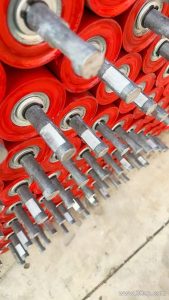
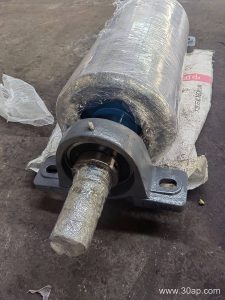
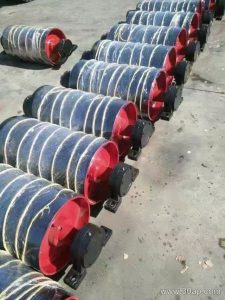
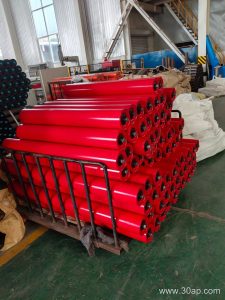
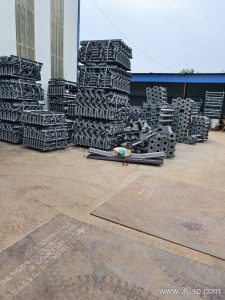
The belt does not work alone. It runs over a drive pulley, a tail pulley and bend pulleys, and these three are separate components with separate duties and are not interchangeable. Troughed idler rollers support the carrying side, return idlers support the return side, and conveyor brackets hold the idlers and pulleys in alignment. Matching belt width to pulley face width and idler frame size is part of the conveyor design, not a fixed rule that one belt width fits only one pulley diameter.
Selection Points for Buyers
Before ordering a 600mm conveyor belt, collect the following information:
- Material type, lump size and bulk density
- Required capacity in tonnes per hour and belt speed
- Center distance and incline angle
- Ambient and material temperature
- Presence of oil, chemicals, dust or fire risk
- Drive pulley diameter and trough angle of the idler set
Belt tension, splice method and cover grade follow from these inputs. A hot clinker line needs a heat resistant cover, while a coal yard usually calls for flame retardant and antistatic properties. Abrasive crushed rock favors a thicker abrasion resistant cover such as 6+2 mm or 8+3 mm, though the final choice depends on the load profile. A buyer should not assume that a B600 belt matches one shaft diameter; pulley shaft size is calculated from torque and load, not from belt width alone.
Installation and Maintenance Notes
Correct alignment at installation prevents edge wear and spillage. Check that the tail pulley, bend pulleys and idler rollers are square to the belt centerline, and inspect conveyor brackets for looseness after the first running hours. Keep the belt tension within the design range; too little tension causes slip on the drive pulley, and too much shortens splice life. Store spare belts flat and dry, away from direct sunlight, and rotate stock if it is held for long periods.
For a 600mm conveyor belt, regular checks of cover wear, edge condition and splice integrity usually matter more than the nominal grade on paper. A belt that suits the actual duty and is maintained well will outperform an oversized belt that is misaligned or incorrectly tensioned.