What a Belt Conveyor Guide Idler Does
A belt conveyor guide idler, often called a training idler, is a specialized roller assembly that keeps the conveyor belt centered on its path. Unlike standard carrying or return idlers that simply support the belt and material load, a guide idler actively corrects misalignment. It is typically mounted at points where the belt is prone to wander, such as just after the head pulley, before the tail pulley, or along long spans in a limestone quarry or coal handling system. By applying a gentle steering force to the belt edge, it prevents edge damage, spillage, and premature wear on the conveyor pulley and frame.
Construction and Common Configurations
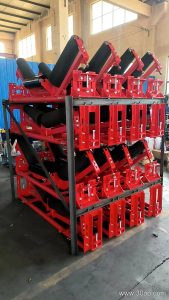
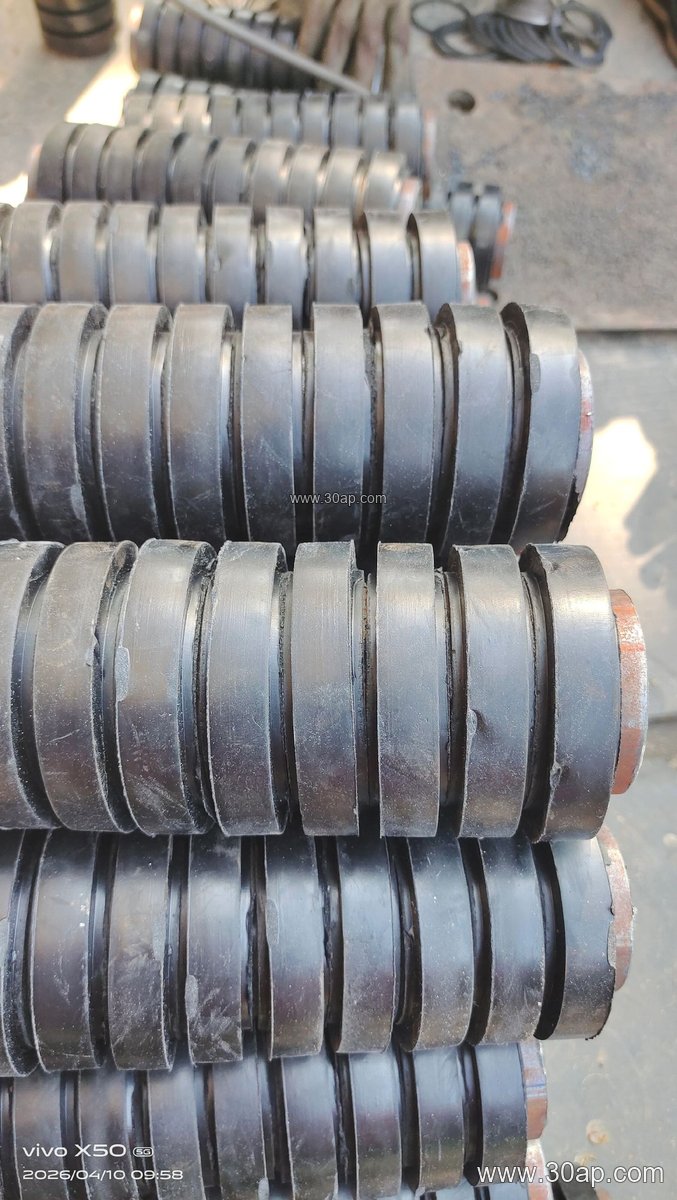
Most guide idlers use a sturdy steel tube body fitted with sealed bearings, similar to other idler rollers in a conveyor system. The distinguishing feature is the mounting arrangement: the roller set is often pivoted so that friction from a misaligned belt turns the assembly, which then nudges the belt back into line. Common forms include friction self-aligning idlers, conical self-aligning idlers, and plain training idlers. Roller surfaces may be plain steel, nylon, or rubber-covered for better grip. A typical guide idler might use a Ø102 mm or Ø127 mm roller with a 6205 or 6305 bearing, but these are examples only—the correct size depends on belt width, load, and the conveyor bracket design.
Where Guide Idlers Fit in a Conveyor
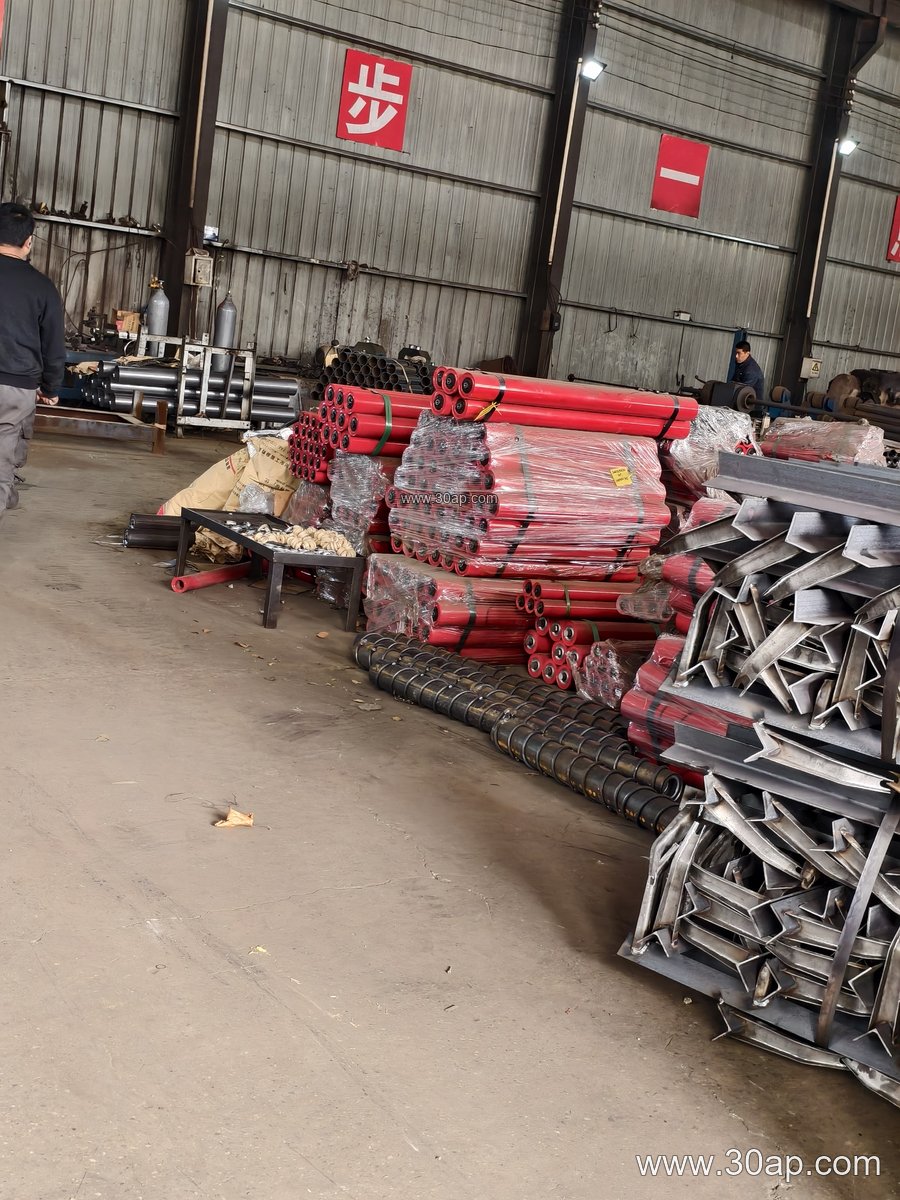
These idlers are not a substitute for drive, tail, or bend pulleys. They are auxiliary components that work alongside carrying idlers, return idlers, and impact idlers. In a cement plant, for instance, a guide idler may be placed on the return strand to keep the belt from rubbing the structure. In a sand and gravel line, a friction self-aligning idler before the tail pulley helps center the belt as it enters the loading zone. The table below shows typical reference dimensions for guide idler rollers, but final selection must follow the conveyor design.
| Belt Width | Common Roller Diameter | Typical Bearing | Example Roller Length (3-roll set) |
|---|---|---|---|
| B500 | Ø89–Ø102 mm | 6204 / 6205 | 200 mm |
| B650 | Ø89–Ø108 mm | 6205 | 250 mm |
| B800 | Ø102–Ø127 mm | 6205 / 6305 | 315 mm |
| B1000 | Ø108–Ø133 mm | 6305 / 6306 | 380 mm |
| B1200 | Ø127–Ø159 mm | 6306 / 6308 | 465 mm |
| B1400 | Ø133–Ø159 mm | 6308 | 530 mm |
| B1600 | Ø159–Ø178 mm | 6308 / 6310 | 600 mm |
Note that side rollers and center rollers in a three-roll set can differ in length, and trough angles of 20°, 30°, 35°, or 45° affect the profile. A guide idler is usually installed in a flat or slightly troughed position, not as a deep-trough carrying idler.
Buyer Checklist for Guide Idlers
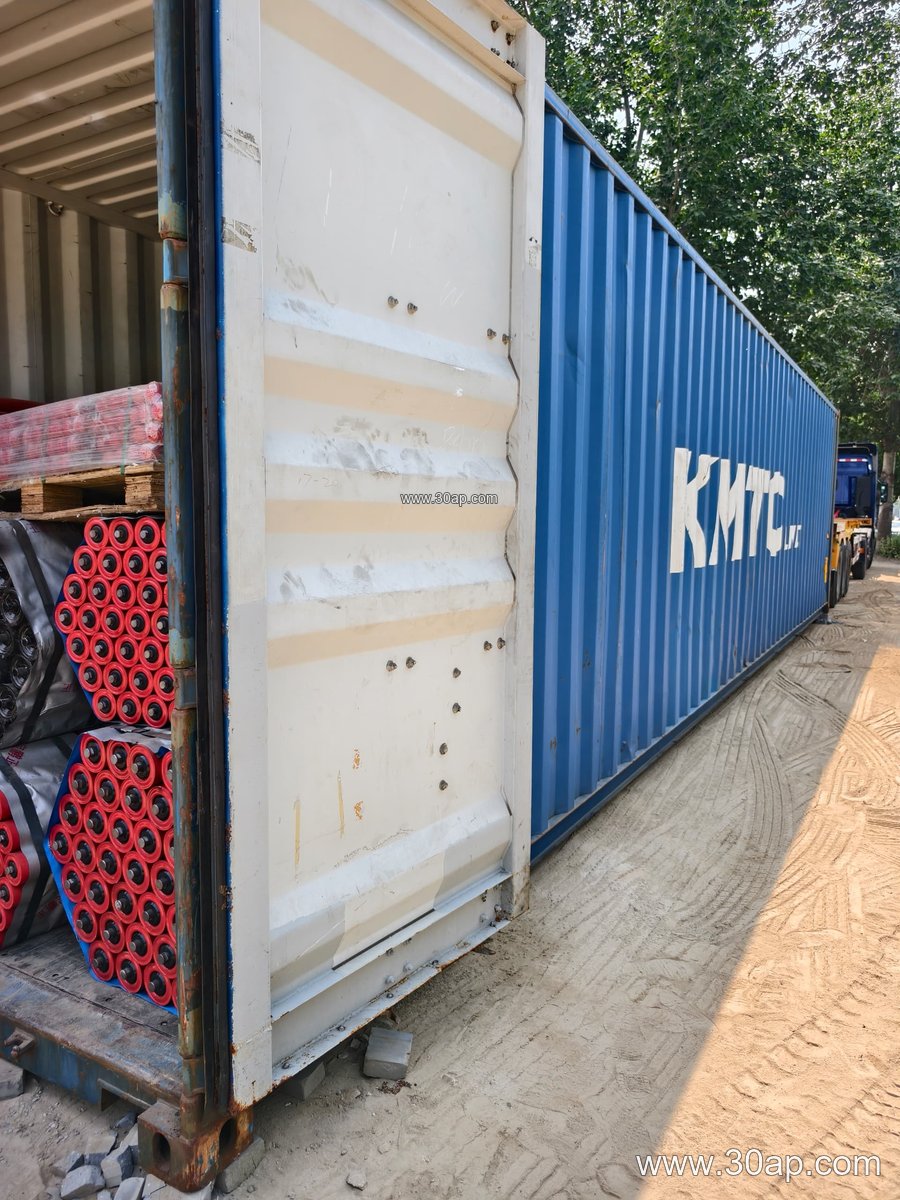
- Belt width and speed: Confirm the belt width (B400 to B2400) and operating speed, as these influence roller diameter and bearing choice.
- Mounting style: Decide between fixed training idlers and self-aligning types; check compatibility with the existing conveyor bracket.
- Environment: In a coal mine or power plant coal yard, dust and moisture call for good sealing and corrosion protection. Rubber-covered rollers may help in wet or sticky conditions.
- Maintenance access: Guide idlers should be easy to inspect and replace without major dismantling.
- Spare parts: Match bearing numbers (e.g., 6204, 6205, 6305) and shaft sizes to the existing idler inventory where possible, but never assume one belt width fixes one shaft diameter.
Installation and Care
Correct installation is critical. A guide idler set too aggressively can overcorrect and damage the belt edge. Mount it square to the conveyor centerline and adjust gradually while observing belt tracking. Lubricate only sealed-for-life bearings if specified, and check for roller seizure or worn surfaces during routine inspections. In a crusher discharge or tunnel mucking application, impact and abrasion are high, so guide idlers should be placed after the impact zone rather than directly under the dump point.
Ultimately, a belt conveyor guide idler is a small but valuable part of keeping a conveyor belt running true. Selecting the right roller diameter, bearing, and mounting style for the belt width and site conditions will reduce downtime and extend the life of the conveyor pulley and belt.