What a 1000mm Conveyor Belt Is
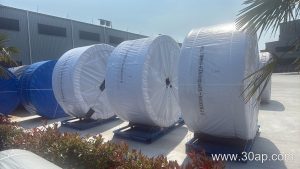
A 1000mm conveyor belt is a belt with a nominal width of one metre, usually written as B1000 in specification sheets. It is the load-carrying surface of a belt conveyor and works together with idler rollers, conveyor pulleys and conveyor brackets to move bulk material along a fixed route. In mines, coal preparation plants, cement works, power stations and sand and gravel yards, the one-metre width is a common choice when a single line must handle a steady tonnage without becoming too heavy to install or maintain.
Width is only one part of the specification. A buyer comparing offers should also look at the carcass type, the number of plies, the tensile grade, the cover rubber thickness and any special properties such as flame resistance or oil resistance. Two belts of the same width can behave very differently on the same conveyor.
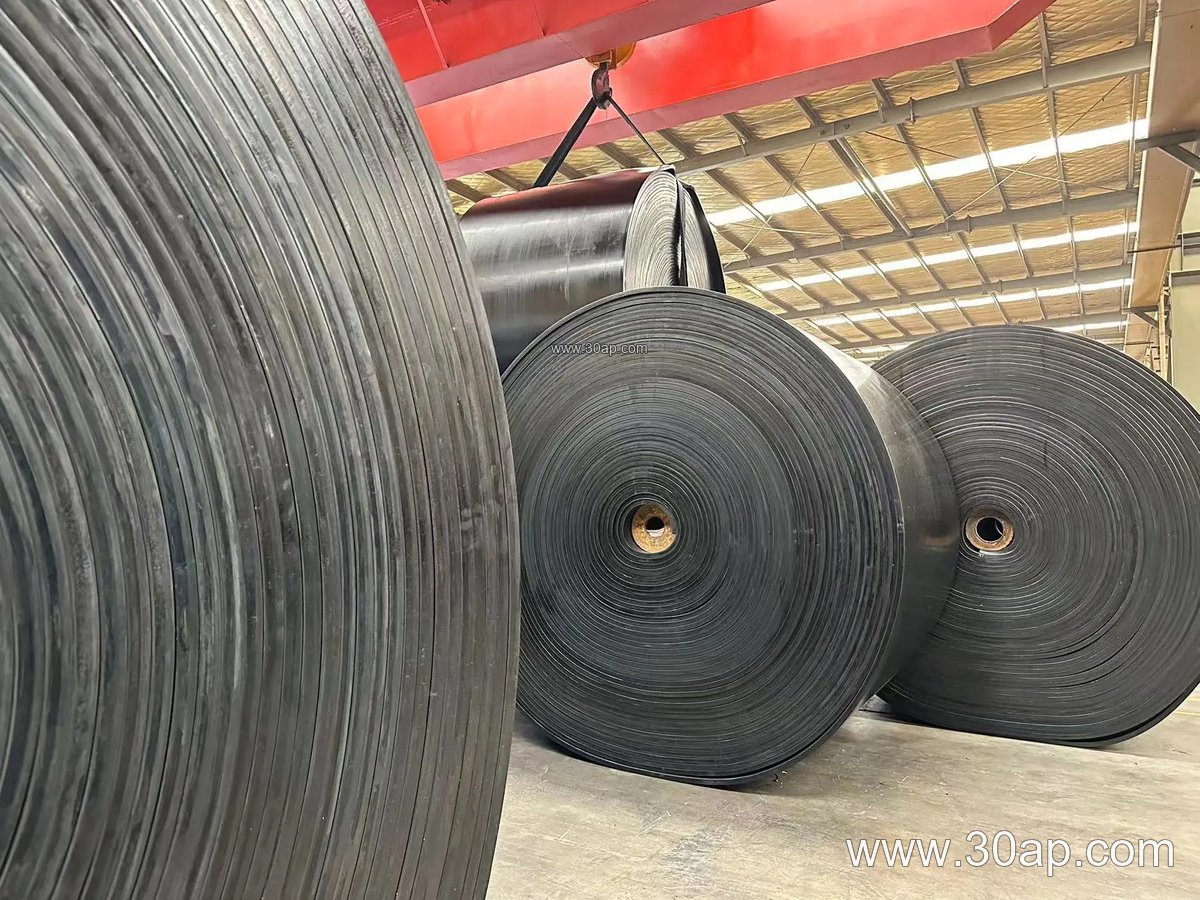
How the Belt Is Built
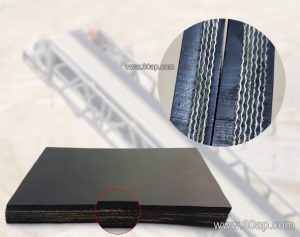
The belt body is a composite. A fabric carcass, often EP or NN, gives strength and resistance to flexing, while rubber covers protect the carcass from abrasion, moisture and impact. For long overland lines or high-tension duties, a steel cord carcass may be used instead. The table below shows common reference values for a 1000mm belt; actual values depend on the conveyor design and the manufacturer.
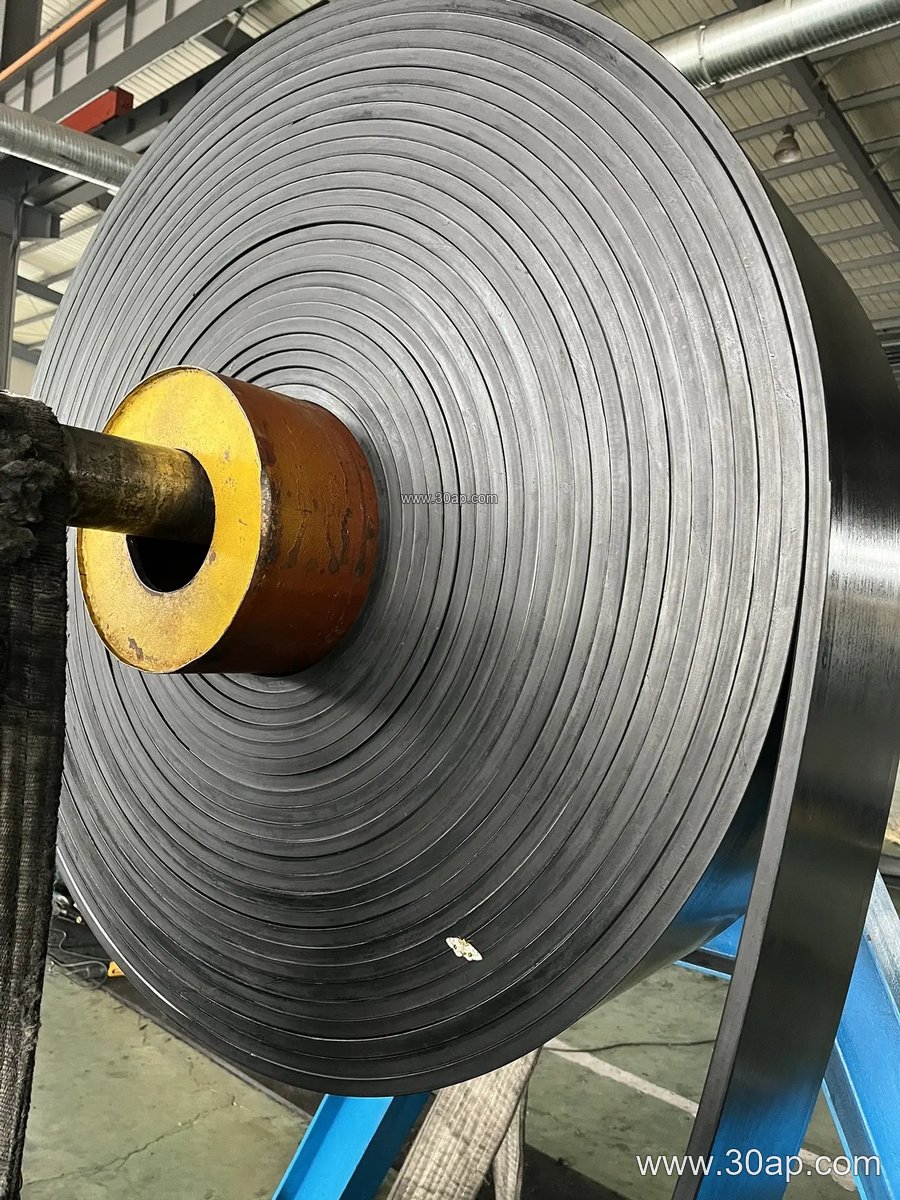
| Item | Common Reference | Notes |
|---|---|---|
| Belt width | B1000 (1000 mm) | Nominal width, not the usable load width |
| Carcass type | EP, NN, steel cord | Selected by tension and splice method |
| Tensile grade | EP200 to EP2000 range | Grade must suit the calculated belt tension |
| Number of plies | 2 to 6 layers | Usually stated with the carcass type |
| Top and bottom cover | 3+1.5, 4+2, 5+2, 6+2, 8+3 mm | Thicker top cover for abrasive or impact duty |
| Surface form | Smooth, patterned, chevron, corrugated sidewall | Patterned or chevron belts help on inclines |
Special grades include wear-resistant, heat-resistant, oil-resistant, flame-retardant, anti-static, cold-resistant and acid and alkali resistant belts. A coal mine may need flame resistance and anti-static properties, while a cement plant often prioritises abrasion resistance and heat tolerance. These are belt properties, not interchangeable names for other conveyor parts.
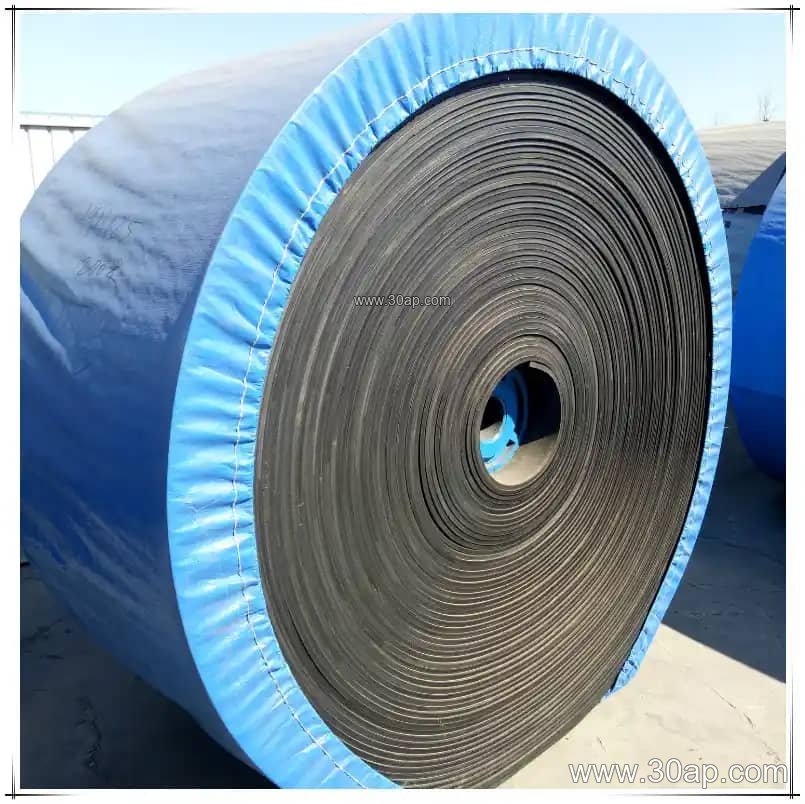
Where It Fits in a Conveyor
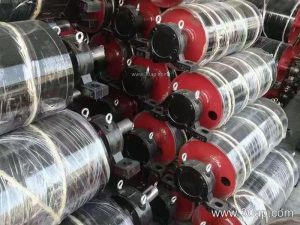
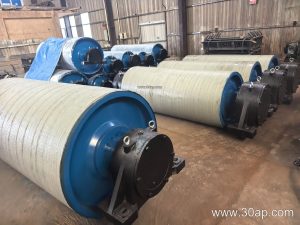
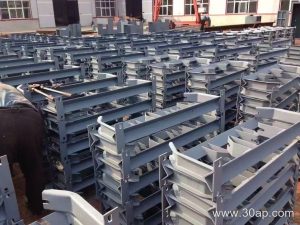
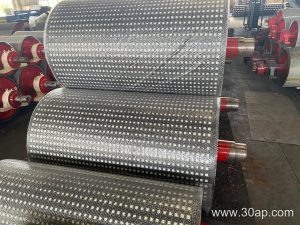
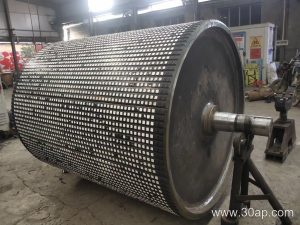
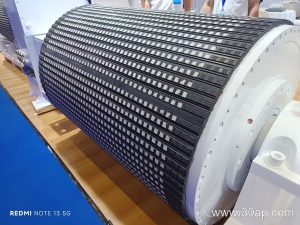
The belt runs over a series of idler rollers on the carrying side and return side, passes around the drive pulley and tail pulley, and is held in line by conveyor brackets and frame components. The drive pulley transmits motion, the tail pulley sets the return point, and bend pulleys change direction where the layout requires it. Each has its own function and should be specified separately from the belt.
In a sand and gravel yard, a B1000 belt may feed a screening plant. In a power plant, it may run on a coal handling line. In a cement plant, it may carry clinker or raw material. The same nominal width can serve all these duties, but the cover grade, carcass and surface form will differ.
Selection Points for Buyers
- Confirm the calculated belt tension before choosing an EP or NN grade; a wider belt does not automatically mean a stronger one.
- Match the cover thickness to the material: sharp rock calls for a thicker top cover, while fine dusty cargo may need less.
- State the ambient and material temperature when ordering heat-resistant belts.
- For inclined sections, ask whether a patterned or chevron surface is needed to reduce material rollback.
- Check pulley face width and trough angle so the B1000 belt seats correctly on the idler rollers.
- Keep the splice method in mind; steel cord and fabric belts are joined differently.
Installation and Care
Correct alignment at the tail pulley and training on the carrying idlers reduce edge wear. Keep the belt tension within the design range, inspect the covers for cuts and embedded material, and check that the conveyor brackets and frame remain square. A 1000mm conveyor belt is a durable component, but its service life depends heavily on how well the whole conveyor is set up and maintained.