What a Heavy-Duty Mining Conveyor Belt Is
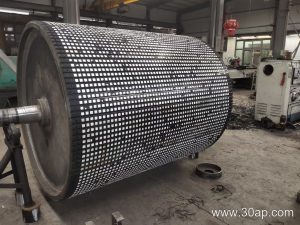
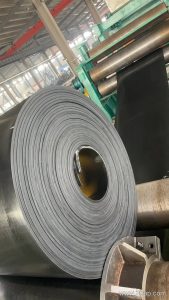
A heavy-duty mining conveyor belt is the load-carrying element in a bulk material handling system built for abrasive rock, wet coal, cement clinker, ore and sand. It differs from a general-purpose belt in its thicker cover rubber, stronger carcass and reinforced edge construction, so it can survive sharp lumps, high impact at the loading point and long runs between head and tail stations. In a mine or quarry, the belt works together with idler rollers, conveyor pulleys, conveyor brackets and the drive frame, and each of these parts influences how well the belt tracks and how long it lasts.
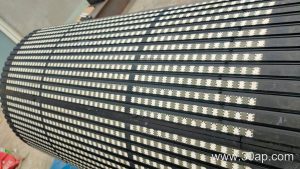
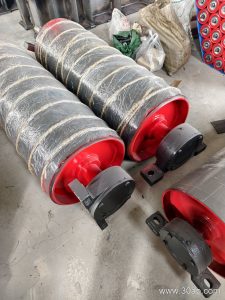
The same product is also described as a heavy-duty conveyor belt for mining duty, and both terms refer to the same belt family. The drive pulley, tail pulley and bend pulleys are separate components with separate jobs and are not interchangeable names for each other.
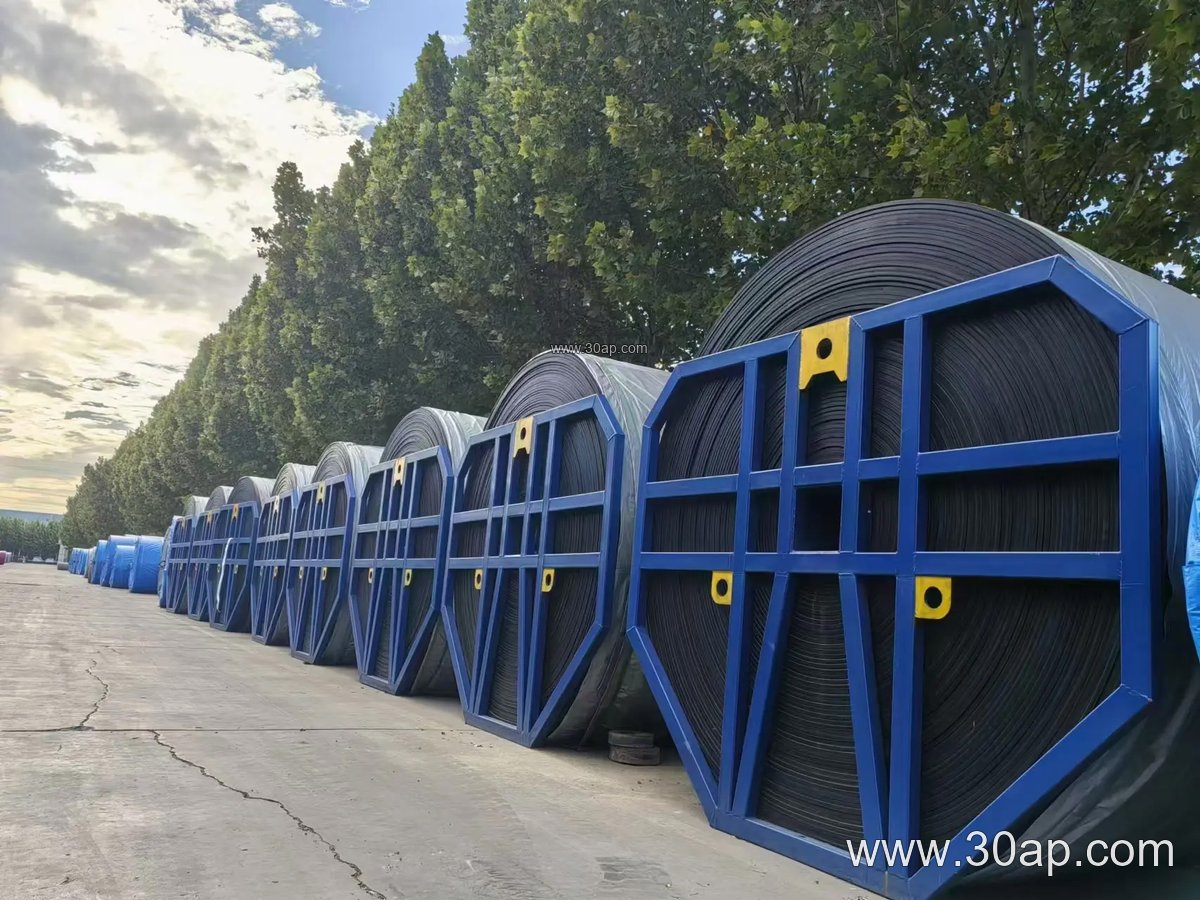
How the Belt Is Built
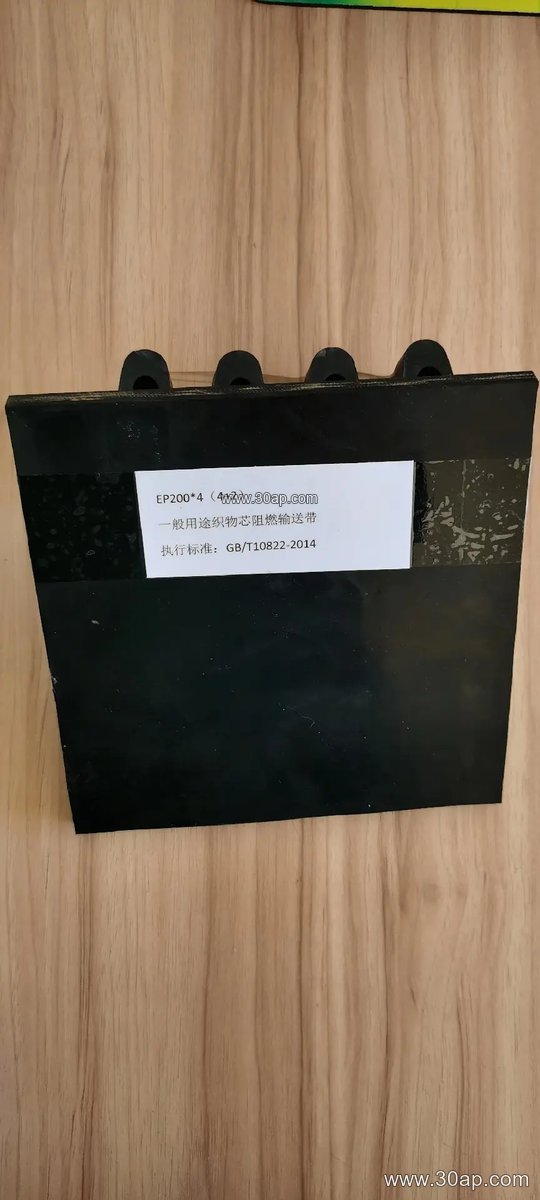
The carcass provides tensile strength and resistance to ripping. Common constructions include EP fabric, NN nylon fabric and steel cord. The cover rubber protects the carcass from abrasion, impact, heat, oil or fire risk depending on the duty. A heavy-duty mining belt usually carries a thicker top cover than a light-duty belt, and the bottom cover is sized to suit the pulley side and the return run.
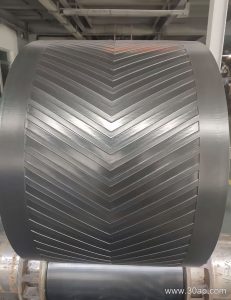
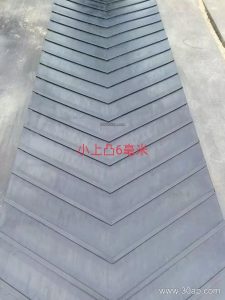
Surface form is selected for the job. Plain surfaces suit most straight runs, while patterned or chevron covers help on inclines where material would otherwise slide back. Corrugated sidewall belts are a different subtype used where a steep incline needs a raised edge; they are a relevant comparison, not a replacement for the main flat belt.
Common Reference Data
The figures below are typical reference values, not universal specifications. Actual belt design is confirmed by the conveyor engineer and can vary between manufacturers.
- Fabric grades often used in mining duty: EP200, EP315, EP400, EP500, EP630, EP800, EP1000, EP1250, EP1600 and EP2000.
- Common belt widths: B500, B650, B800, B1000, B1200, B1400, B1600, B1800 and B2000.
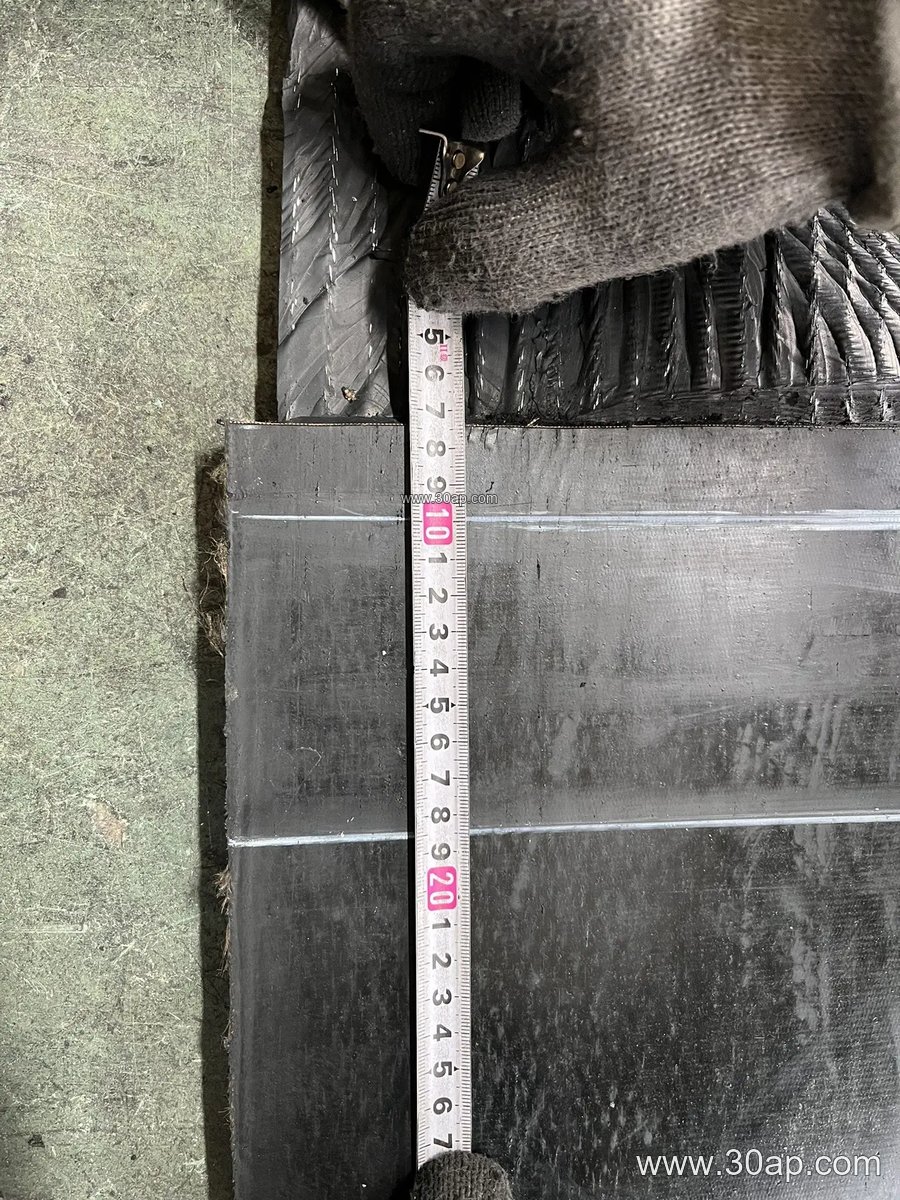
- Cover thickness combinations such as 3+1.5, 4+2, 5+2, 6+2 and 8+3 mm.
- Carcass layers usually range from 2 to 6 plies in fabric constructions.
A wider belt is not tied to one pulley diameter, and belt width alone does not fix a shaft diameter. Those values come from the conveyor layout, the load and the pulley manufacturer.
Where It Is Used
Heavy-duty mining belts move material in open-pit mines, underground coal mines, cement plants, power stations, sand and gravel yards and mineral processing plants. In a coal mine the belt may need flame resistance and antistatic properties; in a cement plant it may face hot clinker and fine abrasive dust; in a sand and gravel yard it handles wet, heavy aggregate. The same belt type can be specified with heat-resistant, oil-resistant, wear-resistant, cold-resistant or acid and alkali resistant covers when the environment demands it.
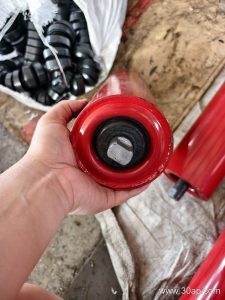
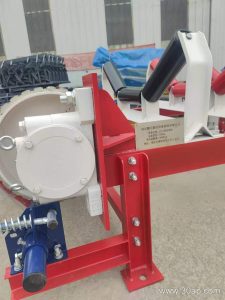
Supporting hardware matters as much as the belt. Troughed idler rollers shape the belt into a carrying trough, return rollers support the empty run, and conveyor brackets hold the idlers and pulleys in alignment. Misalignment at any of these points causes edge wear and tracking problems.
What Buyers Should Check
- Confirm the material being carried, its lump size, temperature and moisture, because these drive cover grade and thickness.
- Match belt strength to the actual tension and incline, not to a rough guess from belt width.
- Check pulley diameter and shaft design with the pulley supplier; do not derive them from belt width.
- Review the loading point for impact bars or cushion idlers that protect the carcass.
- Ask for the splice method and the recommended spare length so future repairs are practical.
- Keep the belt clean and check tracking, cover wear and edge condition at regular intervals.
A well-matched heavy-duty mining conveyor belt, supported by correctly sized idler rollers, pulleys and brackets, keeps material moving through the toughest parts of a mine, quarry or processing plant.