What a 650mm Conveyor Belt Is
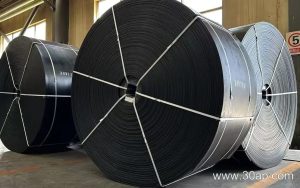
A 650mm conveyor belt is a belting product with a nominal width of 650 millimeters, usually written as B650 in specification sheets. It sits in the lower-middle part of the common width range, above B500 and below B800, which makes it a practical choice for medium-capacity conveying lines where a narrower belt would limit throughput and a wider one would add unnecessary cost and structural load. You will see it in mining haulage drifts, cement clinker lines, coal handling systems, power plant fuel yards and sand and gravel plants, often on relatively compact conveyors that still need to run continuously.
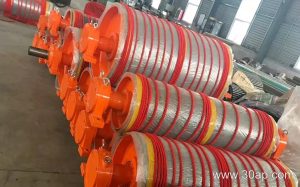
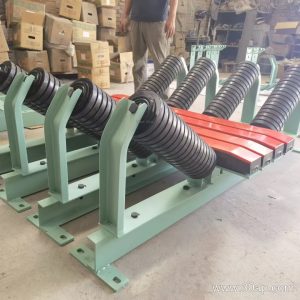
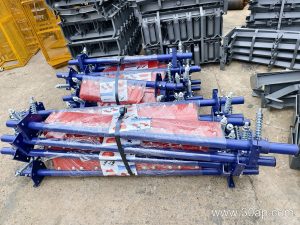
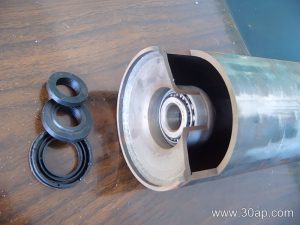
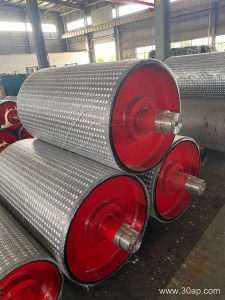
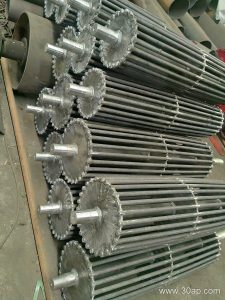
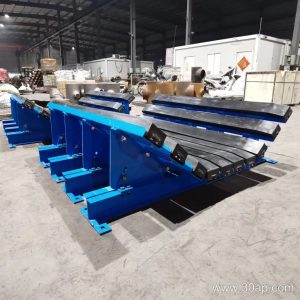
The belt is only one part of the machine. It runs over a conveyor pulley at the head and tail, is supported by idler rollers along the carrying side, and is held in line by conveyor brackets and frames. Getting the belt width right is a system decision, not a standalone one.
Construction and Common Specifications
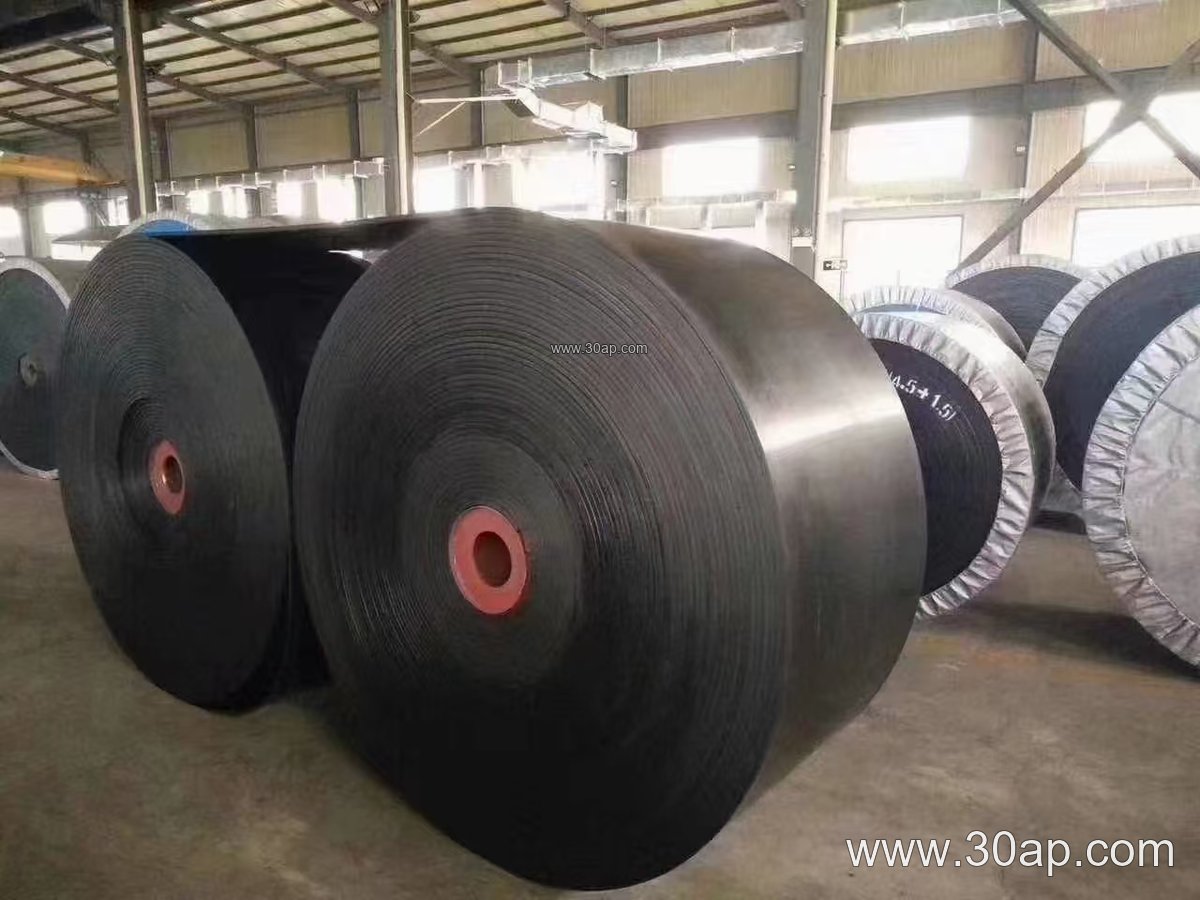
Most 650mm belting is built around a fabric carcass or a steel cord core, with rubber cover layers on both faces. The carcass carries the tension, while the covers protect it from abrasion, impact and moisture. Buyers commonly choose between EP (polyester-cotton) and NN (nylon-nylon) fabric types for general duty, and specify special covers when the environment demands it.
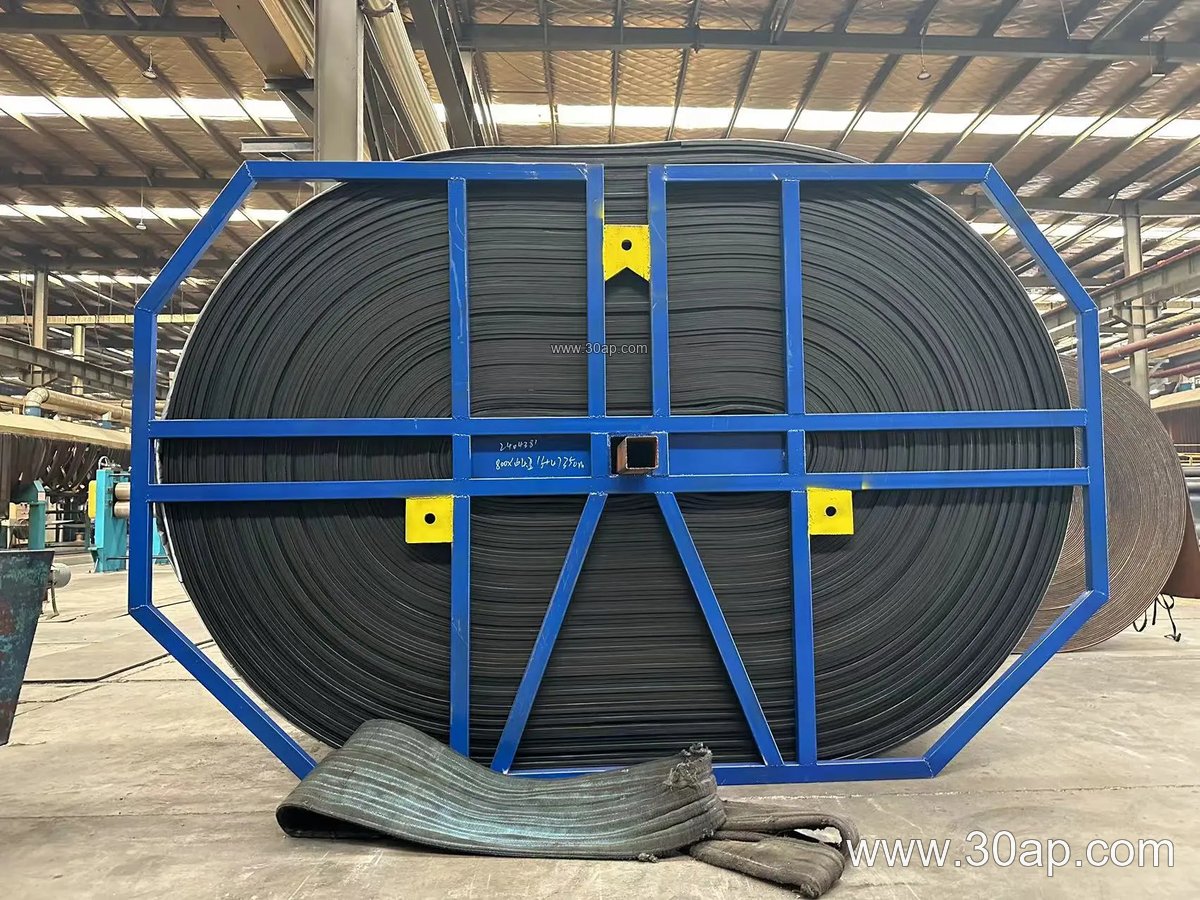
The values below are typical reference ranges, not universal guarantees. Actual construction is confirmed by the manufacturer for each order.
| Parameter | Common options |
|---|---|
| Belt width | B650 (650 mm) |
| Carcass type | EP fabric, NN fabric, steel cord |
| Strength grade | EP200, EP315, EP400, EP500, EP630 |
| Cover thickness | 3+1.5 mm, 4+2 mm, 5+2 mm, 6+2 mm |
| Fabric plies | Usually 2 to 6 layers, depending on duty |
| Special grades | Wear resistant, heat resistant, oil resistant, flame retardant, antistatic, cold resistant, acid and alkali resistant |
| Surface forms | Smooth, patterned, chevron, corrugated sidewall |
A flame retardant and antistatic grade is often requested for coal mines and enclosed fuel systems, while heat resistant belting suits cement and clinker service. In sand and gravel plants, a wear resistant cover is usually the priority.
Where It Fits in a Conveyor System
The 650mm width is often paired with medium-duty drives. A conveyor pulley at the discharge end provides the driving force, a tail pulley returns the belt, and bend pulleys route it through take-up sections. These are distinct components and are not interchangeable; each has its own function and load case. Idler rollers support the loaded strand at intervals, and the trough angle affects how much material the belt can carry.
Because B650 is narrower than B800 or B1000, it is a good match for secondary and tertiary crushing circuits, transfer conveyors between screening stations, and yard conveyors in power plants. It also suits mobile and semi-mobile crushing plants where frame width is constrained. In underground mining, the limited drift width often favors this size.
Selection Points for Buyers
Start with the material: lump size, bulk density, moisture, temperature and abrasiveness all influence the carcass grade and cover compound. Then confirm the required tension, which depends on conveyor length, incline, capacity and starting conditions. The strength grade should be selected with margin rather than at the exact calculated limit.
- Check that the pulley face width suits the belt width and that the pulley diameter matches the carcass flexibility.
- Confirm cover thickness against impact and abrasion, not just against purchase price.
- Ask for the splice method and whether the belt will be supplied endless or open-ended.
- Review the idler roller spacing and trough angle for the intended load.
- For coal or dusty service, specify flame retardant and antistatic properties explicitly.
Do not assume that a 650mm belt has one fixed matching pulley diameter or shaft size; those are determined by the conveyor design, belt tension and carcass type. A wider belt is not automatically better, and a narrower one is not automatically cheaper to operate once capacity and belt life are considered.
Installation and Maintenance Notes
Correct alignment at installation prevents most tracking problems later. Keep the belt centered on the tail pulley, check that idler rollers are square to the frame, and verify conveyor brackets are tight before tensioning. During operation, watch for edge damage, cover wear and splice deterioration, since a 650mm belt has less margin for mistracking than wider belting. Regular inspection of the conveyor pulley lagging and idler rotation helps avoid localized wear. Store spare belting away from sunlight, oil and ozone sources, and roll it in the direction recommended by the supplier.