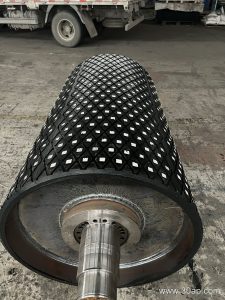
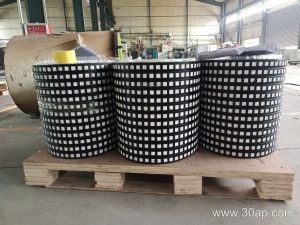
What a Cement Conveyor Belt Is
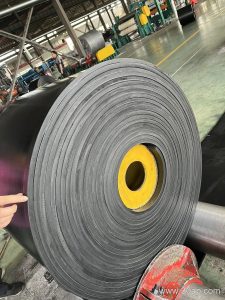
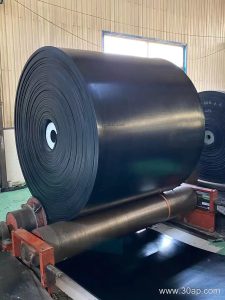
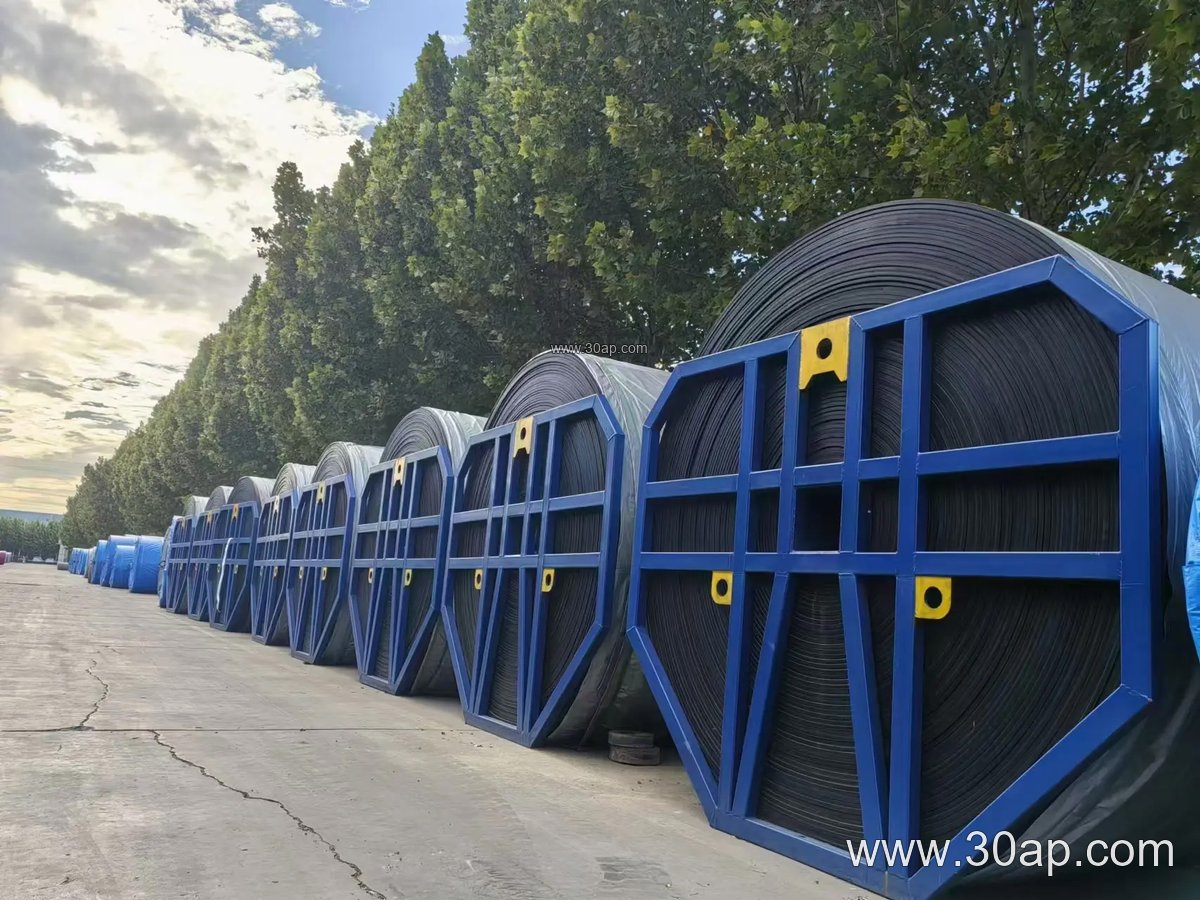
A cement conveyor belt is the load-carrying element of a belt conveyor used to move clinker, limestone, gypsum, raw meal, cement powder and related bulk materials through a plant. It is a heavy-duty rubber belt built around a tension-bearing carcass, with rubber covers on both faces. In a cement works, the same belt family is found on quarry feed lines, crusher discharge conveyors, additive dosing circuits and packing plant transfer points, as well as in mines, coal handling systems, power stations and sand and gravel yards.
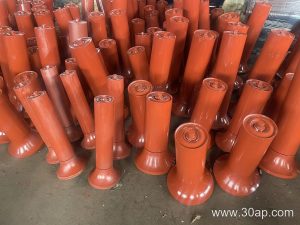
The term describes the belt itself, not the whole conveyor. The complete machine also includes idler rollers, conveyor pulleys and conveyor brackets, and the belt is only as effective as the structure that supports it.
Construction and Carcass Options
The carcass gives the belt its strength and resistance to stretching. Common constructions include EP fabric (polyester warp, polyamide weft), NN nylon fabric, steel cord and, for special duties, PVC or PVG solid-woven belts. Fabric belts usually carry 2 to 6 plies depending on the required strength. Steel cord belts are chosen for long, high-tension routes where low elongation matters.
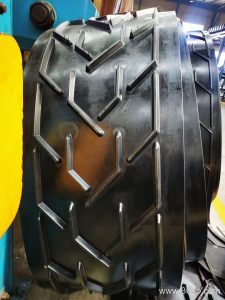
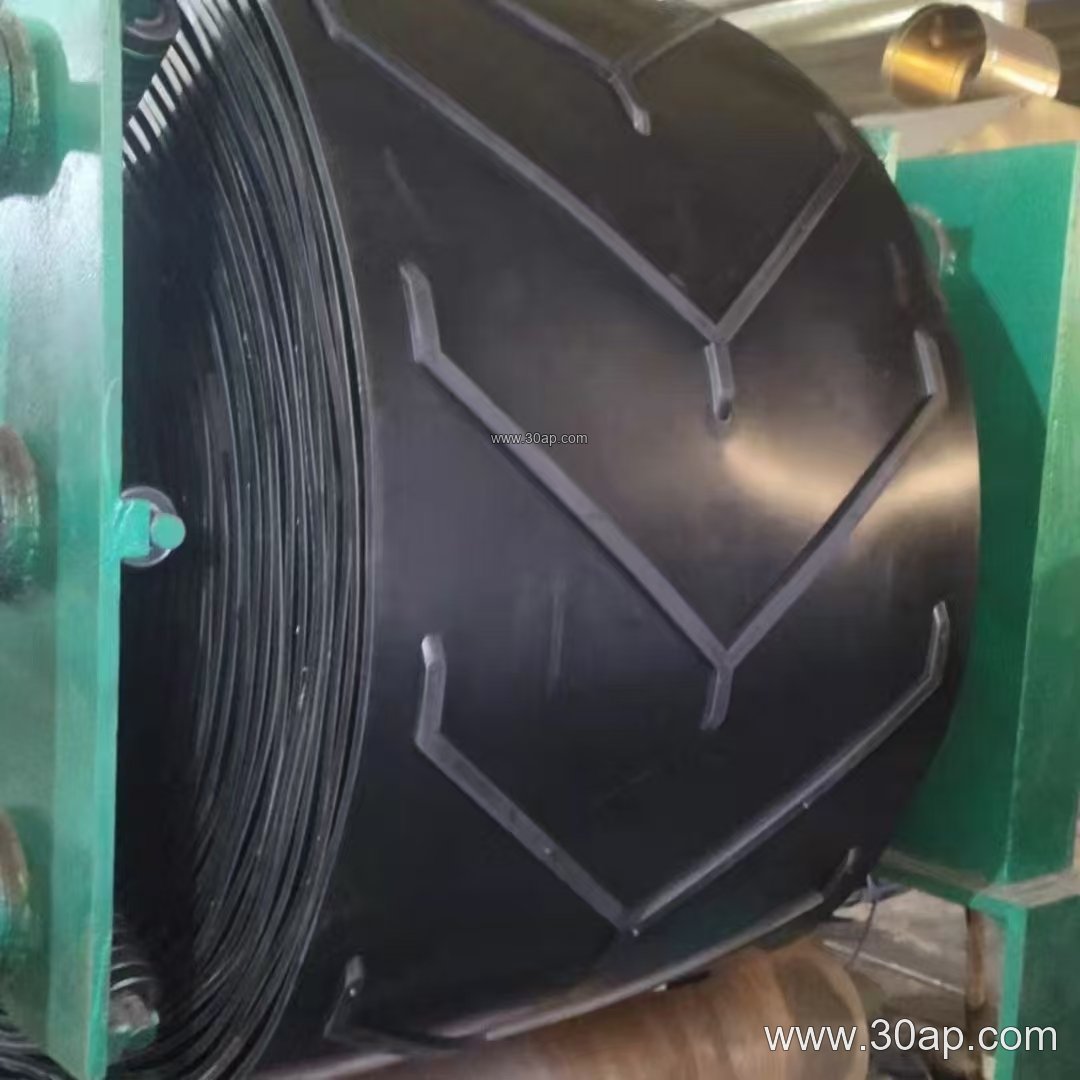
Cover rubber protects the carcass from abrasion, impact and heat. Typical cover grades include abrasion-resistant, heat-resistant, oil-resistant, flame-retardant and antistatic, with acid and alkali resistance or cold resistance available for specific environments. Cement plants often combine abrasion resistance at the loading zone with heat resistance where clinker is still warm. Chevron or patterned covers and corrugated sidewalls are options on steep inclines, though a standard flat belt remains the default for most horizontal runs.
Typical Specifications
Values below are common reference ranges, not fixed rules. Final selection depends on the conveyor design and should be confirmed with the belt supplier.
| Parameter | Common range |
|---|---|
| Belt type | EP, NN nylon, steel cord, PVC, PVG |
| Strength grade | EP200 to EP2000 (fabric); steel cord grades by design |
| Belt width | B500, B650, B800, B1000, B1200, B1400, B1600, B1800, B2000 |
| Cover thickness | 3+1.5, 4+2, 5+2, 6+2, 8+3 mm |
| Carcass plies | Usually 2 to 6 |
Belt width and strength are matched to the tonnage, lump size and incline, not to a single pulley size. A wider belt does not automatically dictate one pulley diameter, and shaft dimensions follow the pulley design rather than the belt alone.
Where It Fits in the Plant
In a cement line, belts handle abrasive limestone from the quarry, hot clinker from the cooler, and fine cement powder in enclosed galleries. Coal handling at a power plant and aggregate transport at a sand and gravel yard present similar demands: continuous operation, dust, and high impact at transfer chutes. In these layouts the belt works with troughing idler rollers, a drive pulley at the head, a tail pulley at the feed end, and bend pulleys on routes with curves or take-ups. Each pulley has its own role and they are not interchangeable.
Selection Points for Buyers
- Confirm material characteristics: lump size, temperature, moisture, oil content and abrasiveness.
- Match strength grade and ply count to the calculated tension, allowing for start-up loads.
- Choose cover grade and thickness for the toughest point on the route, usually the loading zone.
- Check that pulley diameters, idler roller spacing and conveyor brackets suit the belt’s flexibility and load.
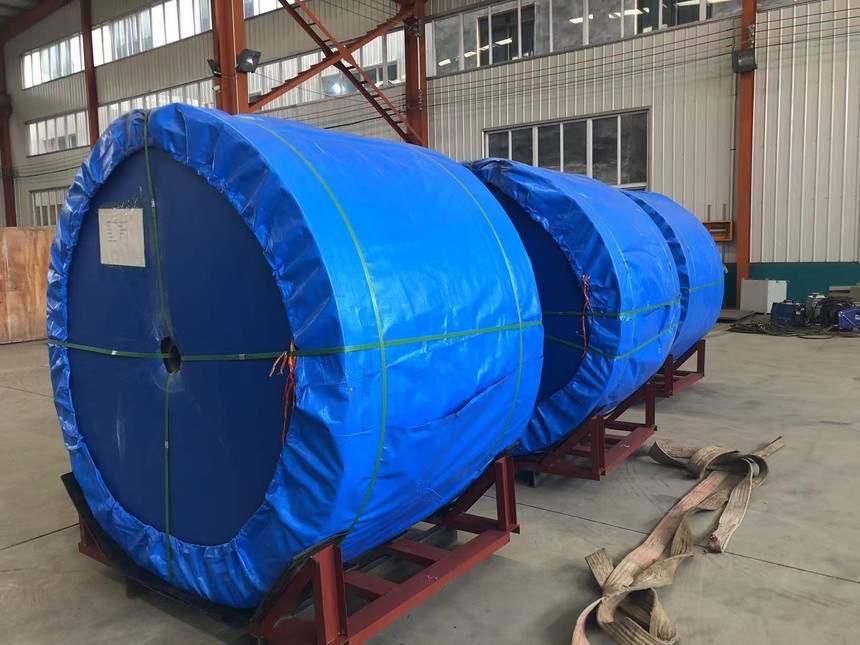
- Plan splices, storage and spare belt length before ordering, since long routes may need several rolls.
Installation and Maintenance Notes
Correct alignment at installation prevents edge damage and mistracking. Keep the belt centred on the tail pulley and check that idler rollers turn freely, because a seized roller can wear a cover through quickly. Inspect splices and edges at regular intervals, clean spillage from return runs, and avoid over-tensioning. A belt that runs straight and is not overloaded at the chute generally delivers the longest service life in cement, mining and aggregate duty.