What a Conveyor Frame Does
A conveyor frame is the structural backbone of a belt conveyor. It carries the idler roller sets, keeps the conveyor belt in a stable trough shape, and transfers the load from the material to the ground or to a supporting steel structure. In a quarry, a coal preparation plant, or a cement plant, the frame is rarely noticed once the line is running, but it decides how straight the belt tracks, how easily rollers can be replaced, and how long the whole conveyor stays serviceable.
The frame is not a single part. It is a system of longitudinal beams, cross members, legs, and brackets that together hold the upper and return runs of the belt. The same assembly is sometimes called a conveyor support frame or belt conveyor frame structure; these names describe the same product.
How the Frame Is Built
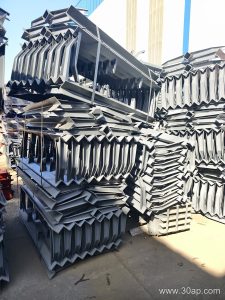
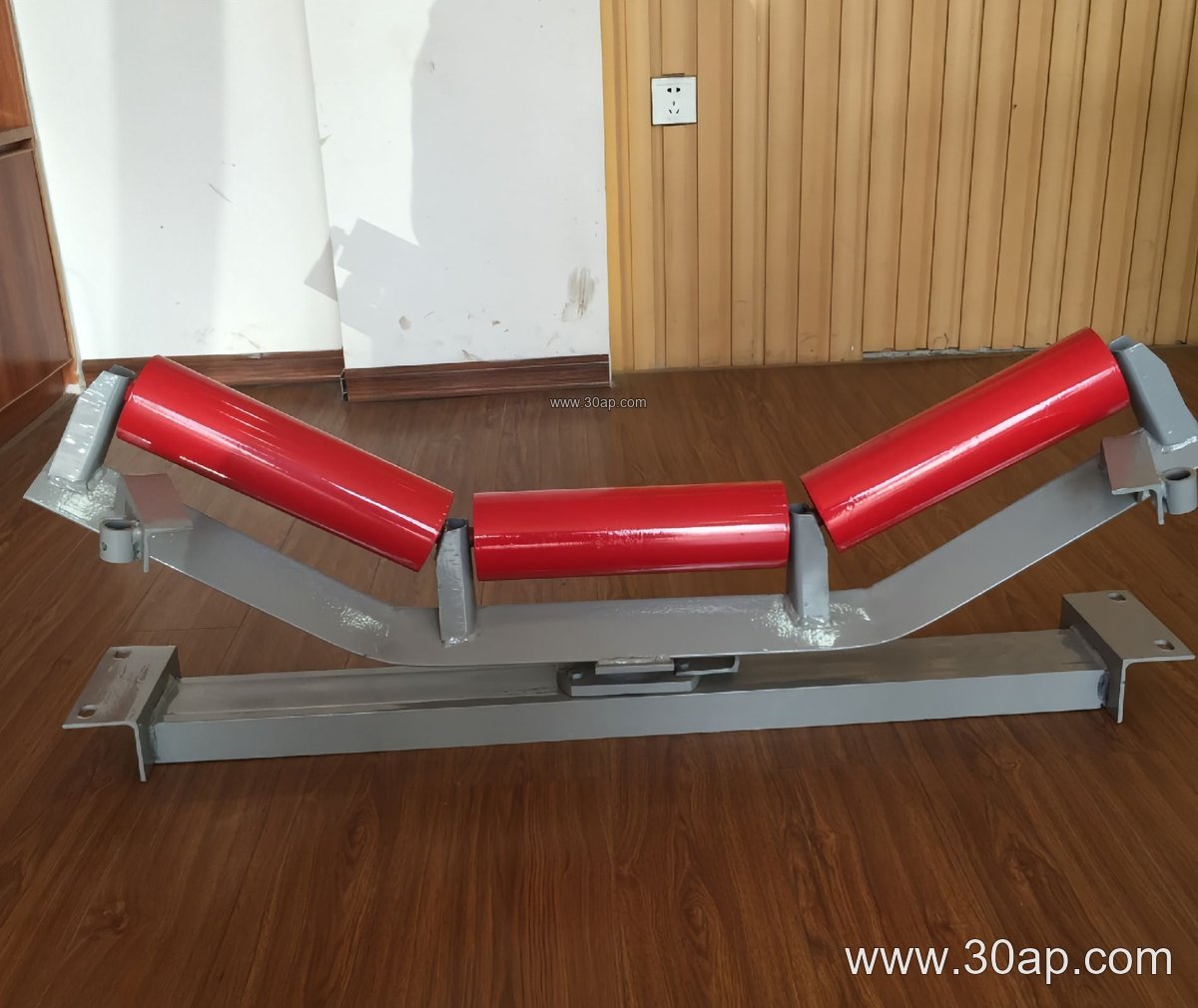
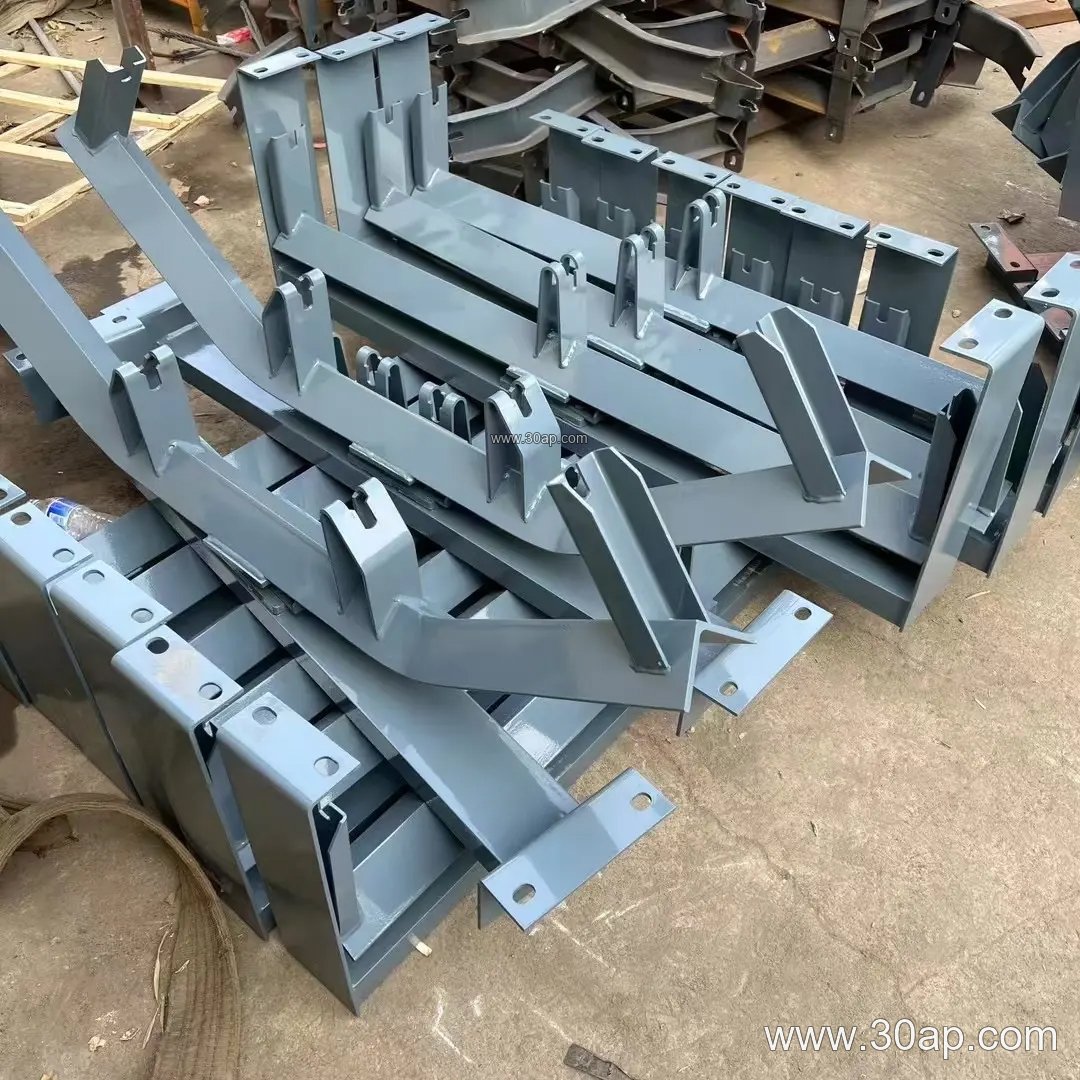
Most frames are fabricated from angle steel, channel steel, or folded steel plate. Sections are cut, drilled, and welded or bolted into modules. A typical module includes two side rails, cross beams at intervals, and mounting plates for the idlers. On the carrying side, the frame usually holds troughing idler sets; on the return side, it holds flat or V-return sets. The frame may also carry a conveyor pulley at the head or tail, a conveyor bracket for the drive unit, and mounting points for skirt boards or guards.
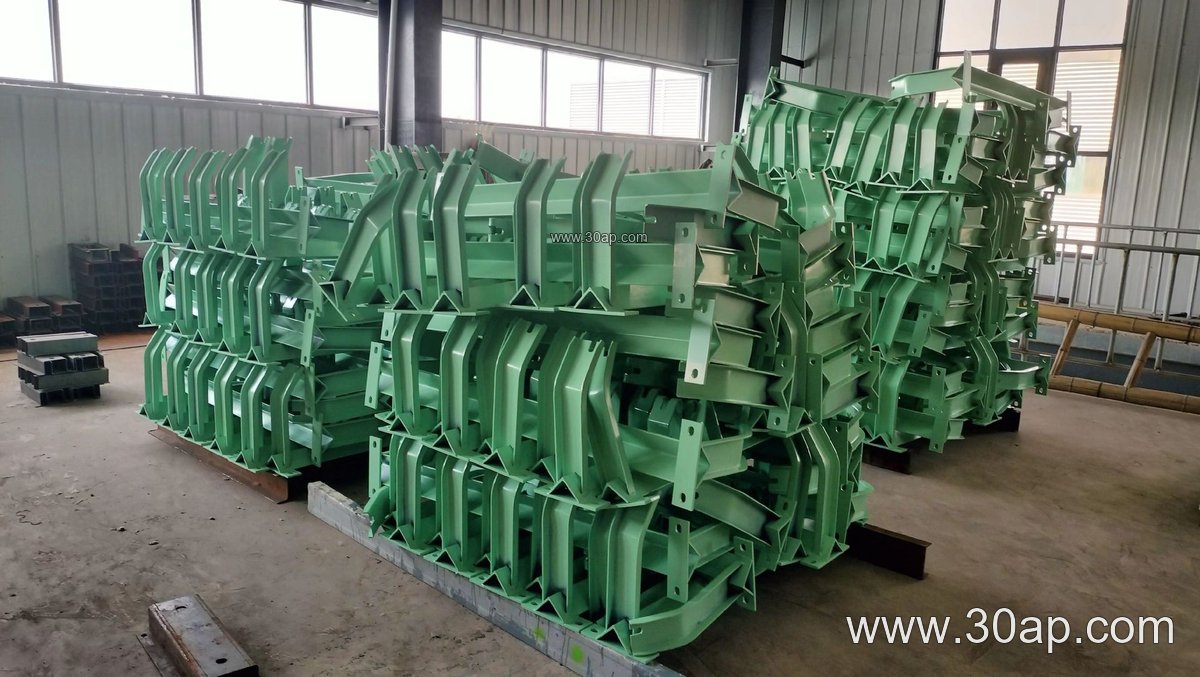
Frames are commonly supplied in modular lengths so they can be shipped and assembled on site. Bolted connections are easier to align and replace than fully welded ones, which matters in plants where a section may need to be removed for maintenance.
Frame Types and Where They Fit
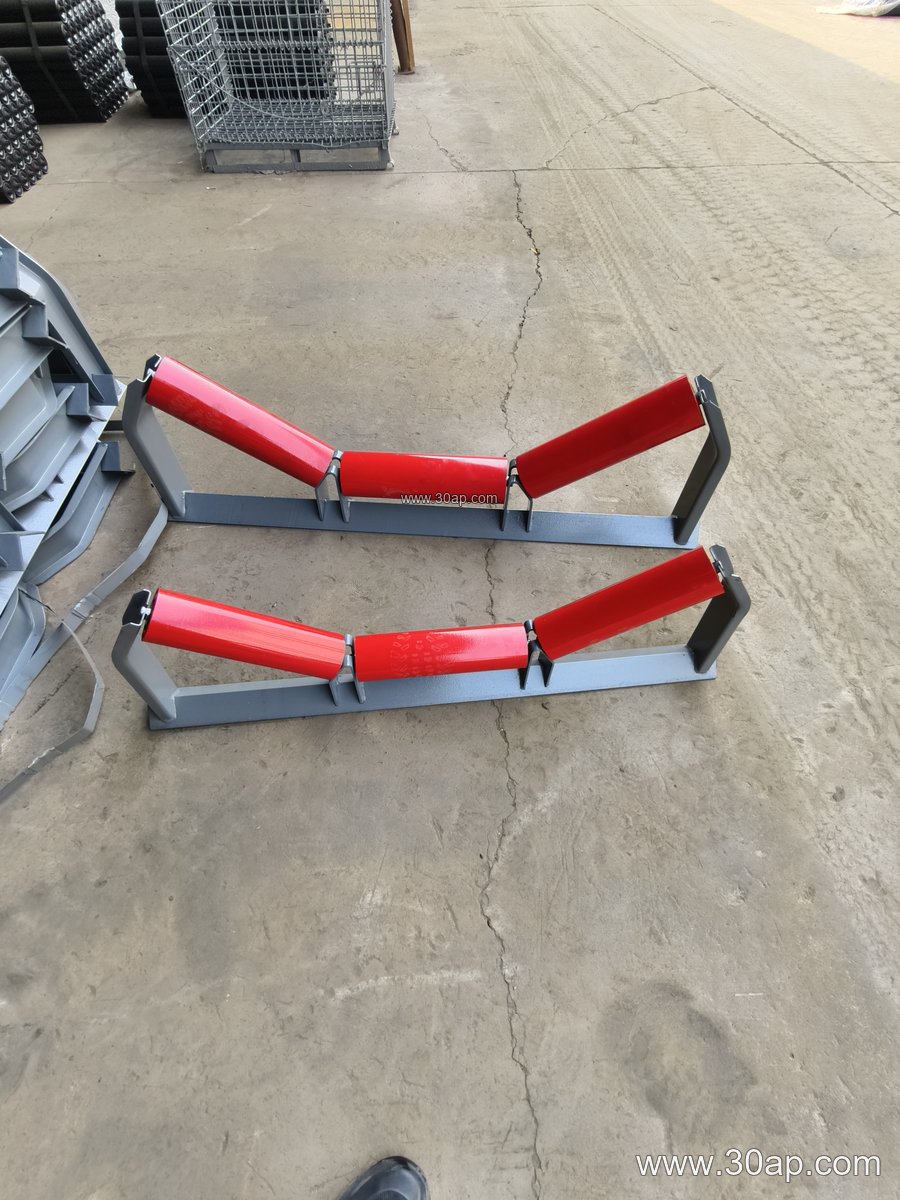
The frame family covers several positions along the belt line. Troughing frames support the loaded run and set the trough angle. Transition frames sit between the flat pulley area and the full trough, gently shaping the belt. Return frames support the empty run, and V-return frames help center the belt on the way back. Impact frames with buffer idlers are used under loading points. Self-aligning frames and forward-leaning frames are chosen where belt training is a concern.
Common Frame References
The values below are typical references, not fixed rules. Actual dimensions are determined by belt width, trough angle, idler diameter, and the design of the supporting structure.
| Item | Common Reference |
|---|---|
| Belt width | B500, B650, B800, B1000, B1200, B1400, B1600, B1800, B2000, B2200 |
| Trough angle | 20°, 30°, 35°, 45°; adjustable frames can be set within a range |
| Idler diameter | Ø89, Ø108, Ø133, Ø159, Ø194 |
| Material | Angle steel, channel steel, folded steel plate |
A frame for B800 at 35° with Ø108 idlers is a common arrangement in a smaller aggregate line, while B1200 at 45° with Ø133 idlers appears in heavier bulk handling. These are examples only; belt width does not fix one trough angle or one roller diameter.
Where Frames Are Used
Conveyor frames appear wherever bulk material moves on a belt. In a limestone mine or crushing and screening plant, frames run from the primary crusher to the stockpile. In a power plant coal yard, they carry coal from the unloading area to the boiler bunkers. Sand and gravel lines, fertilizer plants, and grain silos use lighter frames, while sinter and steel plants often need heavier sections. The frame design should match the duty: a short transfer conveyor and a long overland line have very different stiffness and alignment requirements.
What Buyers Should Check
- Confirm the belt width, trough angle, and idler diameter together, and check that the frame drawing matches the actual idler set.
- Ask how the frame is joined: bolted modules are easier to install and replace than welded sections.
- Check the mounting hole spacing and cross beam length, since these change with belt width and trough angle and should not be assumed.
- Verify that the frame height suits the conveyor pulley and the conveyor belt path at head and tail stations.
- Consider the environment: dusty, wet, or corrosive sites may call for galvanized or painted steel and for frames that shed material rather than trap it.
- Plan access for idler roller replacement, because a frame that blocks maintenance raises long-term cost.
A well-matched conveyor frame keeps the belt centered, protects the idlers, and makes routine service straightforward. Buyers who treat it as a structural system rather than a set of loose beams usually get a conveyor that runs quieter and lasts longer.