What a Heavy-Duty Conveyor Idler Does on a Belt System
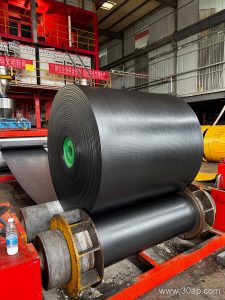
A heavy-duty conveyor idler is the rotating support that carries the conveyor belt and its load along the length of a bulk handling line. In practice, this heavy-duty idler roller is built with thicker tube walls, reinforced bearing housings and stronger sealing than a light-duty unit, so it can survive continuous operation under abrasive material, shock loading and dusty conditions. The idler does not move the belt by itself; it reduces friction, holds the belt in a stable profile and keeps the load moving toward the discharge point. Drive, tail and bend pulleys handle the power transmission and direction changes, while the idlers support the belt between those points.
How the Idler Is Built
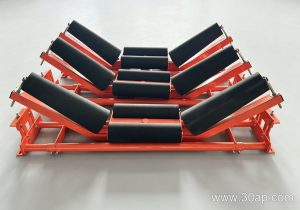
A typical heavy-duty conveyor idler consists of a steel tube shell, a shaft, bearing assemblies at each end, a sealing arrangement and a bracket that locks the roller into the conveyor frame. The shell is often made from seamless or welded steel tube, and the shaft is sized according to the load and the frame design rather than by belt width alone.
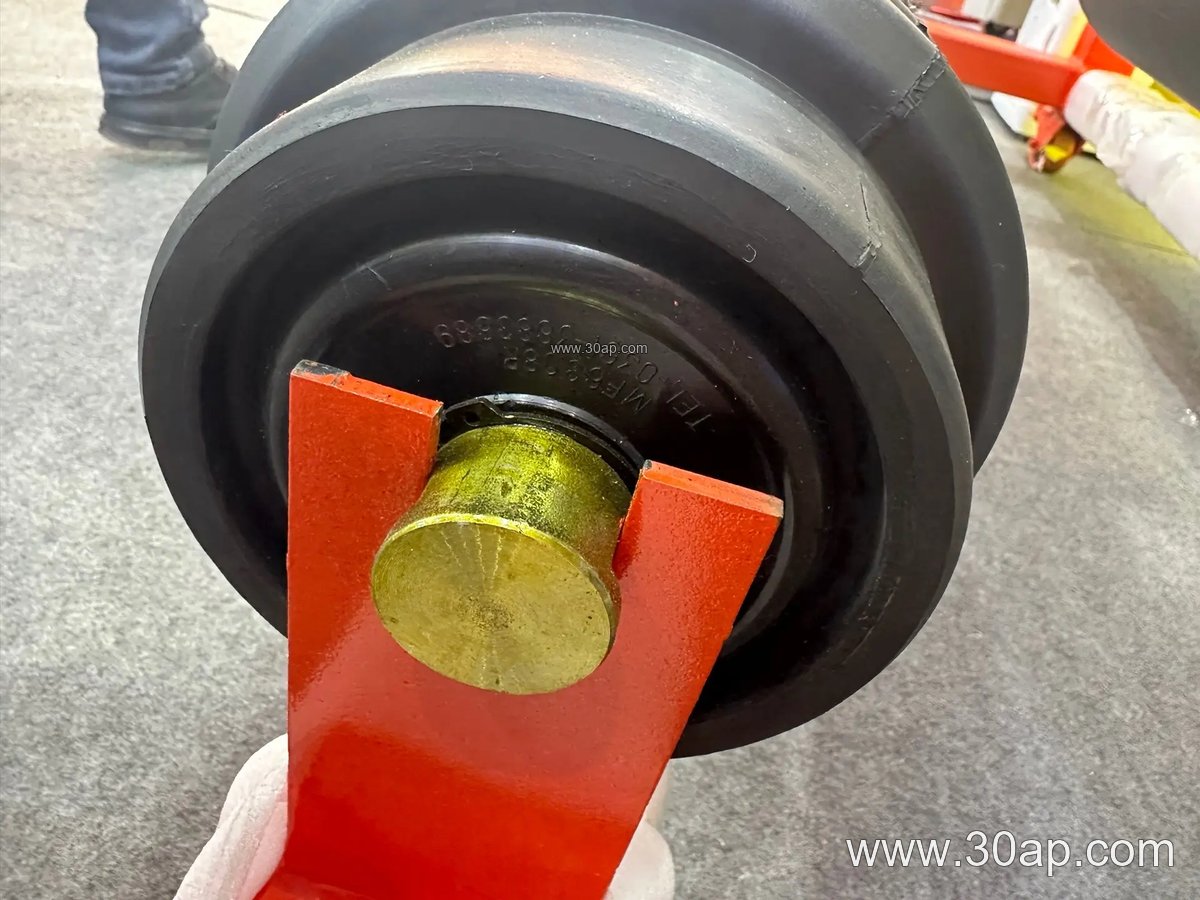
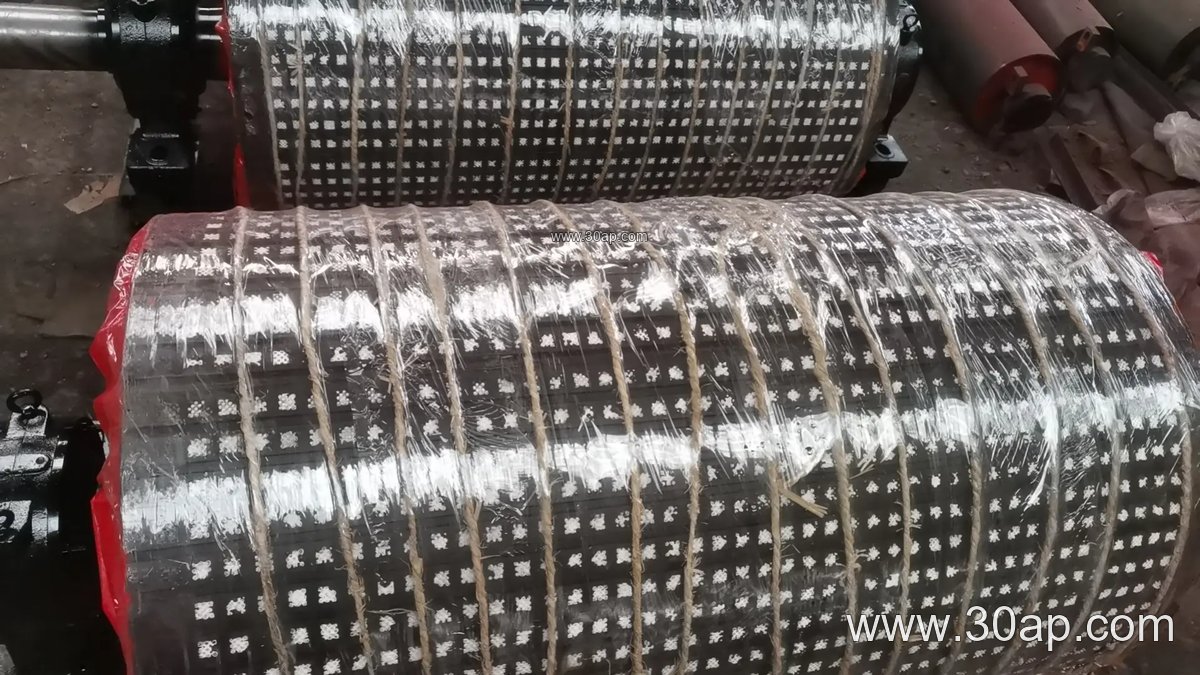
- Roller diameter options commonly include Ø89, Ø108, Ø127, Ø133, Ø159 and Ø178 mm, with larger sizes used where belt tension and load are high.
- Bearing choices such as 6205, 6305, 6306, 6308 and 6310 appear across different roller sizes; the bearing is matched to the duty, not fixed to one diameter.
- Seals may be labyrinth, contact or combined designs to keep out fine dust and water.
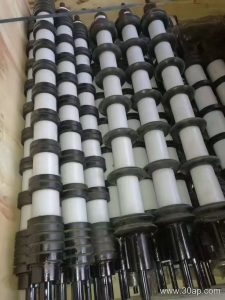
- Surface forms include plain steel tube, nylon, ceramic and rubber rings, each chosen for wear or impact reasons.
Common Types and Where They Sit
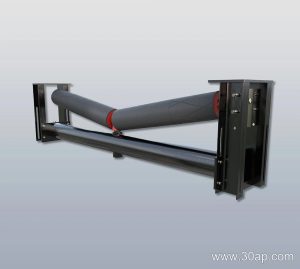
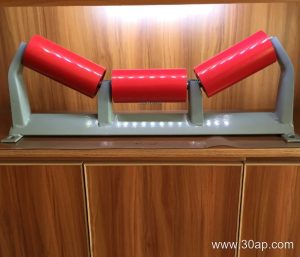
The troughing idler is the most familiar type on the carrying side, usually arranged in a three-roll set with trough angles such as 20, 30, 35 or 45 degrees. Transition idlers ease the belt from the flat pulley into the trough profile. On the return side, a flat return idler or a V-type return idler supports the empty belt. Impact idlers with rubber rings are placed under the loading point to absorb the fall of material. Self-aligning idlers, including friction and tapered designs, help correct belt drift on long runs.
| Idler Type | Typical Position | Main Function |
|---|---|---|
| Troughing idler | Carrying side | Supports the loaded belt in a trough shape |
| Transition idler | Near pulleys | Gradual change from flat to troughed profile |
| Return idler | Return side | Supports the empty belt |
| Impact idler | Loading point | Absorbs shock from falling material |
| Self-aligning idler | Long straight runs | Corrects belt misalignment |
Where Heavy-Duty Idlers Are Used
These idlers suit abrasive and high-tonnage duties in a limestone quarry, an iron ore mine, a coal washing plant and a cement plant. They also appear in power station coal handling, port terminals, steel plants and aggregate crushing and screening lines. In each case the conveyor belt carries a heavy load, and the idler must resist dust, moisture and continuous rotation. A poorly chosen idler can cause belt tracking problems, increased power draw and shortened belt life.
Roller Length and Belt Width
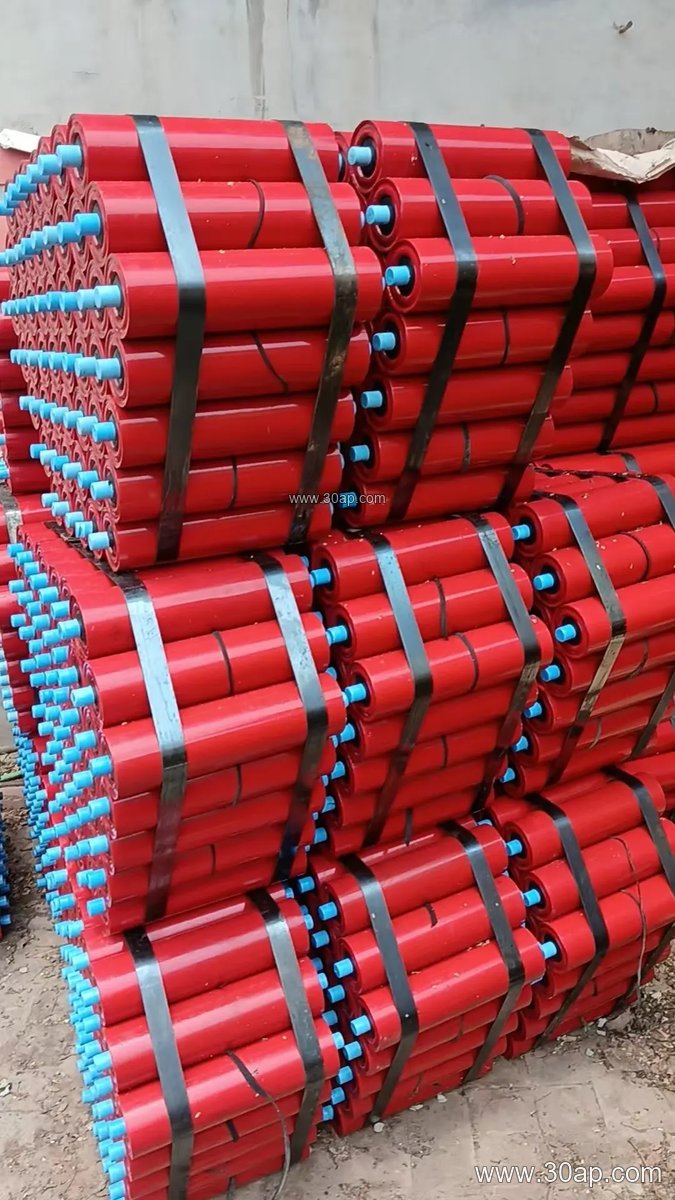
Roller length changes with belt width, trough angle and roll arrangement. For a three-roll troughing set, common examples include roughly 200 mm rolls for B500, 250 mm for B650, 315 mm for B800, 380 mm for B1000, 465 mm for B1200, 530 mm for B1400, 600 mm for B1600, 670 mm for B1800 and 750 mm for B2000. These are reference examples only; side rolls and center rolls can differ, and the final length is set by the conveyor design.
What a Buyer Should Check
Before ordering a heavy-duty conveyor idler, confirm the belt width, the trough angle, the roll arrangement and the loading conditions. Ask about the shaft diameter and bearing size required for the frame, and check whether the seal suits the dust and moisture level on site. Consider the surface form: rubber rings for impact zones, ceramic or nylon where wear is severe. The conveyor bracket and frame must match the idler shaft and fixing method, and the replacement should fit the existing conveyor pulley centers without forcing the belt. Buyers should also confirm rotation resistance and tube wall thickness, since these affect starting torque and service life. On long conveyors, a small difference in idler quality becomes a large difference in downtime.