What Pulley Lagging Does
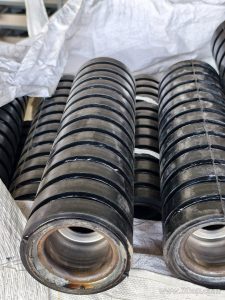
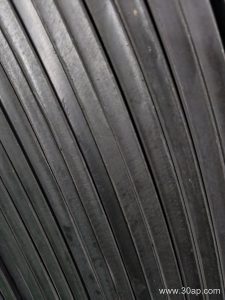
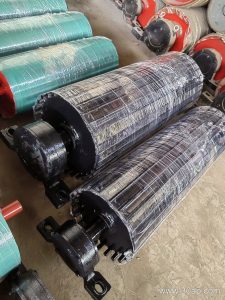
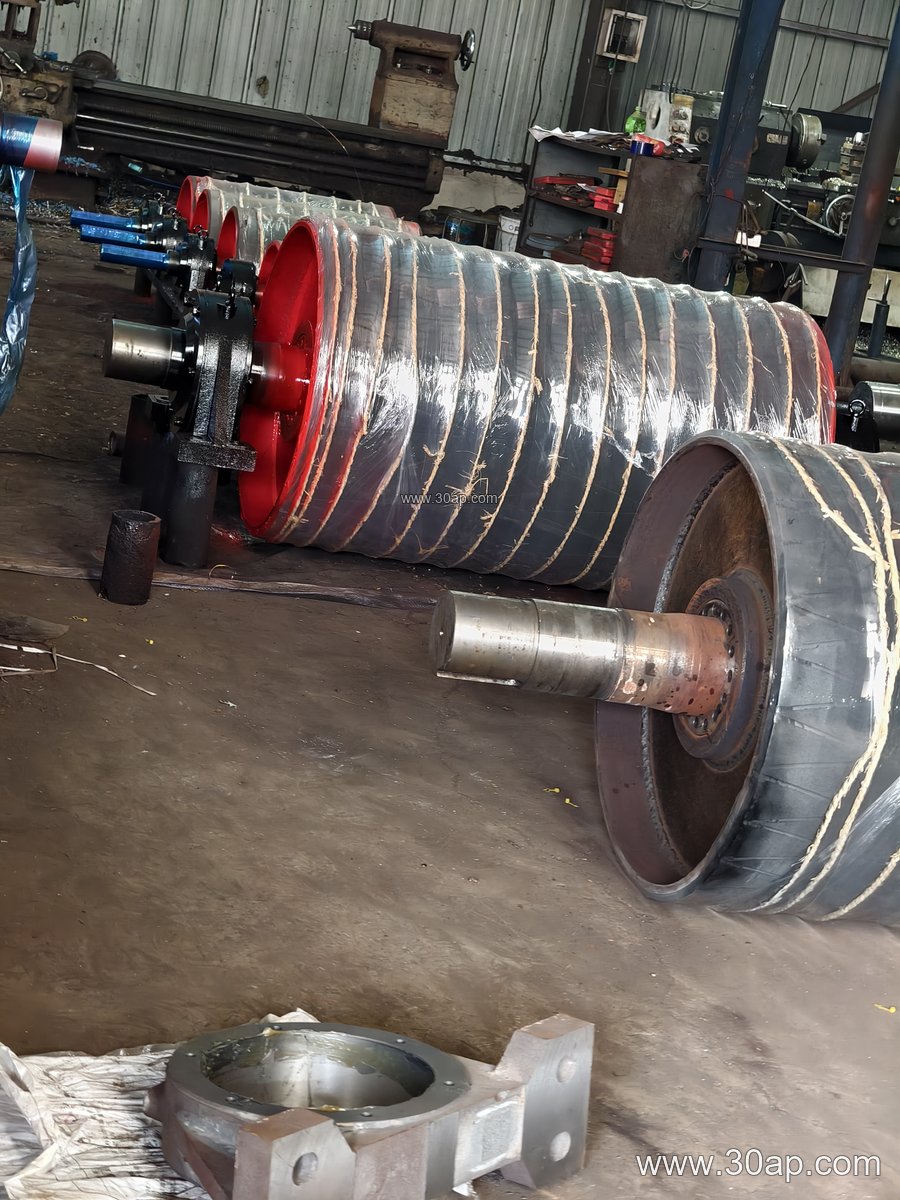
Pulley lagging is the rubber or ceramic layer bonded to the drum face of a conveyor pulley to increase friction between the drum and the conveyor belt. Without it, a bare steel shell on a drive pulley will slip long before the belt reaches its full tension capacity, especially in wet or dusty conditions. Lagging also protects the pulley shell from abrasion, reduces material build-up on the face, and can extend the service life of the drum itself.
In a quarry or a coal handling plant, a conveyor pulley is often buried under dust and fines, with water from wash-down or rain adding to the problem. A properly lagged drive pulley keeps the belt moving under those conditions, while a tail pulley may use a thinner lagging simply to resist wear and keep the face clean.
How the Lagging Is Built
Most lagging starts as a rubber sheet, either plain or patterned, bonded to the pulley shell. The three common attachment methods are:
- Hot vulcanized rubber — cured onto the shell under heat and pressure, giving a strong, seamless bond for heavy drives.
- Cold bonded rubber — applied with adhesive at ambient temperature, convenient for field work or smaller pulleys.
- Cast or sprayed lagging — poured or sprayed onto the shell, useful for complex surfaces.
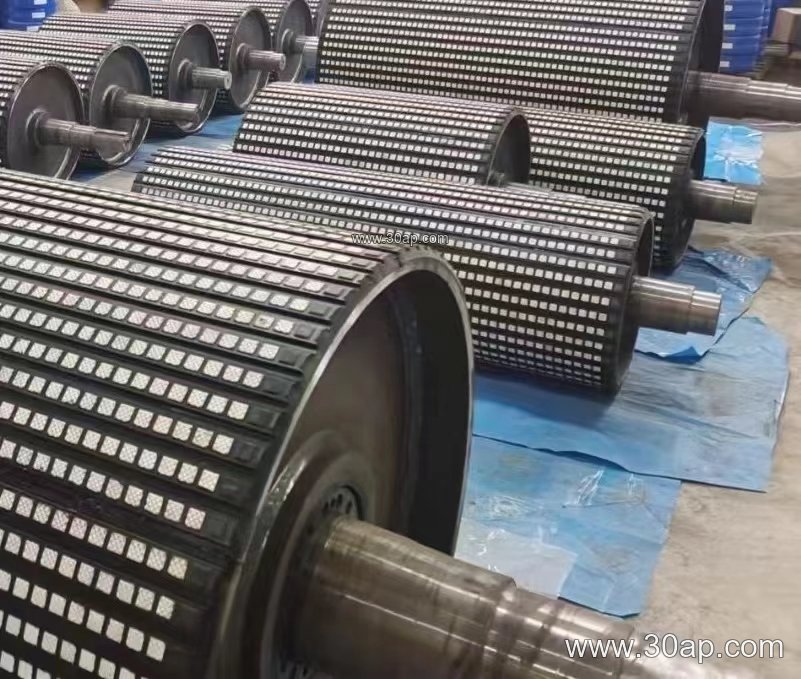
Ceramic tiles embedded in a rubber matrix are used where grip is critical and the environment is wet or oily. The tiles protrude slightly, so water squeezes out from under the belt as it passes over the drum.
Surface Forms and Where They Fit
Surface pattern matters as much as thickness. Plain rubber is common on tail and bend pulleys, where the aim is wear protection rather than traction. Diamond and herringbone patterns channel water away and improve grip on drive pulleys. Ceramic is usually reserved for the drive drum on wet, high-torque conveyors.
Common lagging thicknesses are 8, 10, 12, 15 and 20 mm, with thicker layers used on larger drums and higher-tension drives. Thickness should be matched to the pulley diameter and the load, not chosen by habit.
Matching Lagging to Pulley Size
The drum face usually runs wider than the conveyor belt. Reference combinations often quoted include B800 × Ø500, B1200 × Ø1000 and B1400 × Ø800, but these are examples, not fixed rules. A given belt width can work with more than one pulley diameter.
The table below shows typical shell widths against belt widths for reference only.
- B400 belt — face about 500 mm
- B650 belt — face about 750 mm
- B1000 belt — face about 1150 mm
- B1400 belt — face about 1600 mm
- B1800 belt — face about 2000 mm
Shaft diameter is set by torque and radial load, not by belt width. Common shaft sizes run from Ø50 up to Ø200 mm on large drums, and the final figure must come from the pulley design calculation.
Drive, Tail and Bend Pulleys Are Not the Same
A drive pulley needs lagging with high friction and good wear resistance, because it transmits the belt tension. A tail pulley mostly needs protection from abrasive material and a face that sheds build-up. A bend pulley, which only changes belt direction, may use plain rubber or even a bare shell if tension is low.
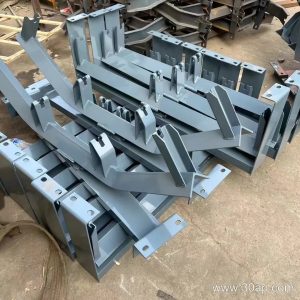
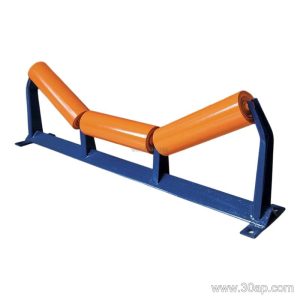
This is why a buyer should not ask for one lagging spec across every drum on the conveyor. The drive drum, the tail drum and any bend pulley each have a different job, and the lagging should reflect that. The conveyor bracket and idler roller layout also affect how much wrap the belt has on each drum, which in turn affects how much grip is needed.
What Buyers Should Check
- Confirm the pulley type and position — drive, tail, bend, take-up or snub.
- State the belt width, pulley diameter and shaft size, plus the expected belt tension.
- Choose the surface pattern for the environment: dry, wet, dusty or oily.
- Ask about the bonding method and whether field application is acceptable.
- Check that the lagging thickness suits the drum and does not interfere with belt tracking.
- Plan inspection: worn or glazed lagging reduces grip and should be replaced before slip damages the belt.
In a cement plant, a power station coal yard or a sand and gravel line, lagging is a small part of the conveyor cost but a large part of its reliability. Getting the surface form, thickness and bonding method right for each drum is what keeps the belt running true.