What an Endless Conveyor Belt Is
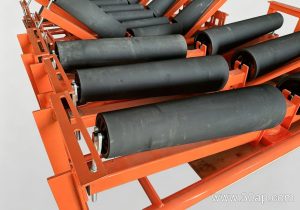
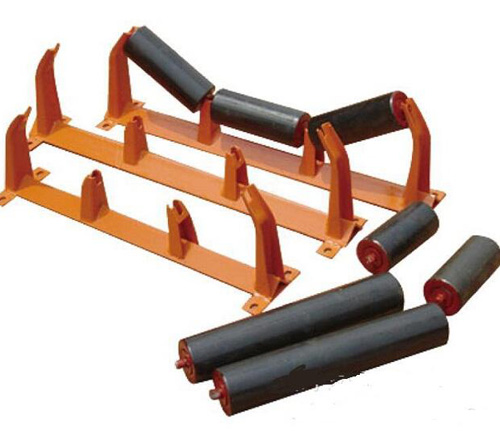
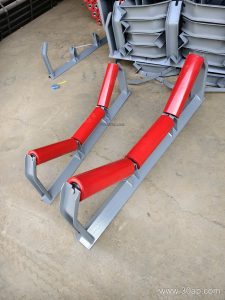
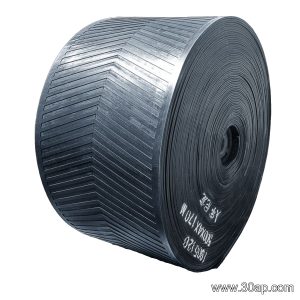
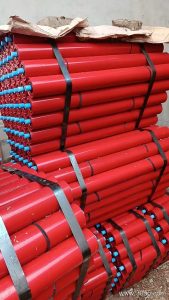
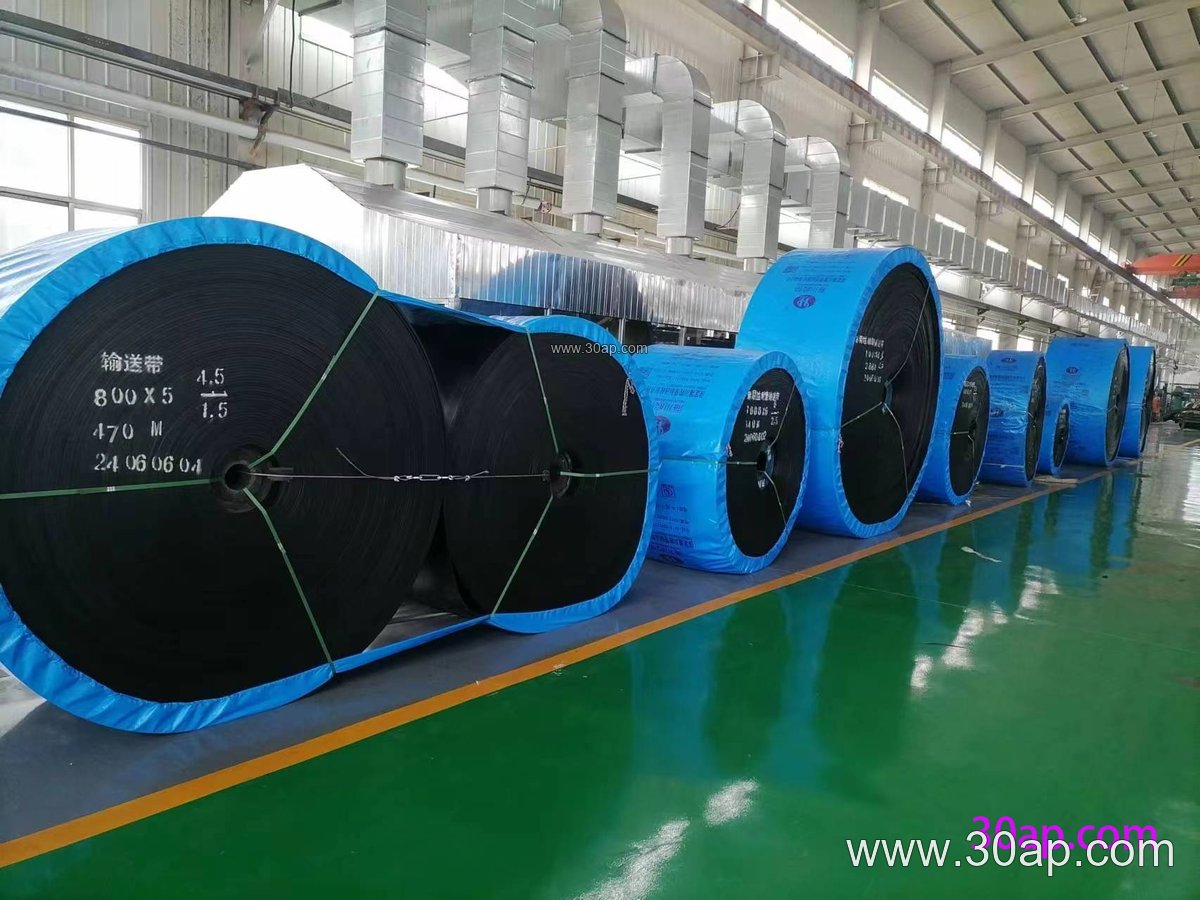
An endless conveyor belt is a closed loop of belting made by joining the ends permanently during manufacture, so the finished belt has no visible splice to open and re-close in the field. Instead of a mechanical fastener, the carcass plies and cover are vulcanized or otherwise bonded into one continuous band. That closed form is why the product is often called a seamless or spliced-in-plant belt, and it is the same article under either name. The loop runs over a drive pulley, a tail pulley and bend pulleys that redirect its path, with idler rollers supporting the carrying run and conveyor brackets holding the frame together.
The endless construction matters most where reliability and cleanliness count. A joined loop avoids the periodic inspection and re-tensioning that open-ended belting needs at a mechanical joint, and it presents a smooth carrying surface for the full circuit.
How the Loop Is Built
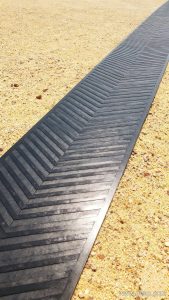
Manufacturers build the carcass first, then close it. The main structural choices are the fabric or steel reinforcement and the rubber covers. Common carcass types include EP (polyester-cotton) belting, NN nylon belting, steel cord belting, and PVC or PVG belts for lighter or fire-conscious duties. Cover compounds can be selected for abrasion resistance, heat, oil, flame spread, antistatic behavior, cold, or acid and alkali exposure. Surface forms such as plain, patterned, chevron and corrugated sidewall are available when grip or material containment is needed.
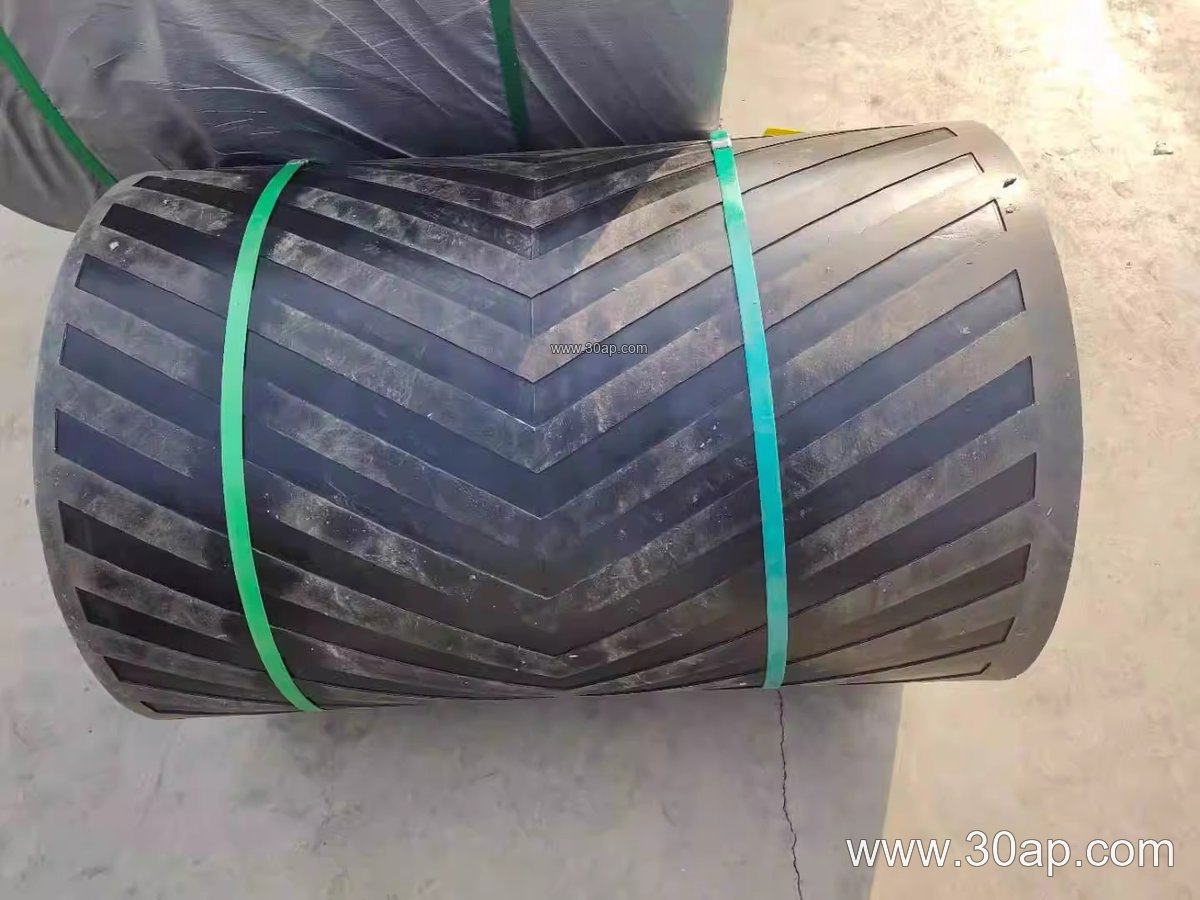
The closed loop is produced to a specified developed length, so the belt fits the pulley centers and take-up travel of a particular conveyor. That makes an endless belt a made-to-order item rather than a cut-to-length roll.
Reference Specifications
The figures below are typical reference points for discussion with a supplier. Actual values are set by the conveyor design, and different manufacturers work to different ranges.
Strength Grades
- EP200, EP315, EP400, EP500
- EP630, EP800, EP1000
- EP1250, EP1600, EP2000
Common Belt Widths
- B500, B650, B800
- B1000, B1200, B1400
- B1600, B1800, B2000
Cover Thickness and Ply Count
| Item | Common Range |
|---|---|
| Top + bottom cover | 3+1.5, 4+2, 5+2, 6+2, 8+3 mm |
| Fabric plies | 2 to 6 layers |
Belt width and pulley diameter are matched by calculation, not by a fixed rule. A given width can serve more than one pulley size depending on tension, carcass stiffness and wrap angle, so the shaft and pulley dimensions should come from the conveyor designer rather than from the belt width alone.
Where It Fits in the Plant
Closed-loop belting suits long, steady haulage duty. In mining and coal preparation it carries run-of-mine material and washed product; in cement plants it moves clinker, limestone and additives; power stations use it for coal and ash handling; sand and gravel pits rely on it for aggregate transfer between screens and stockpiles. It also appears in ports, steel mills and bulk fertilizer handling. In these settings the belt works alongside conveyor pulleys, idler rollers and support brackets, and the whole circuit is only as good as its weakest component.
When a plant needs frequent shortening or field repair, an open-ended belt joined on site may be more practical. That is a different way of closing a belt, not a substitute for the endless product, and the choice follows maintenance policy and downtime tolerance.
What Buyers Should Confirm
- Developed length and pulley centers so the loop fits the take-up range.
- Carcass grade and ply count matched to the duty tension and impact load.
- Cover compound and thickness chosen for the material being carried and the environment.
- Surface form only where incline or spillage control requires it.
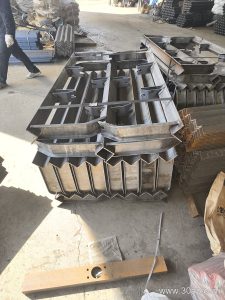
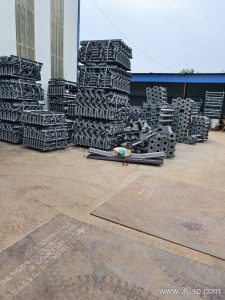
- Pulley and idler interface including drum lagging, roller spacing and bracket geometry.
- Handling plan for installing a closed loop, which usually means a temporary frame opening or a crane lift.
Ask for the belt’s build data in writing, keep spare idler rollers and pulleys at hand, and inspect the loop for edge wear and cover damage on a regular schedule. A well-specified endless belt, supported by sound pulleys and rollers, keeps bulk material moving with fewer stops for joint work.