What Is a Vertical Idler Bracket?
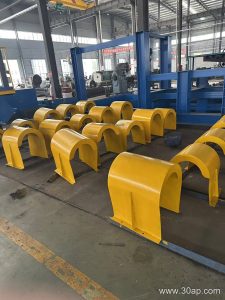
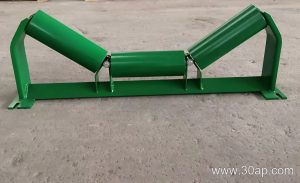
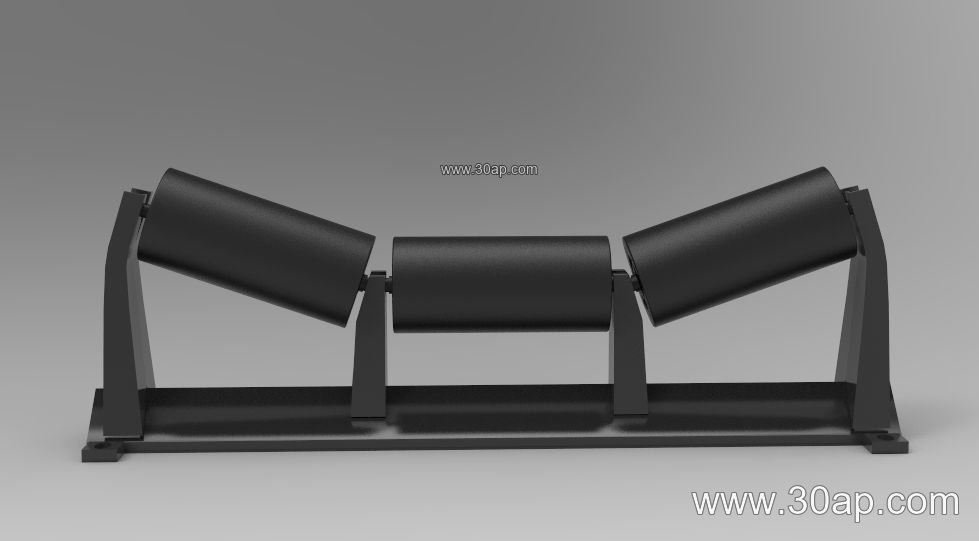
A vertical idler bracket is a support component used to hold idler rollers in a vertical or near-vertical orientation on a conveyor. Unlike the more common troughing brackets that set rollers at an angle to form a trough, this bracket positions the idler upright, often as part of a specialized roller arrangement. In practice, the term is sometimes applied to brackets that mount idlers in a vertical plane, such as those used in transition zones or at points where the belt path changes. The bracket works with the conveyor belt and the idler roller to maintain proper belt support and alignment.
Construction and Materials
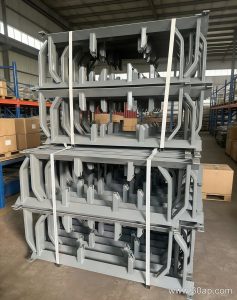
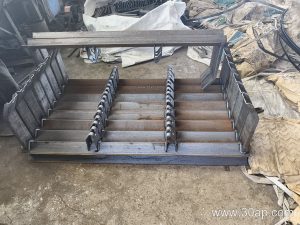
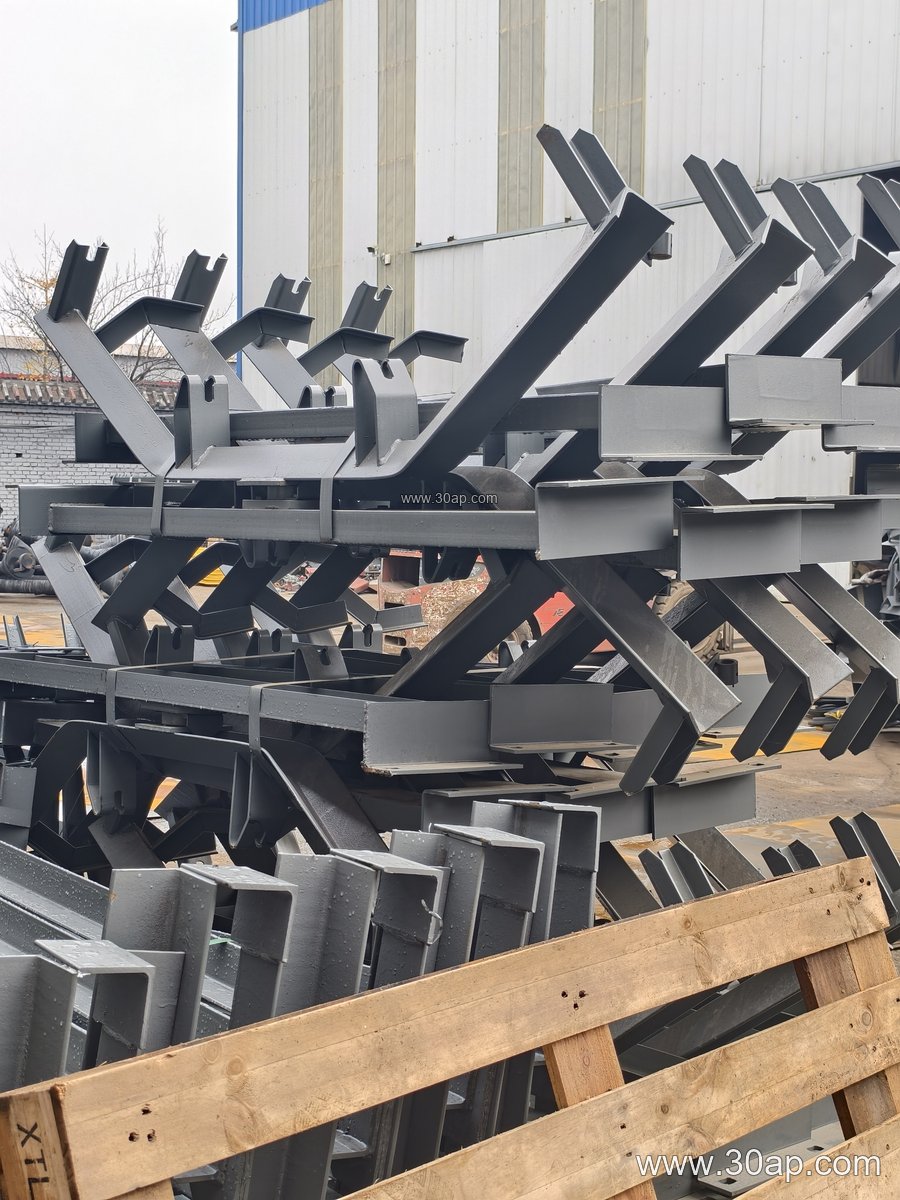
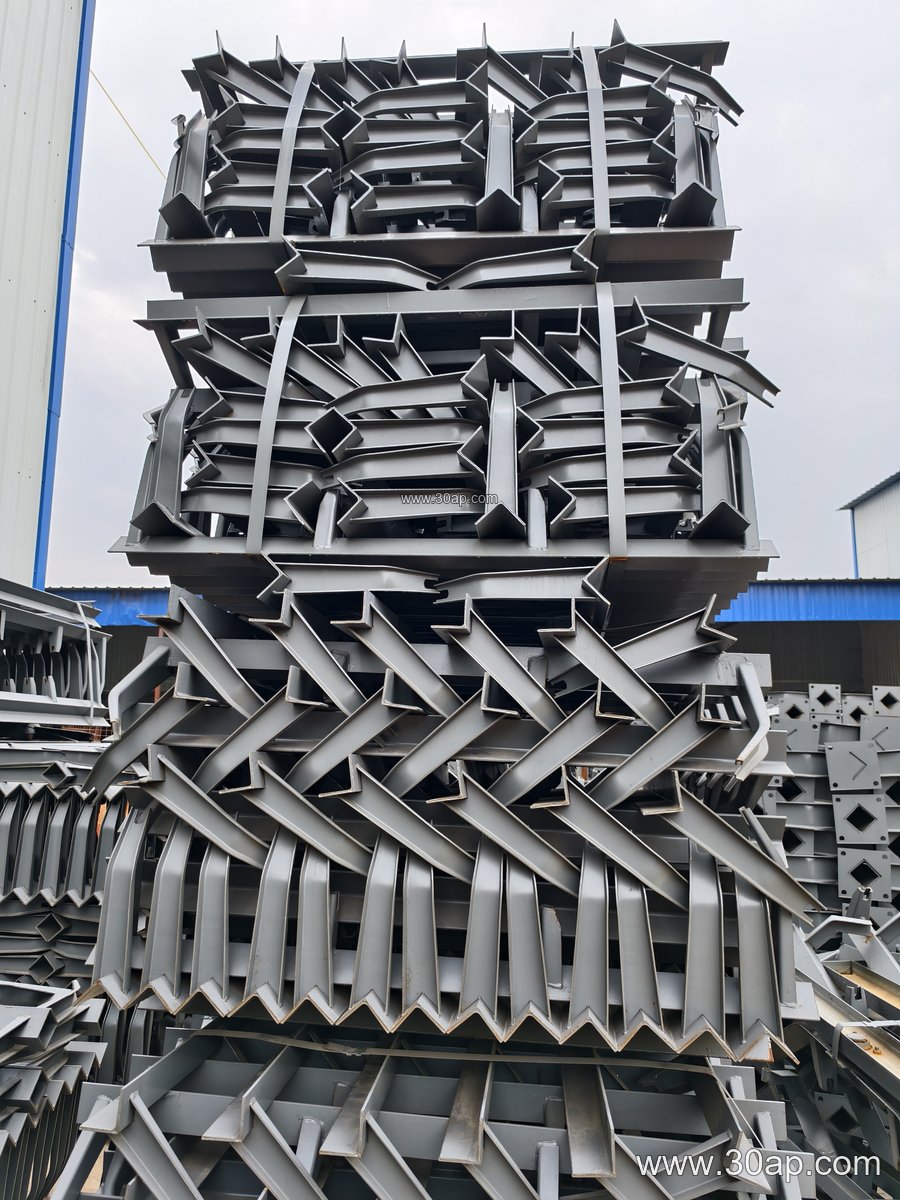
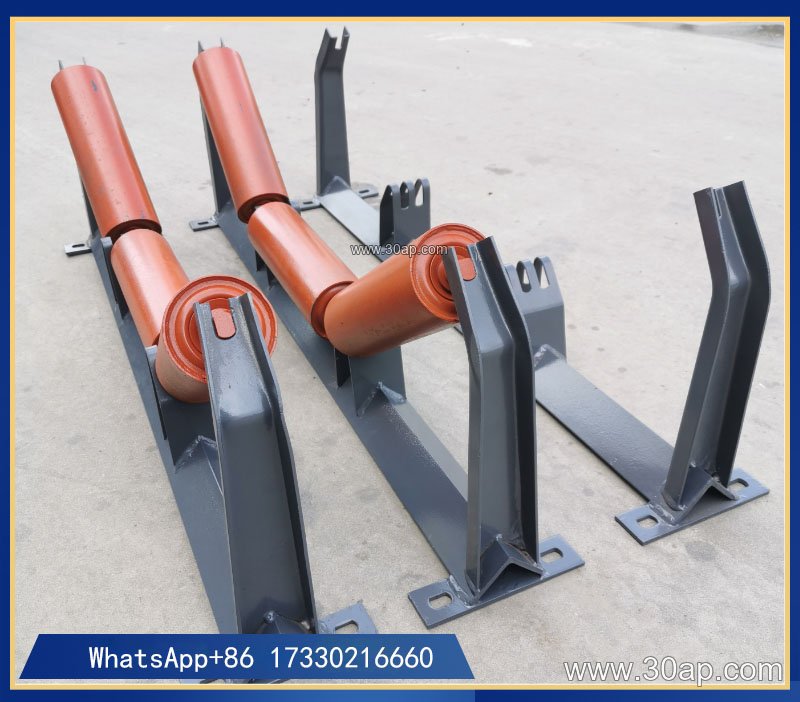
These brackets are typically fabricated from structural steel. Common materials include angle steel, channel steel, and bent steel plate. The choice depends on the load and the environment. For example, in a coal mine or cement plant where dust and moisture are present, a heavier channel steel bracket may be preferred for rigidity. The bracket usually features mounting holes or slots for attaching the idler shaft and for bolting to the conveyor frame. Adjustable versions may include slotted holes to fine-tune the roller position.
Where It Is Used
Vertical idler brackets appear in a range of bulk material handling operations. They are often found at transfer points, in transition sections between pulleys and troughing idlers, and where the belt needs to be guided or supported in a vertical orientation. Industries such as mining, coal preparation, cement production, power plant coal handling, and aggregate plants use these brackets to stabilize the belt and reduce spillage. For instance, in a limestone quarry, a vertical bracket might support an idler at a belt transition to prevent material from bouncing off. In a coal-fired power station, it can help keep the belt centered as it leaves a conveyor pulley.
Key Parameters and Selection
When specifying a vertical idler bracket, several parameters matter. The bracket must match the belt width and the idler roller diameter. Common belt widths include B500, B650, B800, B1000, B1200, B1400, B1600, B1800, B2000, B2200. Idler diameters often range from Ø89 to Ø194, with Ø108 and Ø133 being frequent choices. The bracket design also depends on the trough angle if it is part of a troughing set, though vertical brackets are typically used outside the trough. Adjustable brackets may allow changes between 20, 30, 35, and 45 degrees, but the vertical position itself is usually fixed or set by the frame.
Mounting hole spacing and crossbeam length are not fixed; they vary with belt width and bracket type. Buyers should confirm the shaft diameter of the idler roller, as it must fit the bracket’s mounting slot. The bracket’s load capacity should suit the belt tension and material weight. Environmental factors like corrosion or abrasion may call for galvanized or painted finishes.
Common Reference Data
The table below lists typical bracket material and size combinations. These are reference values, not universal specifications; actual selection depends on the conveyor design.
| Bracket Material | Common Belt Width (B) | Typical Idler Diameter | Notes |
|---|---|---|---|
| Angle steel | B500, B650, B800 | Ø89, Ø108 | Light to medium duty |
| Channel steel | B800, B1000, B1200 | Ø108, Ø133 | Medium to heavy duty |
| Bent steel plate | B1200, B1400, B1600 | Ø133, Ø159 | Custom shapes possible |
Buyer’s Checklist
- Verify the belt width and idler roller diameter to ensure compatibility.
- Check the mounting hole pattern against the conveyor frame and idler shaft.
- Consider the environment: dusty, wet, or corrosive conditions may require specific finishes or materials.
- Decide between fixed and adjustable brackets based on whether alignment adjustments are needed.
- Confirm that the bracket’s load rating suits the conveyor’s tension and material load.
Vertical idler brackets are a small but important part of a conveyor system. Selecting the right one helps maintain belt tracking, reduce wear, and keep material moving efficiently in demanding industries like mining, cement, and power generation.