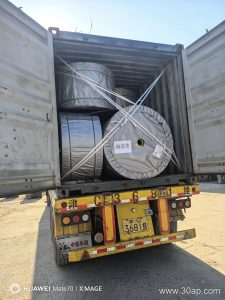
What the PVG800S Conveyor Belt Is
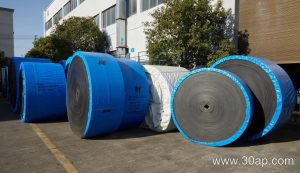
The PVG800S conveyor belt is a solid-woven, PVC-impregnated flame-retardant belt built for underground coal haulage and other demanding bulk material transport. In the PVG family, the number 800 refers to the longitudinal tensile strength class, and the S suffix marks a grade intended for service conditions where fire resistance, antistatic behaviour and mechanical toughness all matter. Buyers will also meet the same product under the equivalent name PVG 800S flame-retardant conveyor belt, and the two designations describe one and the same belt construction.
Unlike steel-cord belting, this is a fabric-reinforced belt. Its core is a solid woven carcass, fully impregnated with polyvinyl chloride, which gives the belt a compact, monolithic cross-section without separate cover layers that can delaminate. That construction is why PVG belting is often chosen in coal mines and tunnels, where a robust, flame-resistant belt with good troughability is required.
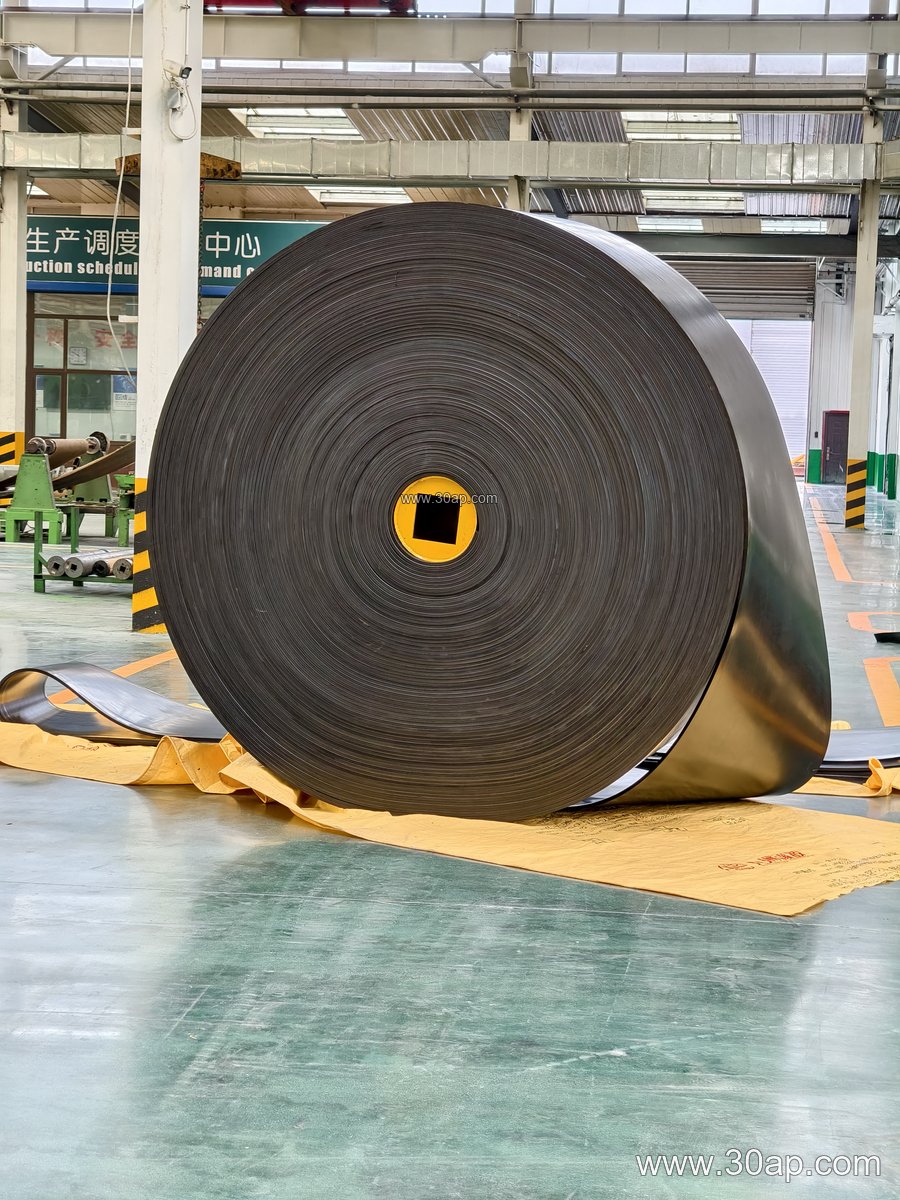
Construction and Material Details
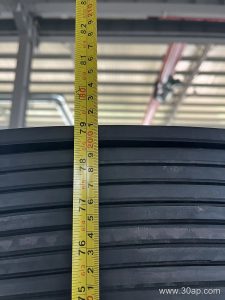
The carcass consists of multiple woven fabric plies consolidated into a single body. PVC paste fills the interstices and bonds the plies, so the belt behaves as one homogeneous slab rather than a stack of layers. Surface covers are usually PVC based, and the belt can be supplied with different cover thicknesses to suit abrasion and impact conditions.
- Solid woven carcass with PVC impregnation
- Flame-retardant and antistatic formulations available
- Cover grades for abrasion, oil resistance or cold service on request
- Cut edges or moulded edges depending on the manufacturer
Because the whole body carries tension, the belt tolerates small punctures and edge damage better than some laminated structures. It also resists moisture ingress, which is useful in wet mines and washing plants.
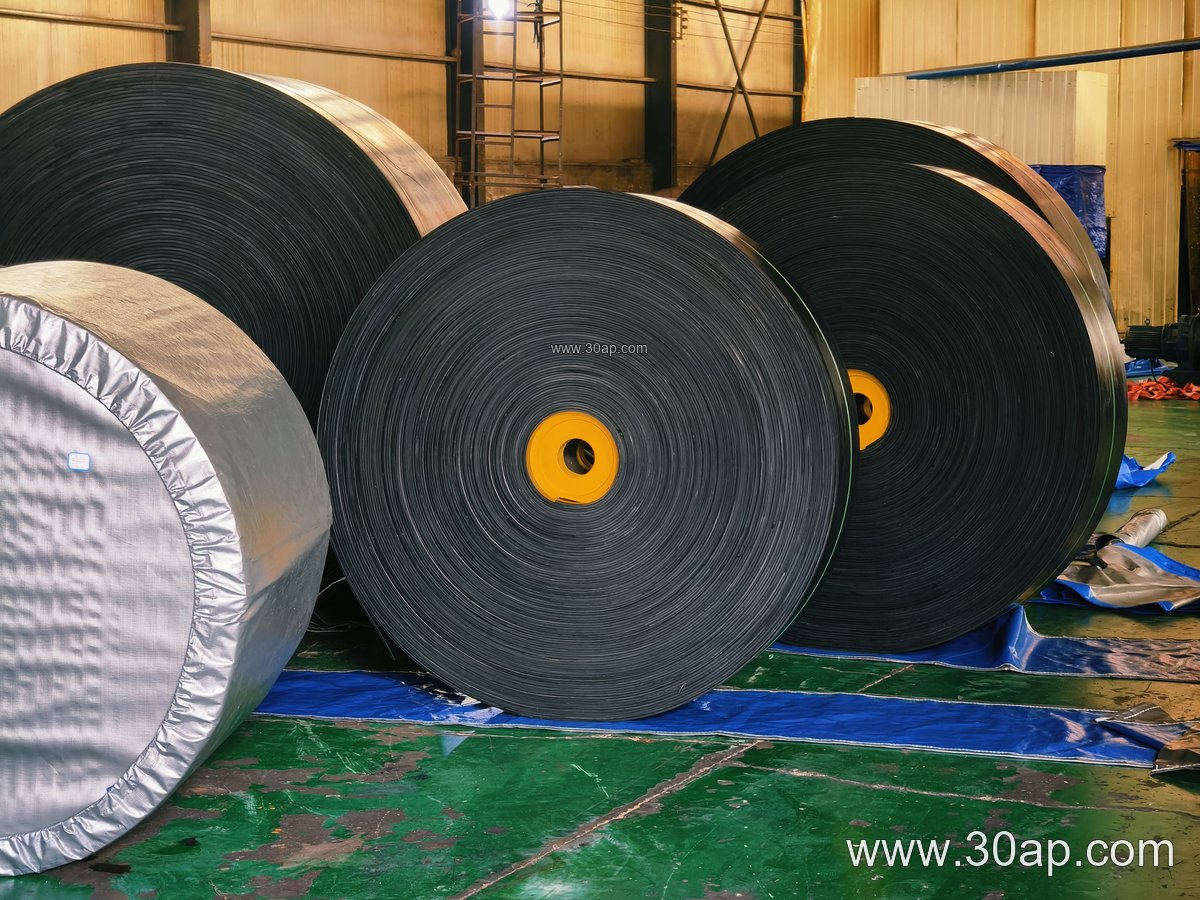
Typical Service Conditions
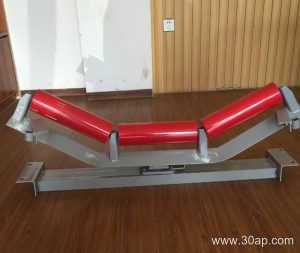
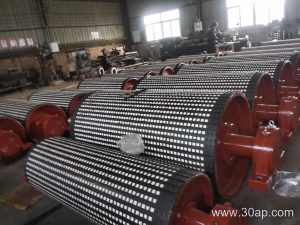
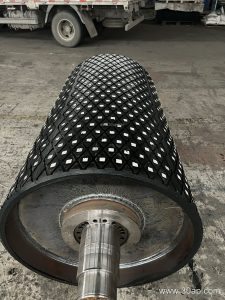
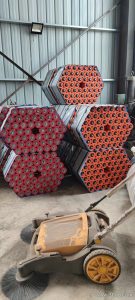
This belt is at home in underground coal conveying, drift and incline haulage, and surface bulk handling where flame resistance is specified. It also appears in cement plants, power stations, sand and gravel yards, and port transfer systems handling moderately abrasive material. In these circuits the belt runs over conveyor idler rollers arranged in troughing sets, wraps around the drive pulley and tail pulley, and is supported at transfer points by conveyor brackets and frames.
Typical handled materials include coal, coke, limestone, clinker, sand, gravel and fertiliser. The belt generally suits lump sizes and impact energies within the range the carcass can absorb, so transfer chute design and impact idler spacing deserve attention during layout.
Reference Data and Size Range
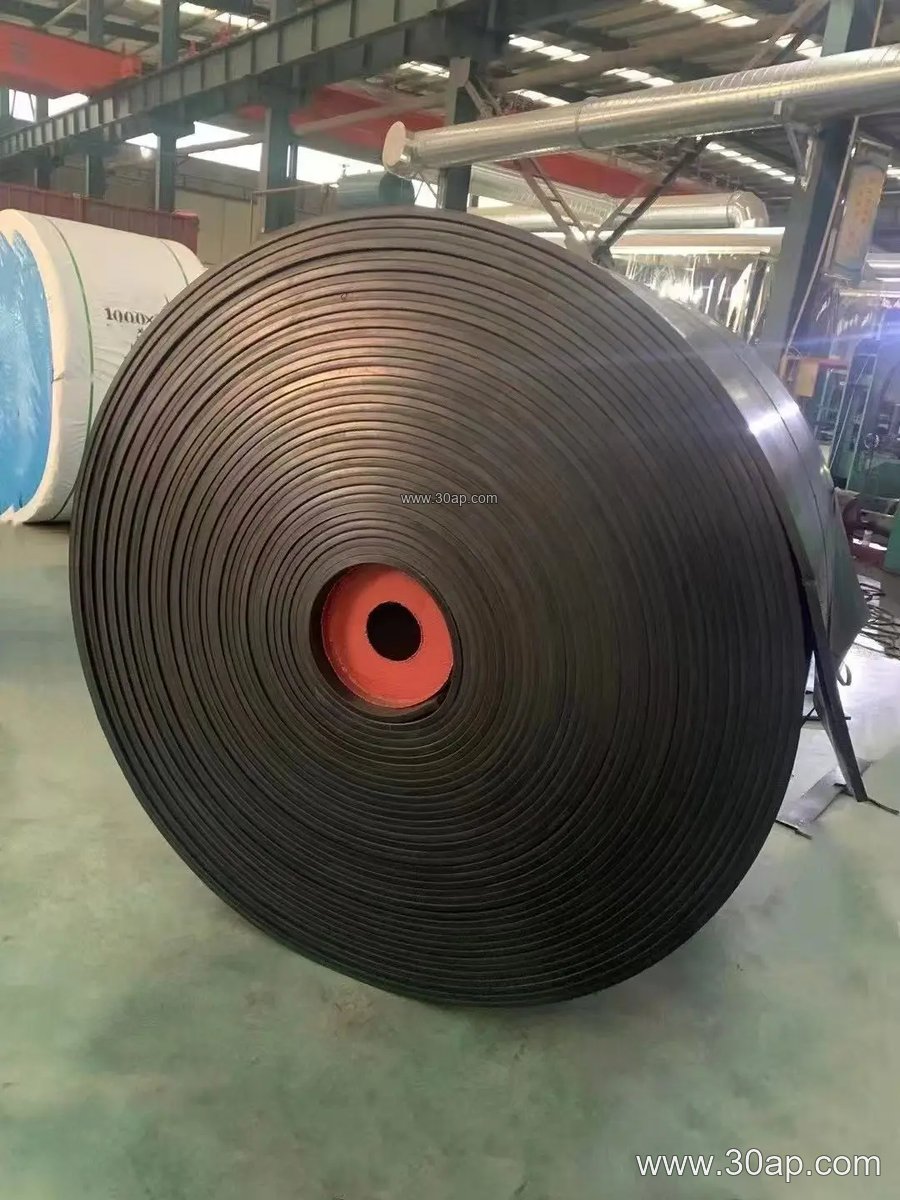
The figures below are common reference values, not a fixed supply promise. Actual belt construction, cover thickness and mass per square metre should be confirmed with the manufacturer for each project.
| Parameter | Typical reference values |
|---|---|
| Strength class | PVG 800S (800 N/mm longitudinal) |
| Belt width | B650, B800, B1000, B1200, B1400, B1600 |
| Cover thickness | 3+1.5 mm, 4+2 mm, 5+2 mm, 6+2 mm |
| Carcass | Solid woven, PVC impregnated |
| Properties | Flame retardant, antistatic, moisture resistant |
Width selection follows the required capacity, material lump size and troughing angle, not a single fixed rule. A B800 belt and a B1000 belt may both be plausible on the same conveyor layout, and the pulley diameters are set by the conveyor designer from belt tension and carcass flexibility rather than from width alone.
Selection and Use Notes
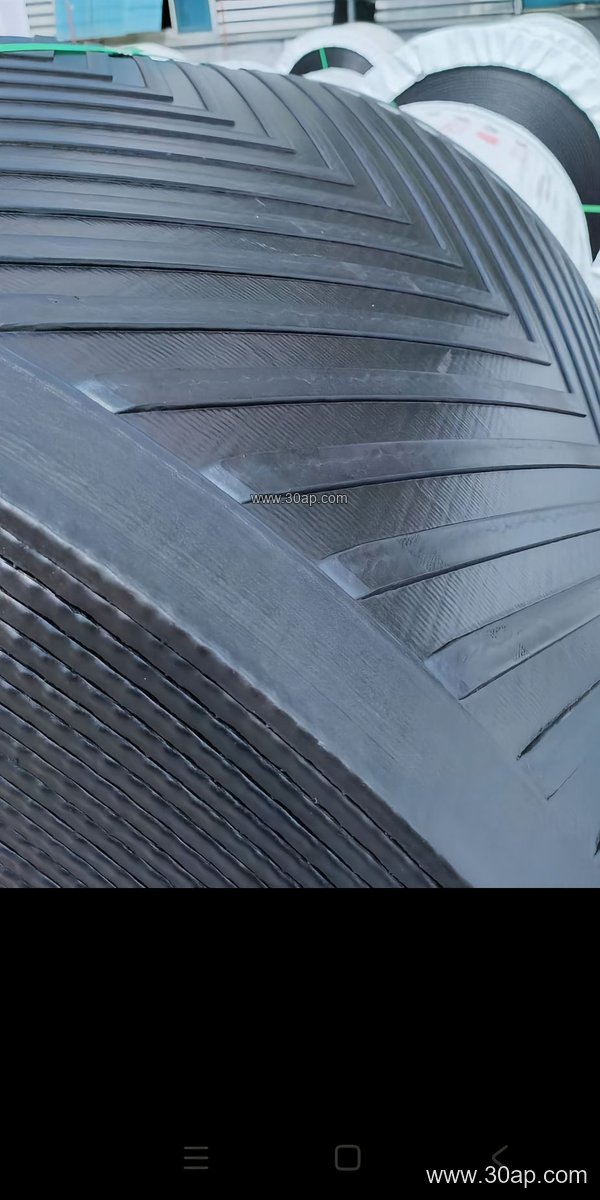
When specifying the PVG800S conveyor belt, confirm the actual tensile demand from the conveyor calculation, then check the flame-retardant and antistatic requirements of the site. Cover grade should match the abrasion and oil exposure of the material. For steep inclines, a patterned or chevron version of the same PVG family can be considered, but that is a different surface form and should be evaluated on its own merits.
During installation, align the drive pulley, tail pulley and bend pulleys carefully, keep idler roller frames square, and allow the belt to run straight before loading. Store rolls under cover, avoid sharp folds, and inspect splice quality regularly. A well-matched belt, pulley and idler roller set reduces edge wear and extends service life in mine and plant duty.
For any project, request the manufacturer’s datasheet for the exact PVG 800S construction, including cover thickness, mass, minimum pulley diameter and splice method, so the belt integrates correctly with the conveyor pulley and idler roller arrangement.