What Is a Belt Tracking Idler?
A belt tracking idler is a specialized conveyor component designed to keep the conveyor belt centered on its path. Unlike standard carrying or return idlers, this idler actively corrects belt misalignment through its geometry or mounting. In industries such as mining, coal preparation, cement plants, and power generation, belt mistracking can cause spillage, edge damage, and downtime. The tracking idler addresses this by guiding the belt back to the correct line.
How It Works and How It Is Built
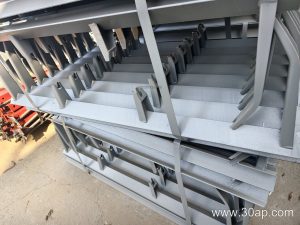
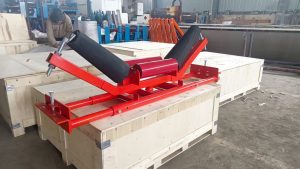
Most belt tracking idlers are self-aligning: they pivot on a vertical axis or use angled rollers to generate a corrective force when the belt drifts. Common designs include friction tracking idlers, which rely on contact with the belt edge, and conical tracking idlers that use tapered rollers to create a differential speed. The idler typically consists of a sturdy steel frame, idler rollers with sealed bearings, and a pivot mechanism. Roller surfaces may be steel, nylon, or rubber-covered depending on the environment.
Key structural elements:
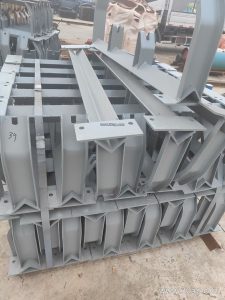
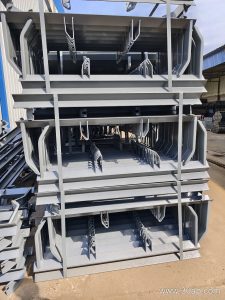
- Frame: Usually made from welded steel, designed to withstand heavy loads and harsh conditions.
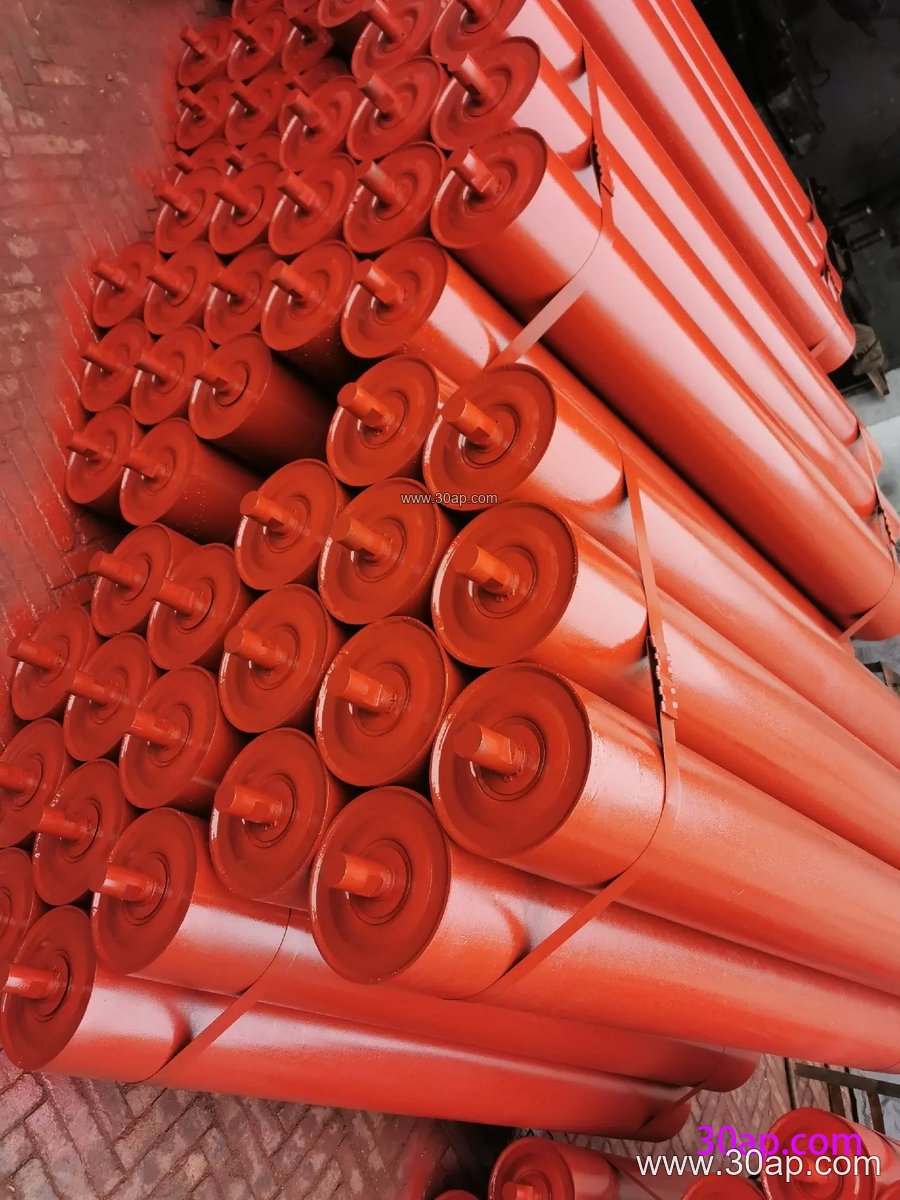
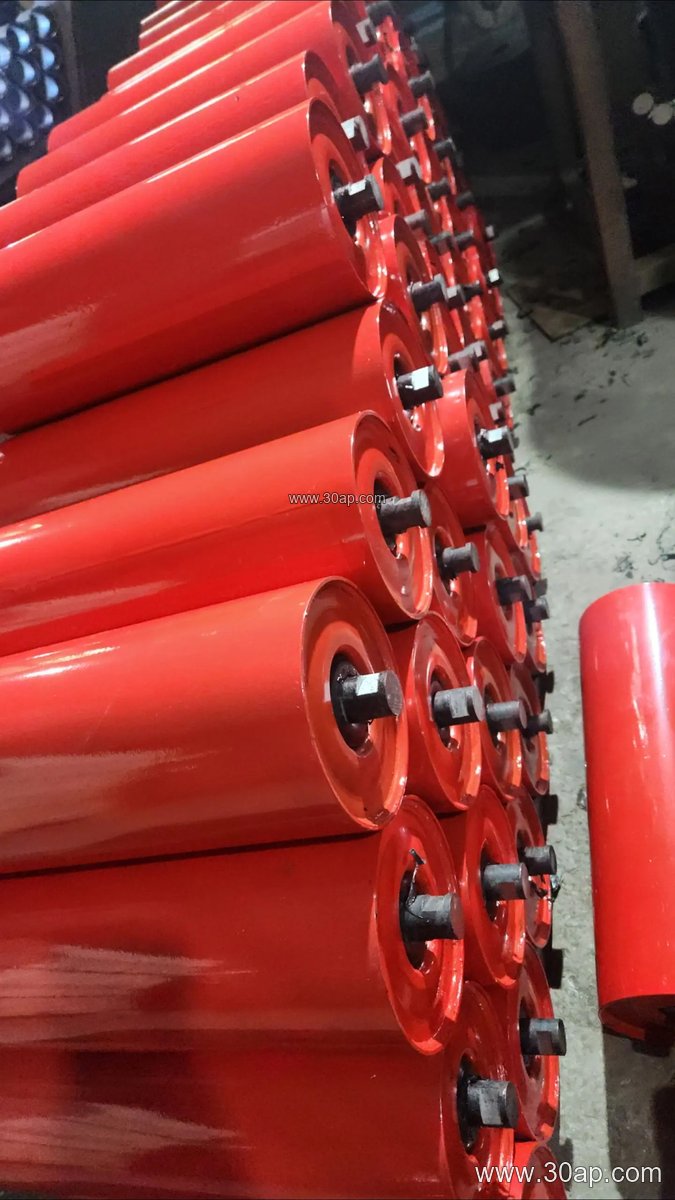
- Rollers: Can be cylindrical or tapered; common diameters include Ø89, Ø108, Ø133, and Ø159 mm.
- Bearings: Often 6205, 6305, or 6306 sealed bearings for long service life.
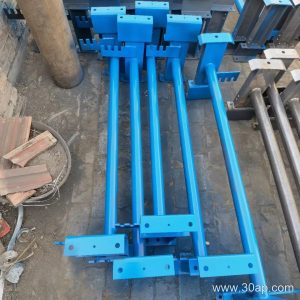
- Pivot: Allows the idler to rotate and realign the belt.
Where It Is Used
Belt tracking idlers are installed at critical points along a conveyor: after the drive pulley, before the tail pulley, and on long horizontal runs. In a quarry or sand and gravel line, they prevent belt wander caused by off-center loading. In coal handling plants, they help maintain alignment through transfer points. The idler is also common in tunnel excavation conveyors and fertilizer plants where material consistency varies.
Key Specifications to Consider
When selecting a belt tracking idler, engineers consider belt width, roller diameter, and mounting arrangement. The table below shows common examples; actual dimensions are determined by the conveyor design.
| Parameter | Common Options / Examples |
|---|---|
| Belt width (B) | B500, B650, B800, B1000, B1200, B1400, B1600, B1800, B2000 |
| Roller diameter | Ø63, Ø76, Ø89, Ø102, Ø108, Ø127, Ø133, Ø159, Ø178, Ø194, Ø219 mm |
| Roller length (for three-roll troughing set) | Approx. 200 mm for B500, 250 mm for B650, 315 mm for B800, 380 mm for B1000, 465 mm for B1200, 530 mm for B1400, 600 mm for B1600, 670 mm for B1800, 750 mm for B2000 |
| Bearing types | 6204, 6205, 6305, 6306, 6308, 6310 |
| Trough angle | 20°, 30°, 35°, 45° (for related troughing idlers) |
Note that roller length varies with belt width, trough angle, and idler arrangement. The values above are common examples, not fixed pairings. A belt tracking idler may be supplied as a single unit or as part of a tracking station with multiple rollers.
Buyer’s Checklist
- Application environment: Abrasive, wet, or dusty conditions influence the choice of roller surface and sealing.
- Belt speed and load: Ensure the idler’s dynamic load rating matches the conveyor duty.
- Mounting compatibility: Check that the idler frame fits existing conveyor brackets and stringers.
- Maintenance access: Self-aligning idlers should be easy to inspect and lubricate if required.
- Related components: Consider interaction with conveyor pulleys (drive, tail, bend) and transition idlers for smooth belt travel.
For reliable belt alignment, the tracking idler should be part of a well-designed conveyor system. Regular inspection of the belt, idler roller, and conveyor bracket helps maintain performance. In a cement plant or steel mill, a properly selected tracking idler reduces edge wear and extends belt life.
Installation and Maintenance Tips
Install tracking idlers perpendicular to the belt centerline and ensure the pivot moves freely. After installation, run the conveyor and observe belt tracking; adjust the idler’s position or angle as needed. Keep rollers clean and check bearings for noise or play. In dusty environments like a coal yard, sealed bearings and rubber-covered rollers can reduce buildup.
Remember that drive pulleys, tail pulleys, and bend pulleys serve different functions and are not interchangeable with tracking idlers. Similarly, a belt tracking idler is distinct from a training idler used on the return side, though both aim to correct misalignment.
Summary
A belt tracking idler is a practical solution for conveyor belt alignment in mining, quarrying, and bulk material handling. By understanding its construction, typical sizes, and application factors, buyers can specify the right unit for their conveyor. Always consult application data and avoid assuming fixed size relationships; proper engineering ensures optimal tracking performance.