What a Mining Conveyor Bracket Does
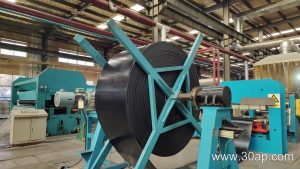
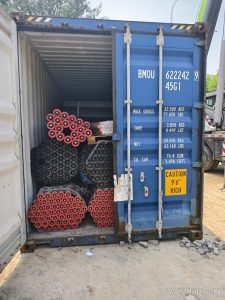
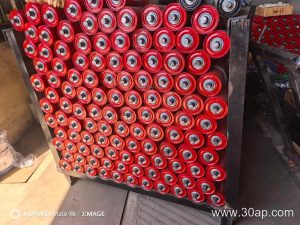
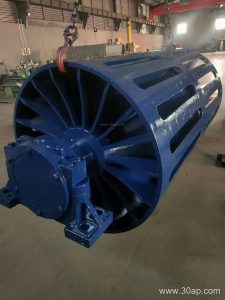
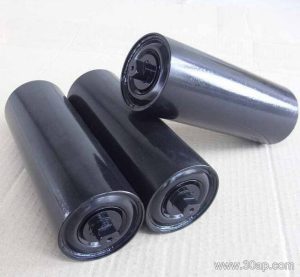
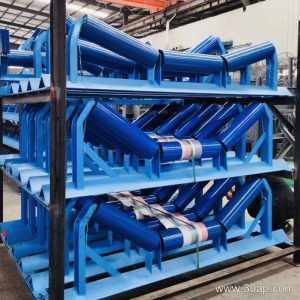
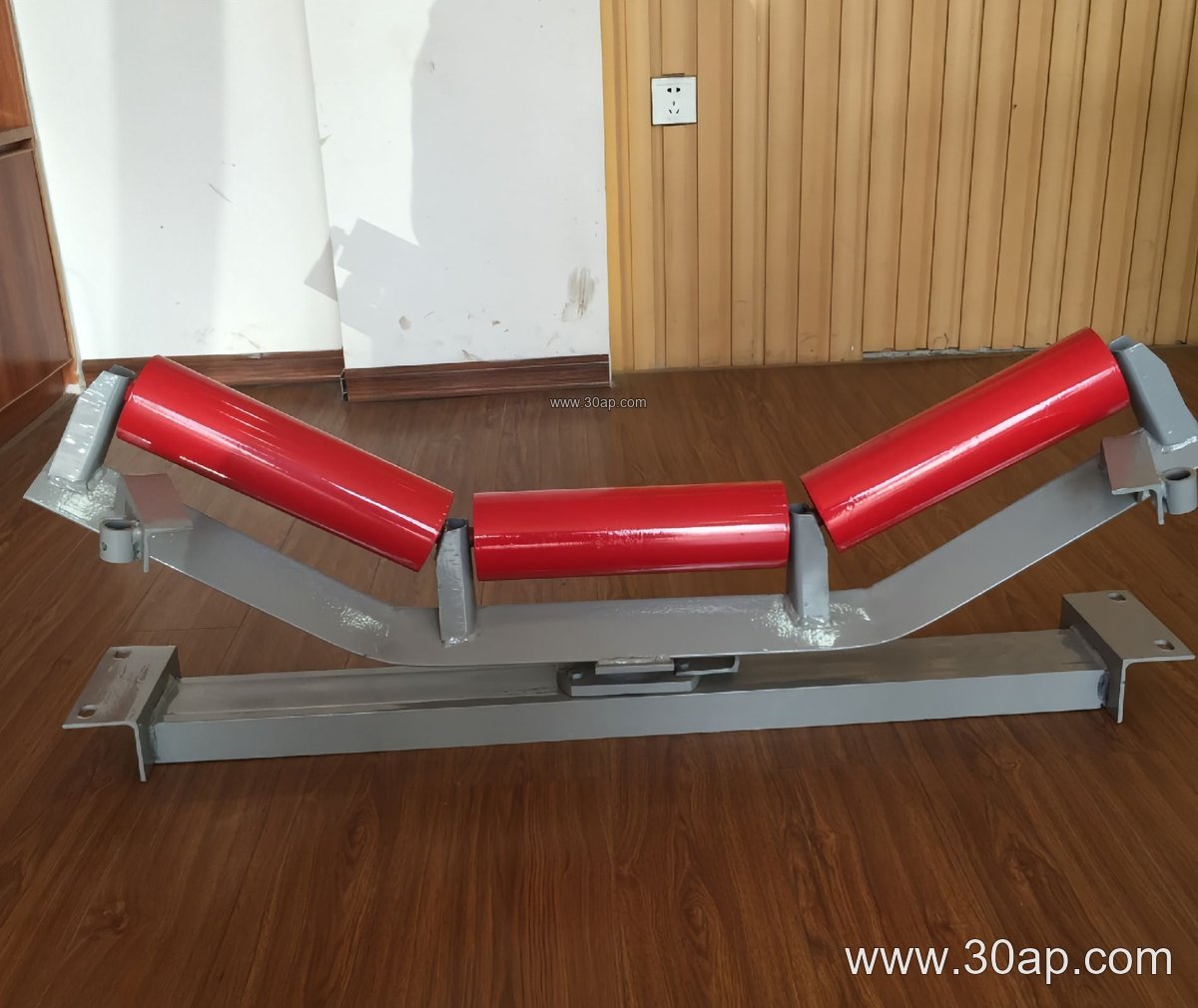
A mining conveyor bracket is the structural support that holds idler rollers in the correct position along a conveyor belt. In quarry, limestone, and iron ore operations, these brackets keep the belt profile stable under heavy loads and abrasive material. The bracket itself is a fabricated steel assembly, usually made from angle, channel, or folded plate, and it is bolted to the conveyor stringer or frame. While a conveyor pulley drives or redirects the belt, the bracket’s job is to maintain proper roller spacing and trough shape.
The bracket is not a wear part in the same sense as a roller, but it must resist vibration, shock loading, and corrosion. A poorly aligned bracket accelerates belt edge wear and can cause material spillage.
Common Types and Their Roles
Brackets are classified by their position and function on the conveyor. The main types include:
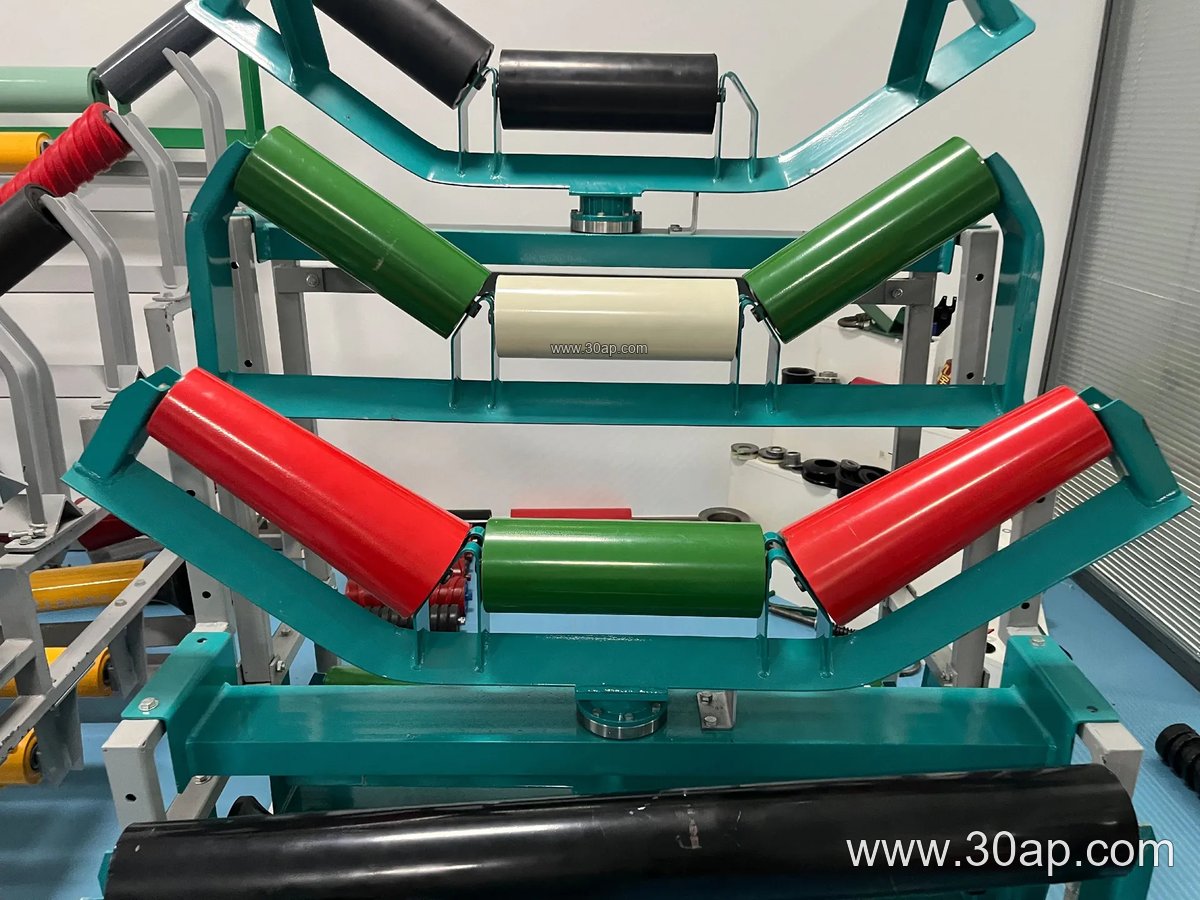
- Troughing bracket – supports three rollers to form a trough that contains bulk material. Often used on the carrying side.
- Upper trough bracket – a variant for the top run, sometimes with different slot angles.
- Transition bracket – placed near pulleys to gradually change belt from flat to troughed.
- Return bracket – supports the belt on the return run, often with a flat or V-shaped roller arrangement.
- V-return bracket – holds two rollers in a V to help center the belt.
- Impact bracket – reinforced to absorb shock at loading points, typically used with impact rollers.
- Self-aligning bracket – allows slight rotation to correct belt tracking.
- Forward-leaning bracket – tilts rollers about 1.5 to 2 degrees to aid belt training.
- Spiral roller bracket – designed for spiral rollers, often in sticky material.
- Hanging bracket – suspended from overhead structure, common in confined spaces.
- Adjustable bracket – permits change of trough angle on site.
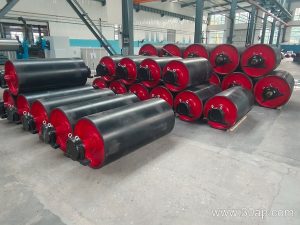
Note that drive pulley, tail pulley, and bend pulley brackets are not interchangeable with troughing or return brackets; each serves a distinct location and load condition.
Construction and Materials
Most mining conveyor brackets are fabricated from angle steel, channel steel, or bent steel plate. The choice depends on load and environment. In coal preparation plants and cement plants, powder-coated or galvanized finishes are common to resist dust and moisture. The bracket includes mounting holes or slots that match the conveyor frame; hole spacing and crossbeam length vary with belt width and trough angle, so they are determined by design rather than fixed.
Matching Belt Width, Trough Angle, and Roller Diameter
Bracket selection is tied to belt width, trough angle, and roller diameter. There is no single mandatory combination, but typical references help narrow the choice. For example, a B800 belt might use a 35-degree trough with Ø108 rollers, while a B1200 belt could use 45 degrees with Ø133 rollers. Smaller belts like B650 often pair with 30 degrees and Ø89 rollers. Adjustable brackets allow switching between 20, 30, 35, and 45 degrees on site.
| Belt Width (B) | Common Trough Angle | Typical Roller Diameter |
|---|---|---|
| B500–B650 | 20–30 degrees | Ø89–Ø108 |
| B800–B1000 | 30–35 degrees | Ø108–Ø133 |
| B1200–B1400 | 35–45 degrees | Ø133–Ø159 |
| B1600–B2000 | 35–45 degrees | Ø159–Ø194 |
These are reference ranges only; final selection depends on load, speed, and material characteristics.
Where Mining Conveyor Brackets Are Used
In a limestone quarry, troughing brackets support the belt through the crushing and screening circuit. In a coal washing plant, self-aligning and forward-leaning brackets help keep the belt centered despite uneven loading. Other applications include power plant coal handling, sand and gravel lines, and tunnel spoil removal. The bracket works together with the conveyor belt, idler roller, and conveyor pulley to maintain a continuous material flow.
Buyer Checklist
- Confirm belt width and required trough angle; choose adjustable brackets if future changes are likely.
- Match bracket mounting dimensions to the existing conveyor frame; hole spacing is not universal.
- Specify roller diameter and ensure bracket slots accept the chosen idler roller shaft.
- Consider environment: galvanized or coated brackets for wet or corrosive conditions.
- For impact zones, use reinforced impact brackets with impact rollers.
- Check that the bracket type suits the location: troughing for carrying side, return or V-return for return side.
Proper bracket selection reduces downtime and extends belt life in demanding mining and bulk handling operations.