What a Coal Conveyor Belt Does
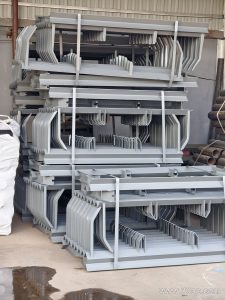
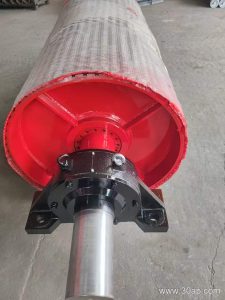
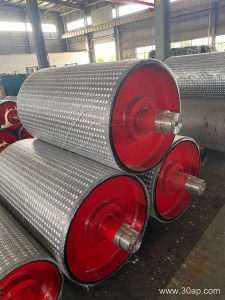
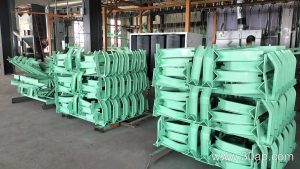
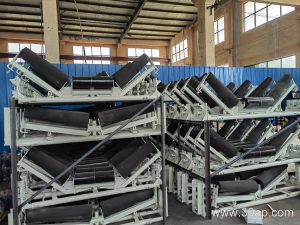
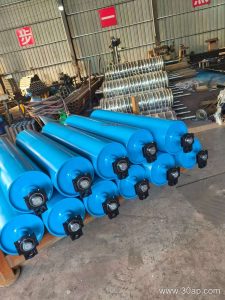
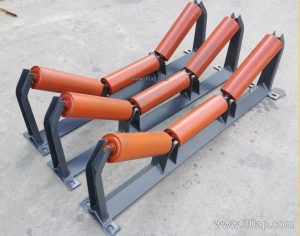
A coal conveyor belt is the carrying surface of a belt conveyor system, moving coal from a stockpile, crusher, or loading point to screening, washing, storage, or transfer stations. In mines, coal preparation plants, power stations, cement works, and sand and gravel yards, the belt is the component that touches the material directly, so its cover compound and carcass decide how long the line runs between repairs. The belt works together with the conveyor pulley at each end, idler roller sets underneath, and conveyor bracket frames that hold the whole structure in line.
Construction of the Belt
Most coal belts are built from three layers of material. The top cover takes the impact and abrasion of falling coal, the bottom cover protects the belt as it runs over idlers, and the carcass carries the tension. Carcass options include EP fabric, NN nylon fabric, and steel cord, each suited to a different combination of load and distance.
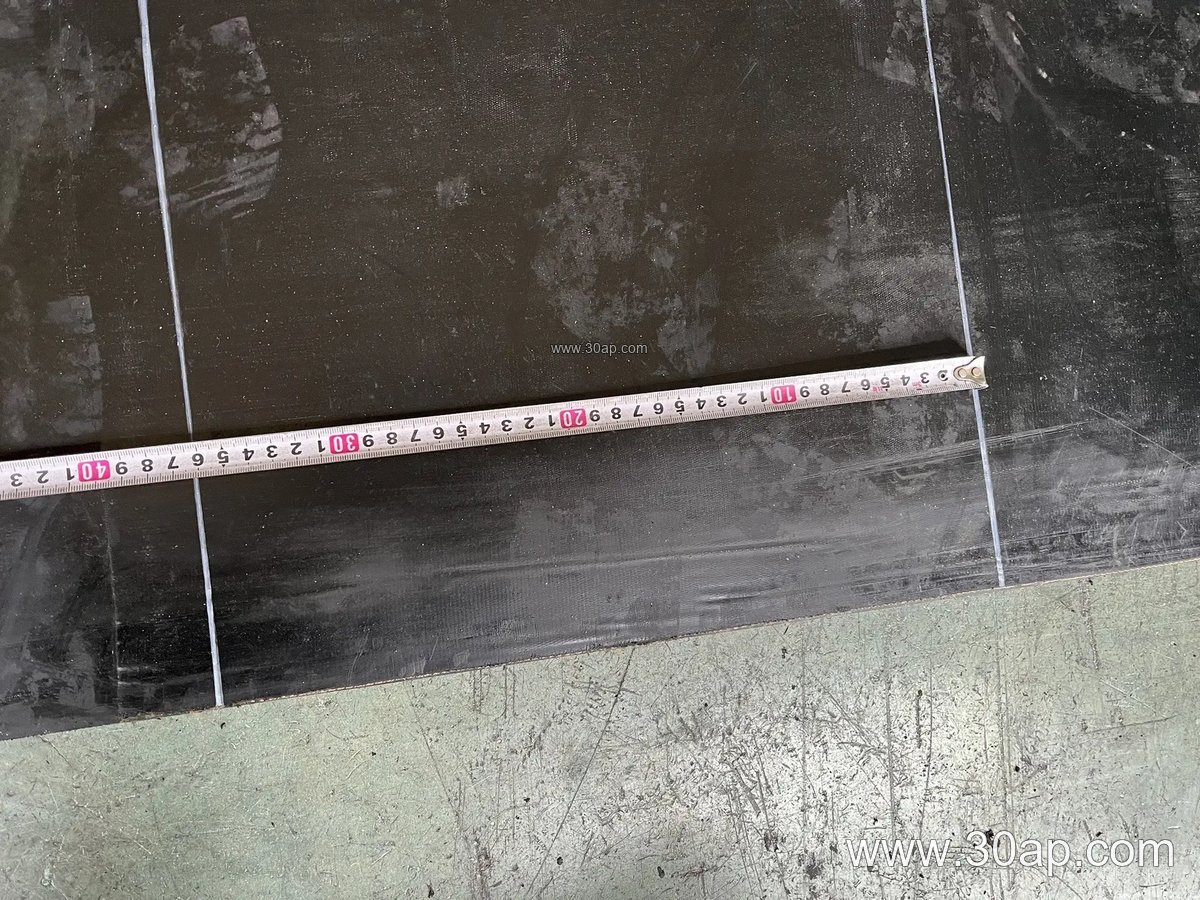
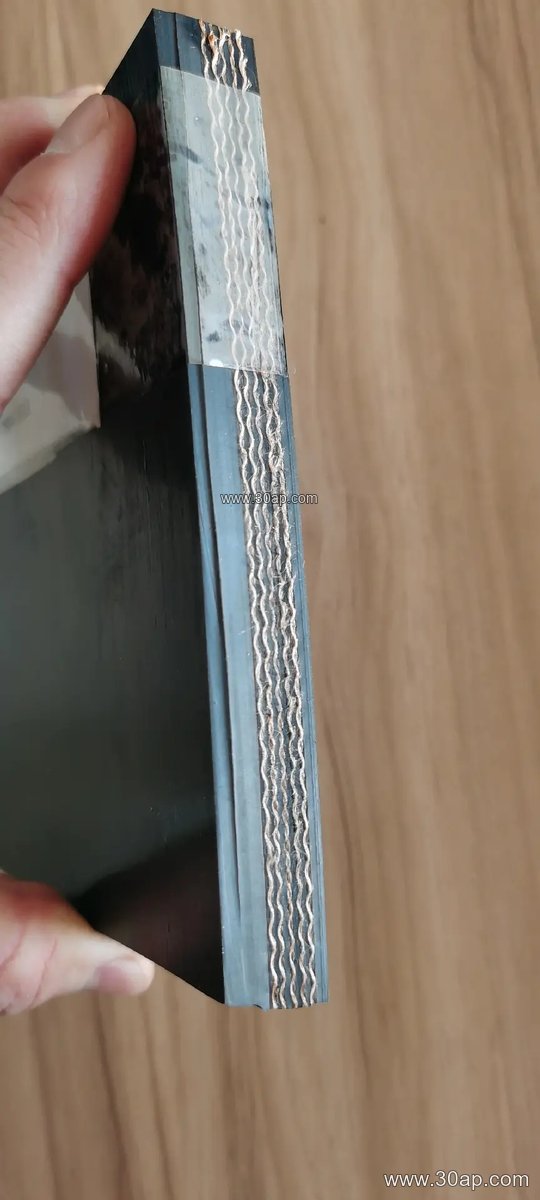
- EP conveyor belt – polyester-polyamide fabric, a common choice for general coal transport where low stretch and good troughability matter.
- NN nylon conveyor belt – nylon fabric with high strength and elasticity, often used where shock loads are expected.
- Steel cord conveyor belt – used on long, high-capacity lines where a single strong carcass is preferred.
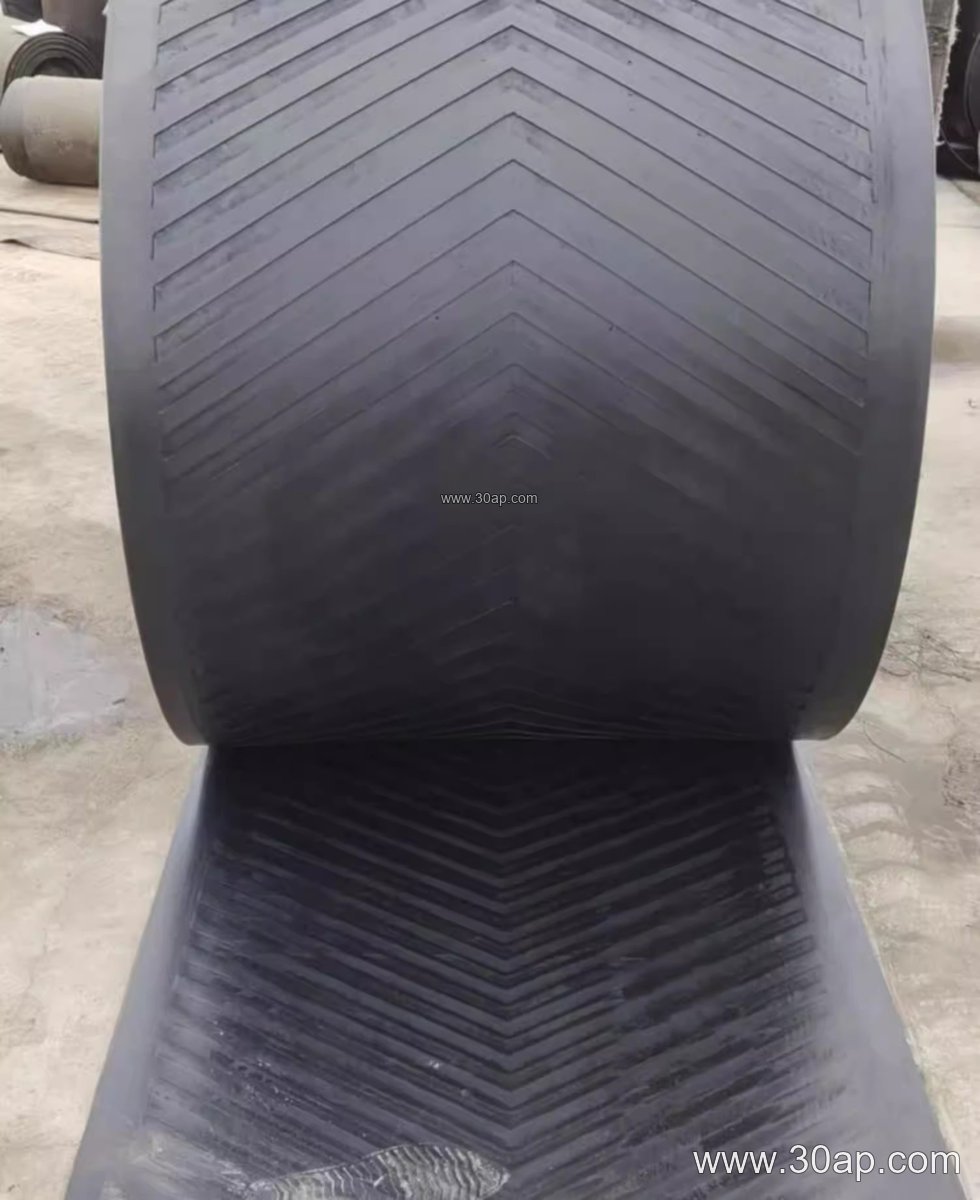
Cover compounds are selected for the site conditions. Flame resistant and antistatic grades are common in underground coal mines, while wear resistant covers suit coal with sharp impurities. Heat resistant grades appear near transfer points handling hot material, and oil resistant or acid and alkali resistant covers are chosen where the coal or the environment calls for them.
Common Specifications
The table below lists reference values only. Actual supply depends on the design of each conveyor.
| Parameter | Common reference values |
|---|---|
| Strength grades | EP200, EP315, EP400, EP500, EP630, EP800, EP1000, EP1250, EP1600, EP2000 |
| Belt width | B500, B650, B800, B1000, B1200, B1400, B1600, B1800, B2000 |
| Cover thickness | 3+1.5, 4+2, 5+2, 6+2, 8+3 mm |
| Carcass plies | usually 2 to 6 layers for fabric belts |
Belt width is matched to the required throughput and to the pulley and idler sizes used on the conveyor, not to a single fixed rule. A wider belt needs larger pulleys and idlers to keep the belt tracking correctly, and the final combination is set by the conveyor designer.
Where Coal Belts Are Used
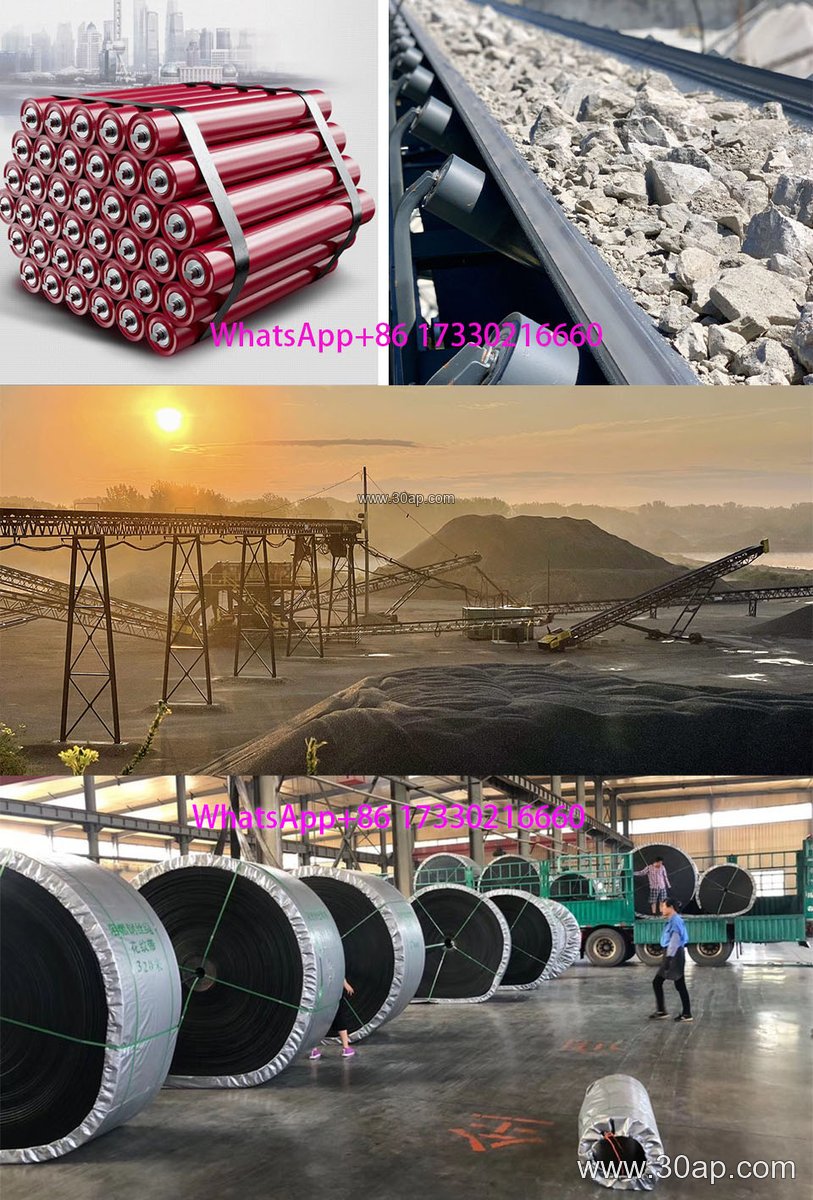
In a coal mine, the belt may run from the working face to the surface. In a coal preparation plant, it links crushers, screens, and wash boxes. At a power station, it feeds the coal yard and the boiler bunkers. The same belt type also appears in cement plants moving limestone and clinker, and in sand and gravel yards handling aggregate. Each of these sites places different demands on cover wear, flame resistance, and troughability, so the belt grade should follow the duty rather than a single default choice.
Working With Pulleys, Idlers, and Frames
The drive pulley pulls the belt, the tail pulley returns it, and bend pulleys guide the path at take-up and transfer points. These are separate components with separate duties and are not interchangeable. Idler rollers support the loaded belt and shape it into a trough, while conveyor brackets hold the idlers and pulleys in position. A belt that is well matched to its pulleys and idlers tracks better, wears more evenly, and needs fewer stoppages. Misalignment at any of these points shows up first as edge wear on the belt.
Buyer Checklist
- Confirm the material being carried, its lump size, and whether it is wet, dusty, or hot.
- State the required strength grade and the number of plies or steel cord construction.
- Choose the cover thickness to suit abrasion and impact, not only price.
- Check that flame resistance and antistatic properties are required for the site.
- Match belt width to the conveyor design, including pulley and idler dimensions.
- Plan splicing, storage, and inspection so the belt reaches its expected service life.
Coal handling is rough on belts, and the right combination of carcass, cover, and supporting components keeps a line running. Buyers who describe the duty clearly get a coal conveyor belt that fits the conveyor rather than one that has to be replaced early.