What a High-Strength Idler Does on a Conveyor
A high-strength idler is a carrying roller built to keep a loaded conveyor belt turning smoothly under conditions that punish ordinary rollers: heavy material, long spans, fast belt speeds and constant grit. In a coal preparation plant, a limestone quarry or a power station coal yard, the idler roller is the part that takes the daily load, and it is also the part that is easiest to overlook until it fails. A high-strength idler is not a different machine from the troughing roller it replaces; it is the same product family, specified and built for tougher service.
The working principle stays simple. The belt rests on rotating shells, and the rollers carry the weight of the belt and the material while allowing the belt to move with low resistance. What changes in a high-strength version is how much load the shell, shaft, bearing housing and seal can survive before wear or misalignment shows up.
How the Roller Is Built
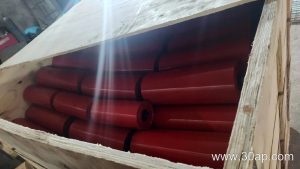
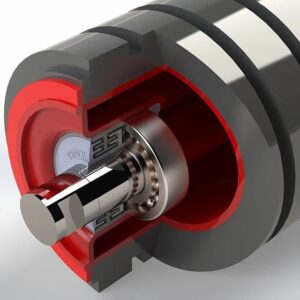
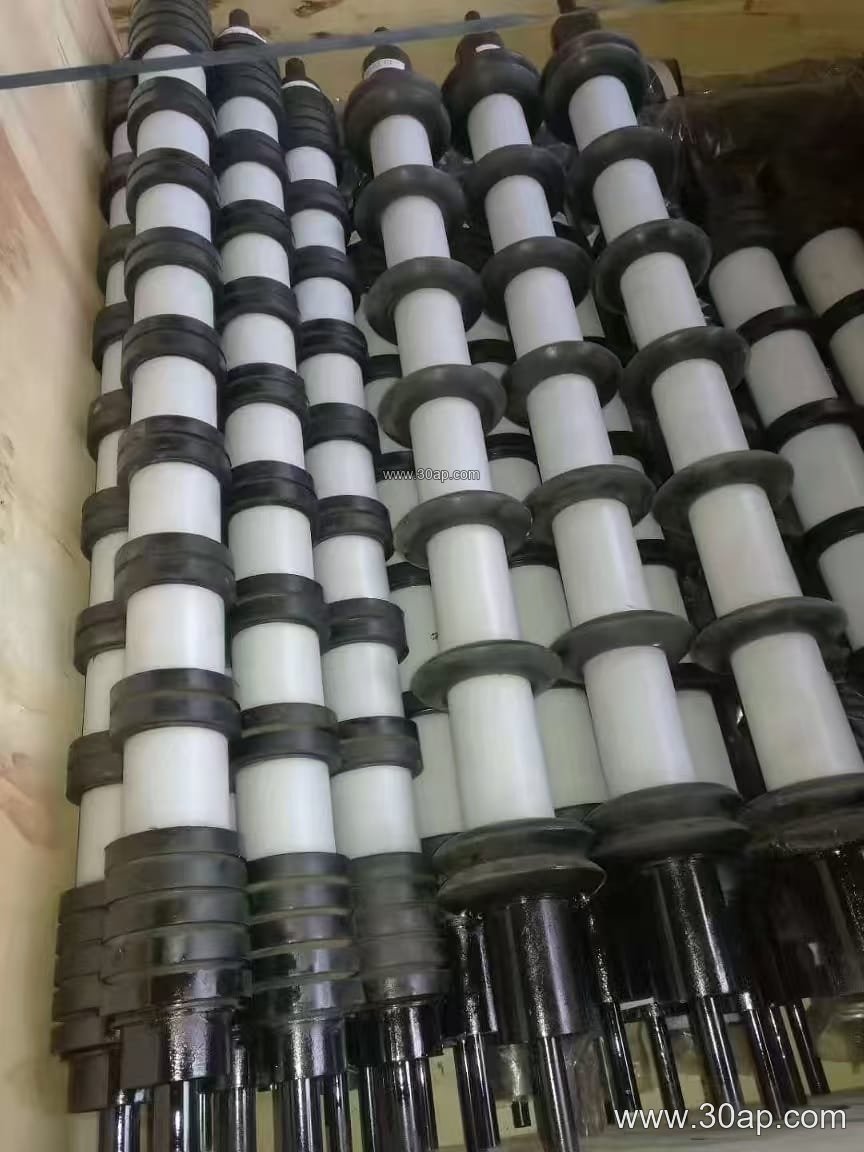
A typical heavy-duty carrying idler is assembled from a steel tube shell, a through shaft, pressed bearing housings, deep-groove ball bearings and a multi-stage seal. The shell wall thickness and shaft diameter are chosen for the load, not for appearance, so a roller for a B1200 conveyor in a crushing and screening line is not the same as one for a short transfer point. Bearing selection usually follows the shaft and load rather than the belt width alone; common sizes include 6204, 6205, 6305, 6306, 6308 and 6310, and the same bearing size can appear on more than one roller diameter.
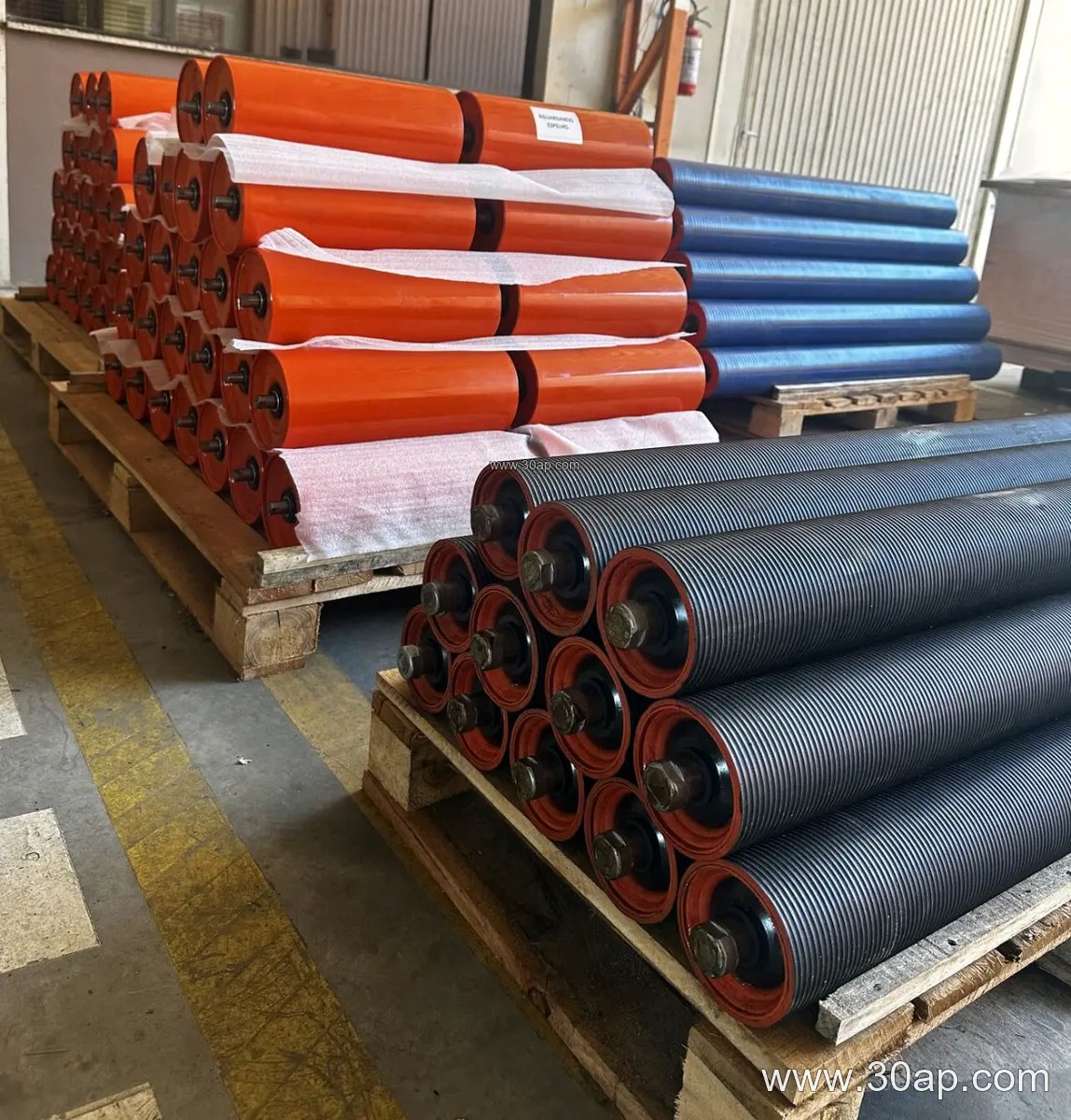
Sealing is where many failures begin. Dust, water and fine grit enter through the gap between the end cap and the shaft, so a high-strength idler normally uses a labyrinth seal, sometimes with a contact lip, to keep contaminants away from the bearing. The roller surface also matters. Steel shells suit general service, while nylon, ceramic or rubber-ring surfaces are used where belt wear, sticking material or impact needs more attention.
Where High-Strength Idlers Fit
These rollers are common in the load-carrying run of a belt conveyor, especially where material is heavy or the belt is wide. On a three-roll troughing set, the centre roller and the two side rollers form a trough that holds the load, and the trough angle affects how the material sits. Common trough angles are 20, 30, 35 and 45 degrees. A 35-degree set is widely used in aggregate and cement plants, while a 45-degree set may be chosen where the belt needs deeper material containment.
Roller length changes with belt width, trough angle and the roll arrangement. For reference, common three-roll troughing sets use centre roll lengths of roughly 200 mm at B500, 250 mm at B650, 315 mm at B800, 380 mm at B1000, 465 mm at B1200, 530 mm at B1400, 600 mm at B1600, 670 mm at B1800 and 750 mm at B2000. These are examples rather than fixed pairings, and side rolls can differ from the centre roll.
Common Sizes and Reference Data
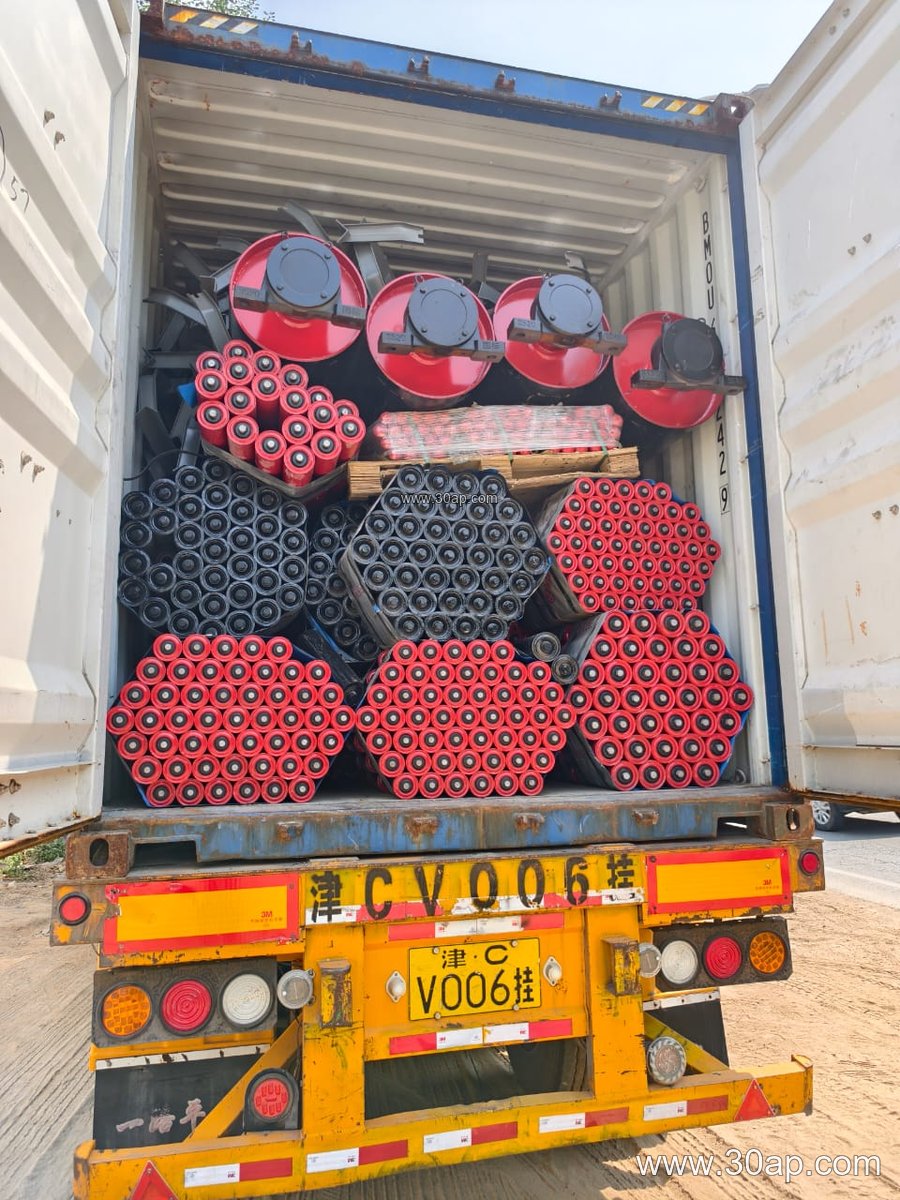
The table below gives typical reference values often seen in idler specifications. Final dimensions should follow the conveyor design and the supplier’s data sheet.
| Parameter | Common reference values |
|---|---|
| Roller diameter | Ø63, Ø76, Ø89, Ø102, Ø108, Ø127, Ø133, Ø159, Ø178, Ø194, Ø219 mm |
| Belt width | B400, B500, B650, B800, B1000, B1200, B1400, B1600, B1800, B2000, B2200, B2400 |
| Trough angle | 20°, 30°, 35°, 45° |
| Roll set | Single roll, two-roll, three-roll troughing |
| Roller surface | Steel tube, nylon, ceramic, rubber ring |
| Bearing | 6204, 6205, 6305, 6306, 6308, 6310 |
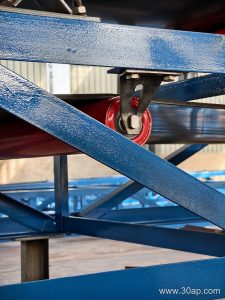
A high-strength idler is often specified together with a matching conveyor bracket, and it should align with the conveyor pulley at the head and tail so the belt runs true. Drive pulleys, tail pulleys and bend pulleys are separate components with their own duties and are not interchangeable with idlers.
What Buyers Should Check
- Confirm the belt width, trough angle and roll set before choosing roller length; do not assume one belt width matches one roller diameter.
- Ask for the shaft diameter and bearing size as a pair, since shaft size cannot be inferred from belt width alone.
- Match the seal type to the site: dusty quarry or coal yard service needs stronger sealing than a clean indoor transfer.
- Consider impact and material sticking when choosing the roller surface, and consider a buffer roller where the load zone is severe.
- Review the maintenance plan for alignment and lubrication, because most idler problems appear first as belt wander or noise.
Used with the right specifications, a high-strength idler helps a conveyor run longer between stoppages in mines, cement works, power plants and aggregate yards.