What a Double-Sealed Idler Is
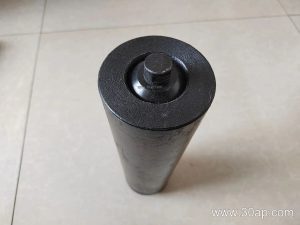
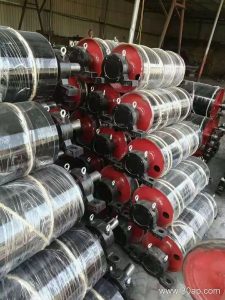
A double-sealed idler is a conveyor idler roller whose bearing housing is protected by two sealing elements in series, rather than a single lip seal. The arrangement usually combines an outer labyrinth or dust seal with an inner lip seal, so that grit, fines and moisture must pass two barriers before reaching the bearing. In a quarry, a coal preparation plant or a cement kiln feed line, that extra barrier is often the difference between a roller that runs for years and one that grinds itself to a stop in a few months.
The product is also described as a double-seal conveyor idler or a double-sealed idler roller. These are equivalent names for the same item; the sealing concept, not the wording, defines it.
How the Sealing and Bearing Assembly Works
The seal is only one part of the story. A typical construction includes a steel tube shell, a through shaft, pressed bearing housings at each end, and a bearing set sized to the radial load. Common bearing numbers in this class are 6204, 6205, 6305, 6306, 6308 and 6310, matched to roller diameter and load rather than to belt width alone.
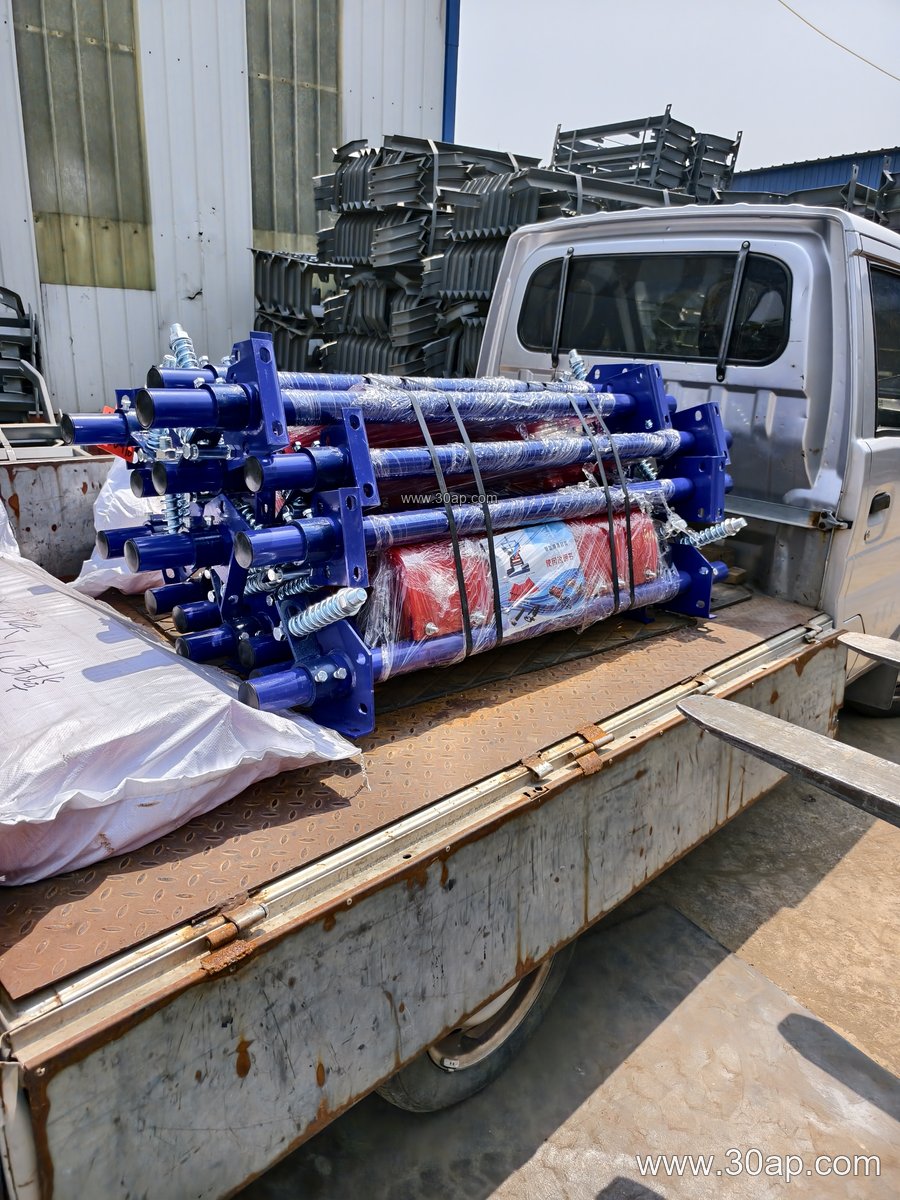
The double seal usually sits outboard of the bearing, with a small grease cavity between the two sealing stages. Some designs add a protective cap or a dust ring on the outer face. The result is a cartridge-like end assembly that resists ingress from both the dirty side and the wash-down side. Buyers should ask whether the seals are non-contact labyrinth type, contact lip type, or a combination, because the friction and the service life differ.
Where Double-Sealed Idlers Fit on a Conveyor
These rollers are used wherever fine abrasive material is present. In a limestone mine or sand and gravel plant, they are commonly specified for the carrying side in the loading zone and for the return strand, where dust clings to the belt and drops onto the rollers. In a power plant coal yard, double-sealed idlers are often chosen for the troughing sets and for the flat return rollers that run through wash-down areas.
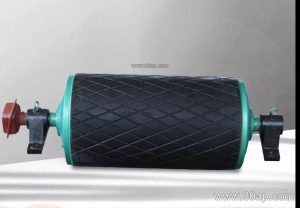
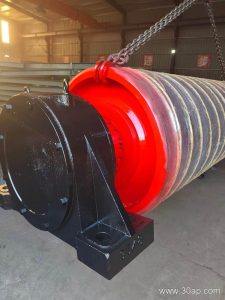
They can also appear as impact or buffer rollers under a transfer chute, and as V-return or training rollers where belt tracking and contamination occur together. The seal does not change the roller’s function; it changes how long that function survives. Drive pulleys, tail pulleys and bend pulleys remain separate components and are not replaced by idlers.
Common Dimensions and Configurations
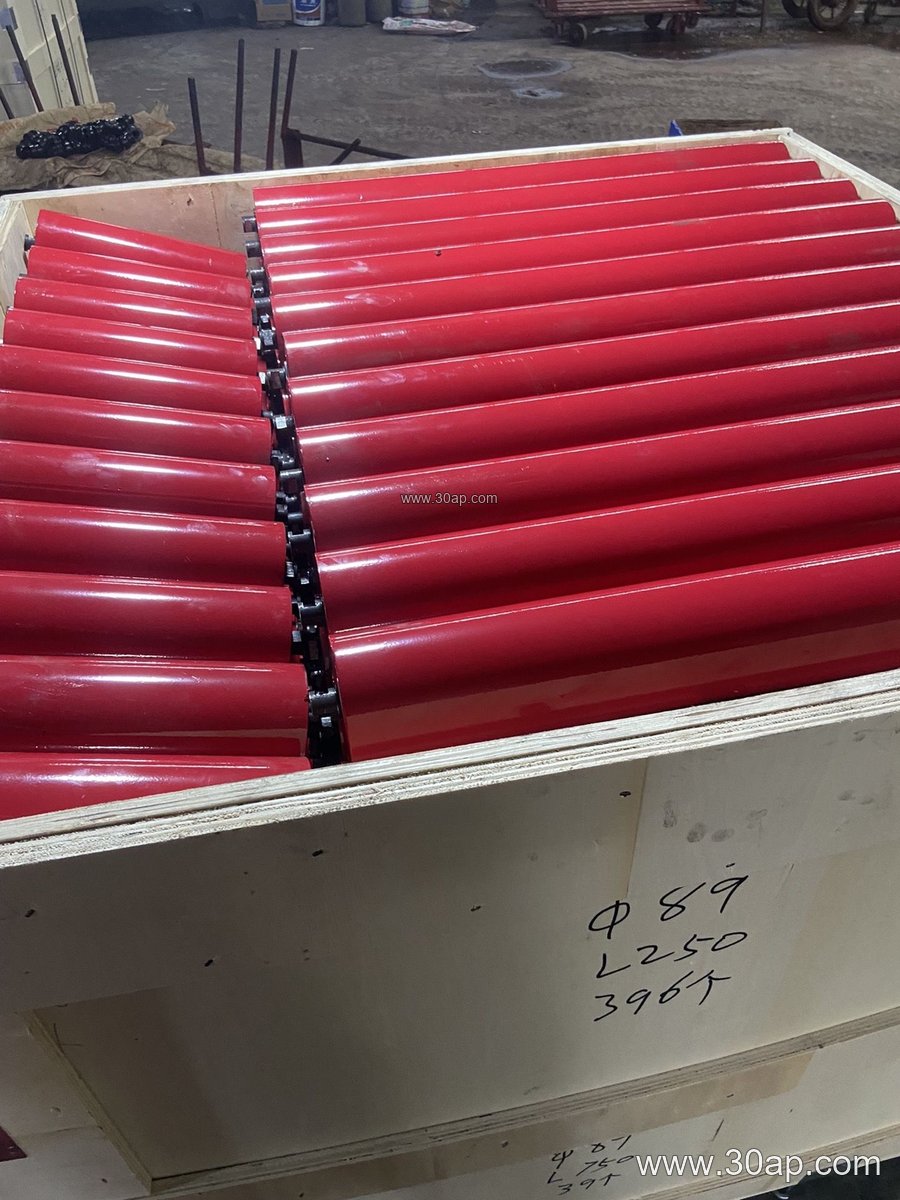
The table below shows typical reference values. Actual roller length depends on belt width, trough angle and whether the set is two-roll or three-roll, so the figures are examples rather than fixed pairings.
| Parameter | Common reference values |
|---|---|
| Roller diameter | Ø63, Ø76, Ø89, Ø102, Ø108, Ø127, Ø133, Ø159, Ø178, Ø194, Ø219 mm |
| Belt width | B400, B500, B650, B800, B1000, B1200, B1400, B1600, B1800, B2000, B2200, B2400 |
| Trough angle | 20°, 30°, 35°, 45° |
| Roller surface | Steel tube, nylon, ceramic, rubber ring |
| Bearing | 6204, 6205, 6305, 6306, 6308, 6310 |
| Example roller length, three-roll troughing | about 200 mm at B500, 250 mm at B650, 315 mm at B800, 380 mm at B1000, 465 mm at B1200, 530 mm at B1400, 600 mm at B1600, 670 mm at B1800, 750 mm at B2000 |
Note that side rollers and centre rollers in the same set can have different lengths. A single belt width does not dictate one pulley diameter, and shaft diameter should be confirmed from the load calculation and the housing design.
What to Check Before Ordering
- Seal type and material: confirm the labyrinth and lip combination and whether the elastomer suits the local temperature and any wash-down chemicals.
- Bearing fit and clearance: the bearing number should match the calculated load, not simply the roller diameter.
- Shell thickness and surface: steel tube is standard; nylon, ceramic or rubber ring surfaces may suit sticky or high-wear duty.
- Mounting compatibility: check the shaft end shape, flat positions and the conveyor bracket style used on the existing frame.
- Set configuration: specify single-roll, two-roll or three-roll troughing, and whether the position is carrying, return or buffer duty.
In a fertilizer plant or a grain terminal, where fine dust and occasional moisture are both present, a double-sealed idler is often a practical upgrade over a standard sealed roller. The same logic applies in a tunnel muck line or a sintering plant. The decision should be based on contamination level, maintenance access and expected service interval, not on a single catalogue number.