What a High Abrasion Resistant Conveyor Belt Is
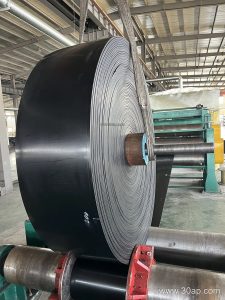
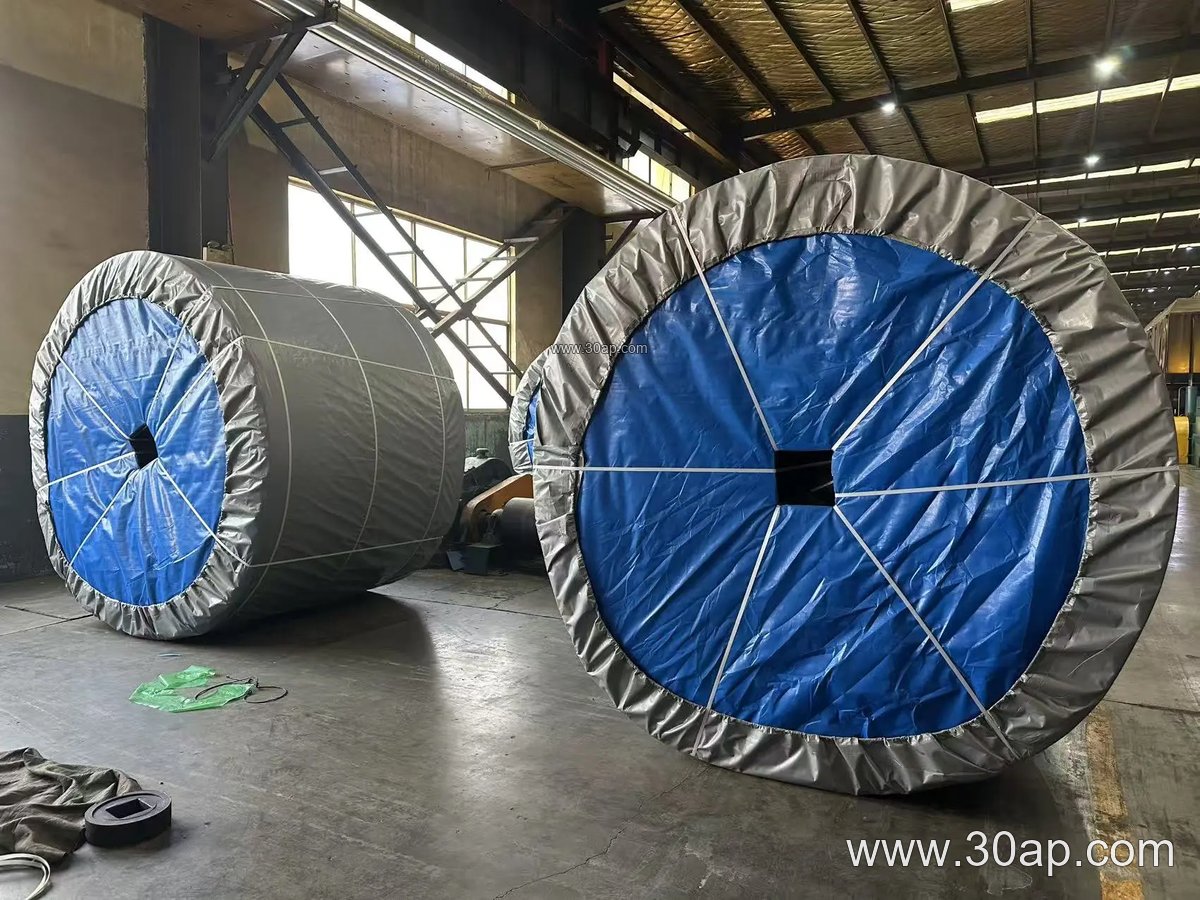
A high abrasion resistant conveyor belt is a heavy-duty conveyor belt engineered to resist surface wear when it carries sharp, hard, or fast-moving materials. In a quarry, a coal preparation plant, a cement works, or a power station coal yard, the belt surface meets crushed rock, clinker, coke, or gravel every hour of the shift. The cover compound is formulated to lose material slowly under that scraping action, so the belt keeps its thickness and grip for longer. This product is also known as an abrasion-resistant conveyor belt, and both names describe the same article.
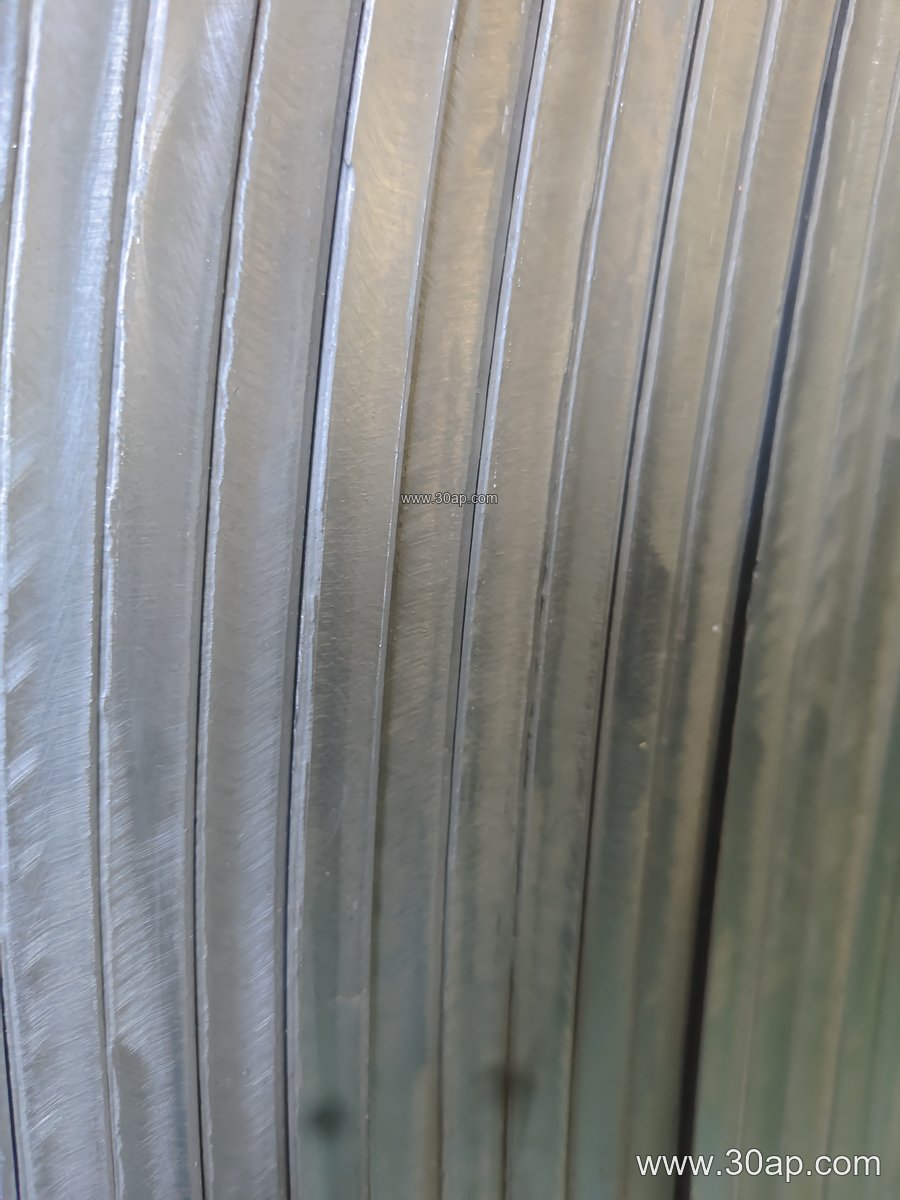
Wear usually shows first on the top cover, then at the edges and splice area. A belt built for abrasive duty uses a tougher rubber cover, a robust carcass, and careful edge construction to slow that progress.
How the Belt Is Built
The structure is straightforward but the details matter. A typical build has three parts:
- Top cover – the wear face, usually a high-abrasion rubber compound in thicknesses such as 4+2, 5+2, 6+2, or 8+3 mm (top + bottom cover).
- Carcass – the strength layer, commonly EP (polyester-cotton) or NN nylon fabric in 2 to 6 plies, or steel cord for very long runs and high tensions.
- Bottom cover – a thinner layer that protects the carcass from the return side and from contact with idler rollers.
Fabric belts are often specified by strength grade: EP200, EP315, EP400, EP500, EP630, EP800, EP1000, EP1250, EP1600, and EP2000 are common designations. The number relates to the breaking strength of the carcass, not to the cover’s wear life, so both values need attention when selecting a belt.
Where It Fits in the Plant
Abrasive duty appears across many industries. In mining and mineral processing, primary crushed ore and waste rock are the main challenge. In cement plants, limestone, clinker, and gypsum move on belts that see constant grit. Power plants handle coal and ash, while sand and gravel yards feed washed stone and aggregate. Coal preparation plants may need flame-retardant grades such as PVG or PVC covers in addition to wear resistance, depending on local rules.
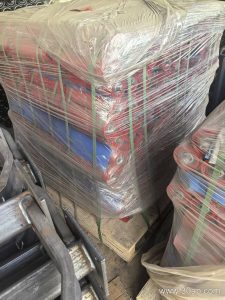
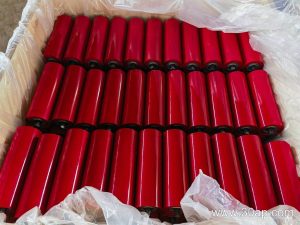
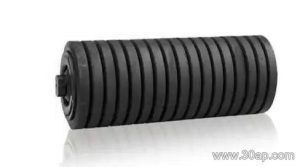
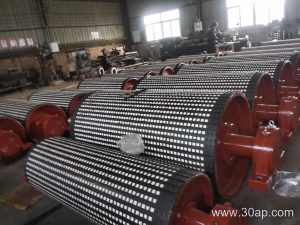
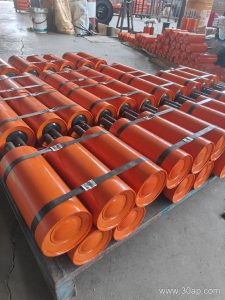
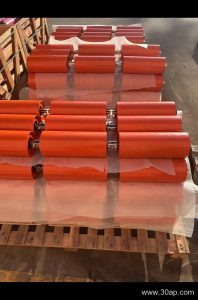
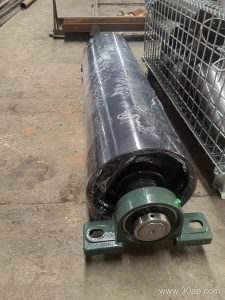
The belt runs over a conveyor pulley at the head and tail, supported by idler rollers on the carrying side and return side. A conveyor bracket holds the idlers and pulleys in line. Wear on the belt is influenced by the whole system: misalignment, stuck idlers, and poor loading all shorten cover life.
Common Specifications at a Glance
Values below are typical reference points; actual supply depends on the manufacturer and the duty. They are not fixed combinations.
| Parameter | Common Range |
|---|---|
| Belt width | B500, B650, B800, B1000, B1200, B1400, B1600, B1800, B2000 |
| Fabric strength grade | EP200 to EP2000 |
| Cover thickness | 3+1.5, 4+2, 5+2, 6+2, 8+3 mm |
| Ply count | 2 to 6 layers |
| Surface forms | Plain, patterned, chevron, or corrugated sidewall (chosen by application) |
Patterned and chevron covers help on inclines, while a plain cover suits flat runs. A corrugated sidewall is a separate belt style for steep inclines and should not be treated as a direct replacement for a flat abrasion-resistant belt.
Selection and Maintenance Notes
Buyers should match the belt to the material, the loading point, and the conveyor layout. Consider the lump size, drop height, belt speed, and whether the belt will run on a troughing idler set or a flat return. A wider belt is not automatically better; it must suit the pulley face and the conveyor frame. Do not assume a given belt width fixes a pulley diameter or a shaft size; those come from the conveyor design.
During operation, keep the belt tracking straight, check idler rollers for seizure, and inspect the splice for edge lift. A worn cover can be repaired before the carcass is exposed. In dusty plants, cleaning around the tail pulley and brackets reduces buildup that can damage the belt edge.
For a long-haul mine conveyor or a short cement plant transfer, the same principle applies: choose the abrasion-resistant cover and carcass that match the wear and tension, then maintain the pulleys, idlers, and brackets so the belt delivers its expected service life.