What the ST2500 Conveyor Belt Is
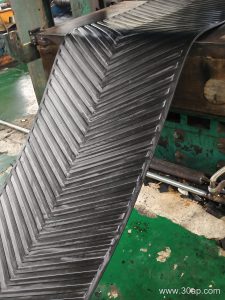
The ST2500 Conveyor Belt is a steel cord conveyor belt rated at a nominal tensile strength of 2500 N/mm. In plant language it is often shortened to the ST2500 belt or the ST2500 steel cord belt. The “ST” prefix signals steel cord construction, and the number refers to the belt’s strength class. This is a heavy-duty product built for long conveying lines and high tonnage, so it appears most often in mines, coal preparation plants, cement works, power stations and large sand and gravel yards.
It is not a general-purpose light belt. Buyers usually specify it when a single flight is long, the load is abrasive or heavy, or the conveyor must run with few transfer points.
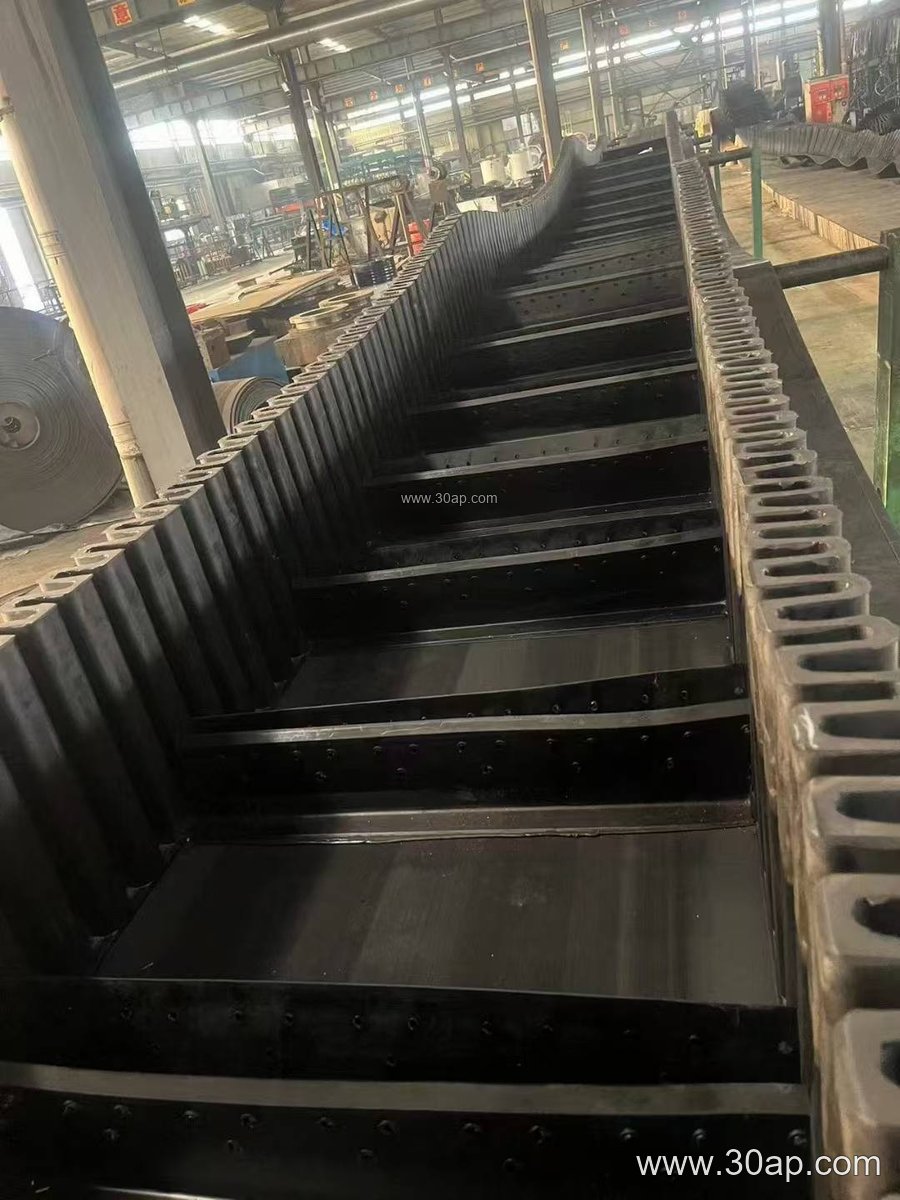
How the Belt Is Built
The carcass is the defining part. A layer of parallel steel cords runs lengthwise through the belt, embedded in rubber. The cords carry the tension, while the rubber holds them in place and protects them from impact, moisture and abrasion. Because the cords are longitudinal, the belt has very low stretch compared with fabric-reinforced belts, which helps keep take-up travel reasonable on long conveyors.
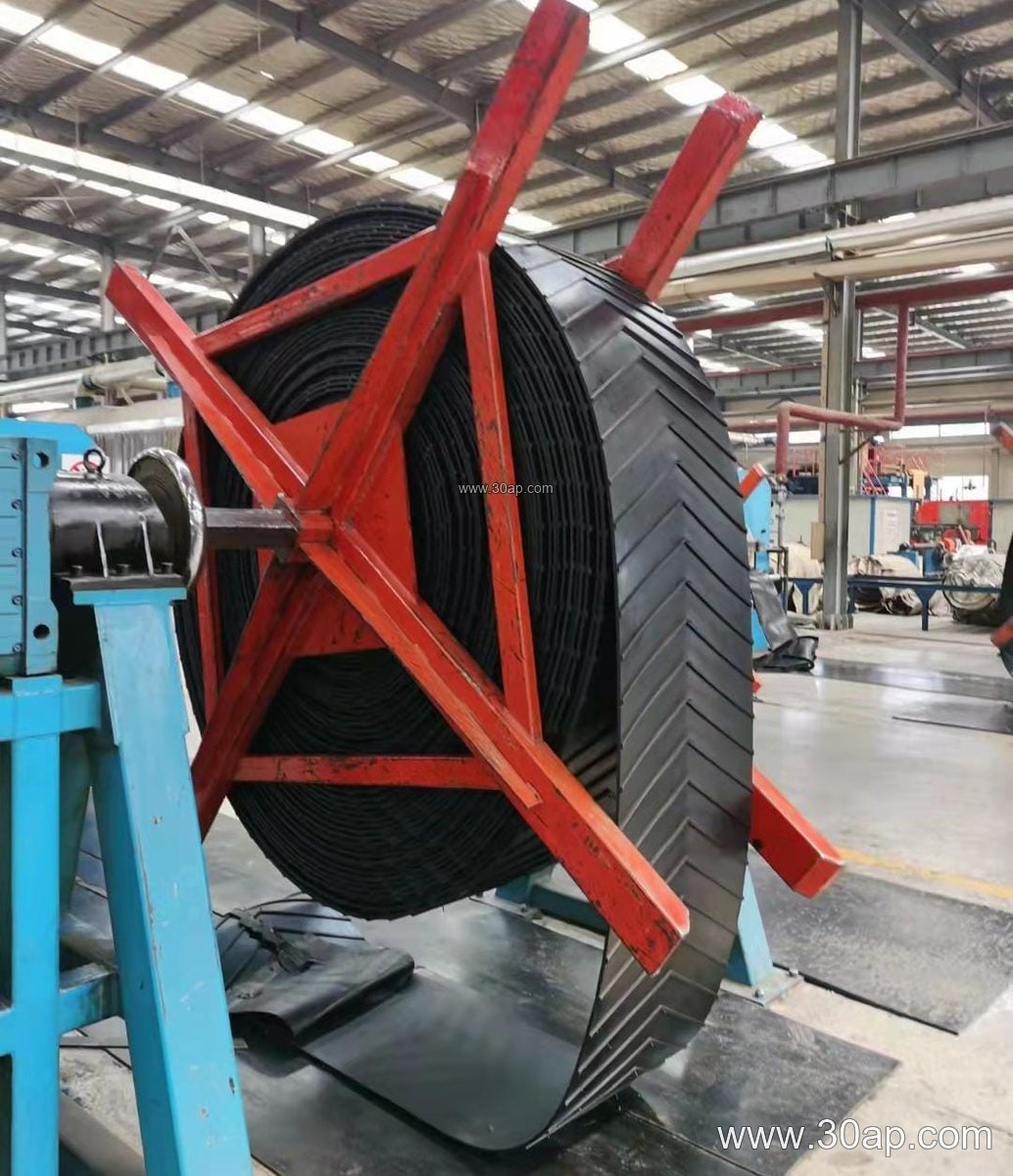
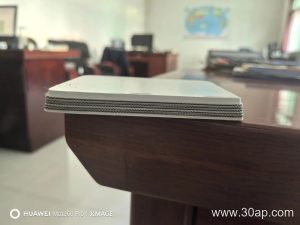
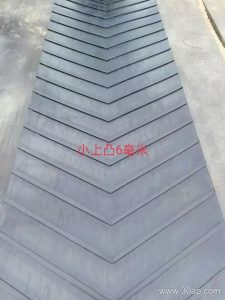
Above and below the carcass sit the cover rubber layers and, usually, transverse reinforcing cords near the edges. Cover thickness is stated as top plus bottom, for example 6+2 mm or 8+3 mm. The grade of the cover matters as much as the thickness: plain abrasion-resistant rubber suits run-of-mine material, while heat-resistant, oil-resistant, flame-retardant or antistatic grades are chosen where the duty demands them.
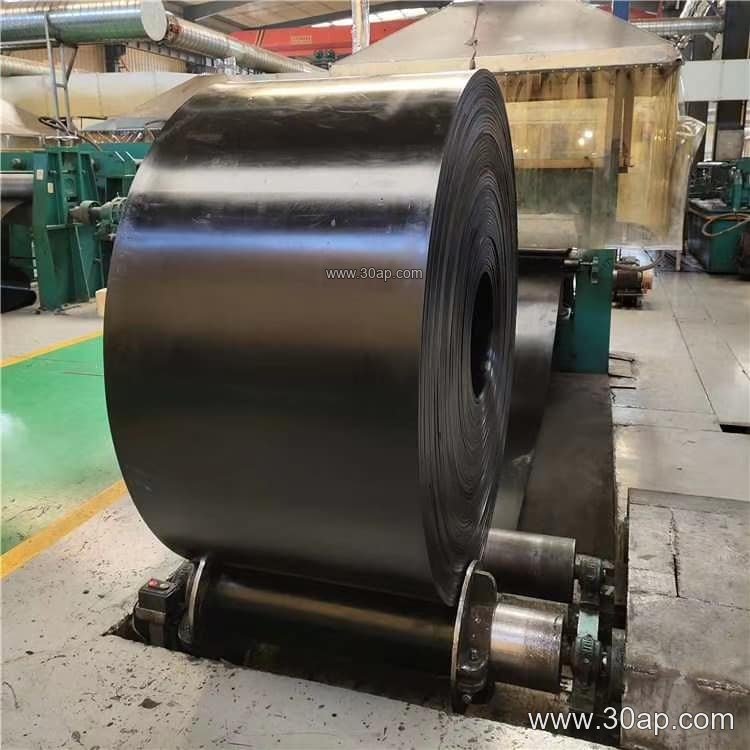
Common Reference Data
The figures below are typical reference values, not a fixed catalogue. Actual constructions vary between manufacturers and should be confirmed against the design of the conveyor.
| Parameter | Common reference values |
|---|---|
| Strength class | ST2500 (nominal 2500 N/mm) |
| Belt width | B800, B1000, B1200, B1400, B1600, B1800, B2000 |
| Cover thickness (top + bottom) | 5+2 mm, 6+2 mm, 8+3 mm |
| Cover grades | Abrasion-resistant, heat-resistant, oil-resistant, flame-retardant, antistatic, cold-resistant |
| Typical duty | Long center distances, high tonnage, abrasive bulk material |
Note that belt width and pulley diameter are separate design decisions. A wide belt does not automatically dictate one particular pulley size, and shaft diameter is calculated from the actual loads, not from belt width alone.
Where It Fits in a Conveyor
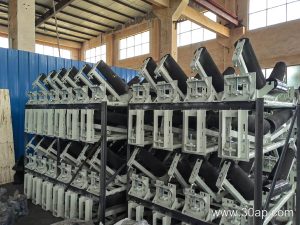
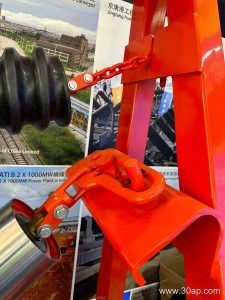
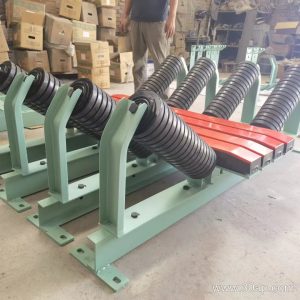
The ST2500 belt runs over a head or drive pulley, a tail pulley and one or more bend pulleys, and is supported on the carrying side by idler rollers. On the return side, return idlers and a conveyor pulley at the take-up keep tension steady. Conveyor brackets and frames hold all of this in alignment. Because steel cord belts are stiff across the width, pulley diameters and transition distances need to be generous enough to avoid over-stressing the cords at the edges.
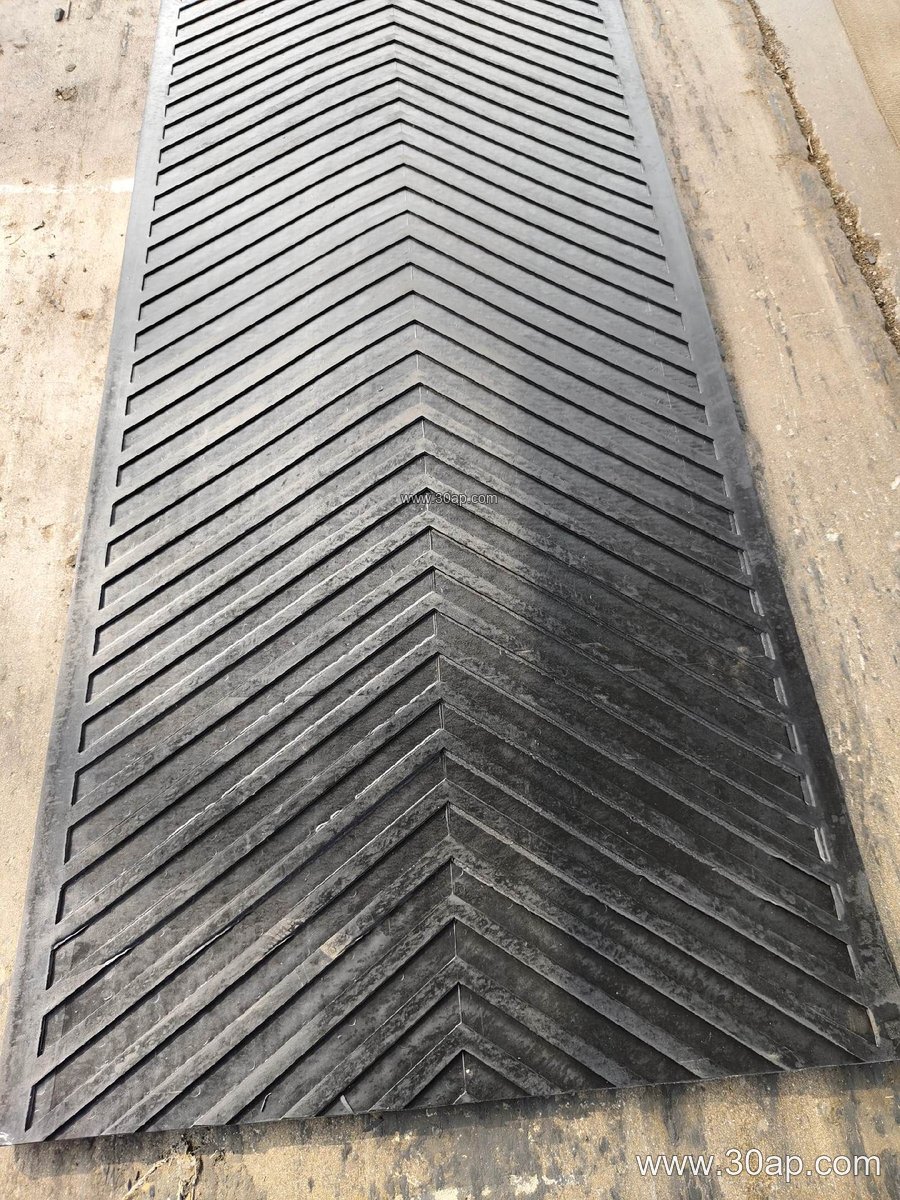
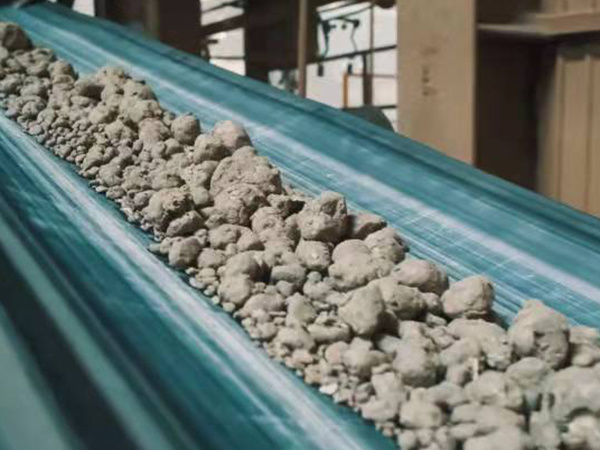
Typical installations include main haulage lines in metal mines, coal bunker discharge conveyors, clinker and limestone transport in cement plants, coal yard and ash handling systems in power stations, and long stockyard runs in sand and gravel operations.
What a Buyer Should Check
- Strength and safety factor. Match the ST2500 class to the calculated working tension with an agreed safety margin, allowing for starting and stopping loads.
- Cover specification. Confirm top and bottom cover thickness and the rubber grade against the material being carried and the environment.
- Width and troughability. Choose a width that suits the required capacity and the existing idler set, and check that the belt troughs properly on the given idler rollers.
- Pulley and splice compatibility. Steel cord belts are usually spliced by hot vulcanization with stepped joints. Confirm splice length, pulley diameters and take-up travel with the belt supplier before ordering.
- Edge and impact protection. In mining and quarry duty, impact at loading points and edge damage are common causes of premature failure, so breaker cloth or extra reinforcement may be worth discussing.
Installation and Care
Correct storage matters: steel cord belts should be stored on a suitable core, away from ground moisture, and not kinked. During installation, keep the belt aligned and avoid sharp bends. Once running, routine checks of idler rollers, pulley lagging, belt tracking and splice condition will extend service life more than any single specification choice. A well-matched ST2500 Conveyor Belt, correctly spliced and maintained, is a long-term investment for demanding bulk handling duty.