What a 1800mm Wide Conveyor Belt Is
A 1800mm wide conveyor belt is a heavy-duty endless belt built with a nominal width of 1800 millimeters. It sits at the upper end of common belt width ranges such as B1600, B1800 and B2000, so it is typically chosen where a single conveyor must carry a high tonnage or handle bulky, abrasive material. In mining, coal preparation, cement plants, power stations and large sand and gravel yards, this belt width helps spread the load across a wider carrying surface and reduces the need for multiple parallel lines.
The product is also described as a 1.8 m wide conveyor belt or a B1800 conveyor belt. All three expressions refer to the same item; the width is the defining feature, while construction details are set by the application.
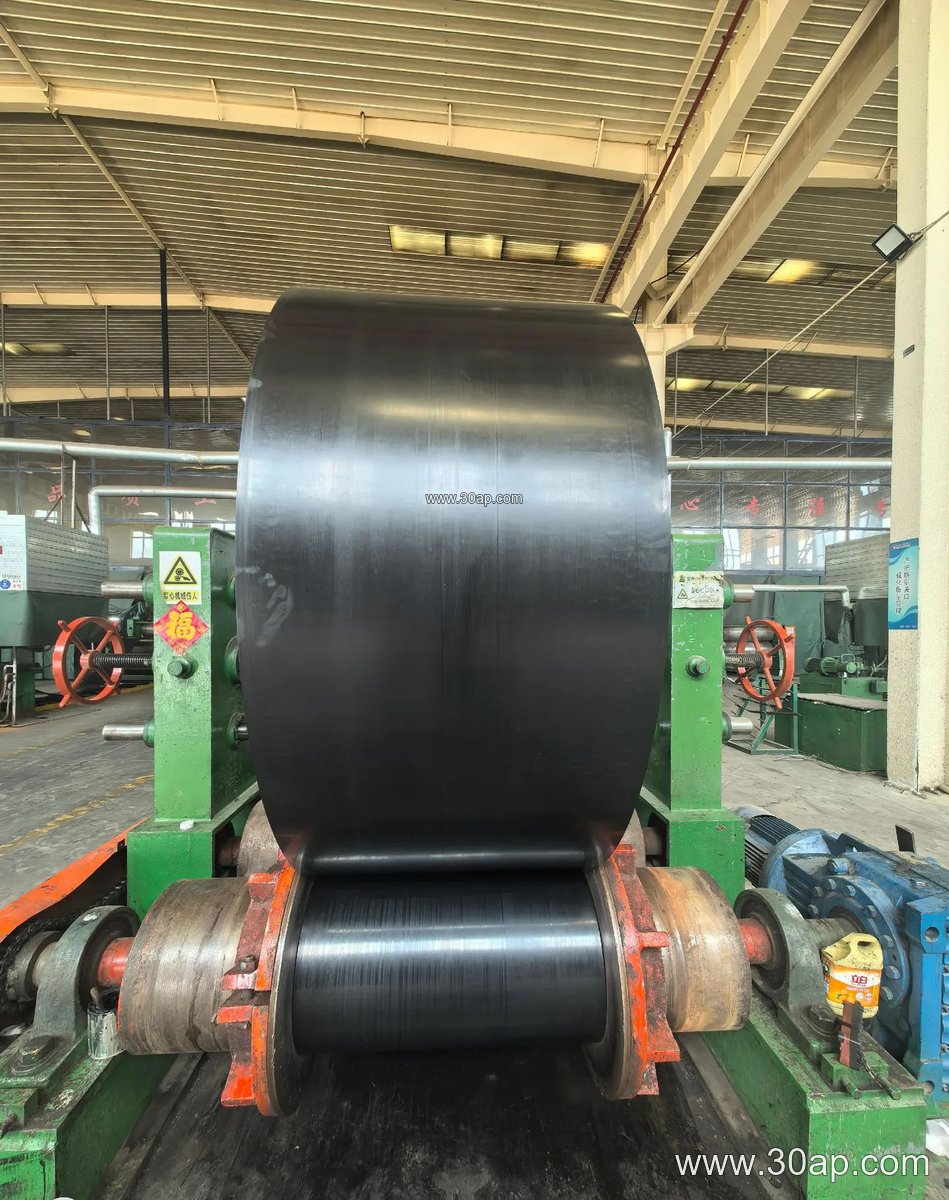
Construction and Build
A belt of this width is usually a fabric-reinforced or steel-cord construction. Common carcass options include EP conveyor belt grades such as EP200, EP315, EP400, EP500, EP630, EP800 and higher, nylon NN belts, and steel cord belts for long-distance or high-tension duties. The carcass may have two to six plies depending on the required strength and the pulley diameters used in the conveyor design.
Cover rubber is selected for the duty. Typical cover thicknesses include 3+1.5 mm, 4+2 mm, 5+2 mm, 6+2 mm and 8+3 mm. A wider belt carries more tension for the same load, so the splice and edge quality matter. Vulcanized splices are common on wider belts because they keep the belt line straighter and reduce the risk of edge damage.
Common Belt Configurations
- EP fabric belt in abrasion-resistant or flame-retardant grades
- NN nylon belt for general bulk handling
- Steel cord belt for long conveyors and high tension
- PVC or PVG belt where fire resistance or oil resistance is required
- Heat-resistant, cold-resistant, oil-resistant or acid-alkali-resistant covers
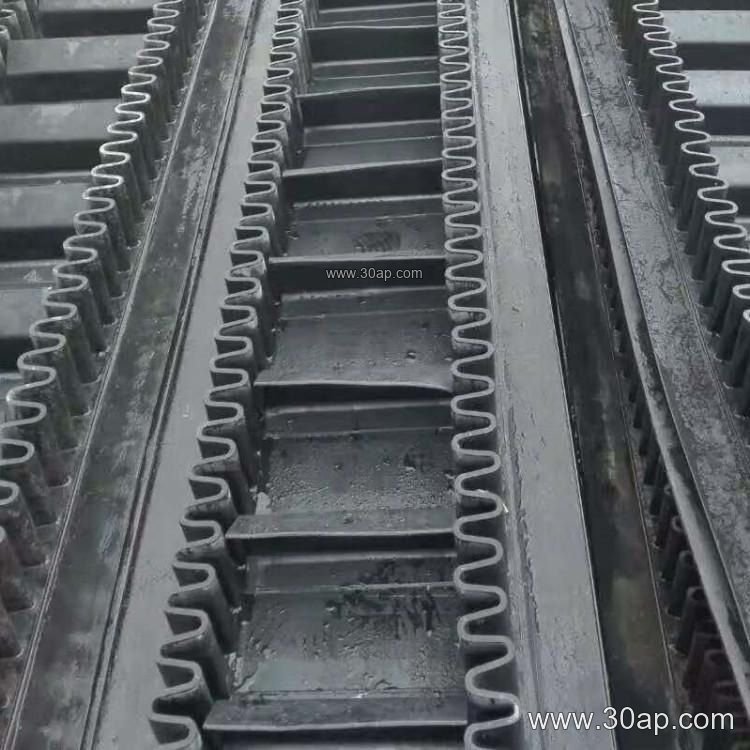
- Patterned surfaces such as chevron or cleated belts for inclined runs
Where the Width Fits in a Conveyor
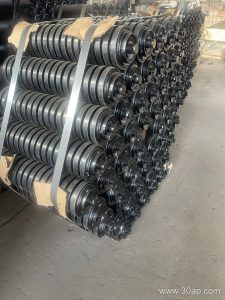
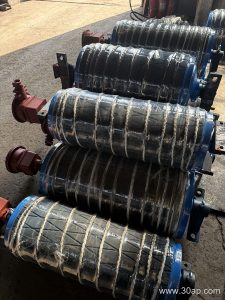
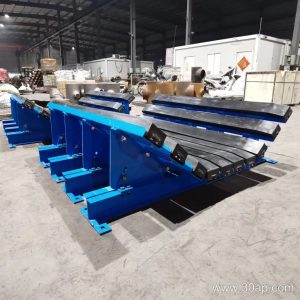
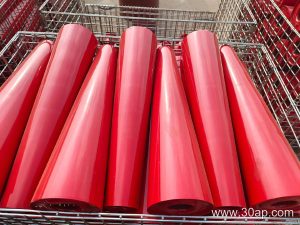
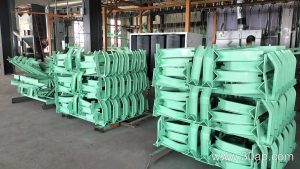
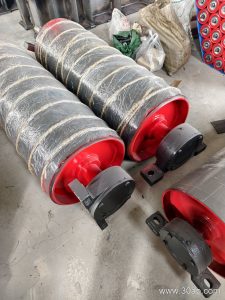
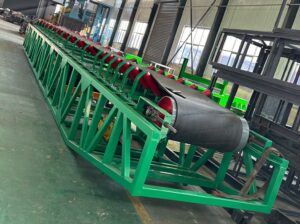
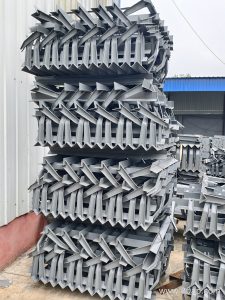
The belt works together with the rest of the conveyor structure. A troughing idler roller set supports the loaded belt and forms the trough shape; the belt width determines the idler frame span. Drive pulleys transmit the power, tail pulleys set the return point, and bend pulleys guide the belt through the take-up or transition zones. Conveyor brackets hold the idlers and pulleys in alignment along the frame.
A 1800mm belt is often used on main haulage conveyors, stockyard feed lines and transfer conveyors. In a coal mine or cement plant, it may run at a moderate speed with a deep trough to contain lumpy material. In a power plant or sand and gravel yard, it may feed screening and crushing circuits. The belt width is chosen from the required capacity, material lump size, trough angle and conveyor length, not from a single fixed rule.
Selection Points for Buyers
Buyers should confirm the belt width, carcass type and strength grade, cover thickness and cover grade, plus the splice method. The pulley diameters should be checked against the belt manufacturer’s recommendations; a 1800mm belt can be matched with different pulley sizes depending on tension and carcass, so no single shaft or pulley diameter follows from the width alone.
Typical Reference Data
| Item | Common options |
|---|---|
| Belt width | B1800 (1800 mm) |
| Carcass type | EP, NN, steel cord |
| Strength grade | EP200 to EP2000, per design |
| Cover thickness | 3+1.5, 4+2, 5+2, 6+2, 8+3 mm |
| Ply count | 2 to 6 layers, typically |
| Surface form | smooth, chevron, cleated, sidewall |
These values are reference data. Actual specifications are set by the conveyor design and should be confirmed with the belt supplier.
Installation and Maintenance Notes
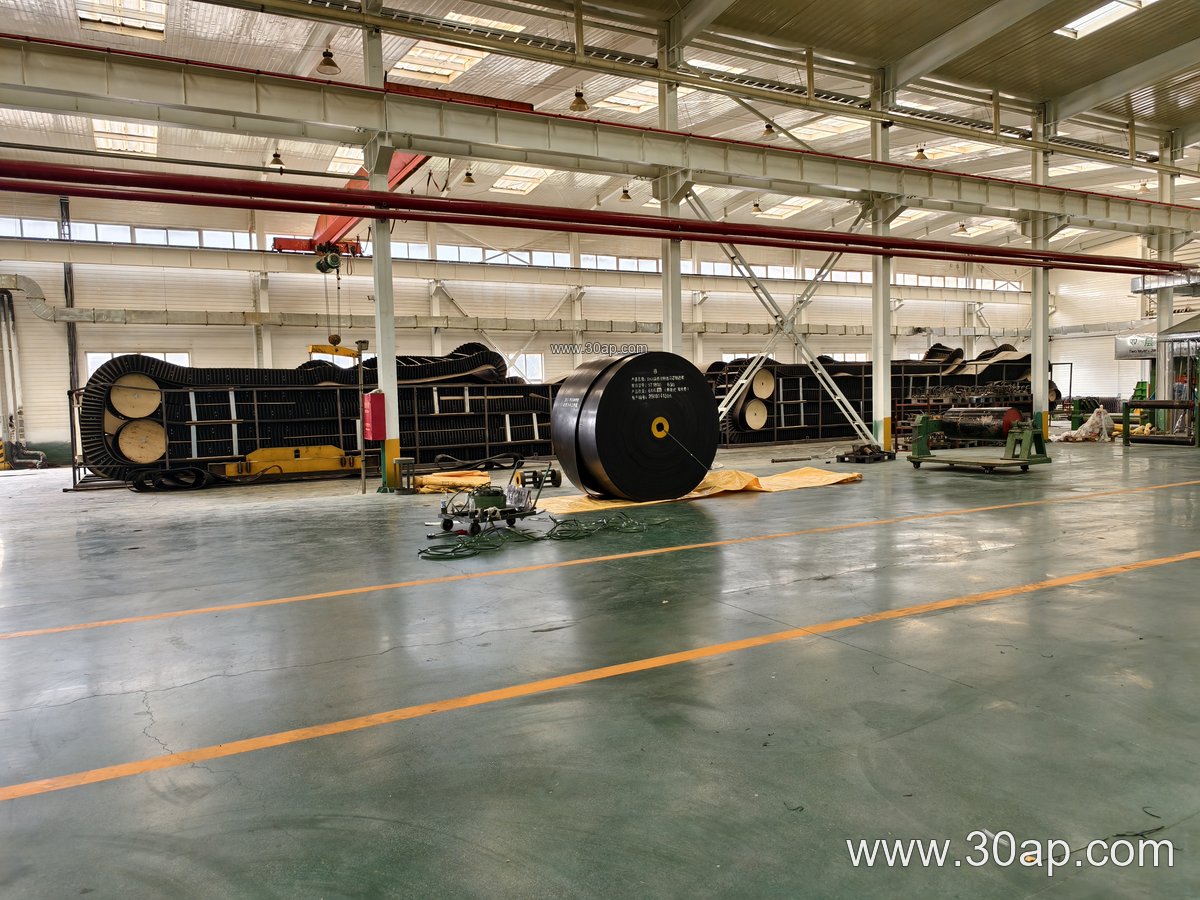
Wide belts need careful alignment during installation. Check that the idler roller frames are square to the belt line, that the pulleys are parallel, and that the conveyor brackets are tight. Keep the belt tracking straight, inspect the edges for cuts and monitor the splice. Clean the return side and avoid material buildup on the tail pulley, which can cause mistracking on a belt this wide. Store spare belt rolls on a flat, dry surface and avoid sharp bends that could crack the cover.