What a Spiral Return Idler Does
A spiral return idler is a return-side conveyor idler roller with a helical steel strip or fin welded around its shell. This spiral return idler, also called a helical return roller, supports the empty conveyor belt on the return run while its spiral profile sheds carried-back material. In a quarry, cement plant, or coal handling system, fines often stick to the belt and drop off at the tail. The spiral return idler helps break that crust and guide debris away from the belt surface before it reaches the tail pulley.
Construction and Common Features
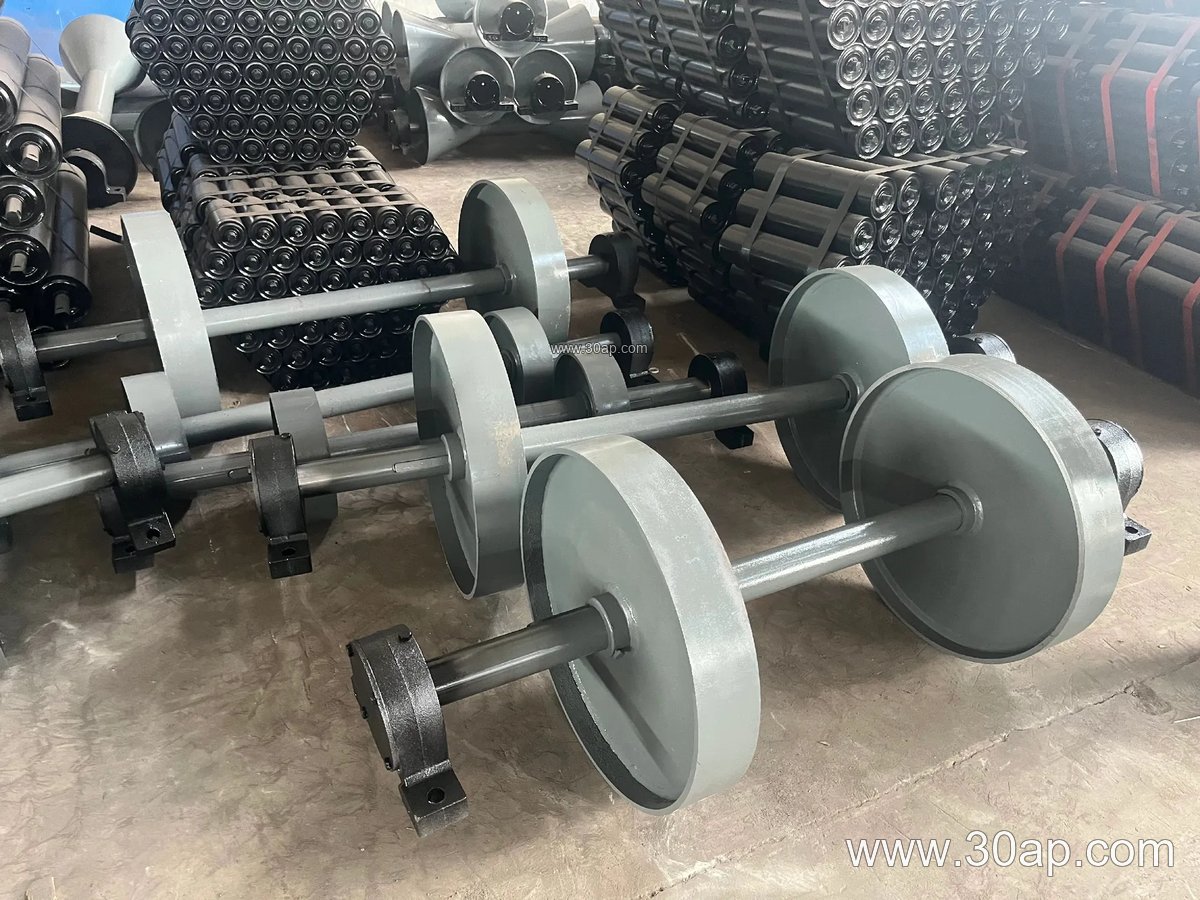
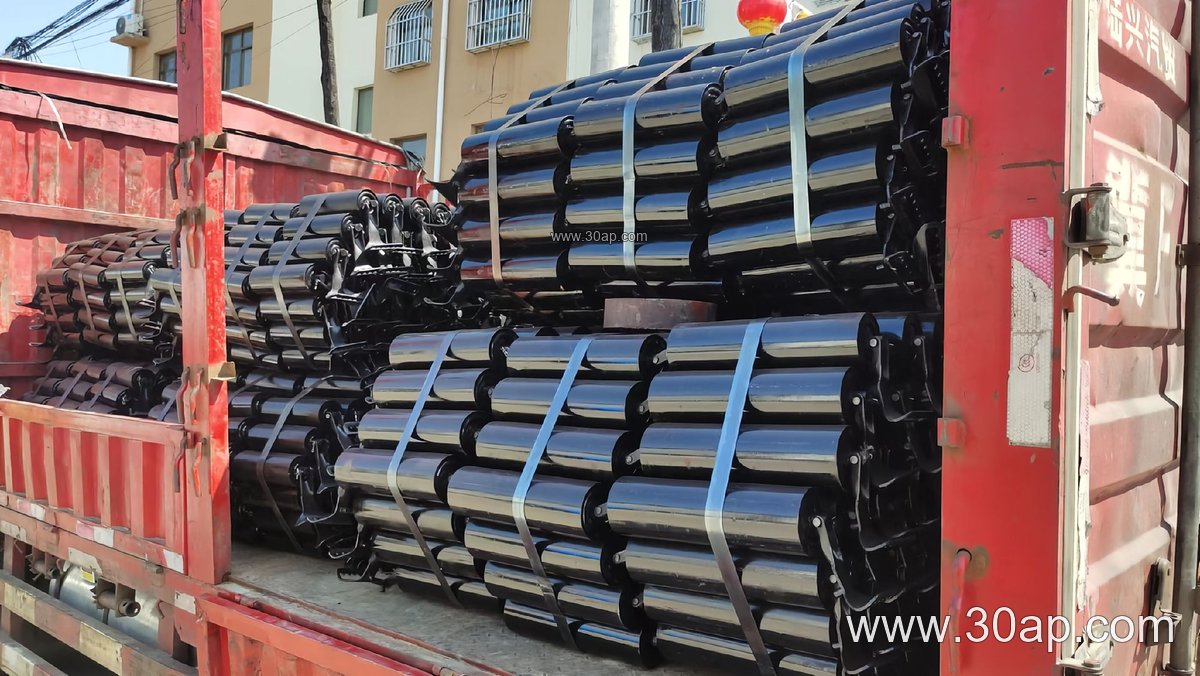
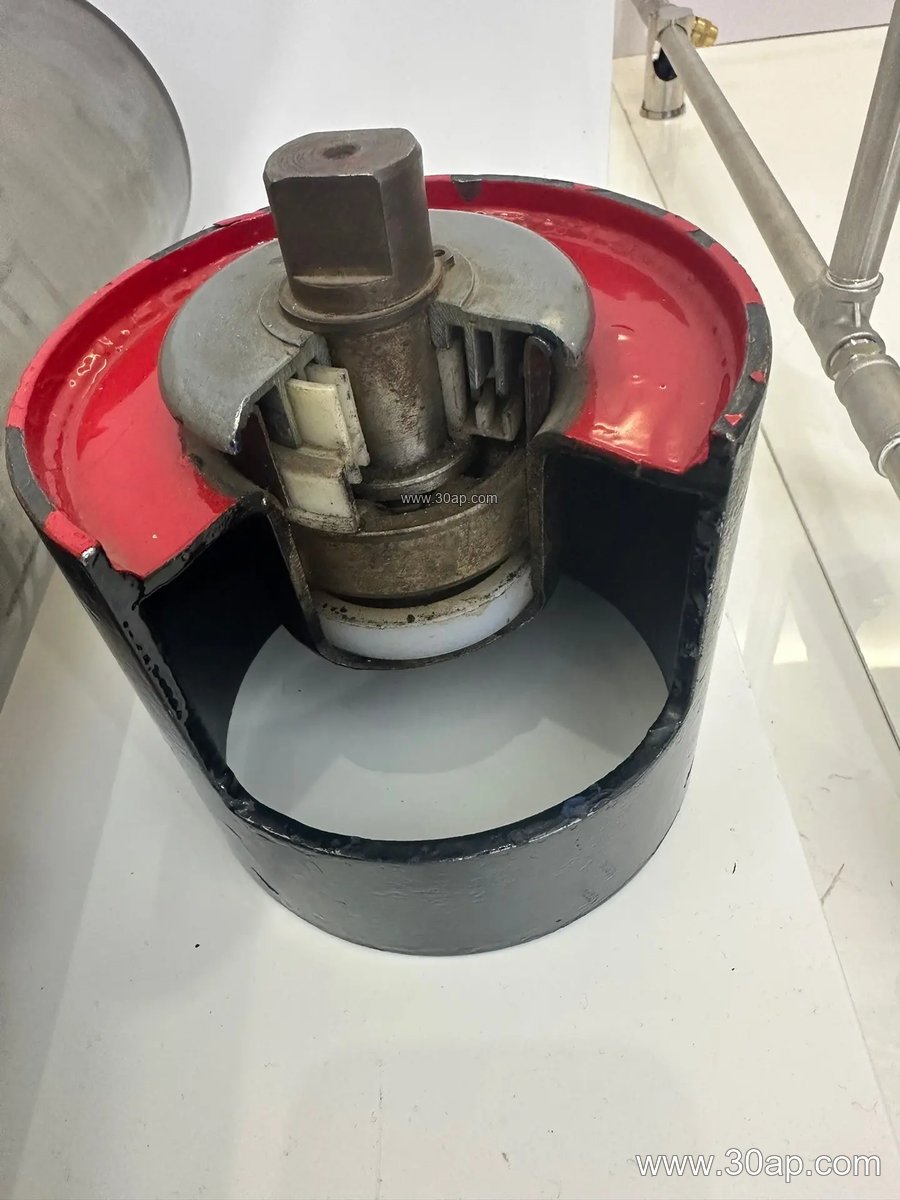
The body is usually a steel tube with a continuous spiral flight. Standard roller shells may be plain steel, nylon, ceramic, or rubber-covered, but for this return idler the spiral fin is the defining feature. Bearings are housed in sealed end caps; common bearing sizes include 6204, 6205, 6305, 6306, 6308, and 6310. The spiral return idler is generally mounted on the return run with conveyor brackets, either as a single roller or as part of a return idler set. Shaft ends and bearing housings follow the conveyor frame design, so replacement should match the existing bracket spacing and shaft diameter.
Where It Fits on the Conveyor
This idler belongs on the return strand, not on the carrying side. It is not a troughing idler, not a impact idler, and not an aligning idler. It is also not a drive pulley, tail pulley, or bend pulley; those are conveyor pulleys with different functions. The spiral return idler is often used in aggregate plants, limestone mines, iron ore operations, coal preparation plants, power plant coal conveying, and tunnel spoil handling where sticky material is a concern. It can be placed at intervals along the return run, especially before the tail pulley, to reduce build-up.
Parameters to Confirm Before Ordering
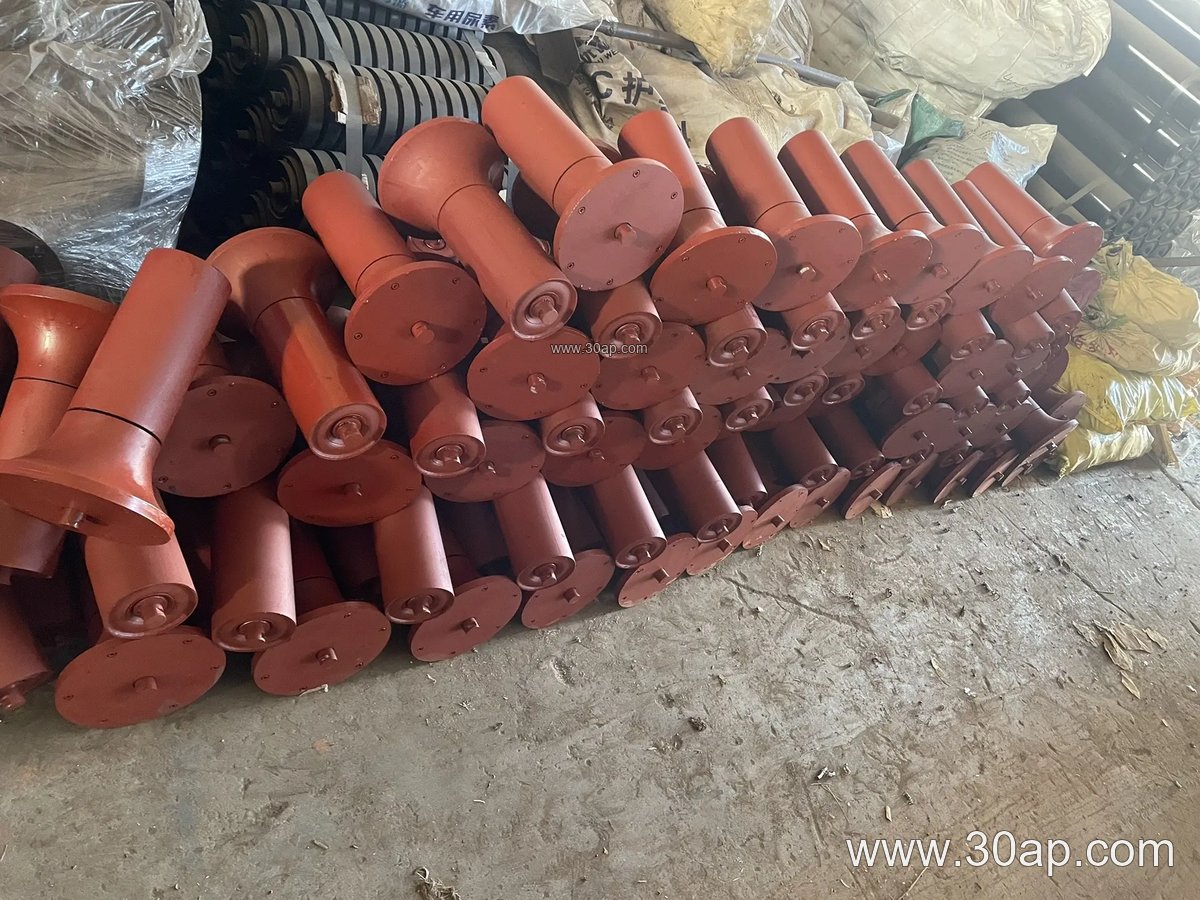
Buyers should confirm roller diameter, belt width, shaft size, bearing type, and bracket compatibility. Common roller diameters for return idlers include Ø89, Ø102, Ø108, Ø127, Ø133, Ø159, and Ø178. Belt widths are often B500, B650, B800, B1000, B1200, B1400, and B1600, but roller length is not fixed by belt width alone. The table below gives reference examples only; actual dimensions depend on the conveyor design and idler arrangement.
| Reference Belt Width | Typical Roller Length Example | Common Roller Diameter Range |
|---|---|---|
| B500 | 200 mm | Ø89 to Ø108 |
| B650 | 250 mm | Ø89 to Ø133 |
| B800 | 315 mm | Ø102 to Ø159 |
| B1000 | 380 mm | Ø108 to Ø159 |
| B1200 | 465 mm | Ø127 to Ø178 |
| B1400 | 530 mm | Ø133 to Ø178 |
| B1600 | 600 mm | Ø159 to Ø178 |
These values are common examples, not universal specifications. The shaft diameter should be confirmed from the conveyor bracket and bearing housing, never assumed from belt width alone. Bearing number and roller diameter also need to be matched to the load and speed of the return run.
Buyer Checklist and Maintenance Notes
- Check that the spiral direction and pitch suit the belt travel direction and the material being shed.
- Verify the return idler is compatible with the existing conveyor bracket and frame height.
- Confirm the roller shell material and bearing seal type for dusty or wet conditions.
- Inspect for material wrap, fin wear, and bearing play during routine maintenance.
- Keep the return run aligned and clean to avoid uneven wear on the spiral return idler.
In short, the spiral return idler is a return-side support roller with a helical surface that helps keep the belt cleaner. It should be selected by conveyor duty, bracket fit, and material conditions rather than by belt width alone.