What Is a Conveyor Idler Bracket
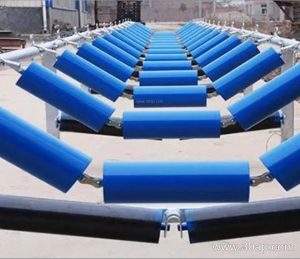
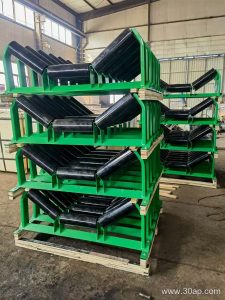
A conveyor idler bracket is the structural component that holds idler rollers in position along a conveyor belt. Often referred to as an idler frame or roller bracket, it provides the mounting interface between the idler roller and the conveyor’s main frame. In quarry operations, coal washing plants, and cement production lines, these brackets ensure that the belt maintains proper alignment and support, directly influencing the efficiency and longevity of the entire conveyor system.
Unlike drive pulleys, tail pulleys, or bend pulleys, which transmit power and change belt direction, the idler bracket serves a static support role. It does not rotate but must withstand continuous load, vibration, and environmental stress. The design of the bracket affects the belt’s troughing angle, the spacing of idlers, and the ease of maintenance.
Construction and Materials
Conveyor idler brackets are typically fabricated from angle steel, channel steel, or folded steel plate. The choice of material and thickness depends on the load requirements and the operating environment. For instance, in a limestone mine where dust and moisture are prevalent, brackets may be galvanized or coated for corrosion resistance. The manufacturing process involves cutting, drilling, and welding to create precise mounting holes and support surfaces.
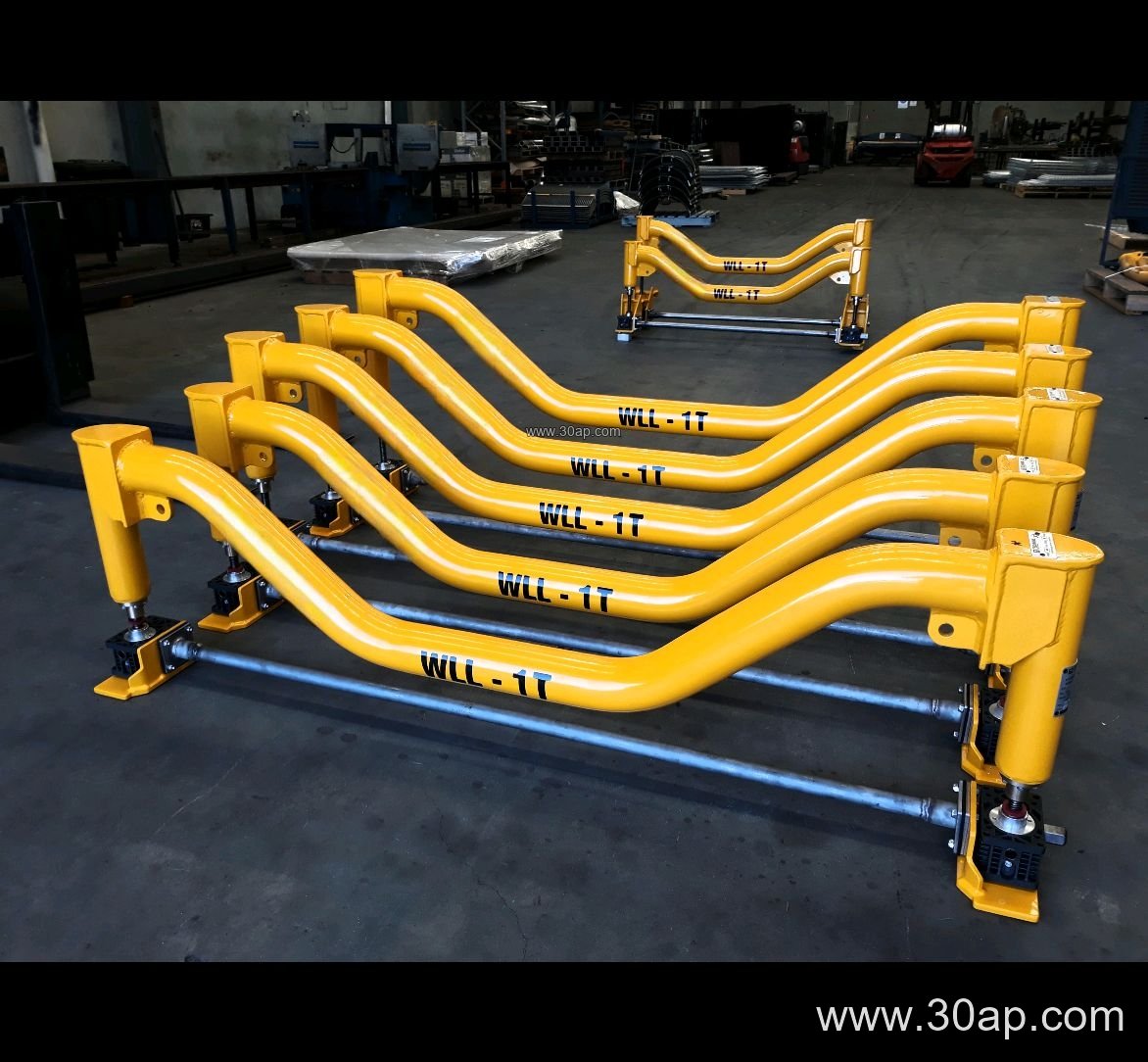
Key structural features include:
- Mounting slots or holes for attaching idler rollers.
- Adjustment mechanisms in adjustable brackets to vary trough angle.
- Reinforcement ribs for added strength in heavy-duty applications.
Common materials include Q235 carbon steel or equivalent, with thicknesses ranging from 3 mm to 8 mm, though specifications vary by design and load.
Types and Configurations
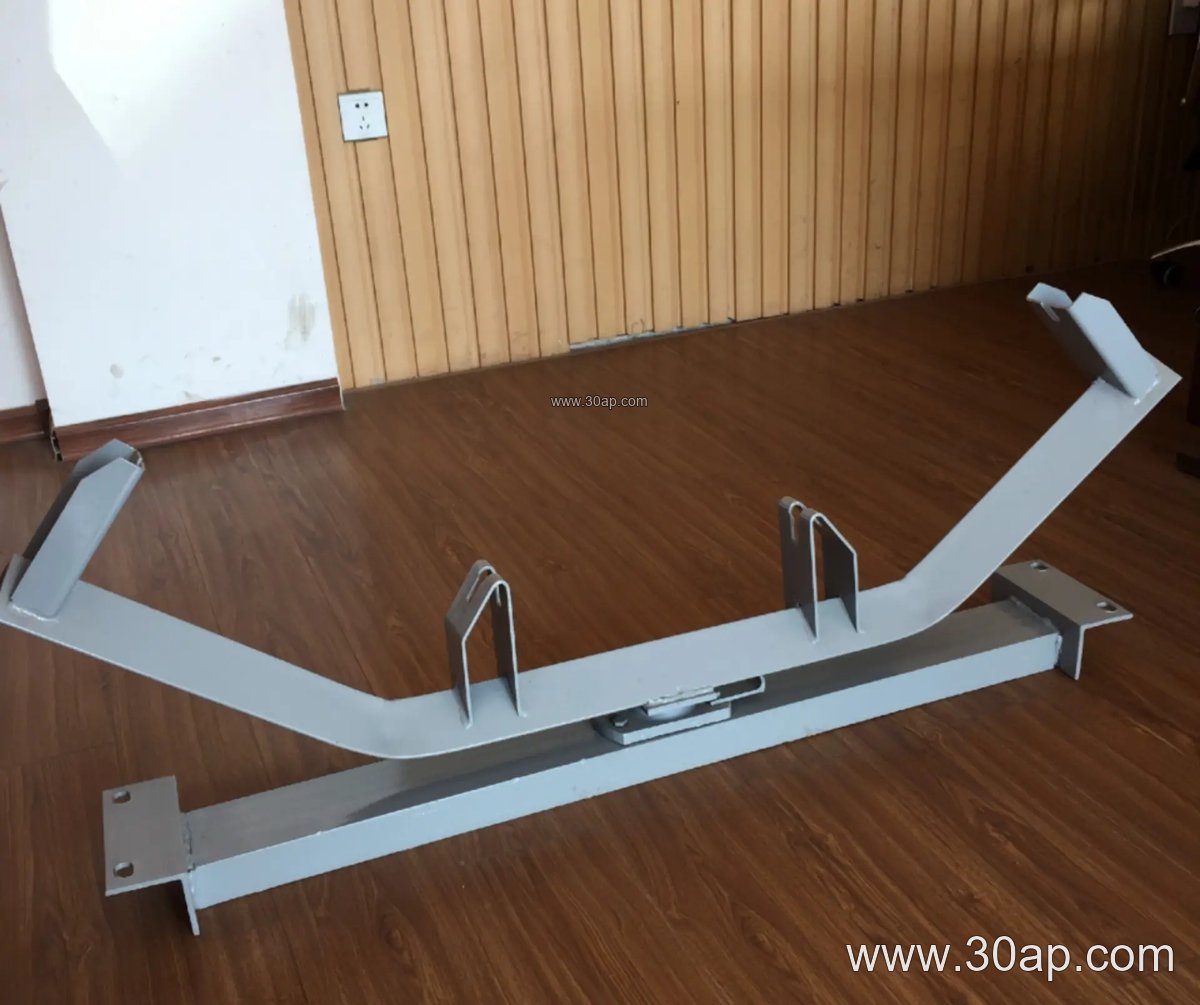
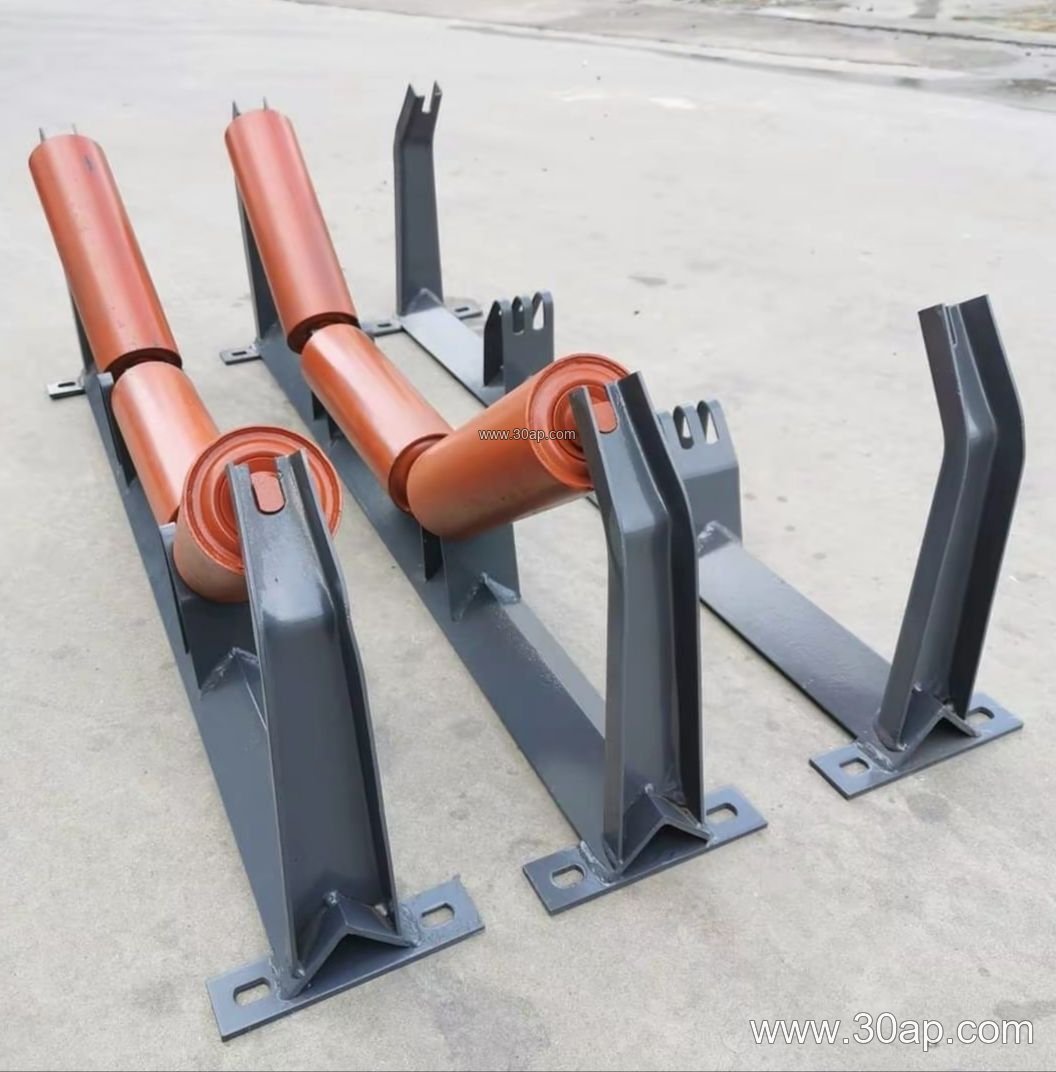
Several bracket types exist to suit different belt lines and operational needs. The most common is the troughing idler bracket (also called carry bracket), which supports the belt on the carrying side and sets the trough angle. Other types include:
- Return bracket for supporting the belt on the return side.
- Impact bracket used at loading points to absorb shock.
- Self-aligning bracket to correct belt tracking.
- Adjustable bracket allowing trough angle changes.
Each type is designed for a specific location and function, and they are not interchangeable with pulleys or other conveyor components.
Key Parameters and Selection
When selecting a conveyor idler bracket, several parameters must be considered to ensure compatibility with the conveyor belt and idler rollers. The table below outlines common reference values; actual specifications should be confirmed with the manufacturer.
| Parameter | Common Range | Notes |
|---|---|---|
| Belt width (B) | B500 to B2200 | Bracket length and hole spacing vary with belt width. |
| Trough angle | 20°, 30°, 35°, 45° | Adjustable brackets can be set within this range. |
| Idler diameter (Ø) | Ø89, Ø108, Ø133, Ø159, Ø194 | Match bracket mounting to idler shaft size. |
| Material | Angle steel, channel steel, folded plate | Thickness per design load. |
For example, a B800 belt with a 35° trough angle might use Ø108 idlers, while a B1200 belt with 45° troughing could pair with Ø133 idlers. However, these are not fixed combinations; engineering design and load calculations determine the final match. The bracket’s mounting hole spacing and crossbeam length are customized based on belt width and trough angle, so they are not universal constants.
Applications in Industry
Conveyor idler brackets are found in a wide range of bulk material handling operations. In a sand and gravel plant, they support the belt through crushing and screening circuits. In a coal-fired power plant, they ensure reliable coal transport from stockyard to boiler. Other industries include fertilizer production, grain silos, and tunnel excavation. The bracket’s robustness and correct alignment are critical to minimizing belt wear and preventing material spillage.
Installation and Maintenance Tips
Proper installation of the idler bracket ensures optimal belt performance. Brackets should be aligned squarely to the conveyor centerline, and mounting bolts tightened to the recommended torque. For adjustable brackets, the trough angle should be set according to the belt’s load and material characteristics; a common practice is to use 30° or 35° for general bulk materials, while 45° may be used for higher capacity. Forward tilt of about 1.5° to 2° is sometimes applied in self-aligning brackets to aid belt tracking.
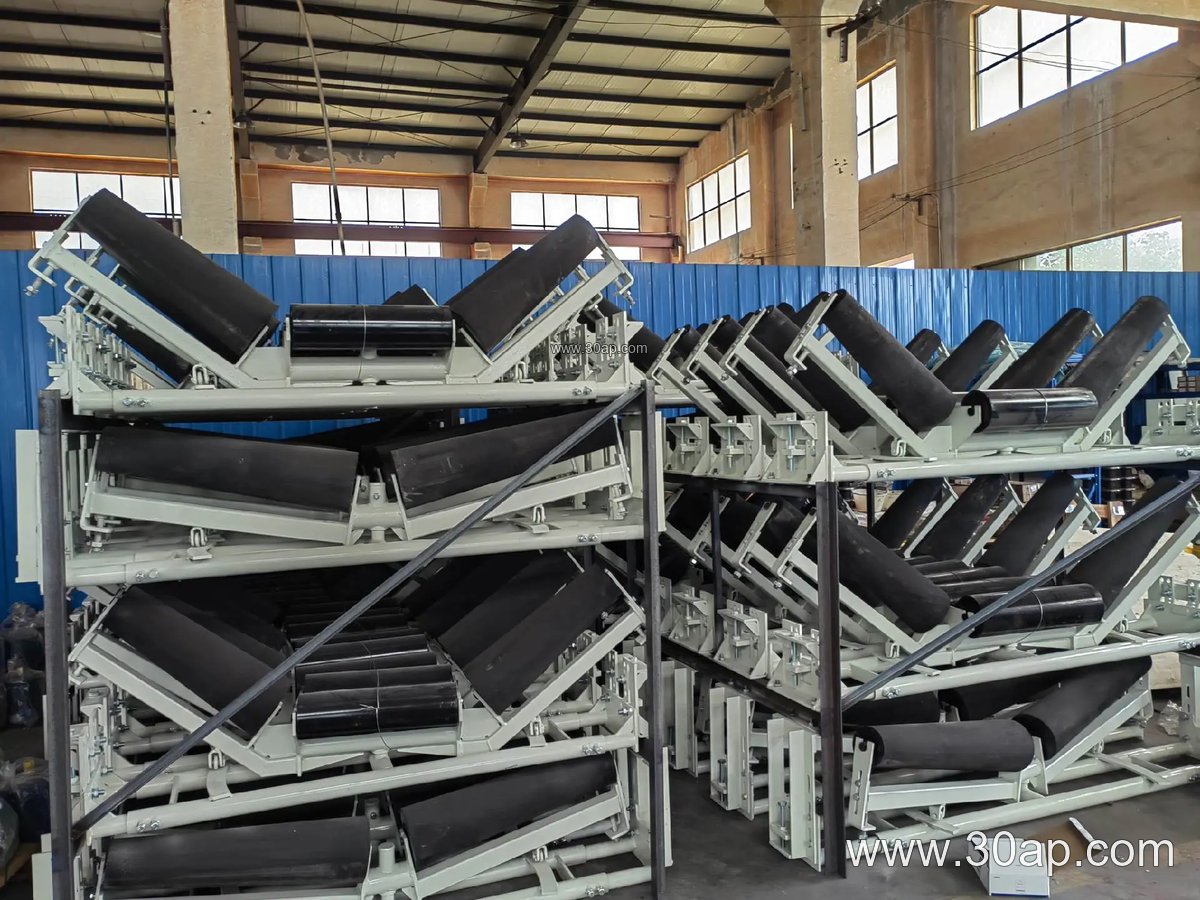
Routine maintenance includes checking for loose bolts, corrosion, and deformation. In dusty environments such as a cement plant, periodic cleaning prevents material buildup that could misalign the bracket. Replacing worn brackets promptly avoids damage to idler rollers and the conveyor belt.
Buyer’s Checklist
Before purchasing conveyor idler brackets, consider the following:
- Verify the belt width and required trough angle.
- Confirm the idler roller diameter and shaft size for proper fit.
- Select the appropriate bracket type (troughing, return, impact, etc.).
- Check material and surface treatment for environmental conditions.
- Ensure mounting dimensions match the conveyor frame.
By focusing on these factors, buyers can secure brackets that enhance conveyor reliability and reduce downtime. Always consult with the conveyor designer or a qualified engineer to determine the exact specifications for your application.