What a Vertical Guide Idler Does
A vertical guide idler is a specialized conveyor component used to keep the conveyor belt centered and tracking correctly, particularly on the return run. Unlike standard carrying or impact idlers, this vertical guide idler—also known as a vertical return guide roller—is mounted vertically or at a steep angle to contact the belt edge. Its purpose is to prevent belt misalignment and edge damage, especially where the belt may wander due to side loads, off-center loading, or conveyor geometry. In industries such as mining, coal preparation, and cement plants, proper belt tracking is critical to avoid spillage and premature wear. The vertical guide idler complements the main idler roller set and works alongside conveyor pulleys and conveyor brackets to maintain belt integrity.
Construction and Key Components
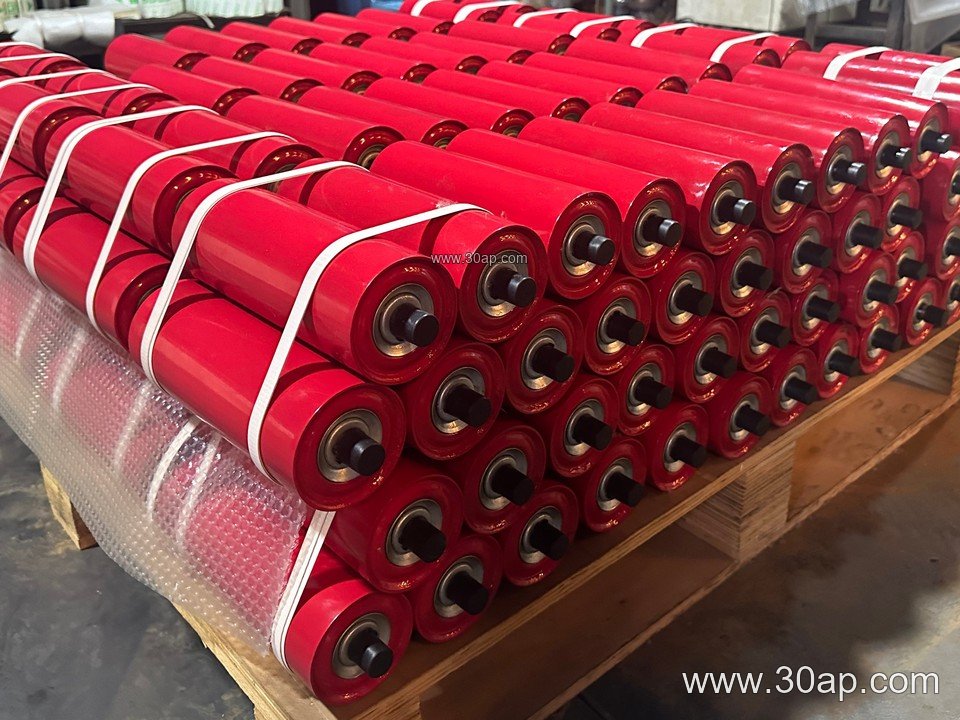
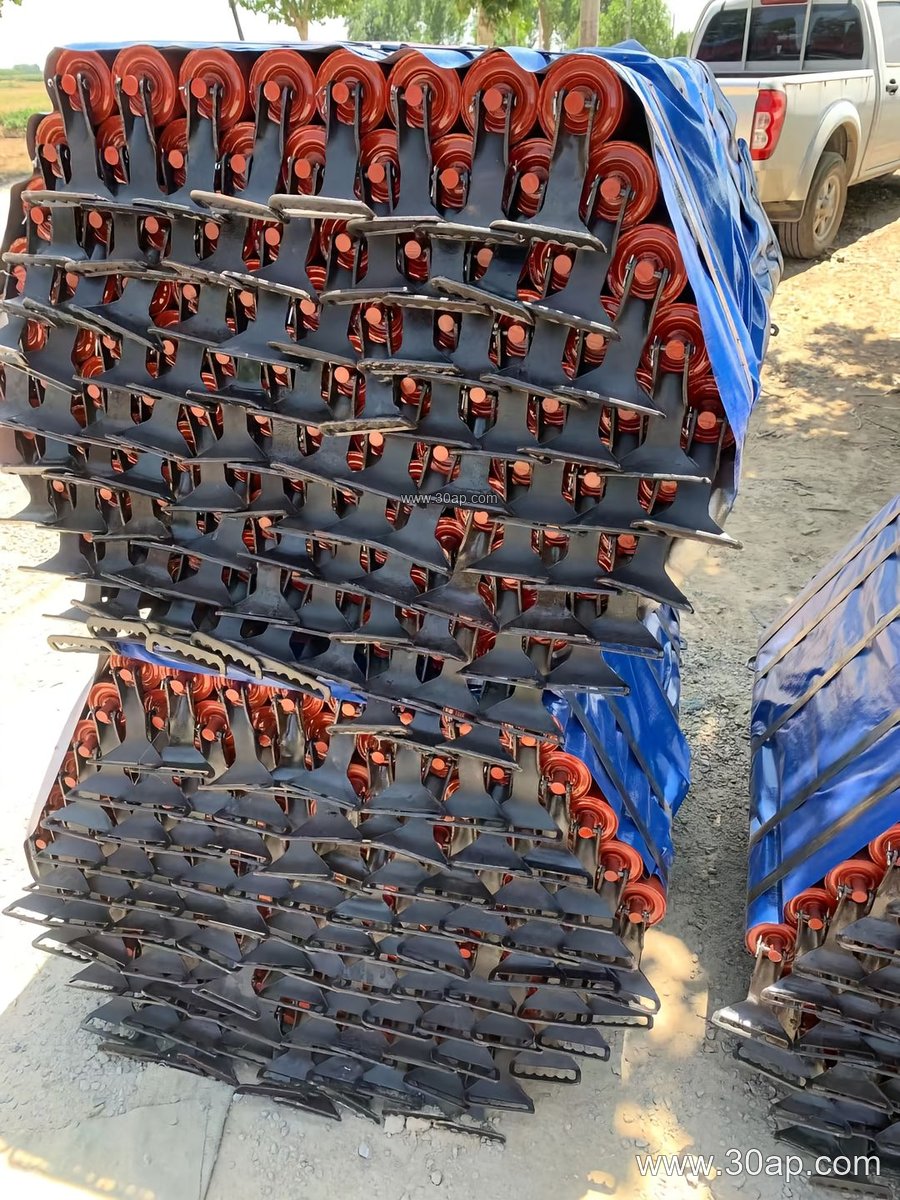
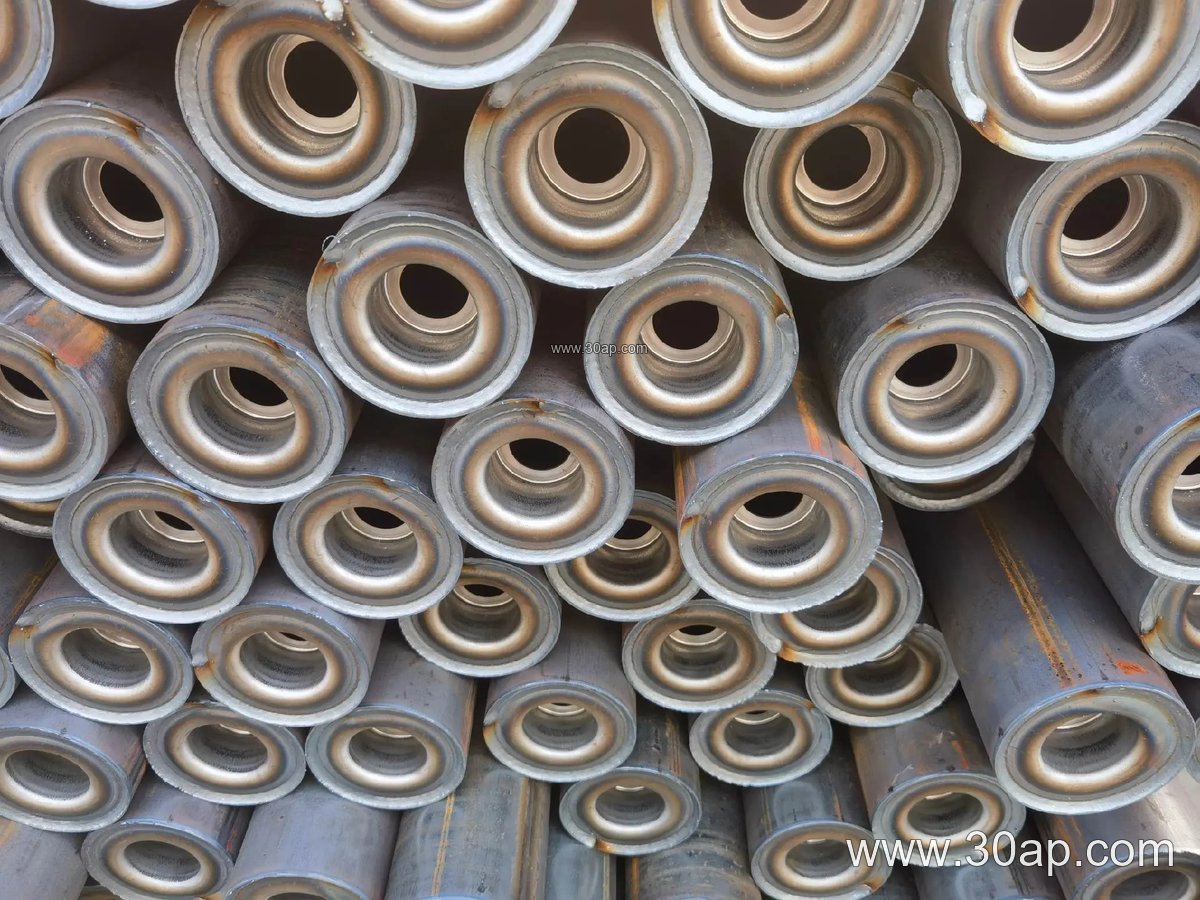
The vertical guide idler typically consists of a sturdy shaft, bearings, and a roller shell. The shell may be made of steel, nylon, or rubber-covered to provide grip and protect the belt edge. Common bearing sizes include 6204, 6205, 6305, and 6306, selected based on load and speed requirements. The roller diameter is often in the range of Ø63 to Ø133 mm, but the exact size depends on the belt width and the guide’s mounting position. The idler is supported by a bracket that allows vertical adjustment for precise belt contact. The design must withstand dust, moisture, and continuous operation in harsh environments such as coal mines or aggregate plants.
Where It Is Used
Vertical guide idlers are commonly installed on the return side of the conveyor, near the tail pulley or before the bend pulley, to correct belt tracking before the belt enters the drive pulley. They are also found in quarry and gravel lines, power plant coal handling systems, and steel mill sinter lines. In these settings, the vertical guide idler helps prevent the conveyor belt from rubbing against the structure, reducing the risk of fraying and material spillage. It is not a substitute for a bend pulley or a tail pulley; rather, it is a tracking aid that works in conjunction with the main conveyor components.
Selection and Sizing Considerations
When choosing a vertical guide idler, buyers should consider belt width, belt speed, and the expected side load. The roller length and diameter should match the belt width and the available mounting space. For example, a belt width of B800 or B1000 may use a guide idler with a roller length of 315 mm or 380 mm, but this is not a fixed rule—the actual dimensions are determined by the conveyor design. The table below shows common reference values for idler roller diameters and belt widths, but these are for guidance only and should not be taken as universal specifications.
| Belt Width (mm) | Common Guide Idler Diameter (mm) | Typical Bearing Size |
|---|---|---|
| B500 | Ø63 – Ø89 | 6204 |
| B650 | Ø76 – Ø102 | 6205 |
| B800 | Ø89 – Ø108 | 6205 or 6305 |
| B1000 | Ø102 – Ø127 | 6305 or 6306 |
| B1200 | Ø108 – Ø133 | 6306 |
Note that the shaft diameter is not determined by belt width alone; it depends on the load and the bracket design. Always consult the conveyor manufacturer for exact specifications.
Maintenance and Installation Tips
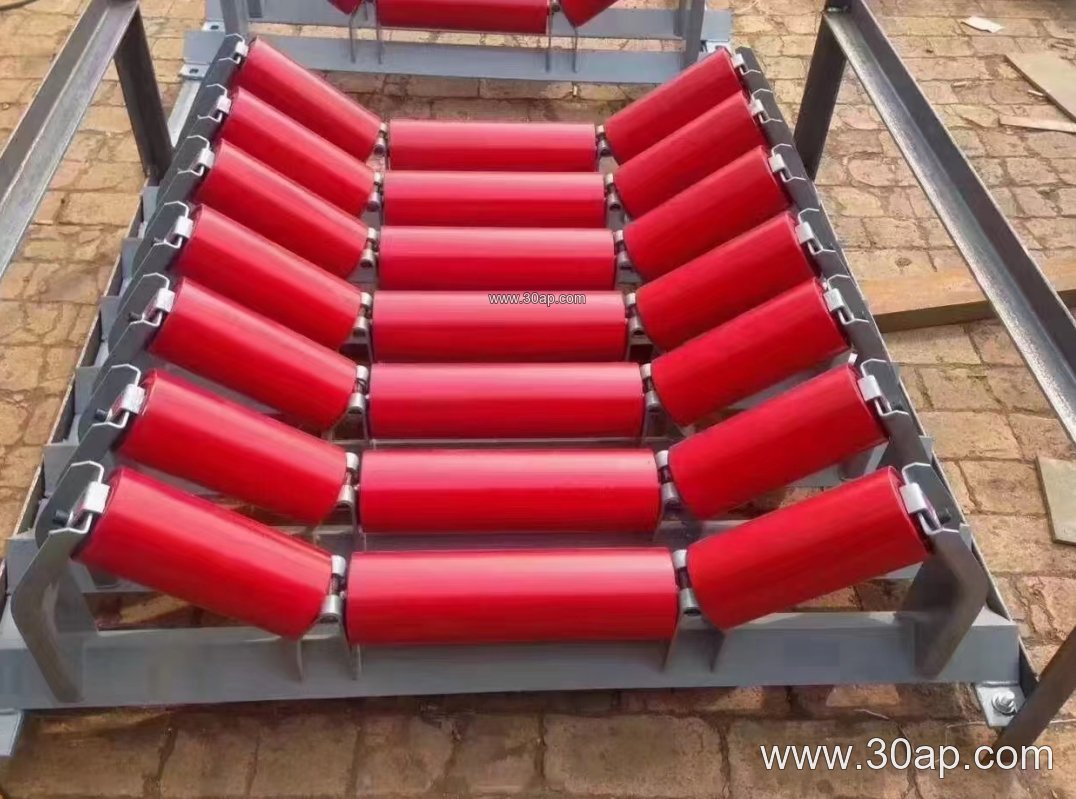
Proper installation is key to the performance of a vertical guide idler. The idler should be aligned so that it contacts the belt edge squarely and does not force the belt excessively. Regular inspection for bearing wear, roller surface damage, and bracket tightness is recommended, especially in dusty environments like coal mines or cement plants. Lubrication schedules should follow the manufacturer’s recommendations. When replacing a vertical guide idler, ensure the new unit matches the original dimensions and load rating to maintain proper belt tracking.
Summary
The vertical guide idler is a reliable solution for belt alignment in demanding conveyor systems. By understanding its construction, applications, and selection criteria, buyers can make informed decisions to improve conveyor reliability and reduce downtime.