What a Bulk Material Conveyor Belt Does
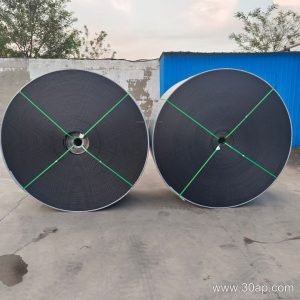
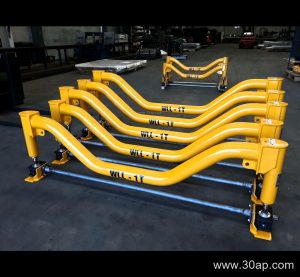
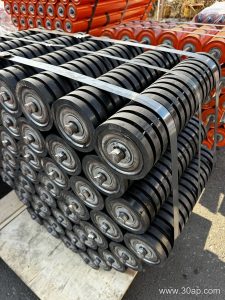
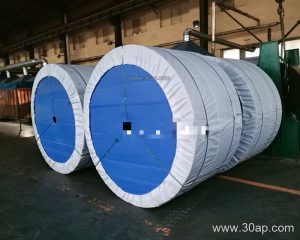
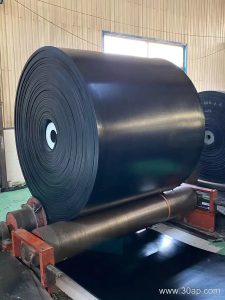
A bulk material conveyor belt is the load-carrying element of a continuous handling system, moving crushed rock, ore, coal, clinker, sand, gravel and similar loose materials between process stages. In a mine, coal preparation plant, cement works, power station or sand and gravel yard, this rubber belt runs over idler rollers and wraps around conveyor pulleys at the head and tail, while a conveyor bracket frame holds the whole line in alignment. The belt is not simply a flat strip; its carcass, cover compounds and edge construction are chosen together for the duty.
How the Belt Is Built
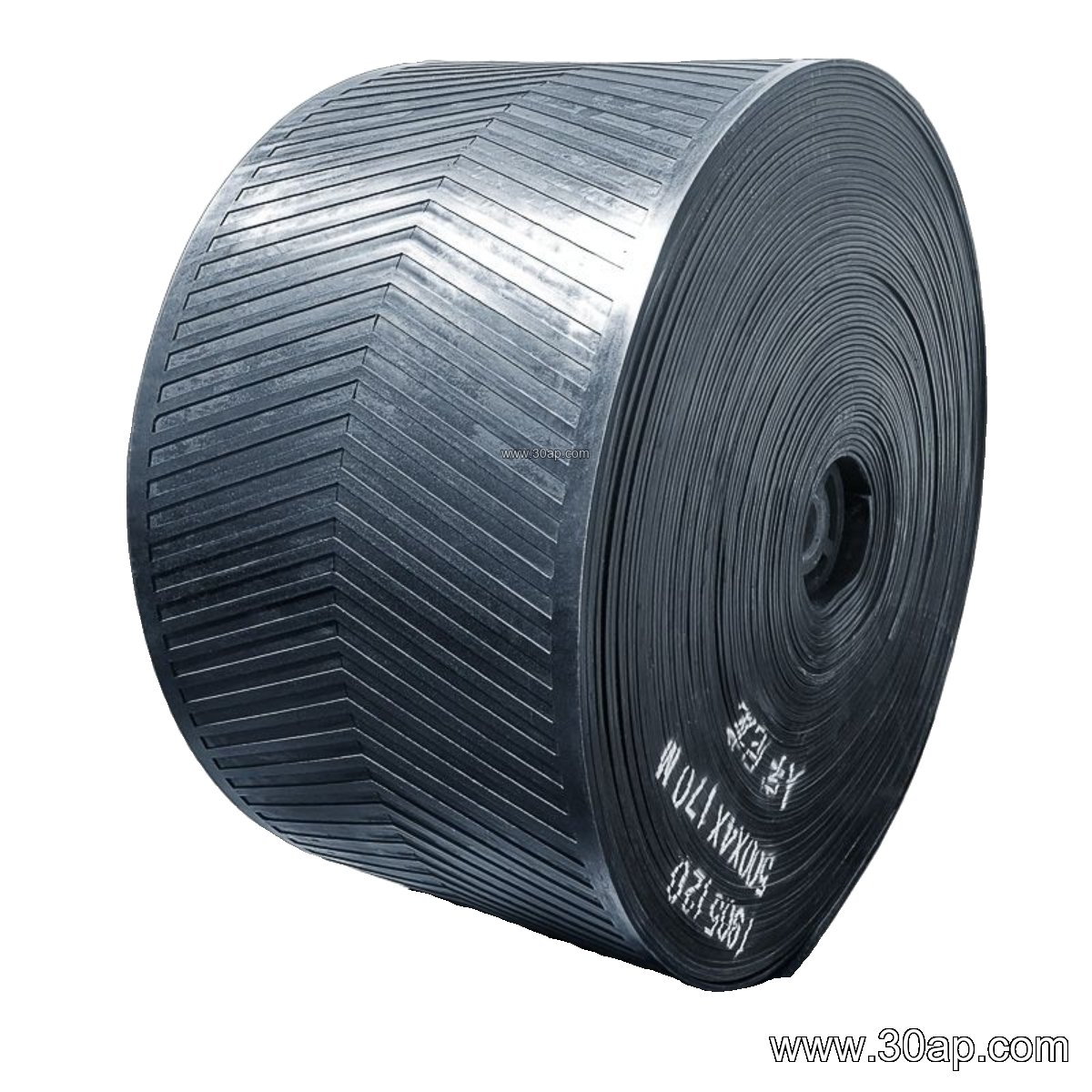
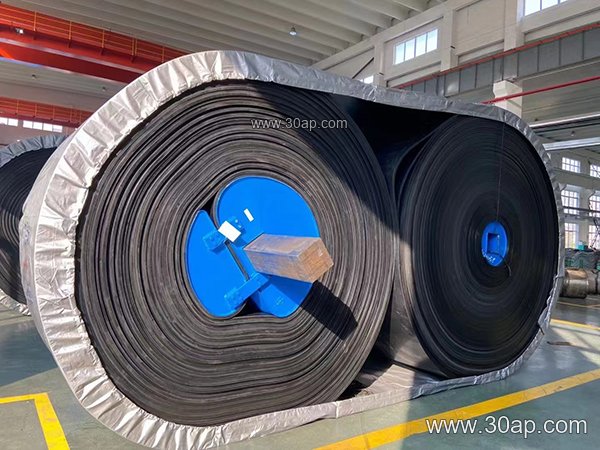
Most heavy-duty belts combine a fabric or steel cord carcass with rubber covers on both faces. The carcass carries tension and resists impact, while the top cover protects against abrasion and the bottom cover runs against the idler roller. Common constructions include EP (polyester-cotton) belt, NN nylon belt and steel cord belt, plus PVC and PVG belts for lighter or special service. Cover thickness is usually written as a pair, for example 4+2 mm or 6+2 mm, meaning top cover plus bottom cover. Carcass layers commonly range from 2 to 6 plies in fabric belts, and the full thickness is set by the designer rather than by a single rule.
Cover and Carcass Reference Data
The values below are common reference points, not universal specifications. Actual supply depends on the manufacturer and the site conditions.
| Item | Typical reference values |
|---|---|
| Belt type | EP, NN nylon, steel cord, PVC, PVG; wear-resistant, heat-resistant, oil-resistant, flame-retardant, antistatic, cold-resistant, acid and alkali resistant, patterned, chevron, corrugated sidewall |
| Tensile strength grade | EP200, EP315, EP400, EP500, EP630, EP800, EP1000, EP1250, EP1600, EP2000 |
| Belt width | B500, B650, B800, B1000, B1200, B1400, B1600, B1800, B2000 |
| Cover thickness | 3+1.5, 4+2, 5+2, 6+2, 8+3 mm |
| Carcass plies | Commonly 2 to 6 layers in fabric construction |
Where It Is Used
In mining and quarrying, a bulk material conveyor belt handles run-of-mine rock and screened aggregate, often on long inclined routes. Coal handling in power plants and coal washeries relies on flame-retardant and antistatic grades. Cement plants move limestone, raw meal and clinker, where heat-resistant and wear-resistant covers matter. Sand and gravel plants, ports and steel works use similar belts for stockpiling and transfer. On inclines, chevron or patterned surfaces and corrugated sidewall belts help hold the load, while the conveyor pulley at the drive end provides the motion and the tail pulley maintains tracking.
Points a Buyer Should Check
- Duty and material: state the material, lump size, moisture, temperature and any oil or chemical exposure so the cover compound and carcass grade match the job.
- Strength grade: the EP or steel cord grade should follow the calculated belt tension, not a habit or a neighbouring line.
- Width and speed: belt width must suit the required capacity and lump size; it is not tied to one pulley diameter, and shaft size is a separate design decision.
- Cover thickness: thicker top covers suit abrasive rock, while impact zones may need additional protection at transfer points.
- Safety grades: underground coal and dusty environments usually call for flame-retardant and antistatic properties.
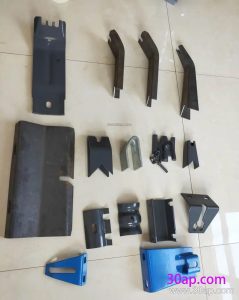
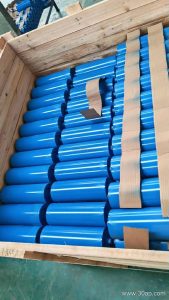
- Supporting parts: confirm that idler roller spacing, conveyor pulley dimensions and conveyor bracket layout are consistent with the belt thickness and splice method.
- Maintenance: check edge wear, cover gouges and splice condition regularly; misalignment often shows first as uneven wear along one edge.
Specification and Ordering Notes
When requesting a quotation, give the belt type, strength grade, width, cover thickness, ply count and any special surface form, together with the conveyor layout and operating environment. A specification such as EP630, B1200, 6+2 mm describes the grade, width and covers, but the final construction should be confirmed against the actual tension and impact conditions. Values in this article are reference data only; each project should be verified with the supplier and the conveyor design.