What a Conveyor Belt Pulley Does
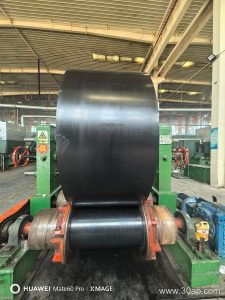
A conveyor belt pulley is the rotating drum that transmits power to the belt or changes its direction of travel. In a typical conveyor system, the drive pulley, also called the head pulley, grips the belt and moves it forward. The tail pulley at the loading end redirects the belt, while bend pulleys and take-up pulleys guide the belt through tensioning and return paths. Each position demands a different pulley design, and understanding these differences helps buyers specify the right component for aggregates, coal handling, cement plants, or power station coal yards.
Construction and Key Components
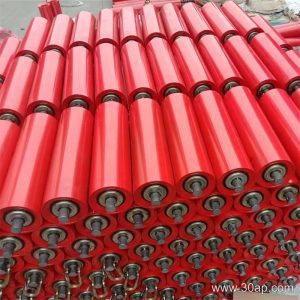
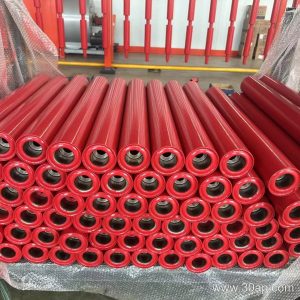
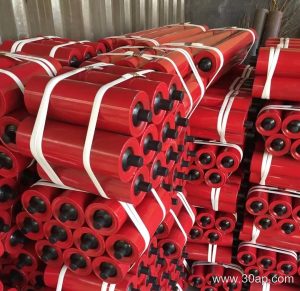
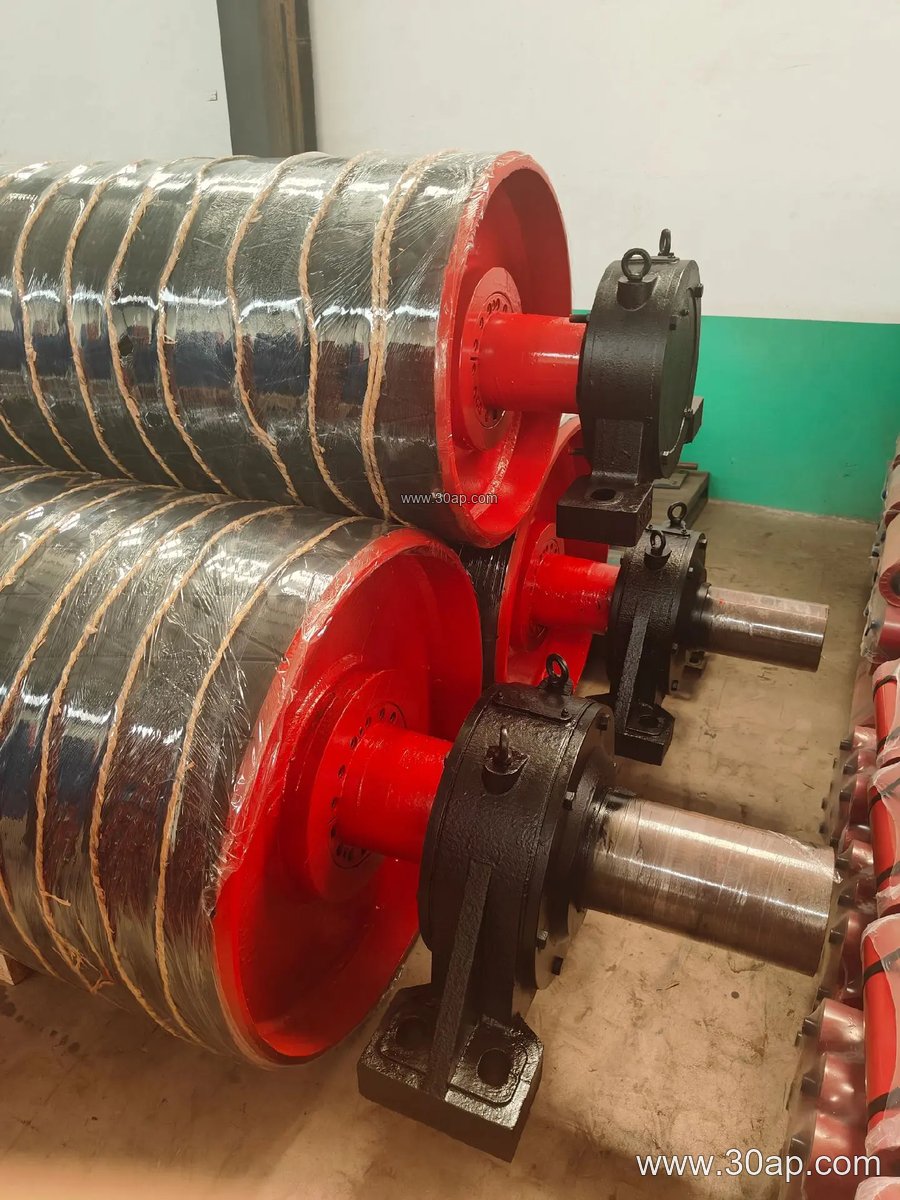
Most pulleys consist of a cylindrical shell, end discs, a shaft, and bearing housings. The shell is often made from rolled steel, and the shaft is sized according to torque and radial load rather than belt width alone. Common shaft diameters include Ø50, Ø60, Ø70, Ø80, Ø90, Ø100, Ø120, Ø140, Ø160, Ø180, and Ø200 mm, but final selection depends on the drive calculation. Bearings are mounted in housings that bolt to the conveyor bracket or frame. Surface preparation matters: plain steel shells suit non-drive positions, while lagged surfaces improve grip on drive pulleys.
Common Pulley Types and Their Roles
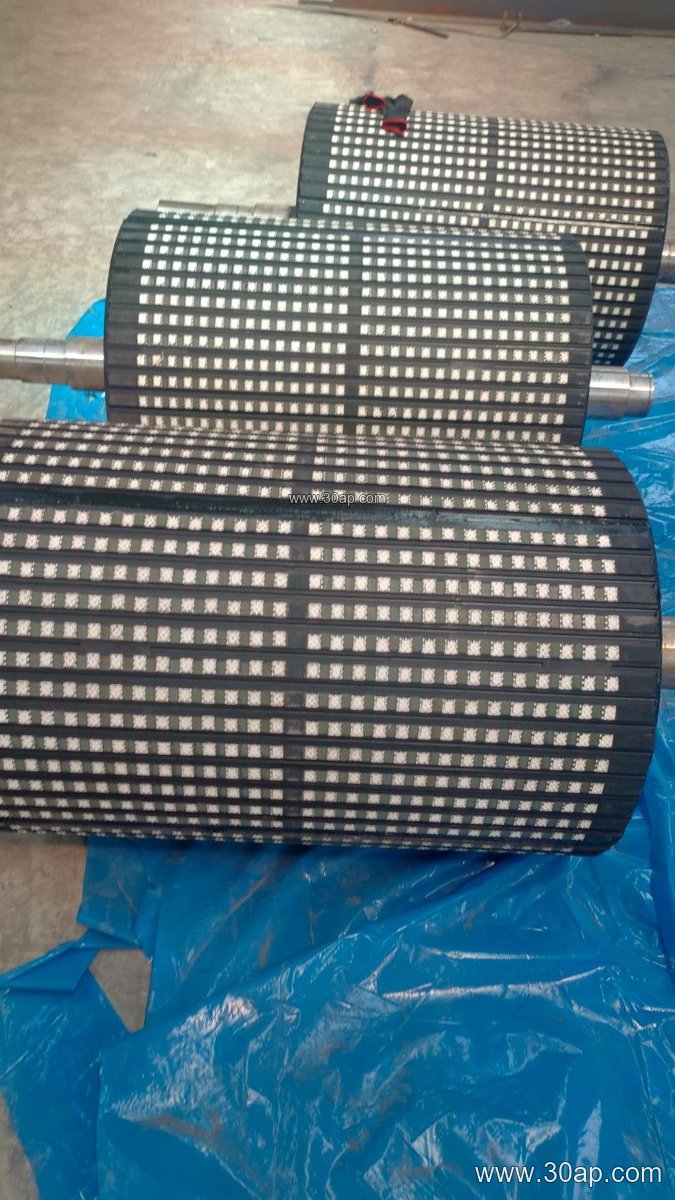
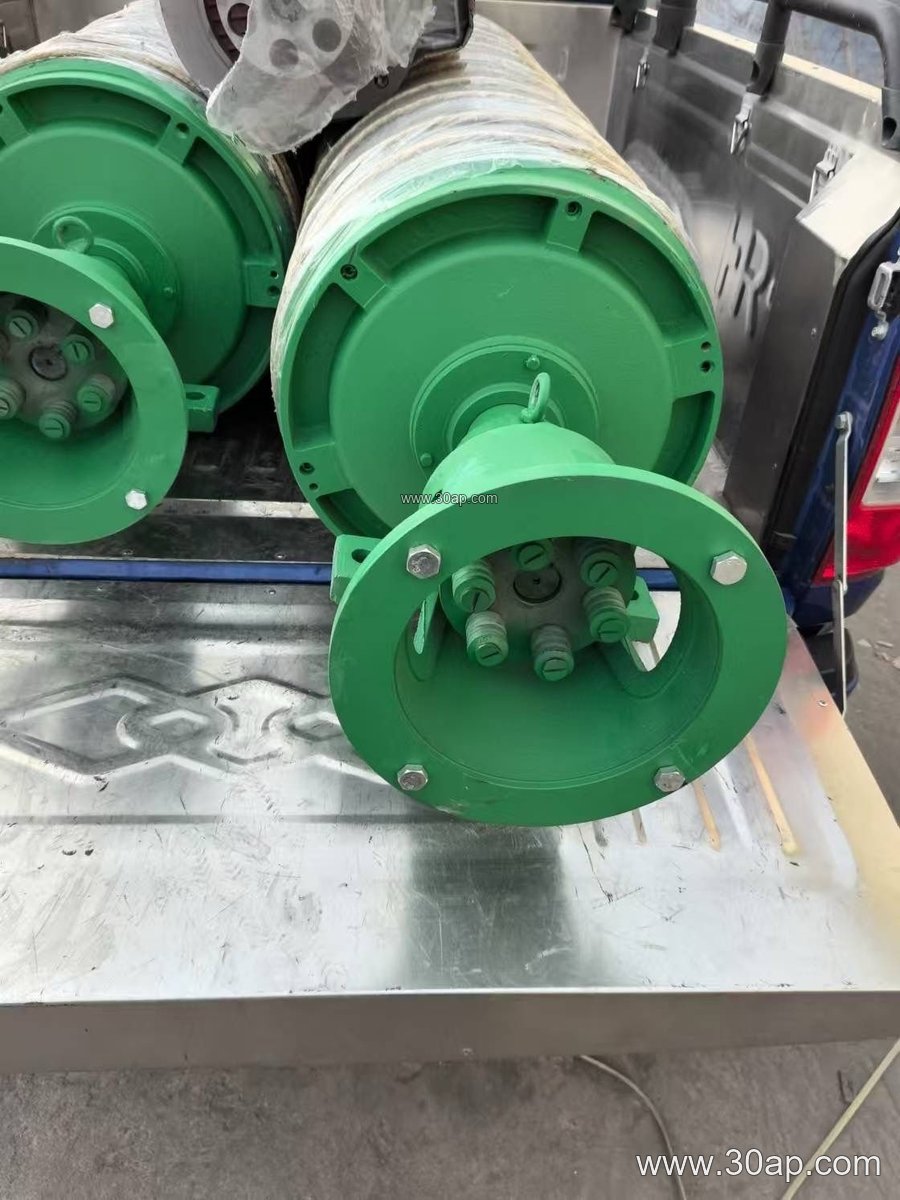
Drive pulleys and tail pulleys are not interchangeable. A drive pulley usually carries lagging to increase friction between the drum and the conveyor belt. Tail pulleys may be plain or lagged depending on material carryback and belt cleaning needs. Bend pulleys and take-up pulleys handle lower tension and often run with plain surfaces. Electric drum motors integrate the drive inside the pulley shell, which saves space in compact transfer points. Wing pulleys, with raised wings on the shell, are used in aggressive applications where material buildup is a concern, though they are not a substitute for a standard drive pulley in most head-end positions.
Surface Options for Grip and Wear
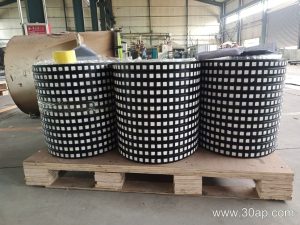
Lagging protects the shell and improves traction. Buyers can choose from cast rubber, cold-bonded rubber, hot-spliced rubber, diamond grooving, herringbone grooving, ceramic lagging, or plain rubber sheet. Lagging thickness commonly ranges from 8 mm to 20 mm, with 10 mm and 12 mm often used in medium-duty service. Diamond and herringbone patterns help shed water and fine particles, which is useful in sand and gravel plants or wash plants. Ceramic lagging offers high wear resistance in iron ore and copper mine conveyors, but it requires careful installation to avoid belt damage.
Matching Pulley Dimensions to Belt Width
Pulley face width is usually wider than the belt to allow for belt tracking. For example, a B800 belt often pairs with a pulley face around 950 mm, and a B1200 belt may use a face width near 1400 mm. Diameter selection is not fixed by belt width. A B800 conveyor might use a Ø500 mm drive pulley in one installation and a Ø630 mm pulley in another, depending on belt speed, tension, and space. Common diameter options include Ø200, Ø250, Ø315, Ø400, Ø500, Ø630, Ø800, Ø1000, Ø1250, and larger sizes up to Ø1800 mm for high-capacity systems. The table below shows typical combinations, but these are reference examples, not mandatory pairings.
| Belt Width | Typical Pulley Face Width | Example Diameter Range |
|---|---|---|
| B400 | ≈500 mm | Ø200–Ø400 |
| B650 | ≈750 mm | Ø250–Ø500 |
| B800 | ≈950 mm | Ø315–Ø630 |
| B1000 | ≈1150 mm | Ø400–Ø800 |
| B1200 | ≈1400 mm | Ø500–Ø1000 |
| B1400 | ≈1600 mm | Ø630–Ø1250 |
| B1600 | ≈1800 mm | Ø800–Ø1400 |
Note that a B1200 belt can be paired with a Ø1000 mm pulley in one duty and a Ø800 mm pulley in another. Shaft diameter is determined by torque and load, not by belt width alone.
Where These Pulleys Are Used
Conveyor belt pulleys appear in quarry and aggregate lines, coal preparation plants, cement clinker handling, power plant coal conveyors, and port bulk terminals. In a limestone mine, the head pulley drives the main belt while a bend pulley routes the return strand. In a concrete batching plant, smaller pulleys handle short conveyors with frequent starts. The working environment affects choices: dusty conditions favor sealed bearings and lagging that resists abrasion, while wet processes may call for grooved lagging to maintain grip.
Buyer Checklist
- Confirm the pulley position: drive, tail, bend, take-up, or snub. Each has different load and lagging requirements.
- Provide belt width and expected belt tension so the manufacturer can propose a suitable face width and shell thickness.
- Specify shaft diameter based on torque calculation, not on a rule of thumb from belt width.
- Choose lagging type and thickness according to material abrasiveness and moisture. For general service, 10–12 mm rubber lagging is common.
- Check compatibility with conveyor brackets and bearing housings to avoid installation delays.
- Ask for dynamic balancing for high-speed or large-diameter pulleys.
Remember that drive, tail, and bend pulleys serve distinct functions and should not be swapped without engineering review. A pulley that works well as a bend pulley may lack the lagging or shaft strength needed for a drive position. Use the reference dimensions as a starting point, then finalize the specification with the conveyor designer.