What an Iron Ore Conveyor Idler Does on the Line
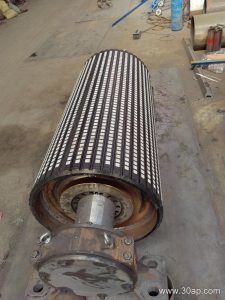
An iron ore conveyor idler is the rotating support that carries the conveyor belt and its load along the length of a bulk handling system. In iron ore duty, the idler roller has to cope with sharp, dense, and often abrasive material, so the frame, shell, bearing arrangement, and sealing all matter more than they would on a light-duty line. The idler does not drive the belt; it simply keeps the belt in a stable trough or flat profile while the pulleys at the head and tail do the pulling. Drive pulleys, tail pulleys, and bend pulleys are separate components and are not interchangeable with idlers.
Because iron ore is heavy, the idler set is usually specified as a group rather than a single roller. A three-roll troughing set, a two-roll set, or a single-roll arrangement may be used depending on belt width and load. Each roll in the group is a separate idler roller that shares the load and helps form the belt trough.
Construction Details That Matter in Ore Duty
A typical iron ore conveyor idler is built from a steel tube shell, a shaft, bearing housings, and a sealing system. The roller surface may be plain steel, nylon, ceramic, or rubber-covered, and the choice depends on whether the aim is wear resistance, material build-up control, or impact absorption. Bearing sizes such as 6204, 6205, 6305, 6306, 6308, and 6310 appear in common idler designs, but the bearing is selected together with shaft and load, not from belt width alone.
Sealing is a frequent point of failure in ore plants. Fine dust and moisture work into the bearing if the labyrinth or contact seal is weak. A well-built idler roller for iron ore service usually combines a multi-stage seal with a grease-retention feature, so the bearing keeps running between maintenance intervals.
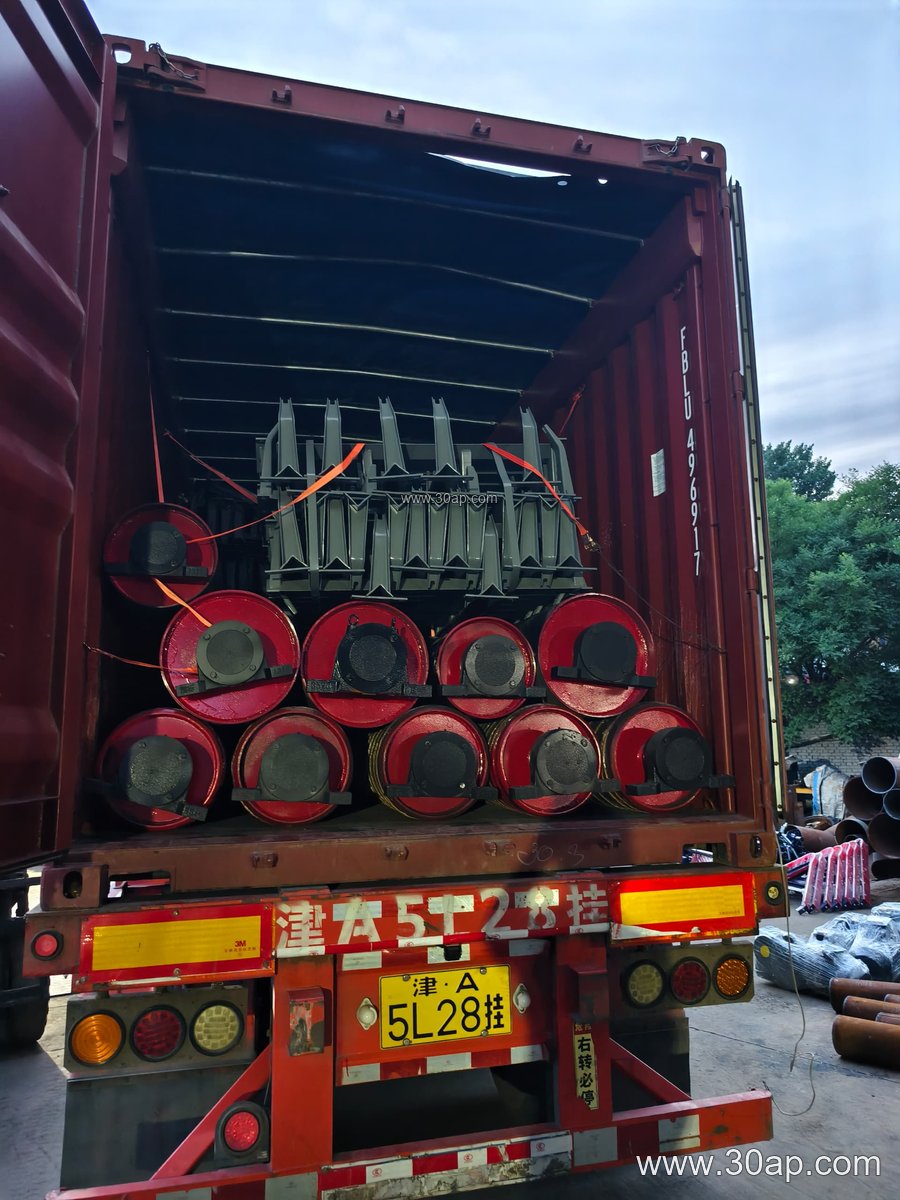
- Shell: steel tube, sometimes with rubber rings for impact zones
- Bearing: deep-groove ball bearing in common sizes
- Seal: labyrinth or combined contact seal
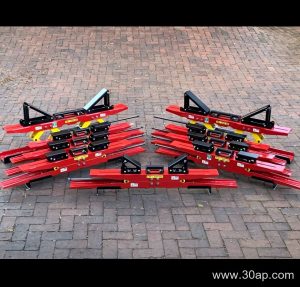
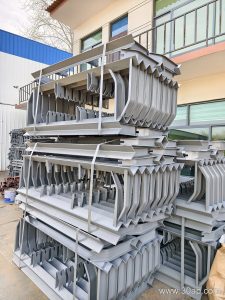
- Frame: fixed bracket or adjustable conveyor bracket
Troughing, Return, and Impact Positions
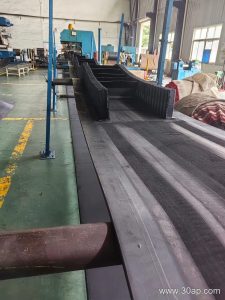
The carrying side of an iron ore belt normally uses troughing idlers. A three-roll troughing set with a 20, 30, 35, or 45 degree trough angle is common, and the angle affects how the conveyor belt holds the ore. A steeper trough contains the load better but increases belt flexing at the edges. Transition idlers are placed near pulleys to ease the belt from flat to trough without over-stressing the splice.
On the return side, a flat return idler or a V-type return idler supports the empty belt. In impact areas below a crusher or transfer chute, rubber-ring impact idlers absorb the fall of lump ore. Self-aligning idlers, including friction and tapered types, are used where belt tracking is a concern. These are different roles from the carrying idler, and they should be selected for the job rather than treated as a general replacement.
Common Reference Dimensions
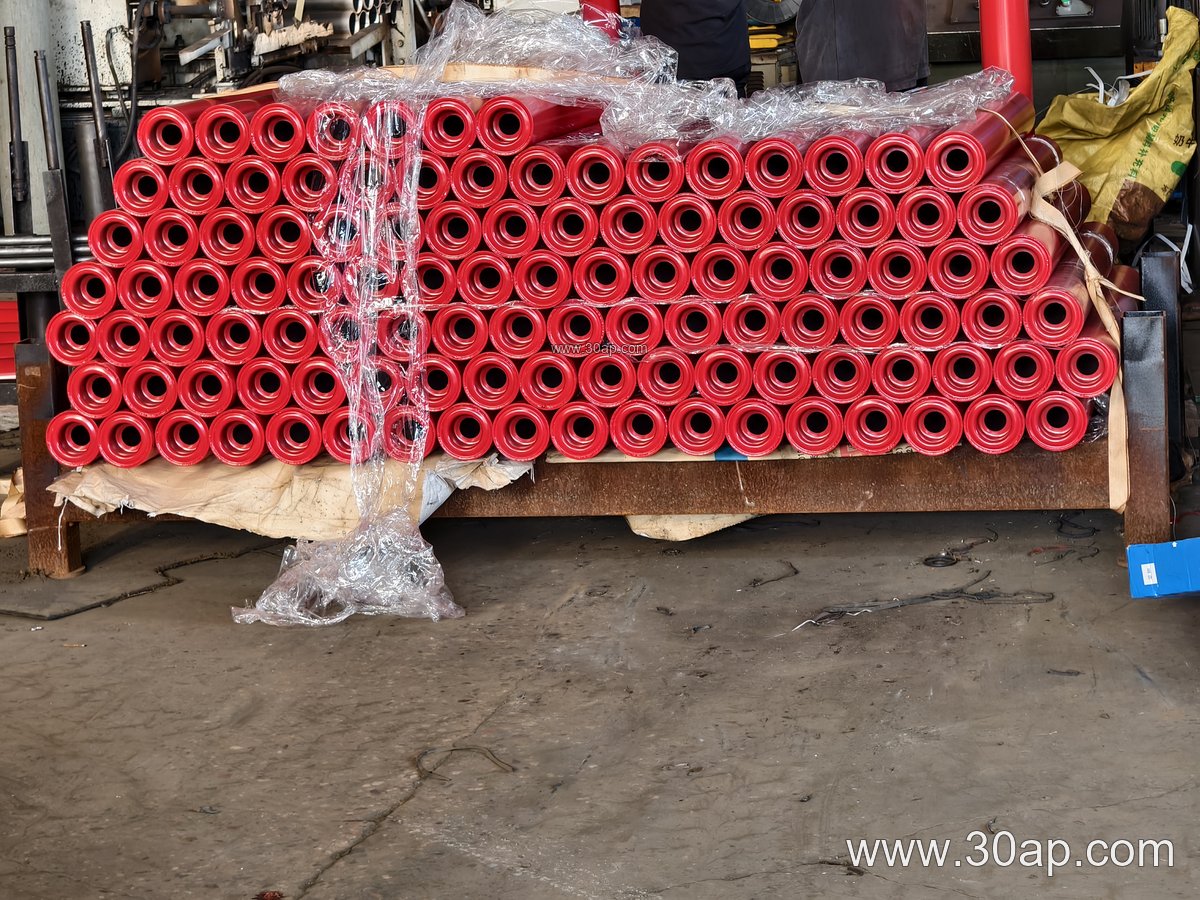
The table below shows typical reference values only. Actual roll length, diameter, and bearing fit are determined by belt width, trough angle, load, and the idler set design. Side rolls and center rolls can differ within the same set.
| Belt width | Typical three-roll idler length (reference) | Common idler diameter range |
|---|---|---|
| B500 | about 200 mm | Ø63 to Ø108 |
| B650 | about 250 mm | Ø76 to Ø127 |
| B800 | about 315 mm | Ø89 to Ø133 |
| B1000 | about 380 mm | Ø102 to Ø159 |
| B1200 | about 465 mm | Ø108 to Ø178 |
| B1400 | about 530 mm | Ø127 to Ø194 |
| B1600 | about 600 mm | Ø133 to Ø219 |
| B1800 | about 670 mm | Ø159 to Ø219 |
These figures are common examples, not fixed pairings. A wider belt does not lock the plant into one pulley diameter, and a given belt width does not determine a single shaft diameter.
Where Iron Ore Idlers Are Used
Iron ore conveyor idlers appear in mine transfer lines, crushing and screening circuits, sinter plants, pellet plants, and steelworks raw material yards. They also serve in port stockyards and train loading stations. In these places the idler works alongside the conveyor belt, conveyor pulley, and conveyor bracket, and the whole system has to handle abrasive dust, high tonnage, and continuous operation.
Similar heavy-duty idler designs are used in copper mines, limestone quarries, coal preparation plants, cement plants, power station coal handling, and aggregate lines. The ore is different, but the principle is the same: the idler must rotate freely, hold the belt profile, and keep dust out of the bearing.
What a Buyer Should Check
- Confirm belt width, trough angle, and the number of rolls in the set before ordering.
- Match the idler diameter and bearing to the actual load and belt speed, not to a catalog guess.
- Ask about seal design and shell thickness for abrasive ore.
- Check that the conveyor bracket and frame dimensions fit the existing structure.
- Keep spare idler rollers for high-wear positions such as transfer points and curves.
A well-selected iron ore conveyor idler reduces belt wear and downtime, while a poorly matched one can cause tracking problems, seized bearings, and belt damage. The right choice starts with the duty, not with a single size number.