What an Abrasion Resistant Conveyor Belt Is
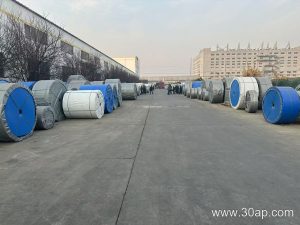
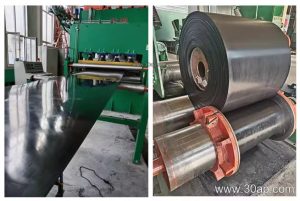
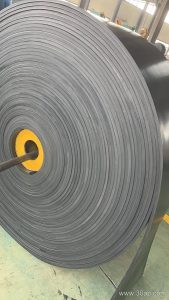
An abrasion resistant conveyor belt is a heavy-duty belt designed to withstand the wear caused by sharp, hard, or rough materials such as crushed stone, ore, clinker, and coal. In industries like mining, cement plants, power stations, and sand and gravel yards, the belt surface must resist cutting, gouging, and gradual thinning. This belt is often specified as a wear-resistant conveyor belt, and its construction focuses on protecting the cover and carcass from mechanical damage.
The goal is not just a harder rubber compound but a balanced design that maintains flexibility, troughability, and load support while extending service life in abrasive conditions.
Construction and Key Components
A typical abrasion resistant belt combines a strong carcass with durable cover layers. The carcass provides tensile strength and resistance to impact, while the cover rubber protects the skeleton from abrasion and environmental factors.
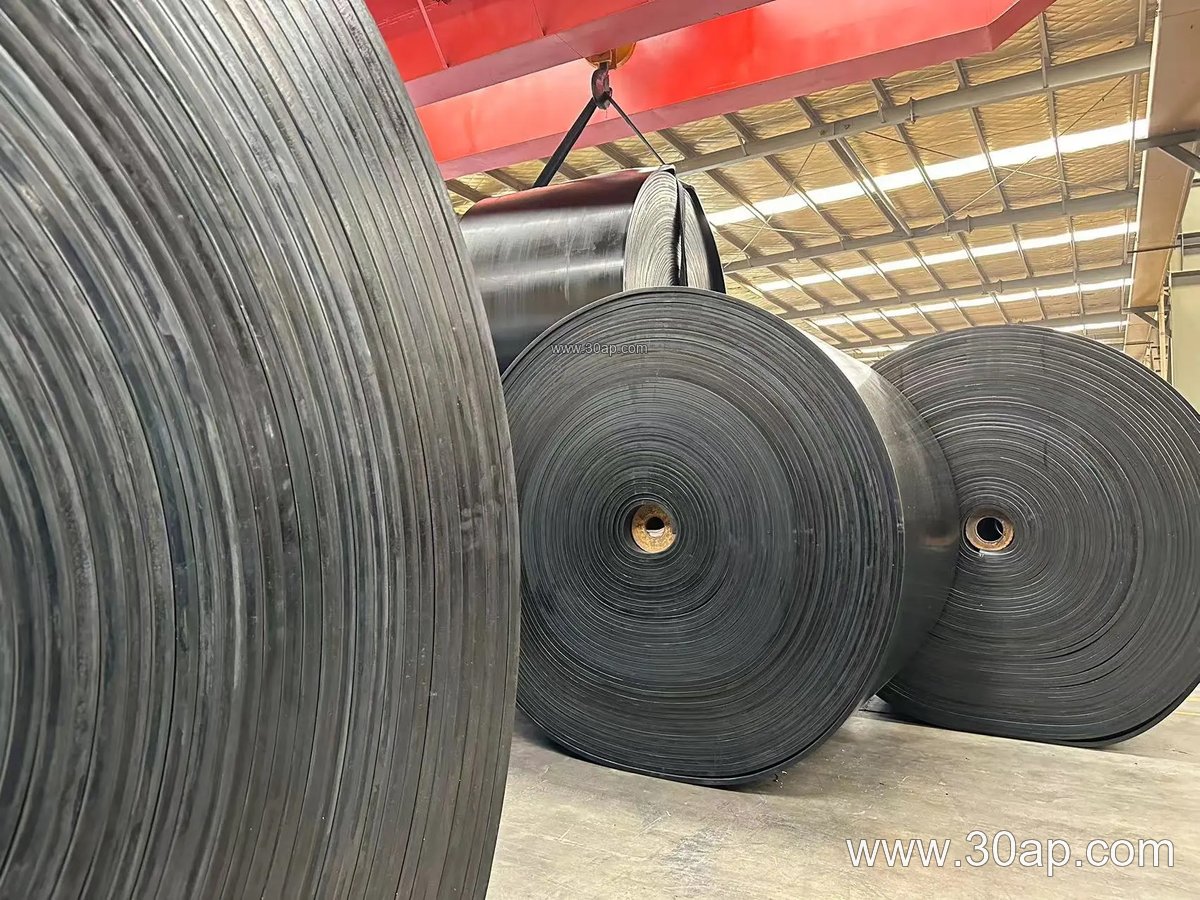
Carcass Options
- EP (polyester-cotton) fabric plies are common for general abrasive duty and offer good dimensional stability.
- NN nylon fabric plies provide high strength and flexibility for heavier loads.
- Steel cord carcass is used for very long conveyors or high-tonnage systems where low elongation is required.
Fabric plies usually range from 2 to 6 layers, depending on the required strength. Common strength grades include EP200, EP315, EP400, EP500, EP630, EP800, EP1000, EP1250, EP1600, and EP2000. These values are reference points, and actual selection depends on the conveyor design, material lump size, and operating conditions.
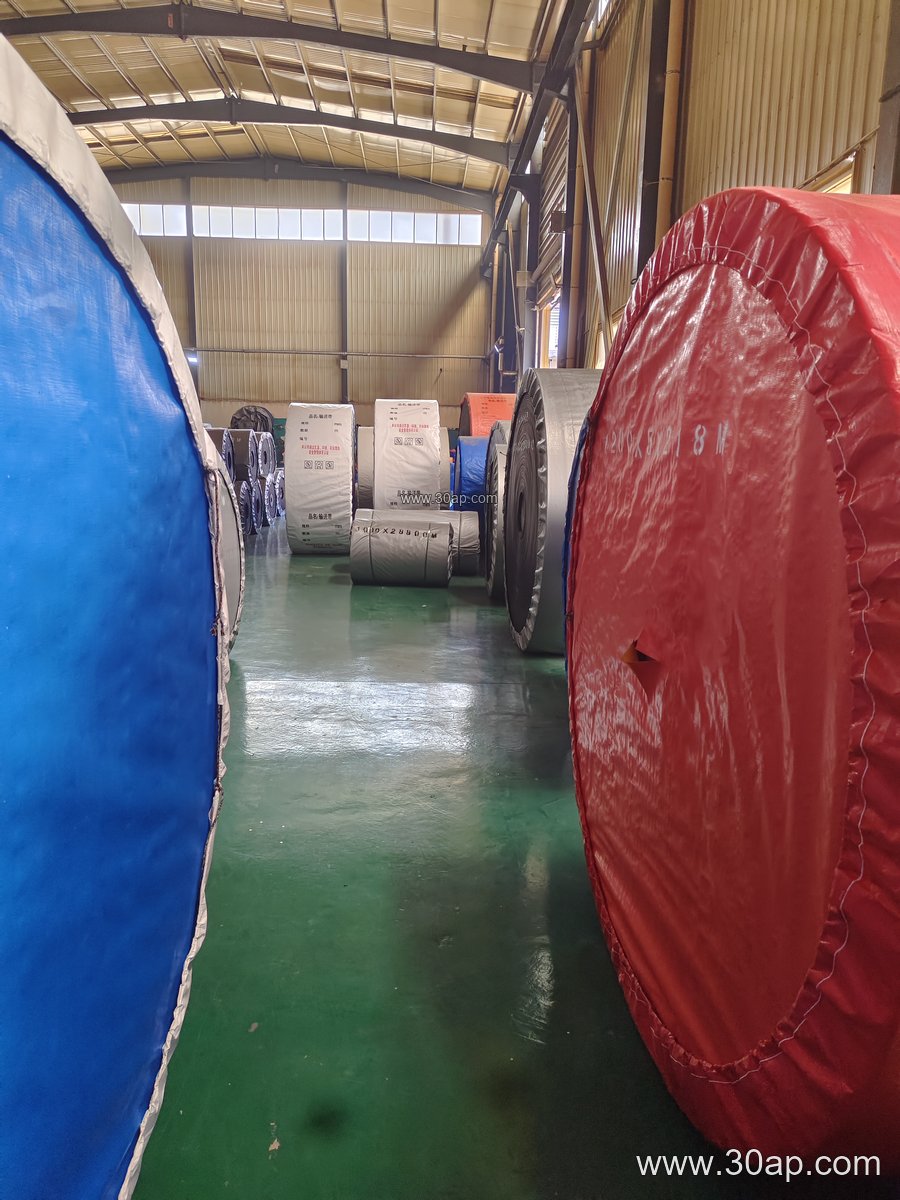
Cover Rubber and Thickness
The cover is the first line of defense against abrasion. Abrasion resistant compounds are formulated to resist cutting and wear while remaining flexible. Cover thickness is often specified in combinations such as 3+1.5 mm, 4+2 mm, 5+2 mm, 6+2 mm, or 8+3 mm, where the first number is the top cover and the second is the bottom cover. A thicker top cover is typical for high-impact and highly abrasive materials, but it must be matched to pulley diameters and belt flexibility requirements.
Where It Is Used
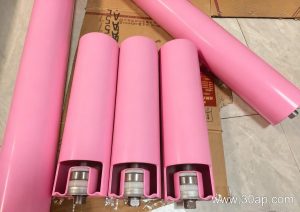
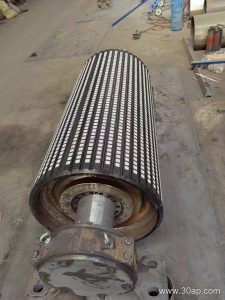
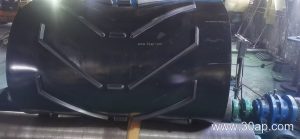
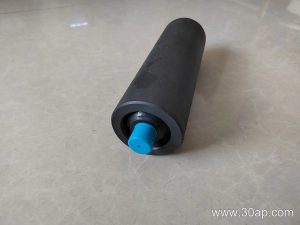
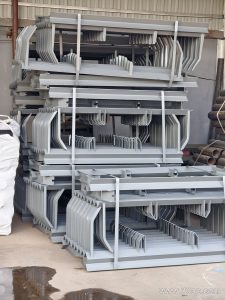
This belt is widely found in mining, coal preparation, cement production, power generation, and aggregate handling. It is suitable for transporting materials like limestone, clinker, iron ore, copper ore, gravel, and sand. In these settings, the belt works alongside conveyor pulleys, idler rollers, and conveyor brackets that support the belt path. The abrasion resistant belt helps reduce downtime caused by cover wear and extends the interval between belt replacements.
For especially sharp or hot materials, additional features such as flame resistance or heat resistance may be combined, but the primary focus remains abrasion resistance.
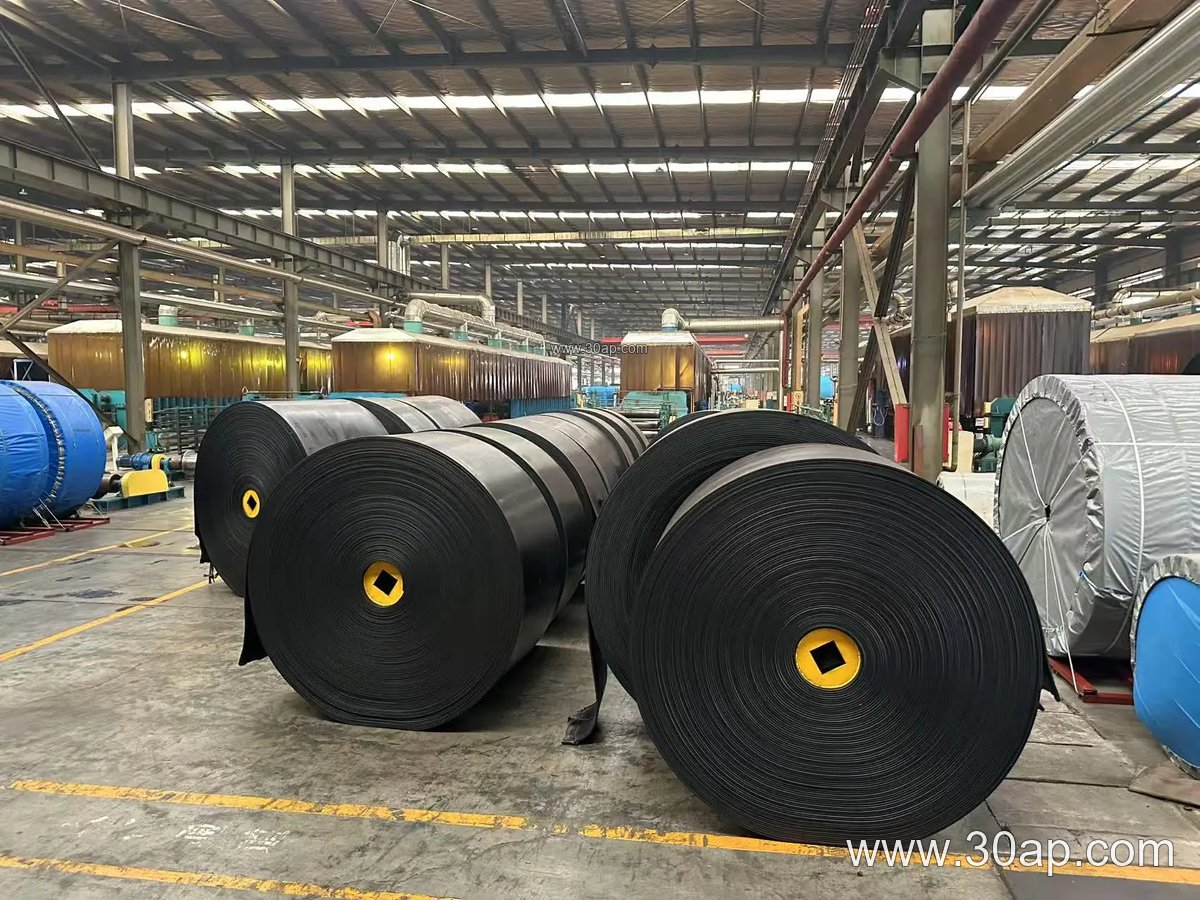
Specifications and Size Considerations
Belt width is selected to match the conveyor system and material flow. Common widths include B500, B650, B800, B1000, B1200, B1400, B1600, B1800, and B2000. The table below summarizes typical reference data; final specifications are determined by the conveyor designer.
| Parameter | Common Reference Range | Notes |
|---|---|---|
| Belt width | B500 to B2000 | Select based on capacity and lump size |
| Strength grade | EP200 to EP2000 | Higher grades for longer or heavier conveyors |
| Number of plies | 2 to 6 | Fabric carcass; steel cord may be used for very high strength |
| Top cover thickness | 3 to 8 mm | Thicker for highly abrasive materials |
| Bottom cover thickness | 1.5 to 3 mm | Protects carcass from pulley side wear |
Surface patterns such as patterned or chevron belts are sometimes used to improve grip on inclines, but they are a separate subtype and not a replacement for the standard abrasion resistant belt. When selecting a belt, consider the pulley diameters, troughing angle, and transition distance to avoid excessive stress on the covers and carcass.
Buyer Checklist
Before ordering, confirm the material characteristics, including lump size, moisture, and temperature. Check the conveyor layout, including drive, tail, and bend pulleys, as well as idler roller spacing and conveyor bracket conditions. Verify that the belt width and strength grade match the calculated loads. Ask for cover thickness and compound data that suit your abrasion level. Remember that a belt width alone does not determine pulley or shaft dimensions; those are set by the conveyor design. Finally, ensure the belt is compatible with the existing pulley face and that splice methods are suitable for the selected carcass.