What a Lower Return Idler Does
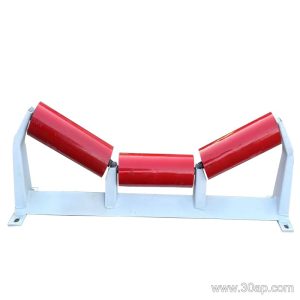
A lower return idler, also known as a return roller or flat return idler, supports the empty side of a conveyor belt on its way back to the tail pulley. Unlike carrying idlers that sit under the loaded belt, this idler is mounted beneath the return strand to keep the belt from sagging and to reduce friction between the belt and the conveyor structure. In a typical conveyor system, the lower return idler is a simple, robust component that contributes to smooth belt tracking and longer belt life.
Construction and Common Forms
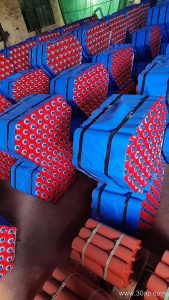
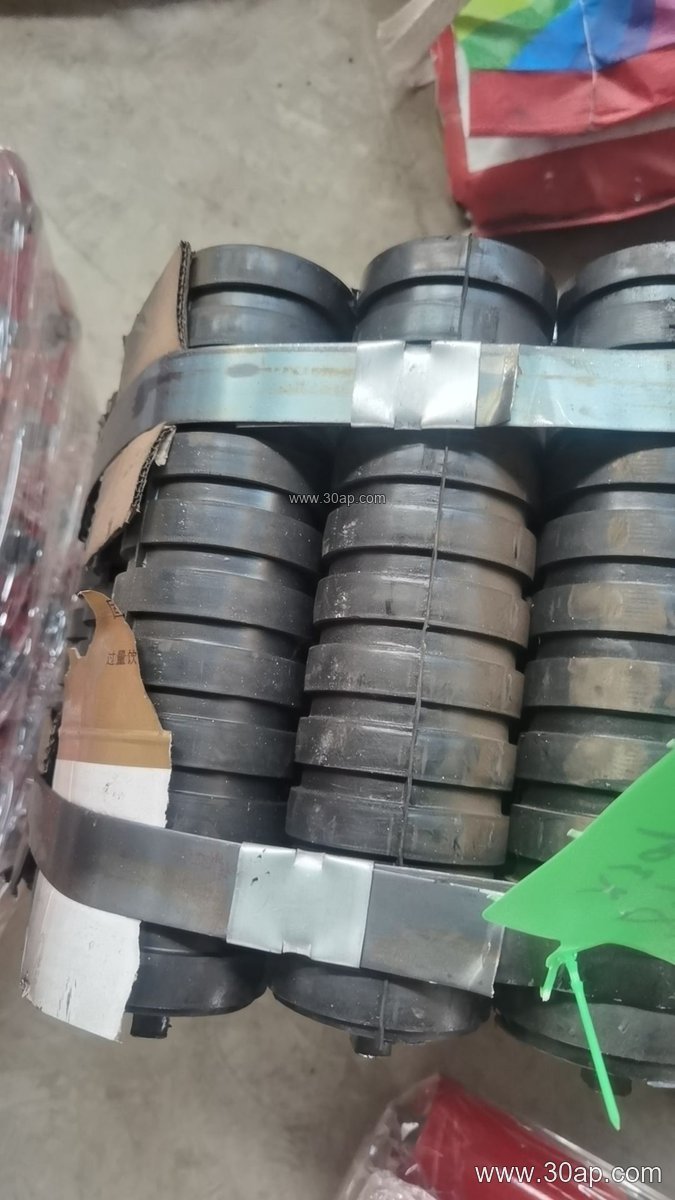
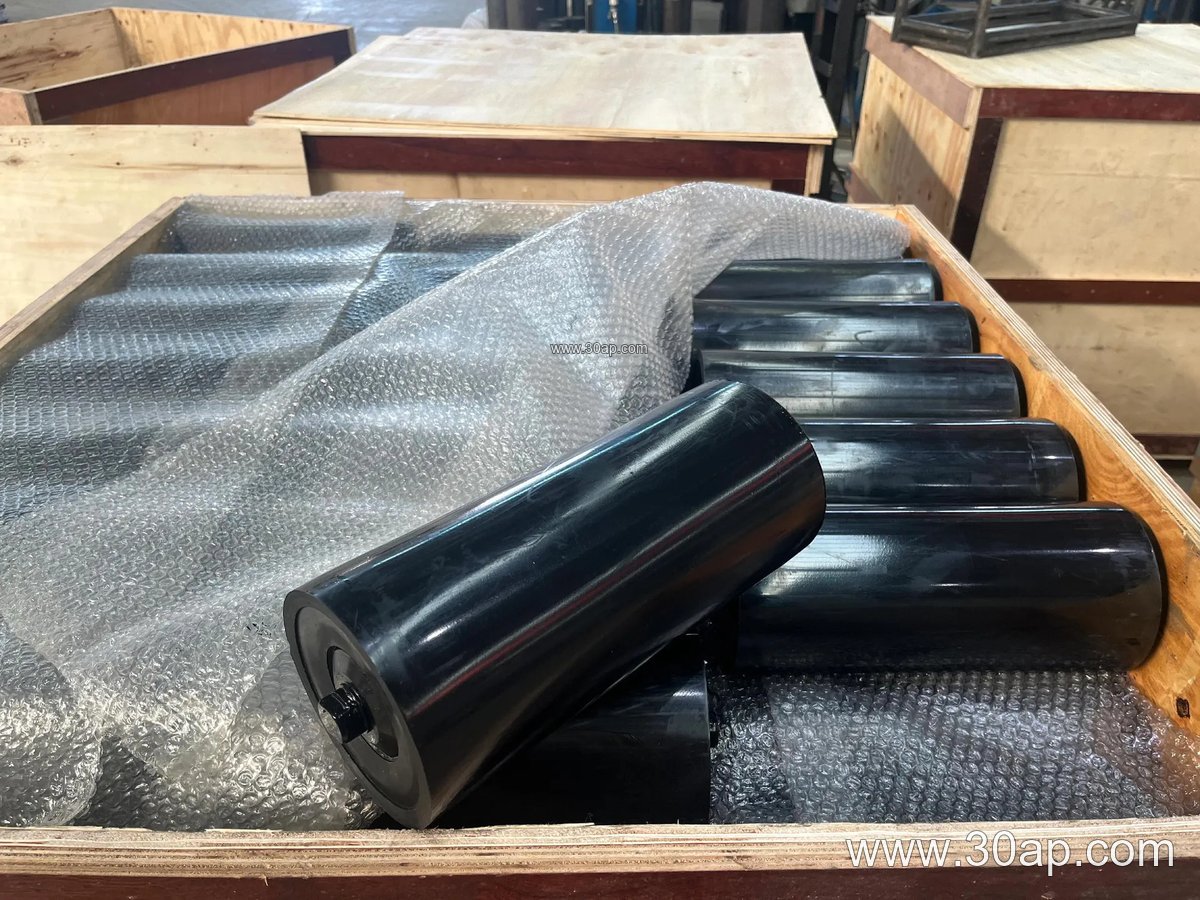
Most lower return idlers use a steel tube shell with a shaft, bearings, and seals. The roller surface may be plain steel, or it may be covered with rubber or nylon for specific conditions. Common roller diameters include Ø89, Ø108, Ø127, Ø133, and Ø159 mm, while larger diameters such as Ø178 or Ø194 mm are used on wider or heavier-duty conveyors. Bearing sizes are selected according to load and speed; typical options include 6205, 6305, 6306, and 6308. The idler length is matched to the belt width and frame design—for example, a return idler for a B800 belt might be around 315 mm long in a three-roll carrying arrangement, but return idlers usually have a single roller spanning the belt width. Always confirm dimensions with the conveyor design, as no single size fits every belt.
Flat and V-Shaped Return Idlers
The most basic form is the flat return idler, a single roller that supports the belt across its full width. In applications where belt misalignment is a concern, a V-shaped return idler (two rollers set at an angle) can help center the belt. Both are subtypes of return idlers and serve the same general purpose, but the V-shape adds a self-centering effect. When specifying, note that a flat return idler is not interchangeable with a carrying idler or a transition idler.
Where Lower Return Idlers Are Used
These idlers appear in almost every bulk material handling system. In a quarry or sand and gravel plant, they support the return belt after the discharge point. In a coal preparation plant or a power plant coal handling system, they help maintain belt tension on the empty strand. Cement plants, steel mills, and port terminals also rely on return idlers to keep the conveyor belt running efficiently. The environment often dictates the choice of roller surface and sealing: dusty conditions may call for enhanced seals, while wet or sticky material might benefit from rubber-covered rollers.
Selection and Maintenance Tips
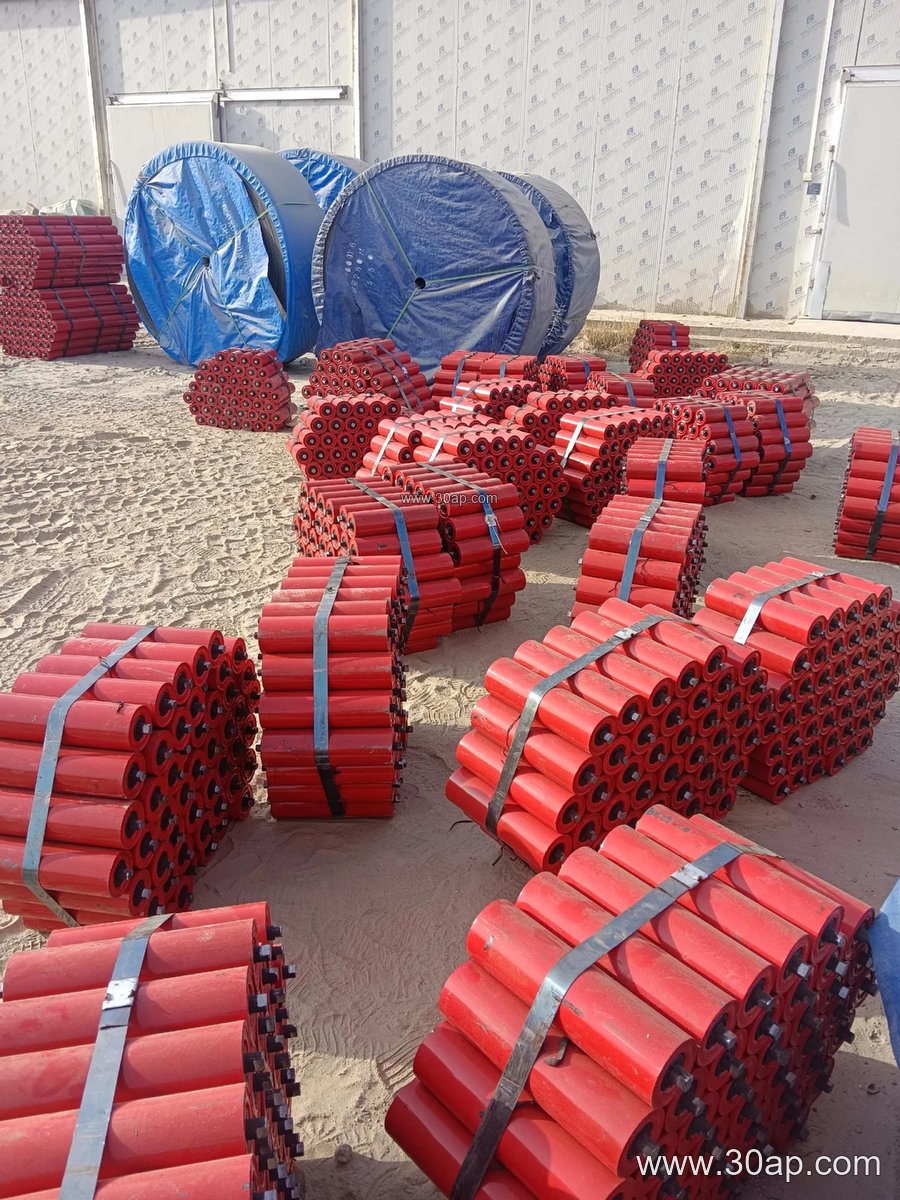
Buyers should consider belt width, belt speed, load, and environmental factors. A lower return idler must be sized to match the belt width and the conveyor frame; for instance, a B1000 belt requires a return idler long enough to support the belt without overhang. Roller diameter affects the idler’s load capacity and the belt’s bending radius—larger diameters generally handle higher loads and reduce belt stress. Bearing selection should follow the manufacturer’s recommendation based on the calculated load and speed. Regular inspection of the idler is important: check for worn rollers, damaged seals, or bearing noise, and replace any idler that no longer spins freely. Properly maintained return idlers reduce the risk of belt damage and keep the conveyor system running smoothly.
For any specific project, consult the conveyor design documents and the idler manufacturer’s catalog to choose the right lower return idler for your belt width, load, and operating conditions.