What a Driving Pulley Does
In a belt conveyor system, the driving pulley (often called the head pulley) is the component that transmits power from the drive unit to the conveyor belt. It is typically located at the discharge end, where it rotates to move the belt and the material loaded on it. Unlike a tail pulley, which mainly redirects the belt, or a bend pulley, which changes belt direction without driving, the driving pulley must handle high torque and maintain consistent grip. This distinction matters when specifying components: a drive pulley cannot be swapped with a tail or bend pulley without compromising the system’s function.
Construction and Surface Options
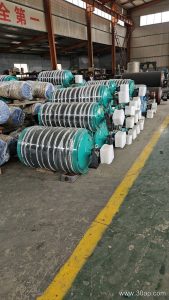
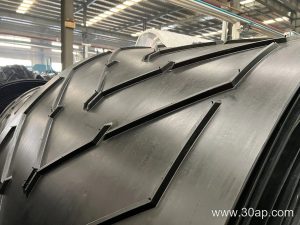
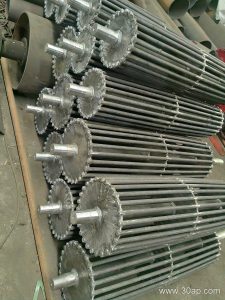
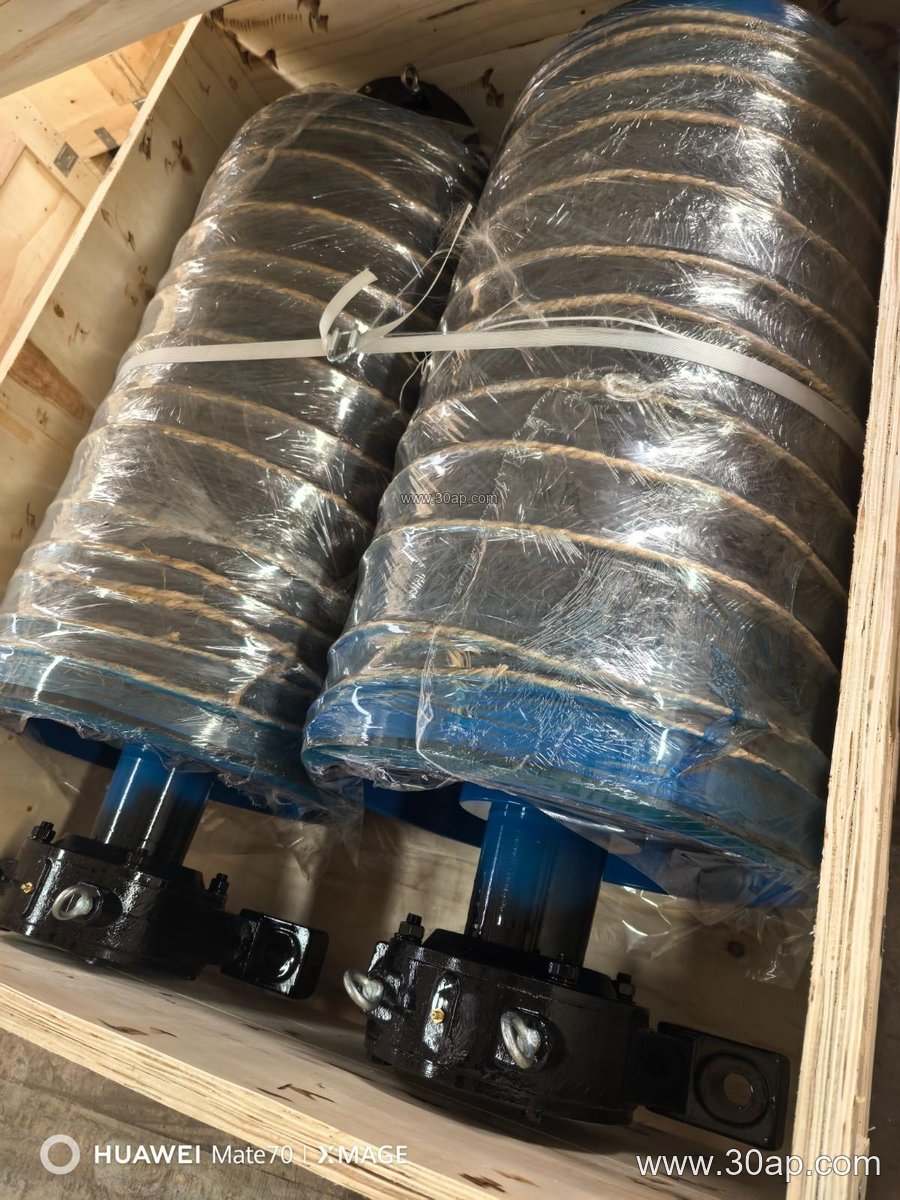
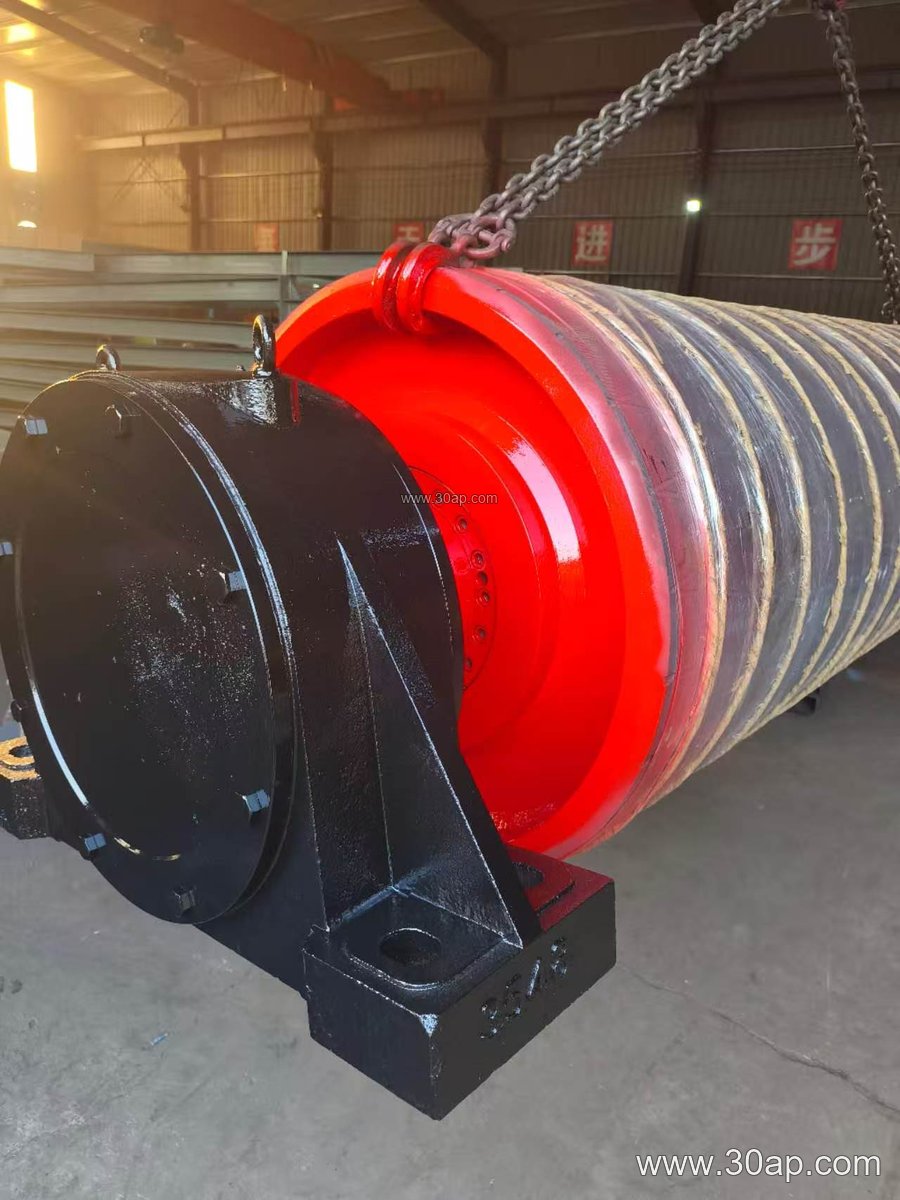
A driving pulley is built around a cylindrical shell, usually made of steel, with welded end discs and a shaft that connects to the gearbox or motor. The shell surface can be plain or covered with rubber, ceramic, or other materials to improve friction between the pulley and the conveyor belt. Common surface forms include plain, cast rubber, cold-bonded rubber, hot-vulcanized rubber, diamond grooved rubber, herringbone grooved rubber, and ceramic lagging. Lagging thickness is often selected from 8, 10, 12, 15, or 20 mm, depending on the required grip and operating conditions.
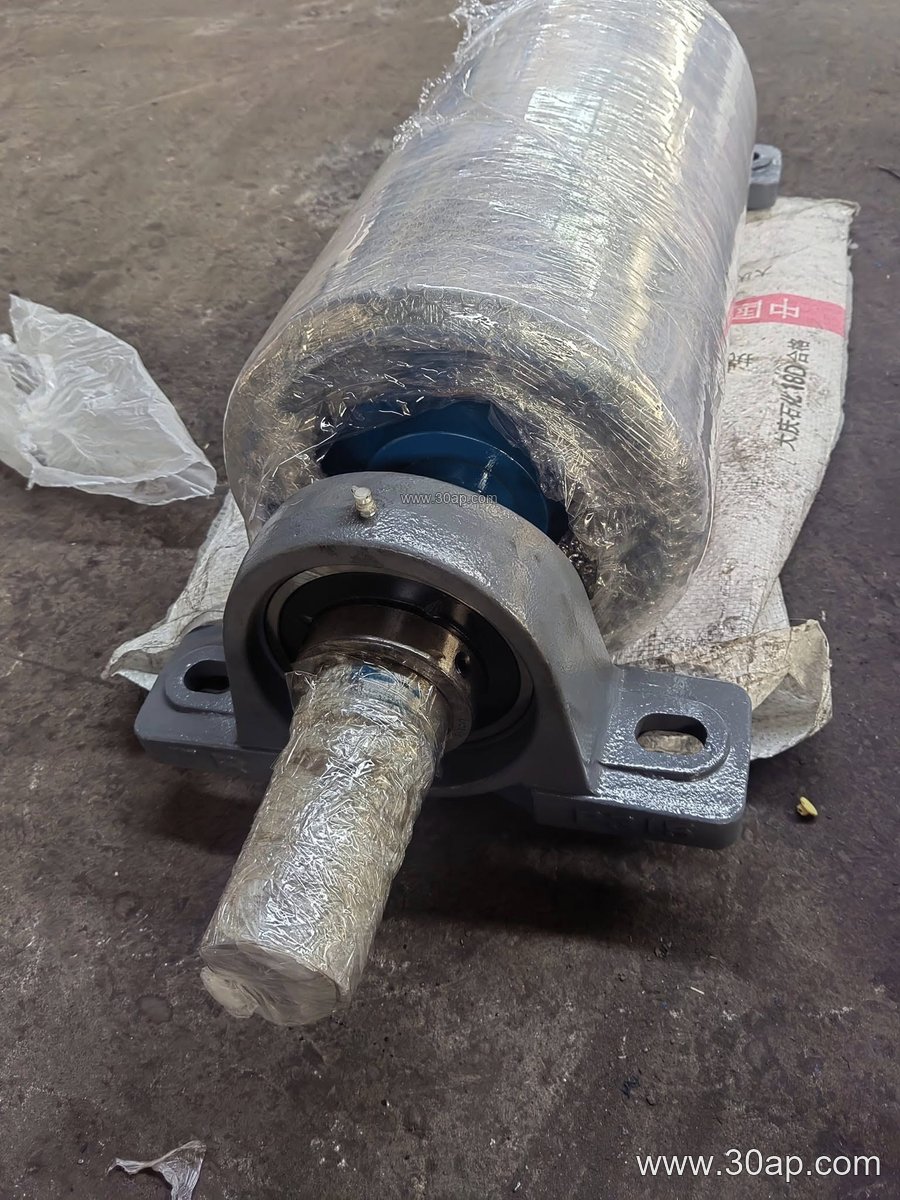
For example, a B1200 driving pulley might use a Ø1000 shell with 12 mm diamond rubber lagging in a coal handling plant, while a B800 × Ø500 unit with plain surface could suit a lighter-duty sand and gravel line. These combinations are illustrative; actual dimensions are determined by belt width, torque, and load requirements.
Key Dimensions and Their Selection
Belt width and pulley diameter are two primary parameters. The face width of the pulley is usually slightly wider than the belt to ensure full support. Common belt widths include B400, B500, B650, B800, B1000, B1200, B1400, B1600, B1800, B2000, B2200, and B2400. Diameters range from Ø200 up to Ø1800, with many standard sizes in between. The table below lists typical face widths for selected belt widths, but it is not a fixed rule—designers may adjust based on application.
| Belt Width (mm) | Typical Pulley Face Width (mm) |
|---|---|
| B400 | 500 |
| B500 | 600 |
| B650 | 750 |
| B800 | 950 |
| B1000 | 1150 |
| B1200 | 1400 |
| B1400 | 1600 |
| B1600 | 1800 |
| B1800 | 2000 |
| B2000 | 2200 |
Shaft diameter is not directly tied to belt width; it is calculated from torque and load. Common shaft sizes include Ø50, Ø60, Ø70, Ø80, Ø90, Ø100, Ø120, Ø140, Ø160, Ø180, and Ø200. A larger belt width does not automatically mean a specific shaft diameter—each drive must be engineered accordingly.
Where Driving Pulleys Are Used
Driving pulleys are found in bulk material handling across many industries. In a coal preparation plant, they power the main feed conveyor that moves raw coal to the wash box. In a cement plant, they drive clinker transport belts where high torque and abrasive dust demand robust lagging. Aggregate operations in quarries and sand pits rely on them for primary and secondary conveying. Power plants use driving pulleys on coal conveyors, while port bulk terminals employ them for ship loading and unloading lines. Other applications include steel mills, fertilizer plants, and tunnel muck removal systems.
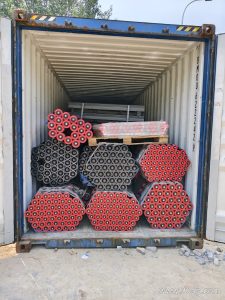
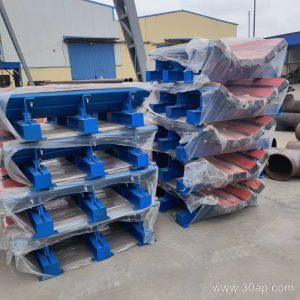
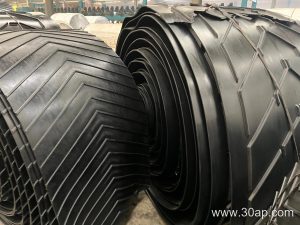
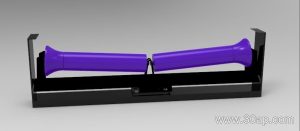
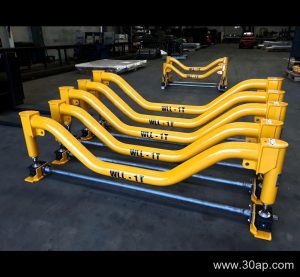
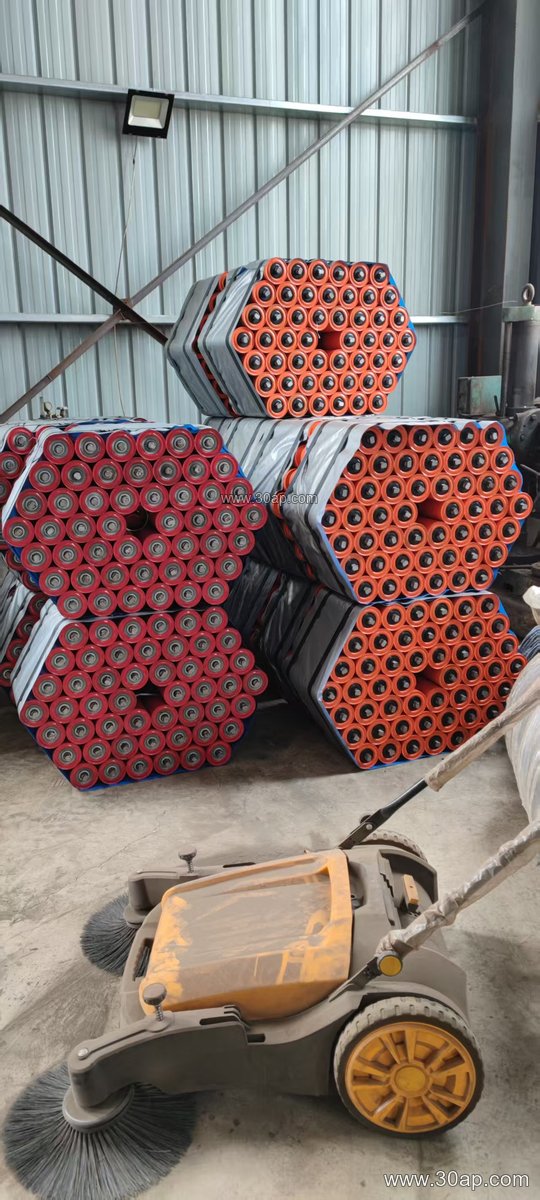
In these settings, the driving pulley works together with conveyor idlers, brackets, and the belt itself. Proper alignment and tension are critical to prevent belt slippage and extend pulley life.
What Buyers Should Consider
When selecting a driving pulley, start with the belt width and the required torque. Specify the surface type based on material and environmental conditions: diamond or herringbone lagging for wet or dusty belts, ceramic lagging for high-wear areas, and plain surface for clean, light-duty applications. Confirm the shaft diameter with the drive supplier—never assume a fixed relationship with belt width. Check that the pulley face width suits the belt and that the lagging thickness matches the duty. Also consider the pulley’s balance and runout, especially at higher speeds. For replacement, verify mounting dimensions and shaft keyways to ensure compatibility with existing conveyor brackets and gearbox couplings.
Routine maintenance includes checking lagging wear, bolt tightness, and bearing condition. A well-chosen driving pulley, matched to the conveyor belt and idler roller system, contributes to smooth, energy-efficient operation in any bulk handling environment.