What a Conveyor Bracket Does on the Line
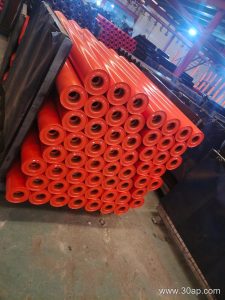
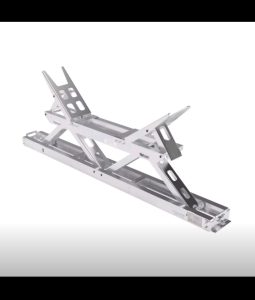
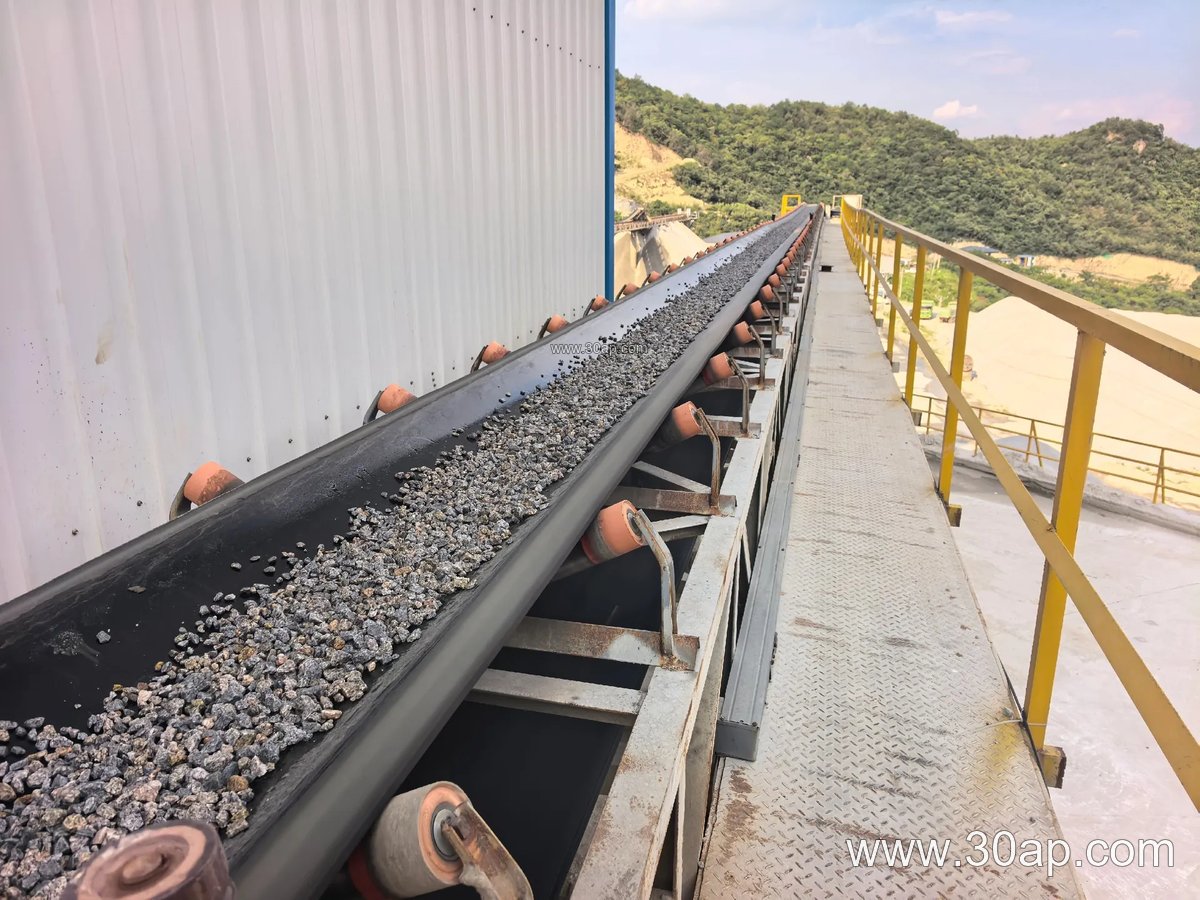
A conveyor bracket is the structural interface that holds an idler roller in the right position under the conveyor belt. In a typical troughed carrying run, the bracket fixes the roll assembly at the chosen trough angle so the belt keeps a stable profile and the load stays centered. On the return side, a different bracket form supports the belt after discharge. Procurement therefore starts with position and function, not with a single part number.
The same hardware is often called a conveyor idler bracket or roller support bracket. Those names describe the same product: a fabricated steel frame that carries idler rollers and transfers their load into the conveyor stringer or frame.
How the Bracket Is Built
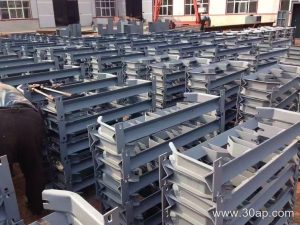
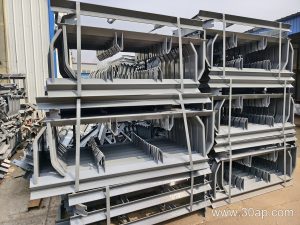
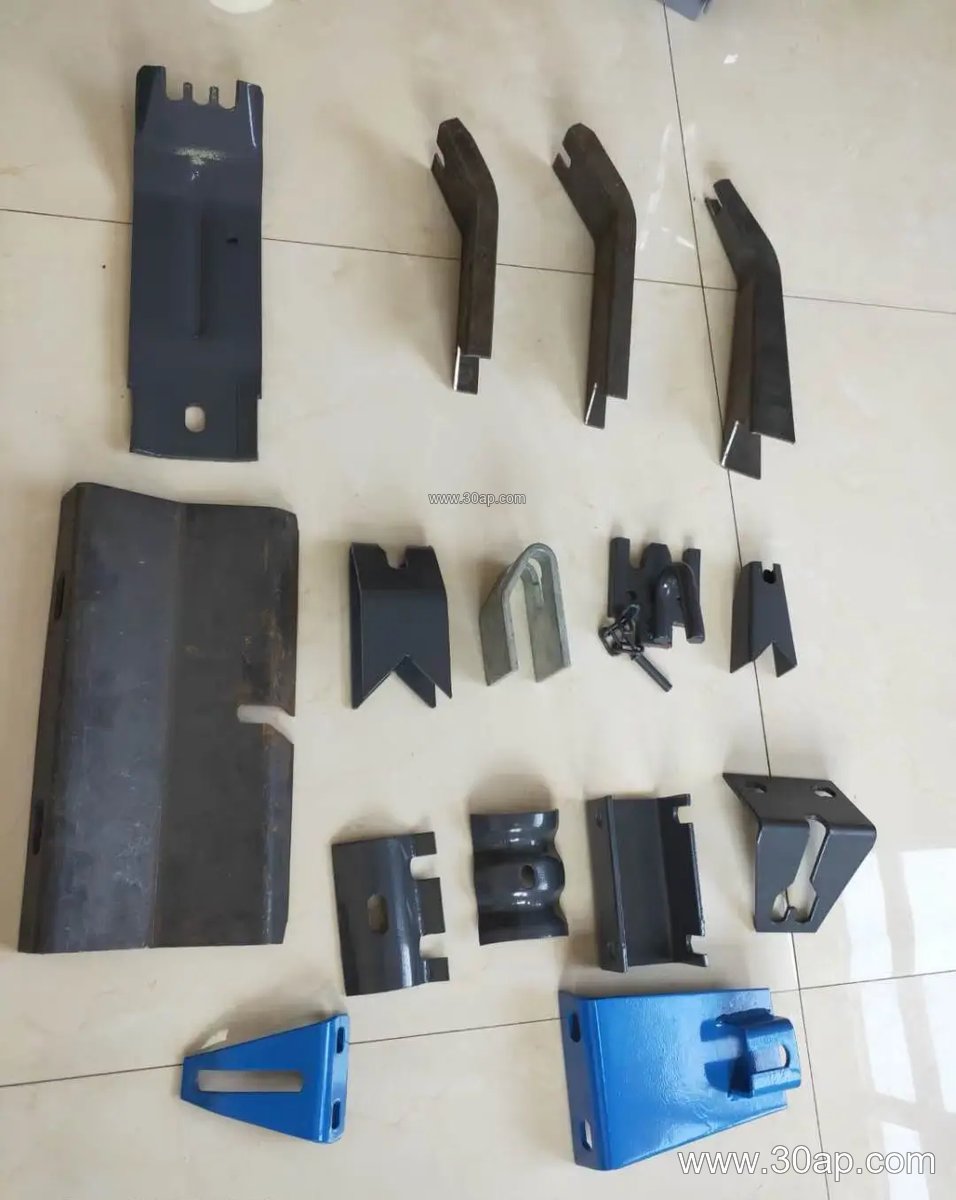
Most brackets are fabricated from angle steel, channel steel, or folded steel plate. Slots and drilled holes set the roller spacing and the trough angle. Welds must be clean and consistent because the bracket takes repeated dynamic load from the belt and material. A well-made bracket keeps the roller axis square to the belt path, which reduces edge wear and tracking problems.
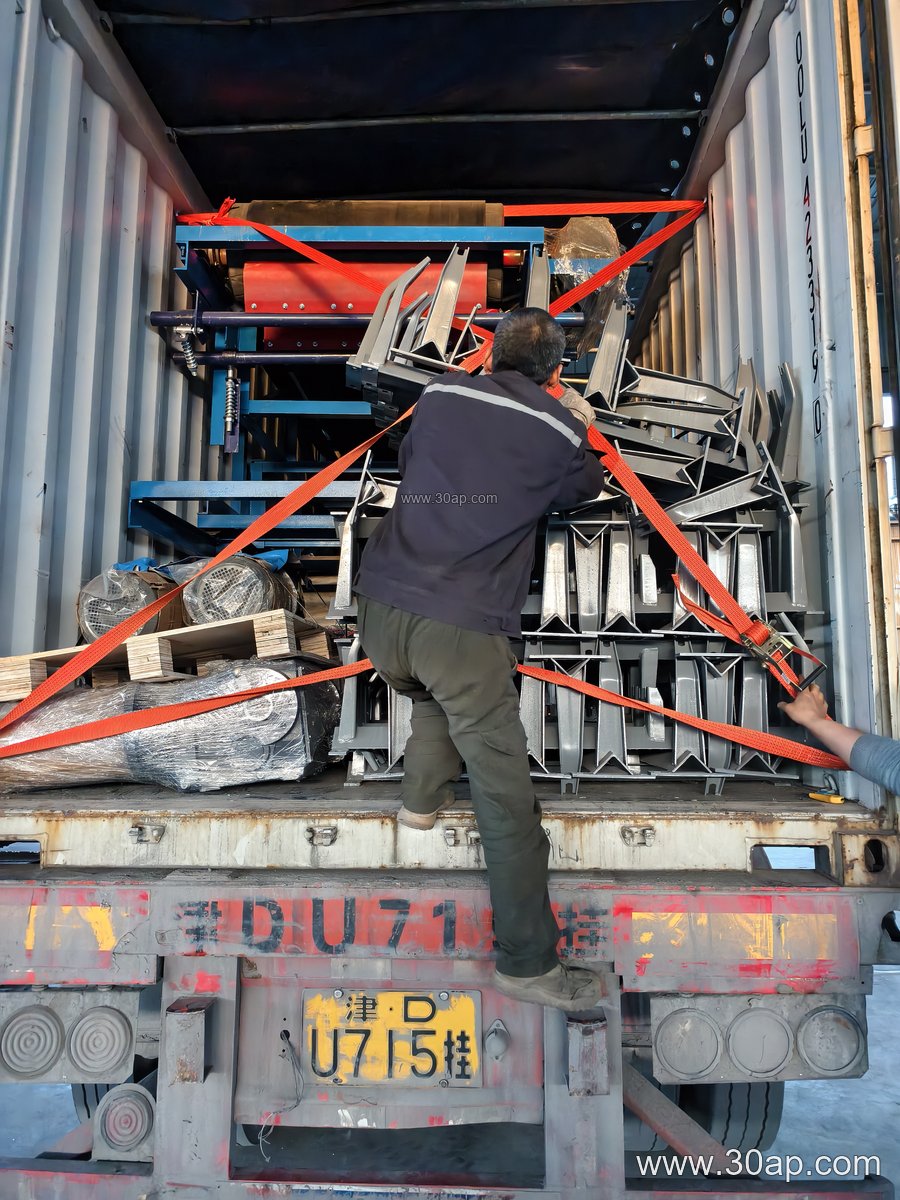
Buyers should confirm hole pitch, crossbeam length, and mounting method against the conveyor drawing. These dimensions vary with belt width and trough angle, so they cannot be assumed from a single reference figure.
Common Bracket Forms and Where They Fit
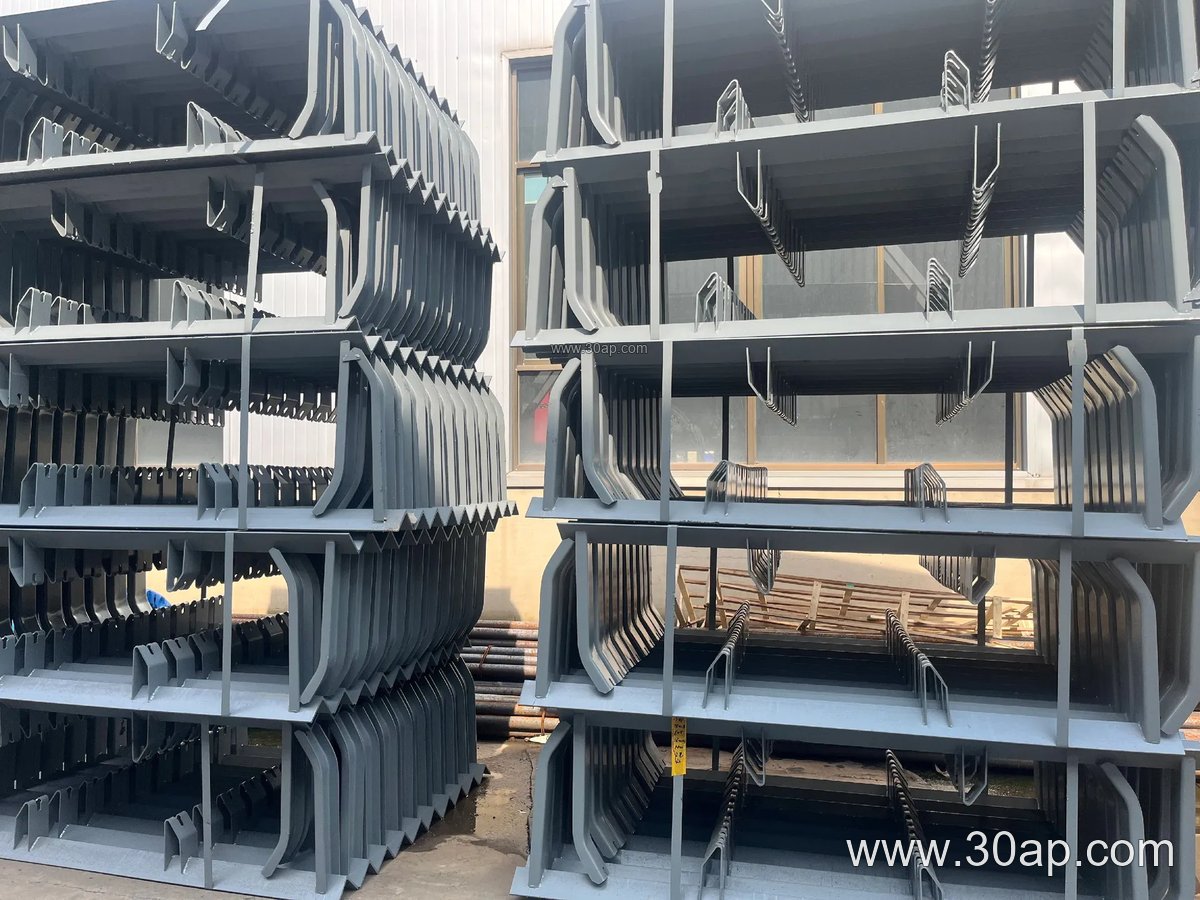
- Troughing bracket: carries three idlers in a trough, usually at 20, 30, 35, or 45 degrees.
- Transition bracket: bridges the change from flat to troughed profile near pulleys.
- Return bracket: supports the belt on the return run, including V-shaped and flat forms.
- Impact bracket: sits under loading points and carries cushion rollers.
- Self-aligning bracket: allows small corrections to belt tracking.
- Adjustable bracket: lets the trough angle be set within the common range.
Comparing an adjustable bracket with a fixed troughing bracket is useful when a line handles several material grades or needs field tuning. A fixed bracket is simpler and cheaper; an adjustable one gives flexibility during commissioning.
Reference Dimensions for Early Planning
The table below gives typical reference values only. Final selection follows the conveyor design, belt width, and roller diameter.
| Item | Common reference values |
|---|---|
| Belt width | B500, B650, B800, B1000, B1200, B1400, B1600 |
| Trough angle | 20°, 30°, 35°, 45° |
| Roller diameter | Ø89, Ø108, Ø133, Ø159 |
| Material | Angle steel, channel steel, folded plate |
A combination such as B800, 35 degrees, Ø108 is common in medium-duty conveying; B1200, 45 degrees, Ø133 appears on wider lines with higher tonnage. These are examples, not fixed pairings. One belt width can accept more than one roller diameter and trough angle.
Where These Brackets Are Used
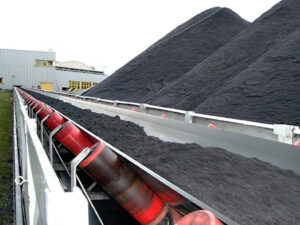
Brackets appear wherever a belt conveyor runs. In a coal preparation plant they carry the troughed run through transfer houses and load points. In a cement plant they support clinker and raw meal belts, often with impact brackets under chutes. Similar duties exist in power station coal handling, crushing and screening plants, and fertilizer or grain silo operations.
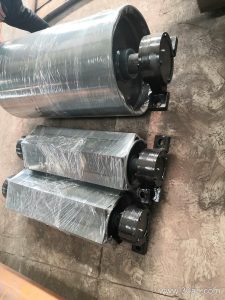
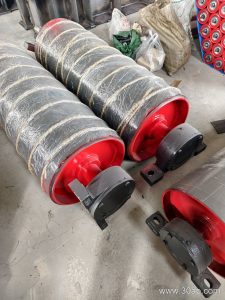
Because the bracket works together with the conveyor belt, idler roller, and conveyor pulley, alignment across all four matters. A bracket that is out of square will show up as belt mistracking even when the rollers are new.
Procurement Checklist
- Match bracket type to position: carrying, return, transition, or impact.
- Confirm belt width, trough angle, and roller diameter before ordering.
- Check hole pitch and crossbeam length against the frame drawing.
- Specify material and surface treatment for the site environment.
- Ask for dimensional drawings and inspection records.
- Order spares for high-wear locations such as loading points.
Good conveyor bracket procurement is mainly a matter of matching the part to its duty and verifying dimensions. When the bracket, roller, and belt work as one assembly, maintenance intervals lengthen and the whole conveyor runs more predictably.