What an Anti-Static Conveyor Belt Does
An anti-static conveyor belt is a rubber-covered belt designed to control the buildup of static electricity while it carries bulk material. On a moving conveyor line, friction between the belt, the material and the supporting idler roller can generate a static charge. In dusty environments such as a coal preparation plant, a cement mill, a power station coal yard or a sand and gravel yard, that charge can create sparks and interfere with sensors and control equipment. The anti-static conveyor belt, also called an antistatic rubber belt, provides a controlled path for that charge to dissipate instead of collecting on the belt surface.
It is not a different machine from a standard conveyor belt. It is the same product family with a conductive or dissipative compound built into the cover and sometimes the carcass, so the belt can work safely in hazardous or dust-heavy areas.
How the Belt Is Built
The construction follows the usual layered structure of a fabric or steel-cord belt, with adjustments for static control.
- Carcass: common options include EP conveyor belt fabric, NN nylon conveyor belt fabric, or steel cord for high tension lines.
- Cover compound: the top and bottom covers use a rubber formulation that limits surface resistance. Cover grades may also combine anti-static behaviour with flame retardant, wear resistant or oil resistant properties.
- Edge and splice: edge rubber and the joint must maintain the conductive path. A poor splice can interrupt static dissipation.
Common cover thickness combinations include 3+1.5 mm, 4+2 mm, 5+2 mm, 6+2 mm and 8+3 mm. The carcass usually has 2 to 6 fabric plies, depending on the duty. These figures are reference values for discussion, not a fixed supply promise; the final build is confirmed by the belt manufacturer according to the conveyor design.
Where It Is Used
Static control matters most where dust, gas or fine powder is present. Typical installations include:
- Coal mines and coal handling systems
- Cement plants and clinker transport
- Power plant fuel and ash conveyors
- Sand and gravel yards, crushing and screening lines
- Grain, fertilizer and chemical bulk handling
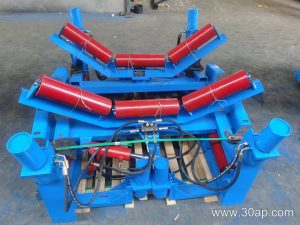
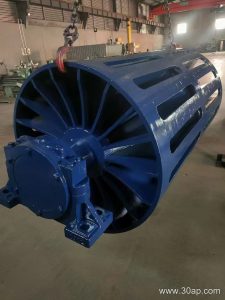
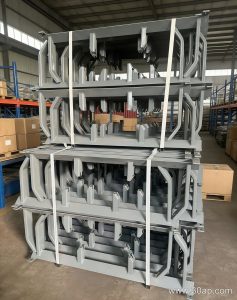
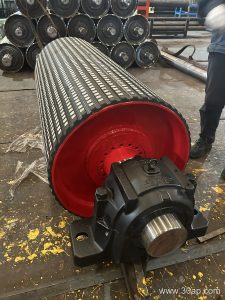
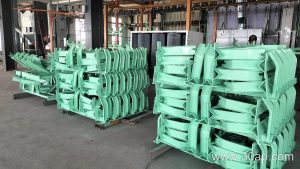
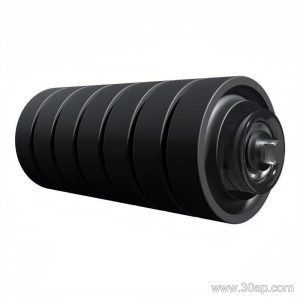
In these plants the belt runs over conveyor pulleys and idler rollers, and the frame is supported by a conveyor bracket. A drive pulley, a tail pulley and a bend pulley each have a different role, and the belt must track correctly over all of them. Static control works together with proper grounding of the conveyor structure, so the belt and the machine are treated as one system.
Specifications a Buyer Should Compare
The table below lists common reference ranges. Actual values depend on the application, the load and the required safety level.
| Item | Common options |
|---|---|
| Belt type | EP, NN nylon, steel cord, PVC, PVG |
| Tensile strength | EP200, EP315, EP400, EP500, EP630, EP800, EP1000, EP1250, EP1600, EP2000 |
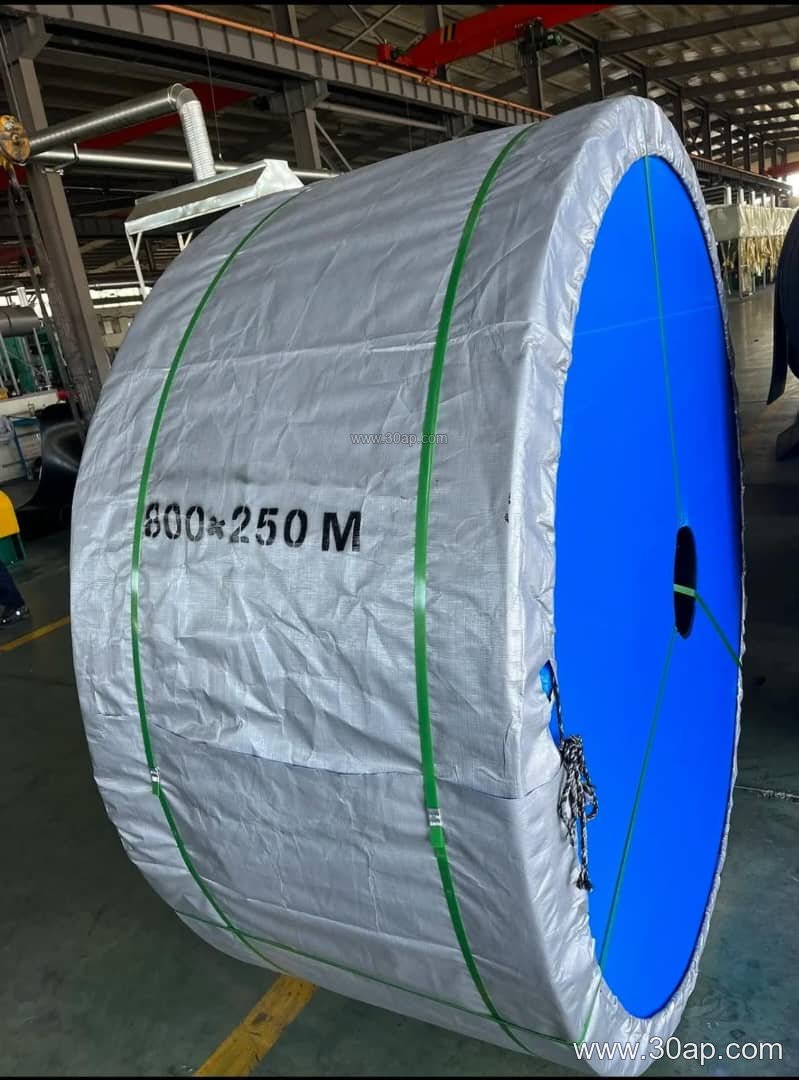
| Belt width | B500, B650, B800, B1000, B1200, B1400, B1600, B1800, B2000 |
| Cover thickness | 3+1.5, 4+2, 5+2, 6+2, 8+3 mm |
| Ply count | 2 to 6 layers, by design |
| Special grades | Anti-static, flame retardant, wear resistant, heat resistant, oil resistant, cold resistant, acid and alkali resistant |
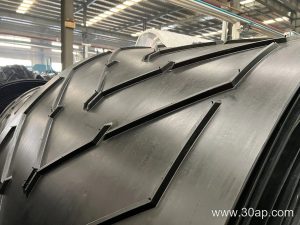
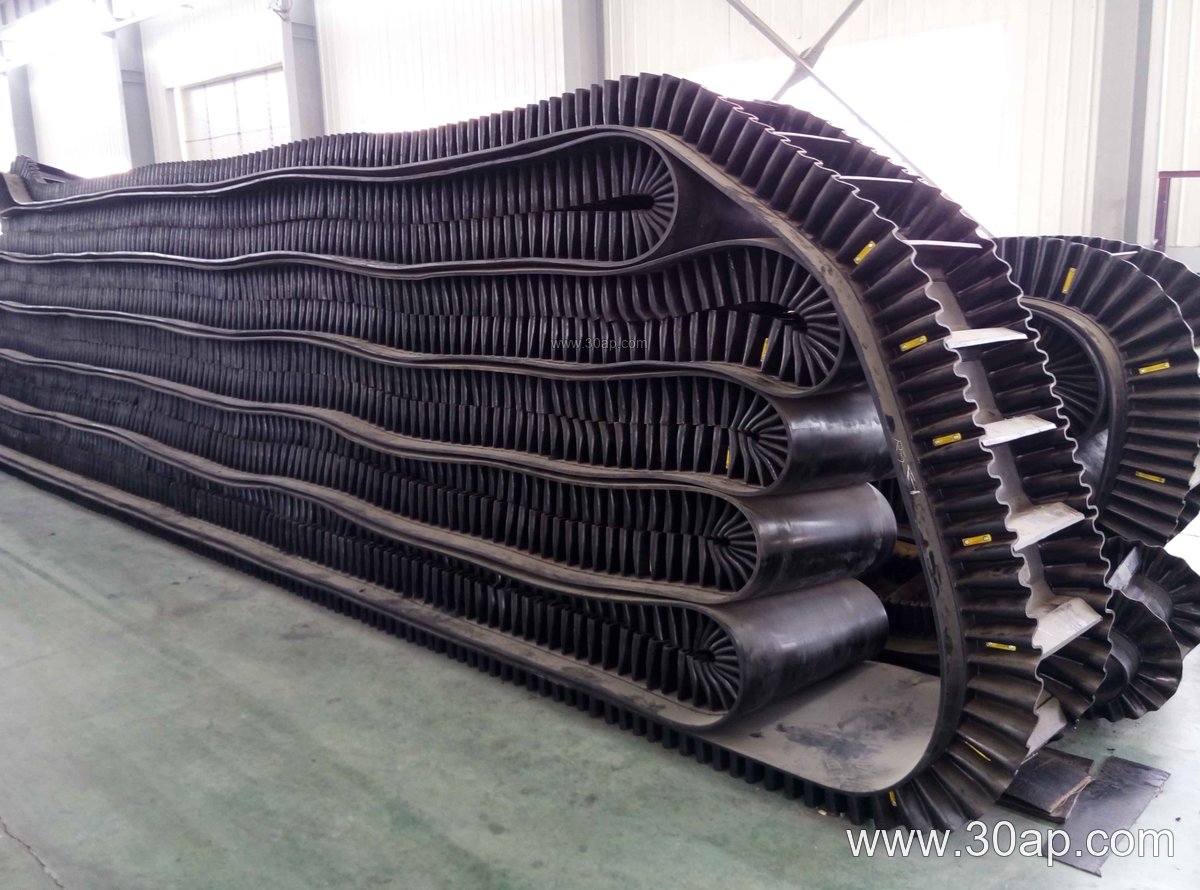
| Surface forms | Smooth, patterned, chevron, corrugated sidewall |
A wider belt does not automatically decide the pulley diameter or the shaft size. Belt width, pulley diameter, shaft load and take-up travel are separate design choices. Do not assume that one belt width can only match one pulley diameter.
Selection and Maintenance Notes
When choosing an anti-static conveyor belt, confirm the material being carried, the lump size, the incline angle and the ambient conditions. A coal yard with fine dust may need a flame retardant and anti-static grade, while a cement line moving hot clinker may need a heat resistant cover. If the belt runs on an incline, a patterned or chevron surface can help hold the load.
Maintenance should include checking the belt surface for wear, keeping the idler roller and conveyor pulley clean, and verifying that grounding connections on the conveyor bracket and frame remain intact. A worn cover or a damaged splice can reduce static dissipation, so inspection is part of safe operation. For dusty mines, cement plants and power stations, the anti-static conveyor belt is a practical way to combine normal material handling with static control.