What the Ø152 Conveyor Idler Represents
In a belt conveyor system, the idler roller is the rotating component that supports the conveyor belt and the material load. The Ø152 Conveyor Idler refers to a roller with an outside diameter of 152 mm. This diameter falls in the mid-to-heavy range of idler sizes, sitting between smaller rollers such as Ø127 or Ø133 and larger units like Ø159 or Ø178. It is often chosen for medium to wide belts where the load per roller is significant and stable rotation is a priority.
Because the diameter is a nominal figure, the actual roller may vary slightly depending on the manufacturer’s design, wall thickness, and bearing housing. The key point is that Ø152 is not a universal match for every belt width. The same idler diameter can appear on several belt widths, and a single belt width can be served by different roller diameters depending on load, speed, and installation conditions.
How a Ø152 Idler Is Built
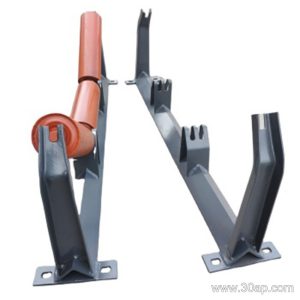
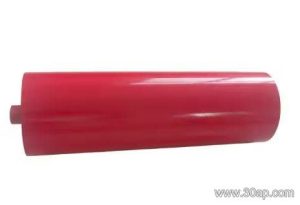
A typical Ø152 Conveyor Idler consists of a steel tube shell, bearing housings at each end, a shaft, and a sealing arrangement. Common roller surface options include plain steel, nylon, rubber rings, and ceramic coatings. The choice depends on the material being carried and the environment.
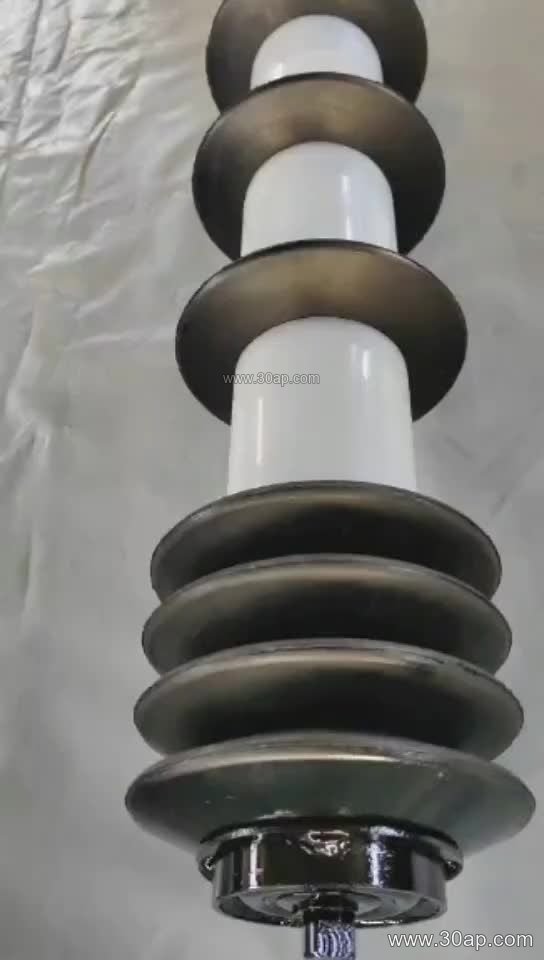
For example, in a coal handling plant or a cement plant where dust and fine particles are present, a good seal is critical. In a quarry or a sand and gravel line, rubber rings may be used on impact zones to absorb shock. The bearing size is not fixed to the roller diameter alone; a Ø152 idler might use bearings such as 6306, 6308, or 6310 depending on the load rating and shaft design.
Common Construction Details
- Roller diameter: 152 mm nominal
- Tube material: steel, sometimes with nylon or rubber covering
- Bearing options: 6205, 6305, 6306, 6308, 6310 (selection depends on load and shaft)
- Sealing: labyrinth, contact, or combined seals for dust and moisture resistance
- Shaft: usually cold-drawn or turned steel, sized according to the bracket and load
Where the Ø152 Idler Fits in a Conveyor
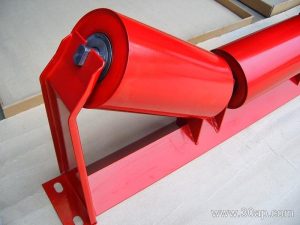
This diameter is frequently used in carrying idler sets and return idler sets on medium to heavy-duty conveyors. In a three-roll troughing set, the center roll and side rolls may all be Ø152, or the side rolls may be a different diameter. The trough angle, often 20, 30, 35, or 45 degrees, affects how the belt is supported and how the load is distributed.
For a B1000 or B1200 belt, a Ø152 idler can be a reasonable choice when the material is relatively dense and the conveyor runs at a moderate speed. For a B1400 or B1600 belt, a larger diameter such as Ø159 or Ø178 might be selected instead, but Ø152 should not be ruled out if the load and speed are within its range.
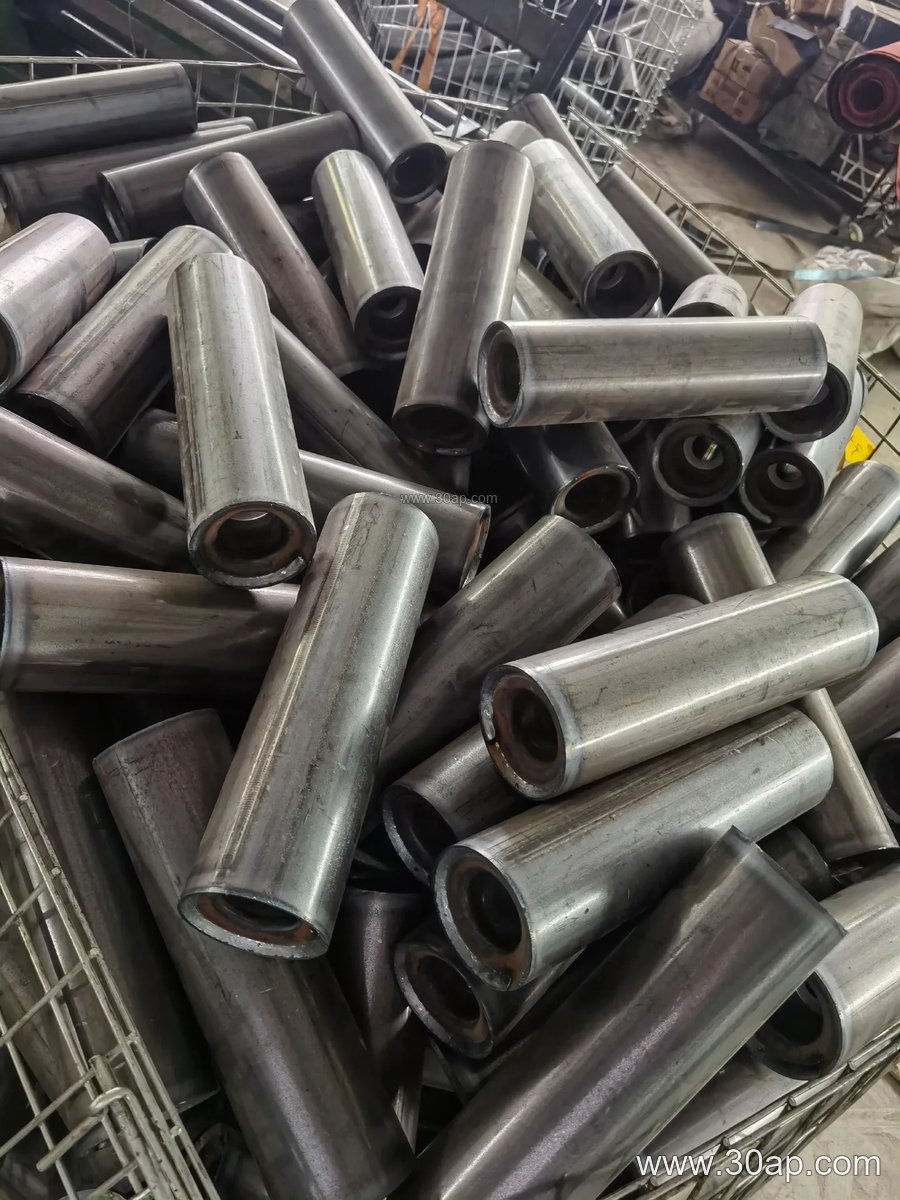
Typical Roll Lengths for Troughing Idlers
The roller length changes with belt width and trough angle. The following are common examples, not fixed rules:
- B500: around 200 mm
- B650: around 250 mm
- B800: around 315 mm
- B1000: around 380 mm
- B1200: around 465 mm
- B1400: around 530 mm
- B1600: around 600 mm
- B1800: around 670 mm
- B2000: around 750 mm
Side rolls and center rolls can have different lengths. The above values are for reference only and should be confirmed with the idler set drawing.
Where It Is Used
Ø152 Conveyor Idlers appear in several bulk material handling environments. A limestone quarry often uses them on the main haulage conveyor after the primary crusher. A coal-fired power plant may install them on the coal yard belt where dust and moisture are present. In a cement plant, they can be found on clinker or raw material conveyors. The idler roller must match the belt speed, load, and environmental conditions.
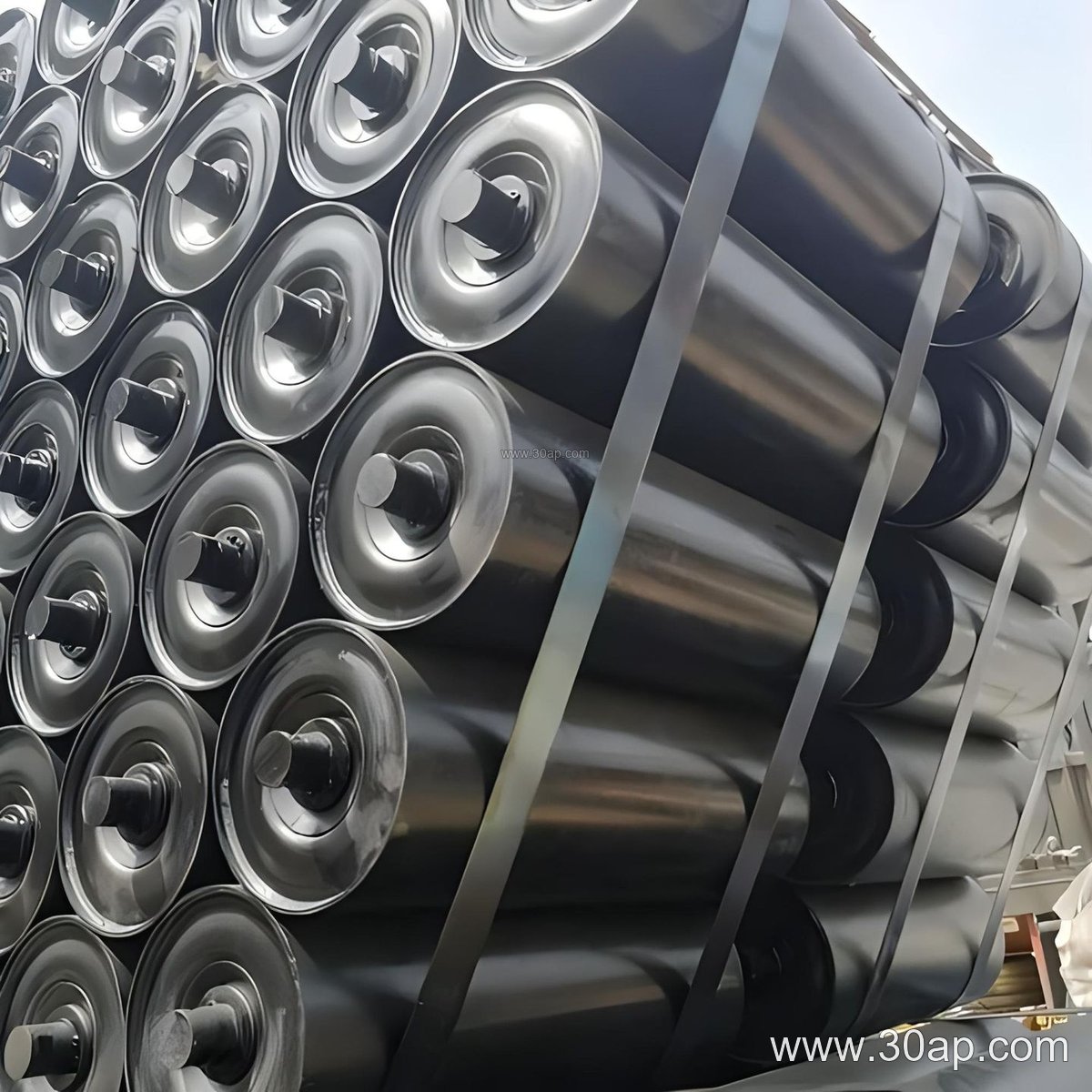
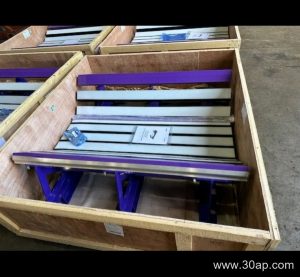
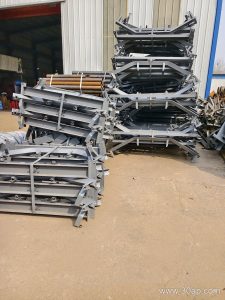
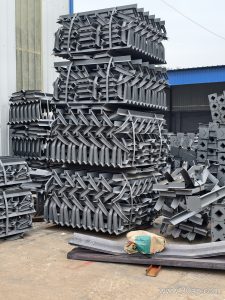
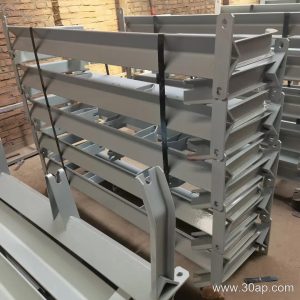
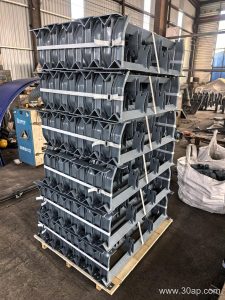
Other equipment in the same system includes the conveyor pulley, which drives or redirects the belt, and the conveyor bracket, which holds the idler in place. These components work together, but they are not interchangeable. A drive pulley, tail pulley, and bend pulley each have different functions, and none of them should be confused with a carrying idler.
What a Buyer Should Check
When specifying a Ø152 Conveyor Idler, the buyer should confirm the belt width, trough angle, roller length, shaft diameter, bearing type, and sealing class. The shaft diameter cannot be assumed from belt width alone; it depends on the load and the bracket design. It is also important to ask about the roller surface: steel, nylon, rubber, or ceramic. Each has different wear and impact characteristics.
For a mine or a port application where the conveyor runs many hours per day, a balanced idler with good sealing and low rotational resistance can help reduce belt wear and energy use. However, no single idler size is mandatory for every conveyor. The right choice is the one that matches the actual duty.
Quick Reference for Ø152 Idler Selection
- Belt width: B800 to B1600 common, but not limited to these
- Trough angle: 20°, 30°, 35°, or 45°
- Idler type: troughing, return, impact, or training, depending on position
- Bearing: 6306, 6308, 6310 as common examples
- Seal: dustproof and water-resistant for outdoor or wet conditions
- Mounting: fixed bracket or adjustable bracket, according to the frame
This guide is intended as a general reference. Actual dimensions and load ratings should always be verified with the manufacturer’s data sheet and the specific conveyor design.