What a V-Type Idler Bracket Does
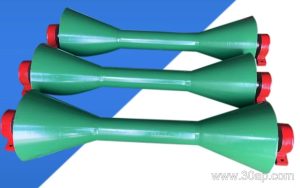
A V-Type Idler Bracket is a return-side support component that holds two idler rollers in a V-shaped arrangement. In a conveyor system, the V-type idler bracket is mounted under the returning conveyor belt, with the two rollers angled upward toward the center. This V shape helps center the belt, reduce material buildup on the return run, and keep the conveyor belt tracking properly. It is a distinct subtype of conveyor bracket, not a replacement for troughing idler brackets or impact brackets. When specified correctly, it works together with the conveyor pulley and the drive pulley to maintain smooth belt circulation.
Construction and Common Materials
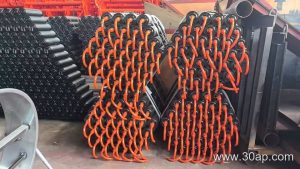
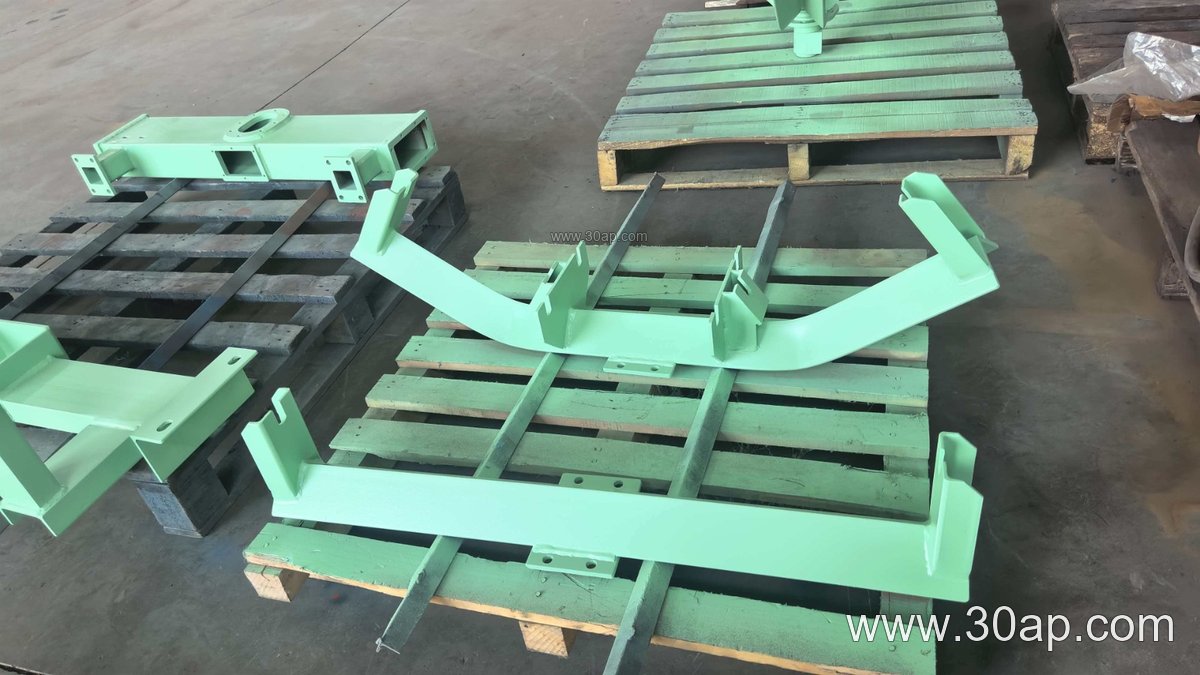
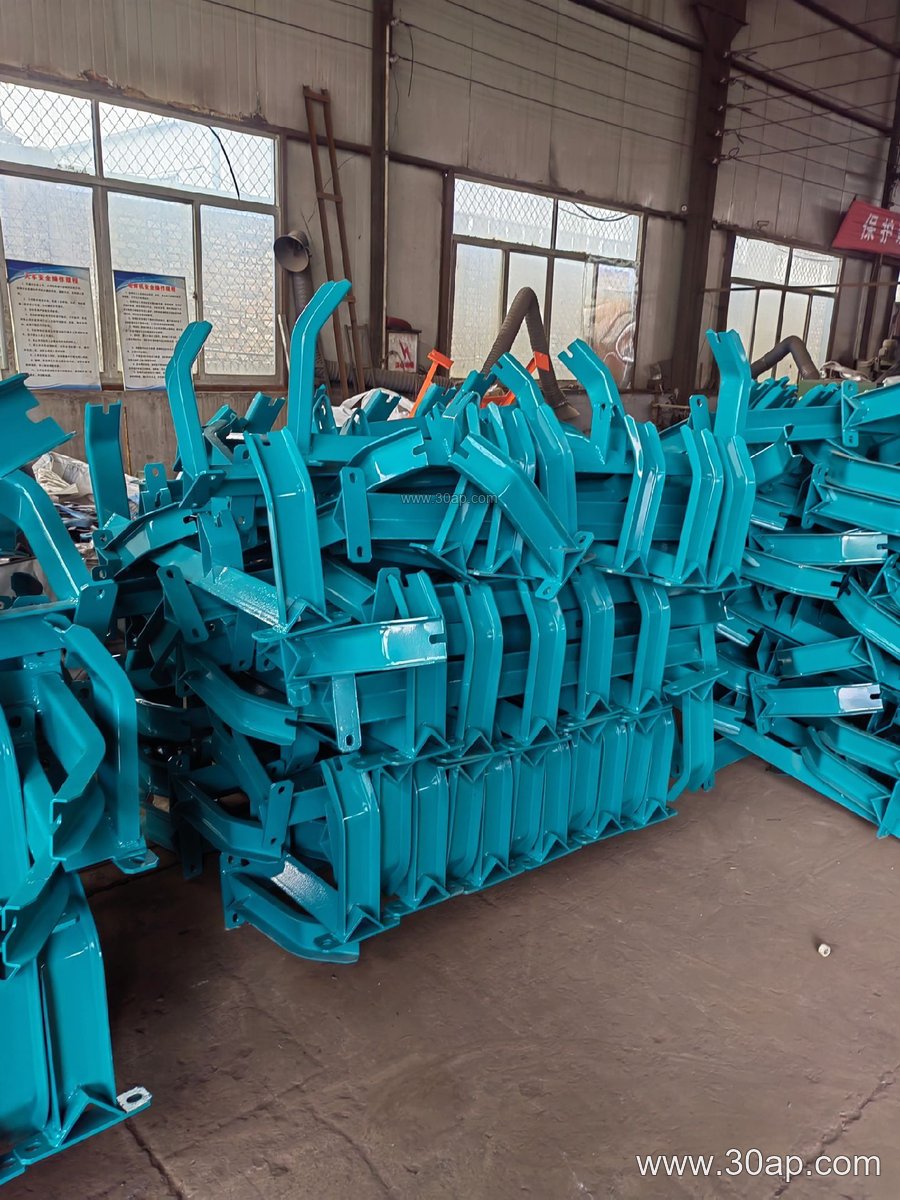
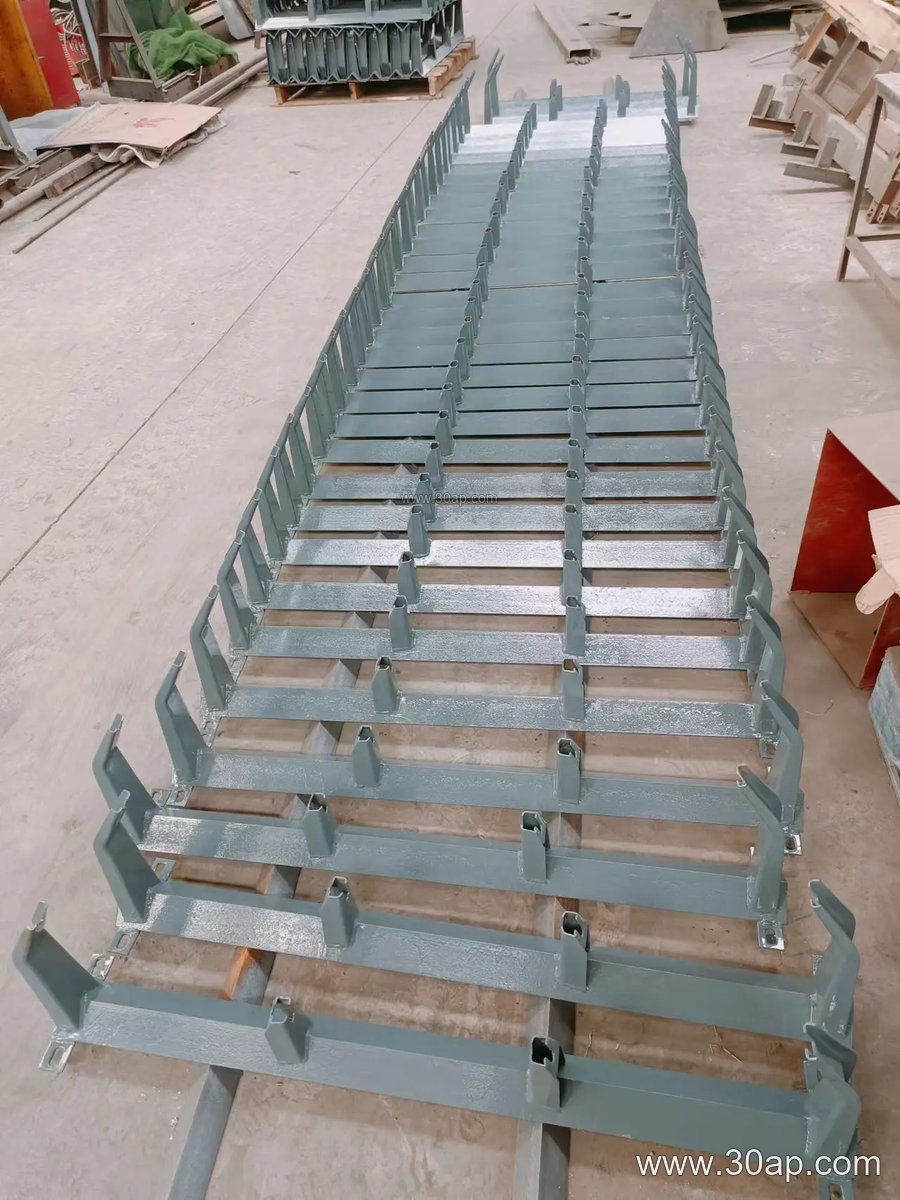
Most V-type idler brackets are fabricated from angle steel, channel steel, or folded steel plate. The bracket includes mounting slots or holes that accept standard idler roller shafts. The V angle is usually fixed at the factory, but adjustable versions allow minor changes to suit belt training needs. The frame must be rigid enough to resist vibration and belt wander without adding unnecessary weight. Surface treatment such as painting or galvanizing is common, though the exact finish depends on the environment.
Where It Fits in a Conveyor
The V-type idler bracket belongs to the return strand, positioned after the discharge point and before the tail pulley. It is widely used in bulk material handling industries such as coal mines, cement plants, power station coal yards, and aggregate crushing lines. In a quarry or sand and gravel plant, the bracket helps keep the return belt aligned despite uneven loading. In a coal preparation plant or iron ore concentrator, it reduces spillage that can lead to belt misalignment. It is not interchangeable with a troughing bracket, a transition bracket, or a flat return bracket, because each serves a different belt support function.
Key Parameters and How They Relate
When selecting a V-type idler bracket, several parameters matter. They should be treated as reference values and confirmed against the actual conveyor design.
| Parameter | Common Options | Notes |
|---|---|---|
| Belt width | B500, B650, B800, B1000, B1200, B1400, B1600 | Mounting hole spacing and beam length vary with belt width and V angle |
| Idler diameter | Ø89, Ø108, Ø133, Ø159, Ø194 | Match roller load capacity and belt speed |
| V angle | Typically 10 to 20 degrees per side | Not to be confused with troughing angle of 20, 30, 35, or 45 degrees |
| Material | Angle steel, channel steel, folded plate | Thickness depends on load and support spacing |
There is no fixed rule that one belt width must pair with one specific idler diameter or V angle. The design engineer should calculate load, belt tension, and space available. Adjustable brackets can accommodate several roller positions, while fixed brackets are simpler and more rigid. For transition zones near a bend pulley or tail pulley, a different bracket type may be required.
Installation and Maintenance Points
Correct installation keeps the V-type idler bracket effective. The bracket should be aligned square to the belt centerline and shimmed so both rollers contact the belt evenly. Uneven contact causes the belt to ride to one side, defeating the self-centering action. During routine inspections, check for worn rollers, loose fasteners, and material buildup between the bracket and the belt. In dusty environments like a limestone mine or fertilizer plant, buildup can push the belt off track. Cleaning and lubrication schedules should follow the conveyor manufacturer recommendations.
Buyer Checklist
- Confirm the belt width and return belt load.
- Choose fixed or adjustable V angle based on tracking history.
- Verify idler shaft diameter and mounting hole pattern.
- Select material and finish for the site conditions.
- Check compatibility with existing idler rollers and conveyor bracket frames.
- Do not substitute a drive pulley, tail pulley, or bend pulley for a return bracket; they are different components.
A well-chosen V-type idler bracket improves return belt stability and reduces maintenance in mining, cement, power, and aggregate operations. Use the parameters above as a starting point, then confirm all dimensions with your conveyor design.