What Makes a Highly Wear-Resistant Idler Different
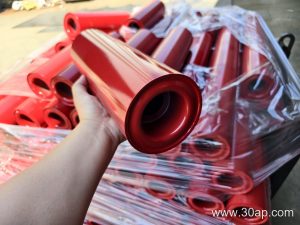
A highly wear-resistant idler is a carrying or return roller built to survive abrasive, dusty, and high-impact duty on a conveyor belt. In practice, it is often specified as a heavy-duty idler roller with a hardened shell, protective surface layer, or reinforced sealing system. The goal is simple: keep the belt running true while resisting the wear that shortens ordinary roller life.
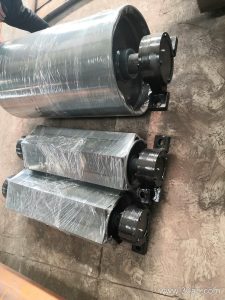
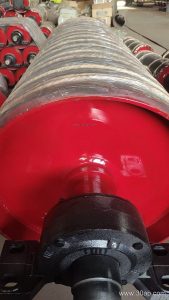
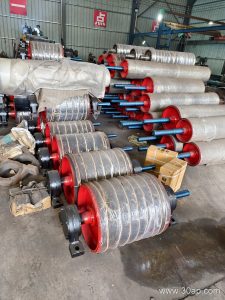
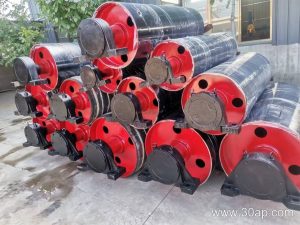
Unlike a drive pulley, tail pulley, or bend pulley, which transmit power or change belt direction, the idler roller only supports the belt and the material load. That distinction matters when selecting components for a quarry, coal preparation plant, or cement line, because each part has a different job and should not be treated as interchangeable.
Construction and Surface Options
A wear-resistant idler usually combines a steel tube body with a bearing housing, shaft, and sealing arrangement. The roller surface may be plain steel, nylon-coated, ceramic-covered, or fitted with rubber rings. Each surface form suits a different wear pattern.
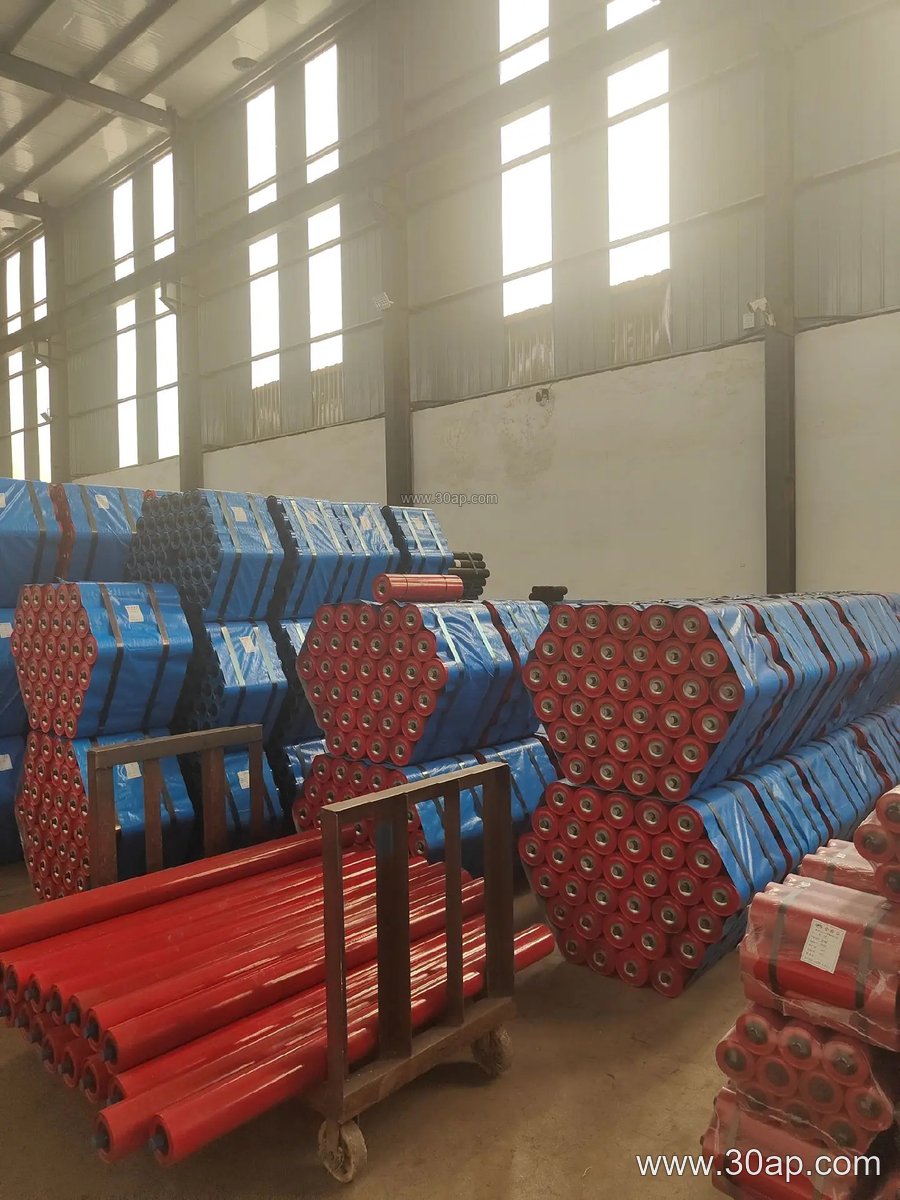
- Steel shell: a common choice for general abrasive service where cost and strength matter.
- Nylon or ceramic surface: helps reduce friction and resist fine-particle abrasion.
- Rubber ring: used on buffer idlers and impact zones to absorb shock and protect the belt.
Bearings are typically selected from sizes such as 6204, 6205, 6305, 6306, 6308, and 6310. A larger roller diameter does not automatically require one fixed bearing size, so the bearing, shaft, and housing should be matched by the designer rather than assumed from a single dimension.
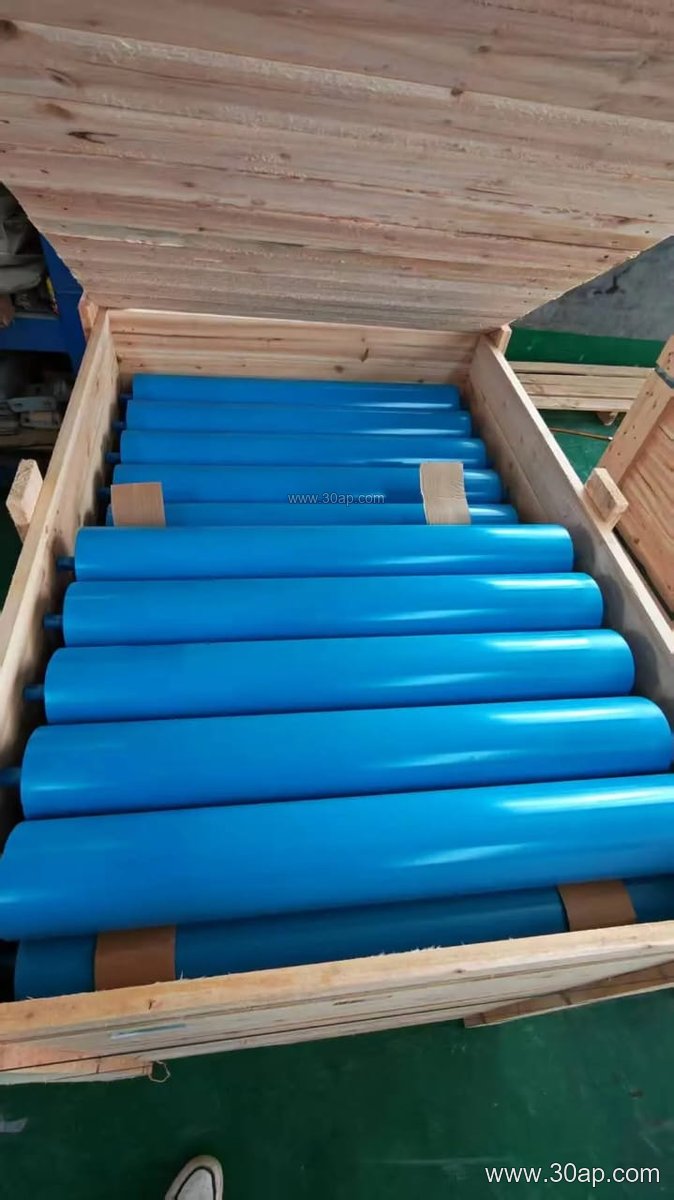
Common Types and Where They Fit
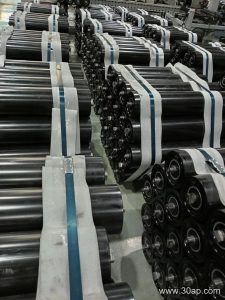
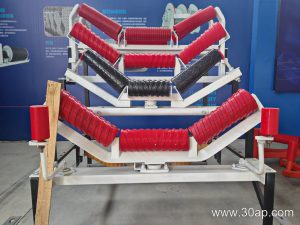
The wear-resistant family can appear in several positions along a conveyor. Troughing idlers support the loaded belt on the carrying side. Return idlers support the empty belt on the way back. Impact or buffer rollers sit under the loading point, while self-aligning idlers help correct belt drift. A V-return or spiral roller may also be used where material buildup is a concern.
For a three-roll troughing set, common roller diameters include Ø89, Ø102, Ø108, Ø127, Ø133, Ø159, and Ø178. Belt widths often range from B500 to B2000 and beyond, depending on the conveyor design. Trough angles are commonly 20, 30, 35, or 45 degrees. These values are references for selection, not a universal rule that one belt width must use one specific roller diameter.
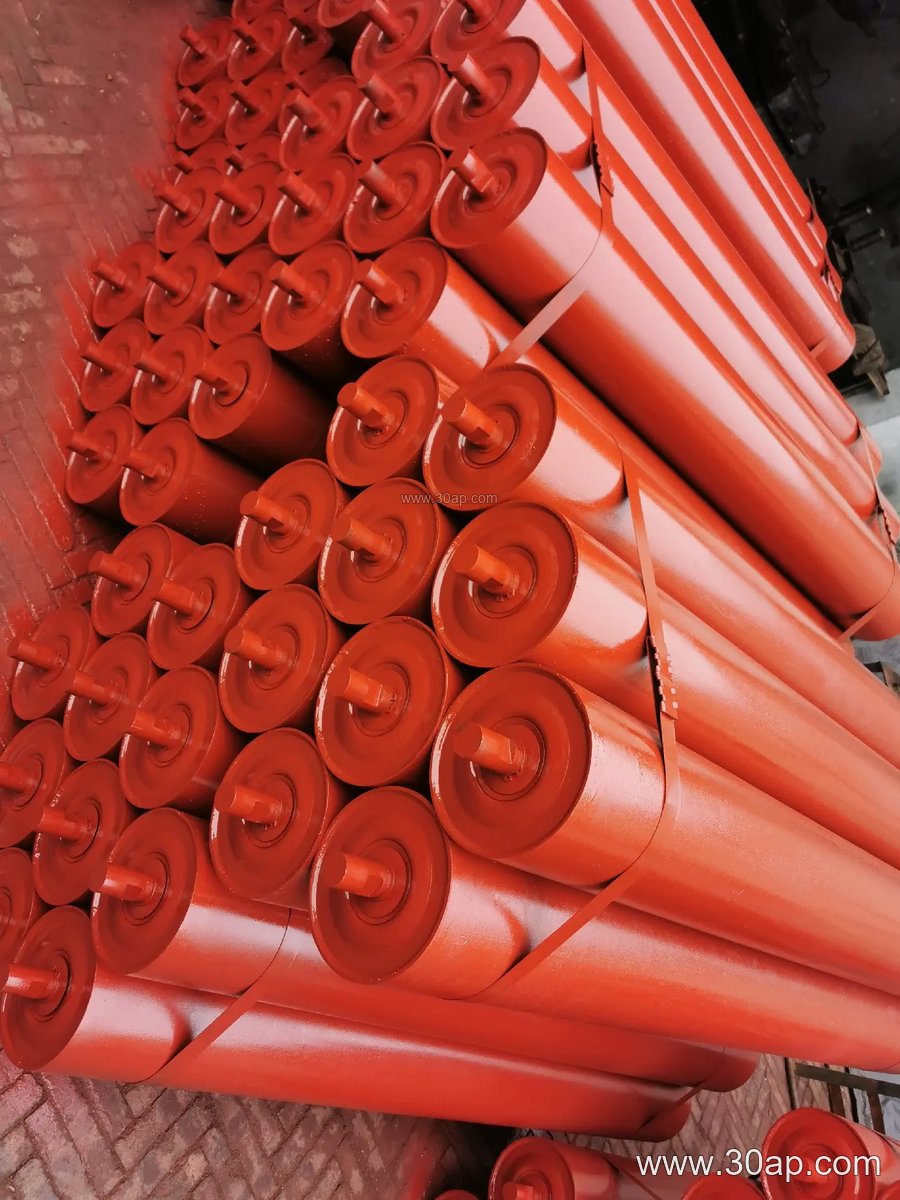
Typical Industries and Operating Conditions
Highly wear-resistant idlers are widely used in the mining and bulk material sectors. In an iron ore or copper mine, sharp ore fragments and constant loading can quickly damage standard rollers. In a coal washing plant or power station coal yard, fine dust and moisture may enter the bearing area. Sand and gravel lines, crushing and screening plants, and cement works also place heavy demands on belt support.
A conveyor belt in a tunnel boring or slag handling operation may see impact, grit, and uneven loading. In these environments, a wear-resistant idler roller with good sealing and a robust shell can reduce maintenance stops and help protect the belt edge.
Selection Points for Buyers
Before choosing a highly wear-resistant idler, confirm the belt width, the load per roller, the belt speed, and the material characteristics. Check whether the idler will be used on the carrying side, return side, or at a transfer point. The roller length usually follows the belt width, trough angle, and idler arrangement. For example, a three-roll troughing set at B800 commonly uses a roller around 315 mm, while B1200 often uses about 465 mm. Side rollers and center rollers can differ, so these are examples only.
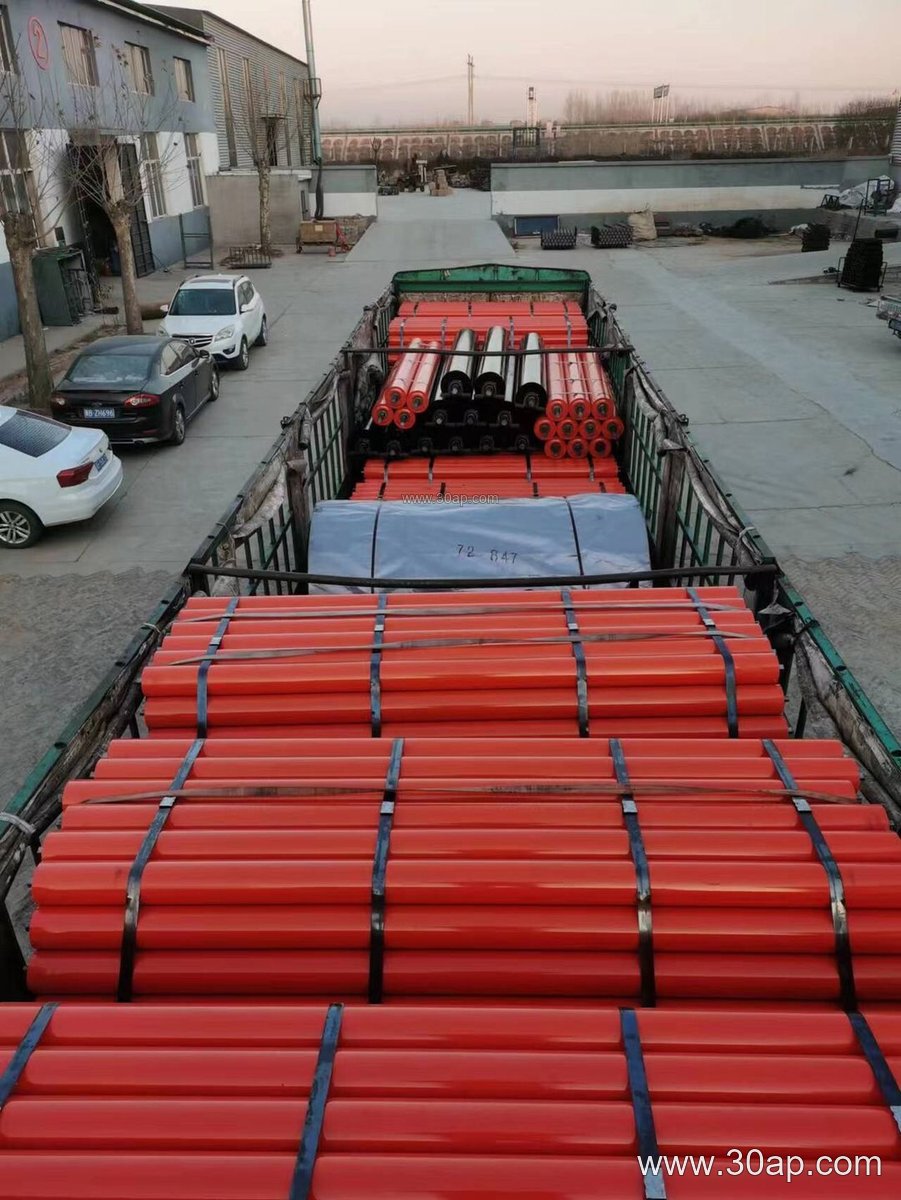
Also review the conveyor bracket and frame dimensions. A roller that fits the bracket correctly will run straighter and last longer. The sealing method matters as much as the shell material, because abrasive dust that reaches the bearing will shorten service life regardless of surface hardness.
Maintenance and Long-Term Value
Wear-resistant idlers are not maintenance-free, but they can extend replacement intervals when matched to the application. Inspect for abnormal noise, belt tracking problems, and material buildup around the seals. Replace damaged rollers before they wear the conveyor belt or overload the frame. In high-tonnage operations such as a limestone quarry or a port bulk terminal, keeping a small stock of common sizes can reduce downtime.
The right choice balances roller diameter, bearing size, surface form, and sealing quality against the actual working conditions. A highly wear-resistant idler should be selected as part of the whole conveyor system, not as a standalone item.