What EP630 Conveyor Belt Means
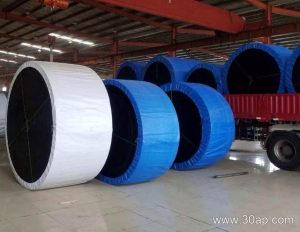
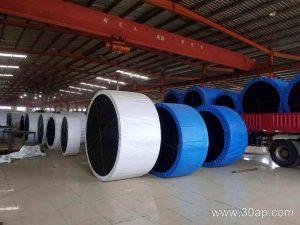
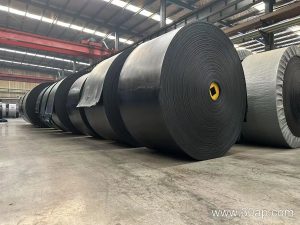
An EP630 conveyor belt is a multi-ply rubber belt built on polyester and nylon (EP) fabric. The designation EP630 refers to the nominal tensile strength of the carcass, typically expressed in newtons per millimetre of belt width. In practice, this places the belt in the medium-to-high duty class, well above lighter grades such as EP200 or EP315, but below very heavy grades like EP1000 and above. Because the EP carcass stretches less than a pure nylon belt and absorbs impact better than a rigid steel cord design, it is a common choice for mixed operating conditions.
The same product may also be described as an EP630 rubber conveyor belt or a 630 kN/m polyester-nylon belt. These are equivalent names for the same item. Other constructions, such as NN nylon, steel cord, PVC or PVG belts, serve different purposes and should not be treated as replacements when an EP carcass is specified.
Construction and Common Specifications
The belt is usually made from two to six plies of EP fabric, with rubber covers on both faces. The top cover protects against abrasion and impact, while the bottom cover runs against the idler rollers. Cover thickness is often written as a pair of figures, for example 4+2 mm or 5+2 mm, meaning top cover plus bottom cover. Buyers may encounter 3+1.5, 6+2 or 8+3 mm as well, depending on the duty and the material being carried.
Typical reference values for an EP630 belt are summarised below. These are common ranges, not fixed promises, and final data should be confirmed with the manufacturer.
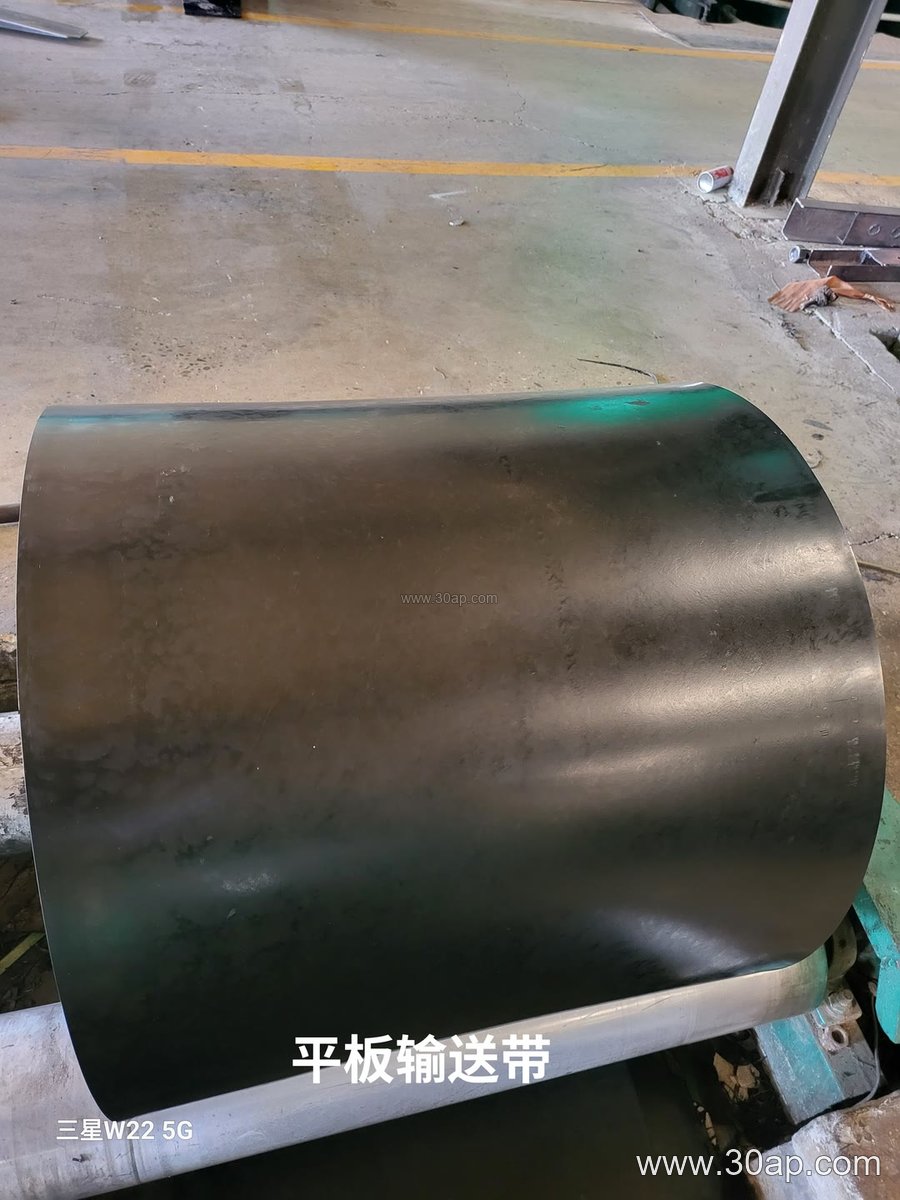
- Strength grade: EP630 (630 N/mm)
- Carcass plies: usually 3 to 5
- Belt width: B650, B800, B1000, B1200, B1400, B1600 and wider
- Cover thickness: 3+1.5, 4+2, 5+2, 6+2 or 8+3 mm
- Surface forms: smooth, abrasion resistant, heat resistant, oil resistant, flame retardant, anti-static, cold resistant or acid and alkali resistant
Special profiles such as chevron, herringbone or corrugated sidewall belts exist for inclined or steep-angle conveying, but they are separate designs and are mentioned here only for comparison.
Where It Is Used
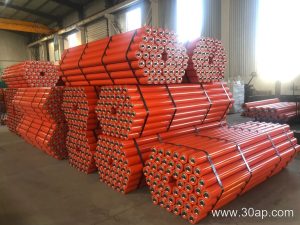
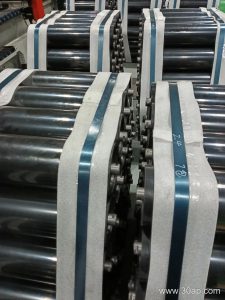
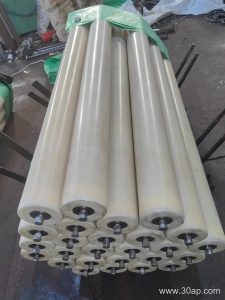
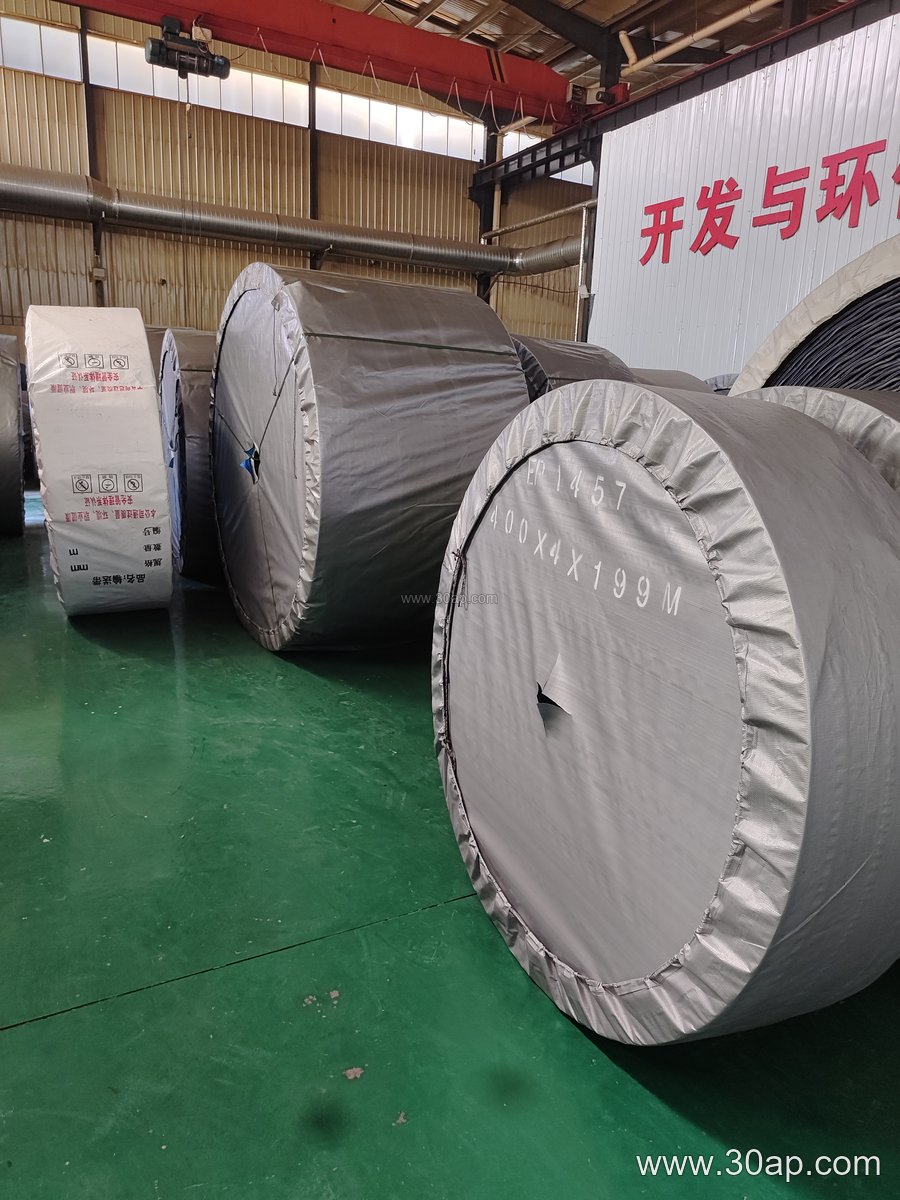
The EP630 conveyor belt suits continuous conveying of bulk materials in mines, coal preparation plants, cement works, power stations, sand and gravel yards, and similar heavy industries. It moves crushed rock, clinker, coal, ore, limestone and other abrasive loads. In these systems the belt runs over conveyor pulleys and is supported by idler rollers, while the frame is held together by conveyor brackets.
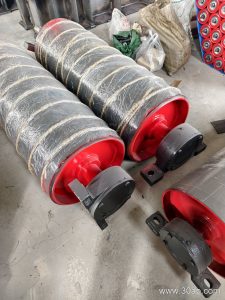
A drive pulley pulls the belt, a tail pulley returns it, and bend pulleys change direction where the layout requires it. These three pulley roles are not interchangeable, and each is selected for its own position and load. The EP630 belt is often chosen where a reasonable balance of strength, elongation and impact resistance is needed without moving to a steel cord carcass.
Selection Points for Buyers
Choosing an EP630 belt is not only a matter of matching the strength figure to the conveyor. The material, lump size, drop height, troughing angle and ambient temperature all shape the final specification. A belt that is too stiff for small pulleys may track poorly, while one with insufficient cover thickness may wear out early under sharp, abrasive rock.
Several practical items deserve attention:
- Confirm the required belt width and ply count with the conveyor designer.
- Match the cover grade to the load, for example abrasion resistant for sand and gravel, heat resistant for clinker, or flame retardant for underground coal work.
- Check the minimum pulley diameter recommended for the selected carcass, and remember that belt width alone does not fix pulley diameter or shaft size.
- Review the jointing method, since vulcanised splices and mechanical fasteners have different strength and service characteristics.
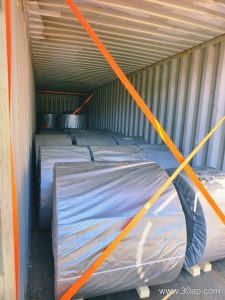
- Store the belt away from direct sunlight, oil and sharp objects before installation.
Maintenance and Service Life
Once installed, an EP630 belt benefits from regular inspection. Misaligned idler rollers, worn pulleys, overloaded chutes and material build-up all shorten belt life. Keeping the conveyor aligned and the loading point controlled helps the carcass and covers last longer. When a section is damaged, repair decisions should consider the remaining ply strength and the splice condition rather than the surface appearance alone.
In short, an EP630 conveyor belt is a versatile multi-ply polyester-nylon belt for demanding bulk handling. The correct choice depends on the full conveyor design, the material carried and the working environment, not on a single number.