What an EP1000 1200mm Conveyor Belt Is
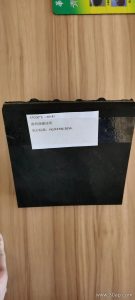
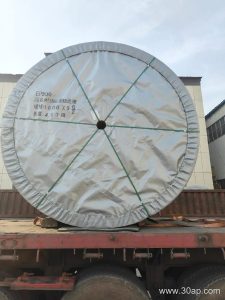
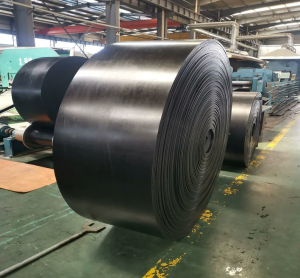
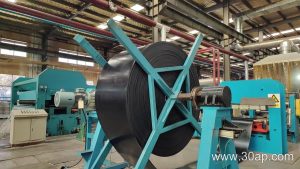
The EP1000 1200mm conveyor belt is a heavy duty fabric belt built around polyester (EP) warp and polyamide (nylon) weft cords. The EP1000 rating refers to a nominal tensile strength of 1000 N/mm per ply layer in the warp direction, while the 1200 mm figure is the cut belt width. This combination of high strength and a wide, stable footprint makes the belt a common choice in mines, coal preparation plants, cement works, power stations and sand and gravel yards where large tonnages move over long distances.
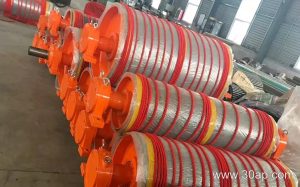
In everyday language this product is also called an EP1000 belt 1200 mm wide or a 1200mm EP conveyor belt. These are accurate synonyms for the same item. The belt is not the same as a drive pulley, a tail pulley or a bend pulley; those are separate components of the conveyor system.
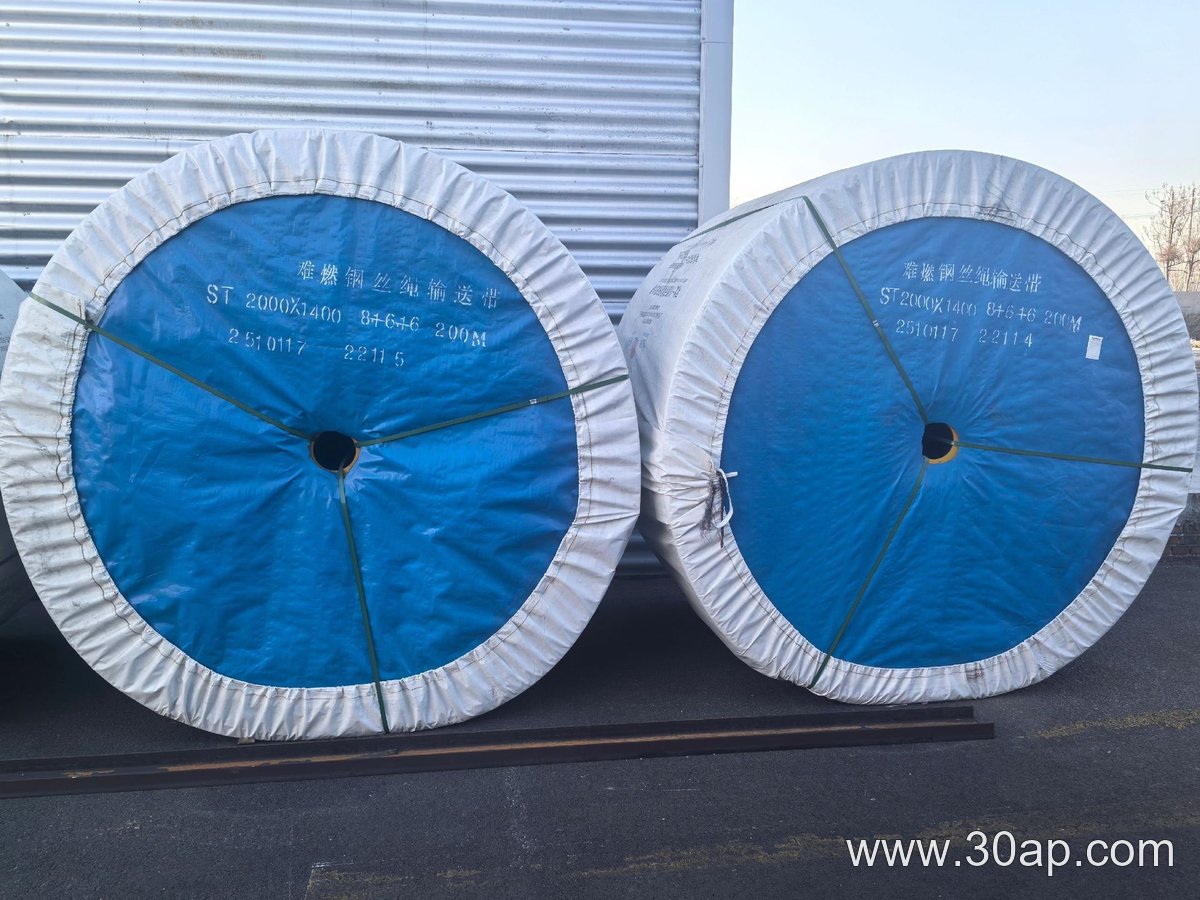
Construction and Typical Specifications
An EP1000 belt normally uses multiple plies of EP fabric bonded with rubber. Two to six plies are common, and the cover rubber is selected for the duty.
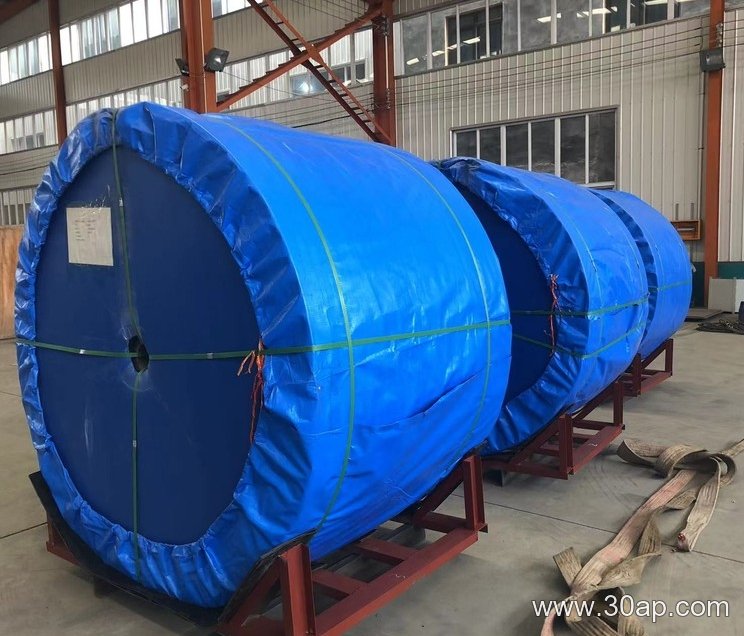
Common reference data for this belt family
| Property | Typical range |
|---|---|
| Type | EP (polyester / nylon) conveyor belt |
| Strength grade | EP1000 |
| Width | 1200 mm (B1200) |
| Cover thickness | 3+1.5, 4+2, 5+2, 6+2, 8+3 mm |
| Ply count | 2 to 6, usually 4 or 5 for EP1000 |
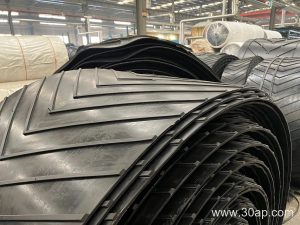
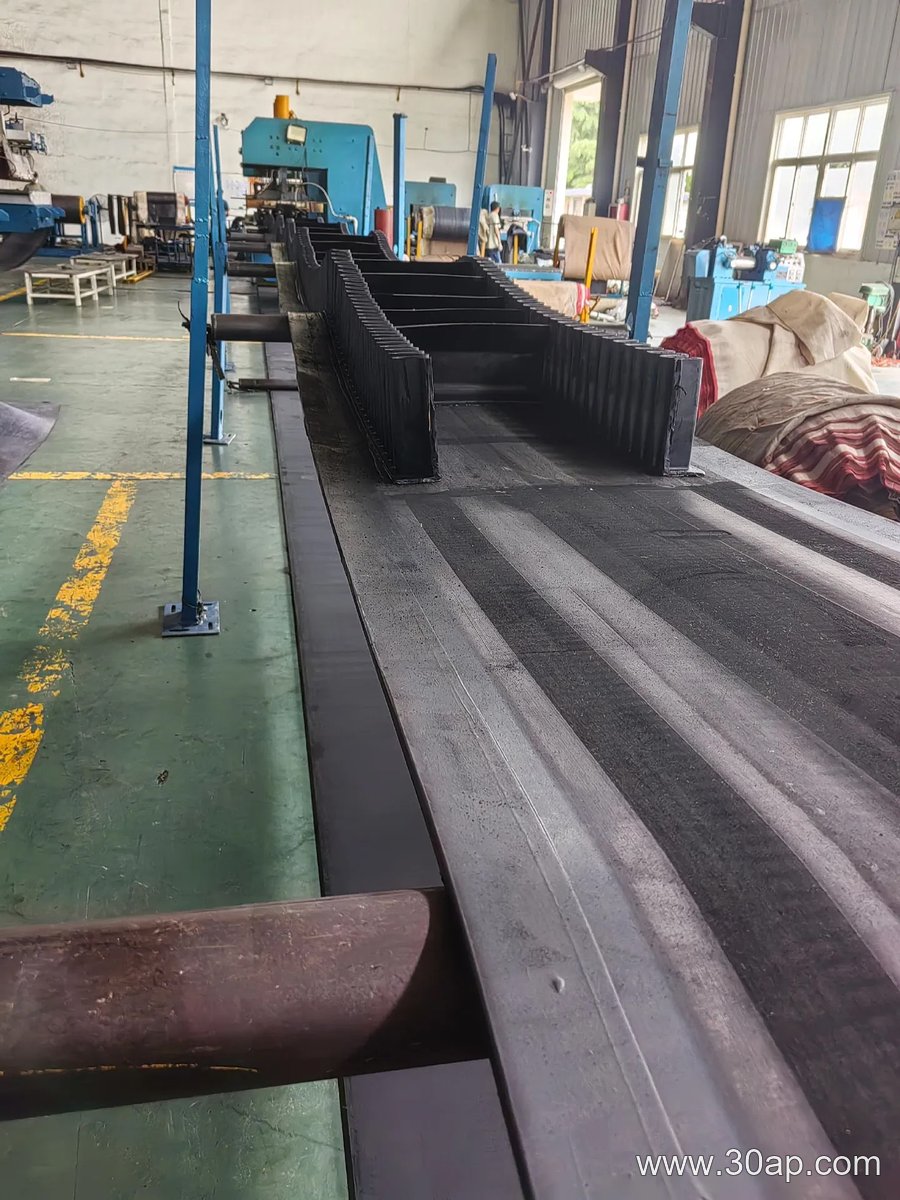
| Surface form | smooth, patterned, chevron or corrugated sidewall |
| Special grades | abrasion resistant, heat resistant, oil resistant, flame retardant, antistatic, cold resistant, acid and alkali resistant |
These values are reference points only. Actual construction is confirmed by the manufacturer against the conveyor design.
Where a 1200mm EP1000 Belt Fits
Mines and quarries use this width when the conveyor must carry coarse ore or aggregate at high capacity. A cement plant may run it on clinker or limestone lines. A power station may use it for coal handling. In a sand and gravel yard it often works with a matching idler roller set and conveyor pulley at the head and tail.
When a narrower belt such as an EP1000 1000mm conveyor belt is compared, the 1200 mm version offers a wider load bed and can move more material at the same belt speed. The choice depends on tonnage, lump size and the pulley width available.
System Components Around the Belt
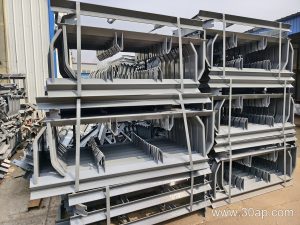
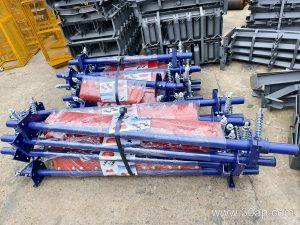
The belt does not work alone. A troughing idler roller set supports the load, a conveyor pulley drives or redirects it, and a conveyor bracket holds the rollers and pulleys in line. Drive, tail and bend pulleys each have a distinct function and are not interchangeable. When ordering a belt, share the pulley diameters, trough angle and take-up arrangement with the supplier so the belt can be matched to the system.
Buyer Checklist
- Confirm the actual belt width and required strength grade, not just the EP1000 label.
- State the material, lump size and operating temperature.
- Choose cover thickness and special grade for the site conditions.
- Check whether a smooth, patterned or sidewall belt is needed.
- Provide pulley diameters and idler spacing for a proper match.
- Ask for the splice method and edge treatment.
Installation and Maintenance Notes
Correct alignment at the idler roller and conveyor pulley stations reduces edge wear. Keep the belt tension within the design range. Inspect covers for cuts and check splices regularly. For dusty or wet conditions, a patterned surface may help, but the main selection still depends on the EP1000 carcass and the 1200 mm width. Store belts away from direct sunlight, oil and excessive heat.