What a Conveyor Carrying Bracket Does
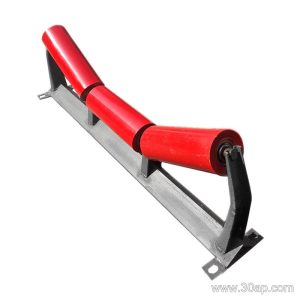
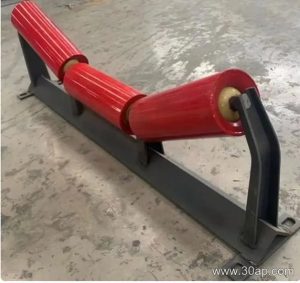
A conveyor carrying bracket is the structural component that holds the troughing idlers in place along the carrying side of a belt conveyor. It sits between the conveyor frame and the idler roller, keeping the rollers at the correct angle so the conveyor belt forms a trough. This trough shape helps contain bulk material during transport. Without a proper carrying bracket, the idlers would shift, the belt would mistrack, and spillage would increase.
Also called a troughing idler support bracket or carrying idler bracket, this part is distinct from return brackets or impact brackets. It is specifically used on the loaded side of the conveyor. A carrying bracket may be fixed or adjustable, depending on the trough angle required and the material being handled.
How It Is Built
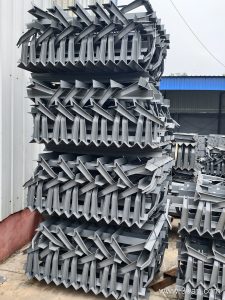
Most carrying brackets are made from angle steel, channel steel, or bent steel plate. The choice depends on the load, belt width, and environmental conditions. In a typical design, the bracket has mounting holes for the idler shaft and a crossbeam that connects to the conveyor frame. The bracket may include slots or multiple hole positions to allow adjustment of the trough angle.
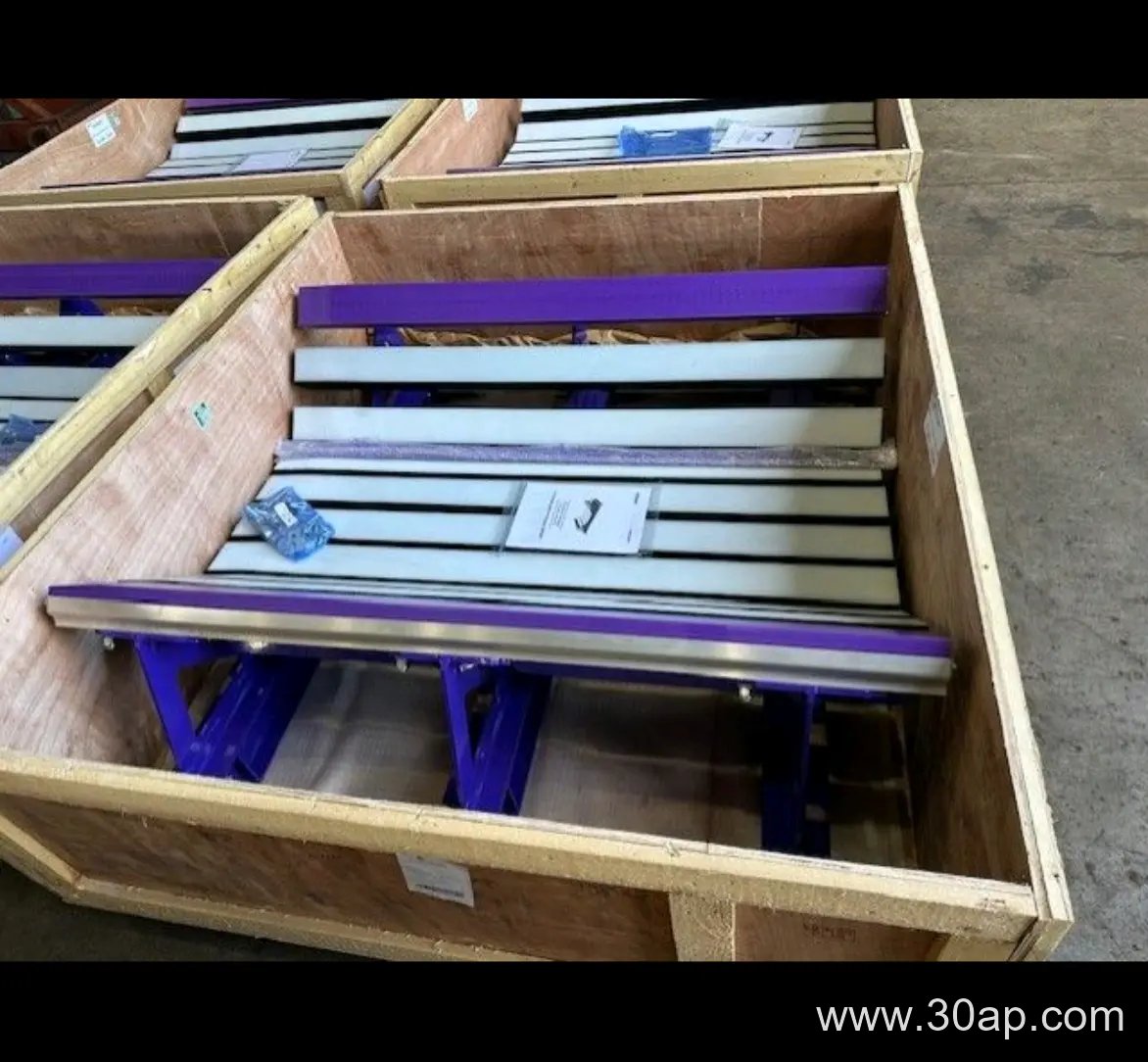
Common trough angles include 20, 30, 35, and 45 degrees. Adjustable brackets let maintenance teams change the angle to suit different materials or belt conditions. Fixed brackets are simpler and often used where the trough angle does not need to change.
Where It Is Used
Conveyor carrying brackets appear in many bulk material handling systems. In a coal wash plant, they support idlers that carry coal without excessive spillage. In a limestone quarry, they help transport crushed stone at high tonnage. Cement plants use them on clinker and raw meal conveyors. Power plant coal handling systems rely on them for reliable belt support. Sand and gravel lines, iron ore mines, and port loading facilities also use carrying brackets as part of the troughing idler assembly.
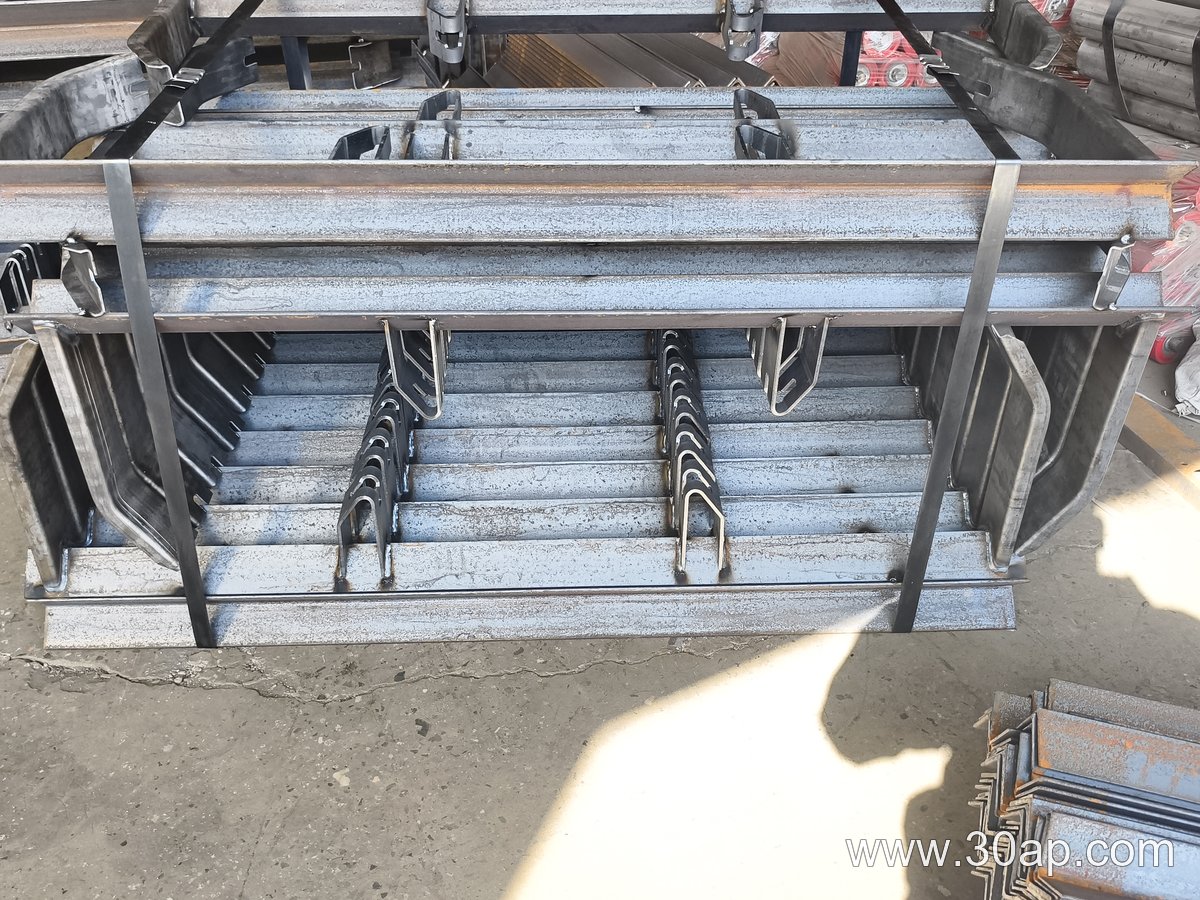
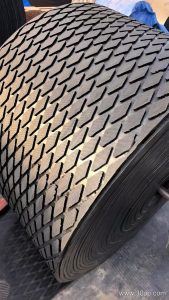
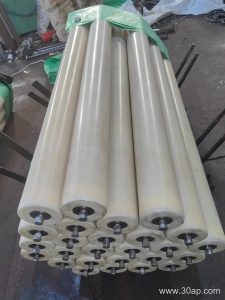
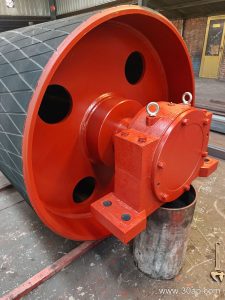
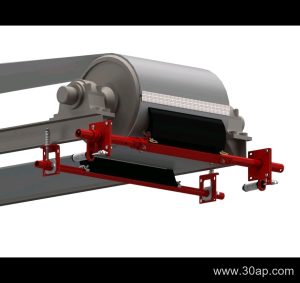
These brackets work together with the conveyor belt, idler roller, and conveyor pulley. The carrying bracket does not drive or redirect the belt. That is the job of the drive pulley, tail pulley, or bend pulley. The carrying bracket simply supports the troughing idlers on the carrying run.
Key Parameters to Consider
When selecting a conveyor carrying bracket, several parameters matter. Belt width, trough angle, and roller diameter are the main ones. The table below shows common combinations, but they are not fixed rules. A bracket for one belt width can often accept different roller diameters and trough angles depending on the design.
| Belt Width | Common Trough Angle | Typical Roller Diameter |
|---|---|---|
| B500 | 20° – 30° | Ø89 |
| B650 | 30° – 35° | Ø89 – Ø108 |
| B800 | 30° – 35° | Ø108 – Ø133 |
| B1000 | 35° – 45° | Ø108 – Ø133 |
| B1200 | 35° – 45° | Ø133 – Ø159 |
| B1400 | 35° – 45° | Ø133 – Ø159 |
| B1600 | 35° – 45° | Ø159 – Ø194 |
| B1800 | 35° – 45° | Ø159 – Ø194 |
Mounting hole spacing and crossbeam length change with belt width and trough angle. They are not universal. Always confirm dimensions with the conveyor design or the bracket manufacturer.
Types and Variations
Carrying brackets come in several forms. The standard troughing bracket holds three idlers in a fixed trough. An adjustable bracket allows the trough angle to be changed. A transition bracket supports the belt where it changes from flat to troughed. A forward-leaning bracket, often set at about 1.5 to 2 degrees, helps with belt training. A buffer bracket is used under loading points to absorb impact, but it is a different subtype and not a replacement for a standard carrying bracket.
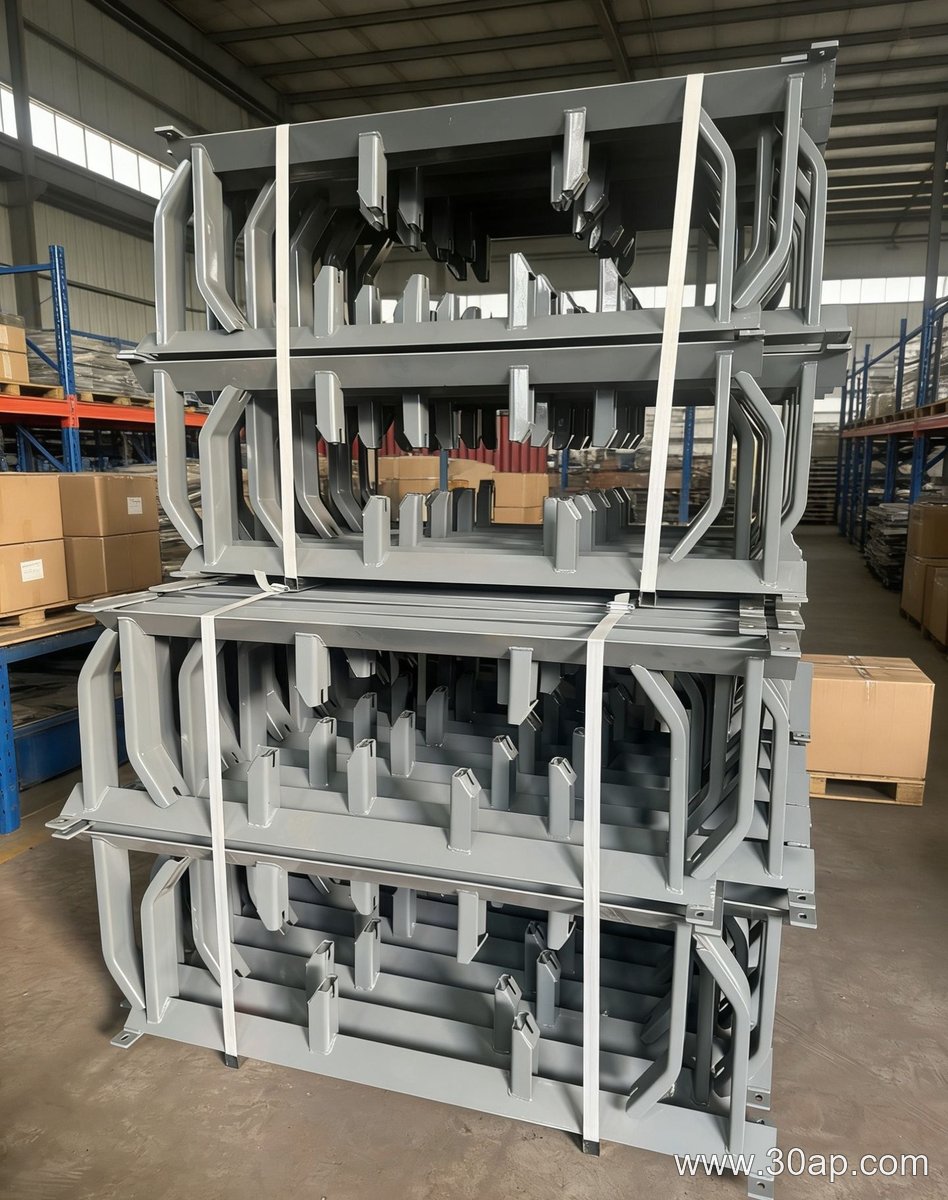
For return side support, a return bracket or V-return bracket is used instead. Those are not carrying brackets. Similarly, a self-aligning bracket is a separate type used to correct belt mistracking.
What Buyers Should Know
Before ordering a conveyor carrying bracket, gather the belt width, required trough angle, roller diameter, and mounting dimensions. Check whether the bracket will be welded or bolted to the frame. Consider the environment: dusty, wet, or corrosive conditions may call for different materials or surface treatment. Do not assume that one belt width only matches one roller diameter or one trough angle. Many combinations are possible. Ask for a dimensional drawing and confirm that the bracket fits your existing idlers and frame.
For harsh industries such as mining, coal, cement, or steel, choose a bracket with adequate strength and corrosion resistance. A well-matched carrying bracket keeps the belt stable, reduces spillage, and extends the life of the conveyor belt and idler rollers.