What a Corrugated Sidewall Conveyor Belt Is
A corrugated sidewall conveyor belt is a specialized conveyor belt with raised, wave-shaped edges and horizontal cleats that form individual pockets. This design allows material to be carried at steep angles, even vertically, without the need for multiple transfer points. In a coal mine, a cement plant, a power station, or a sand and gravel yard, this belt often replaces conventional troughed belts where space is tight and inclines are steep. The product is also called a sidewall belt with cleats, or simply a corrugated sidewall belt. It is not the same as a standard EP or nylon belt with a flat profile.
Construction and Main Components
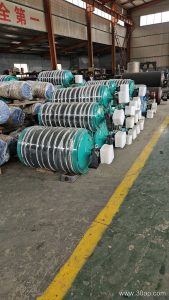
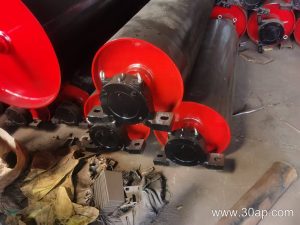
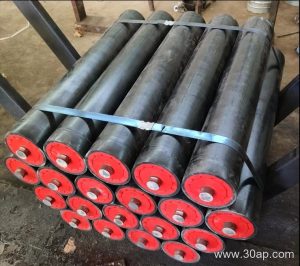
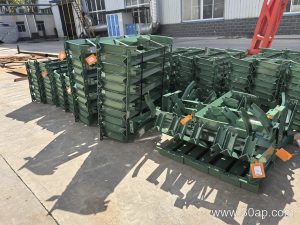
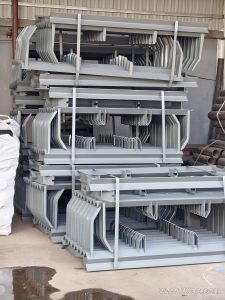
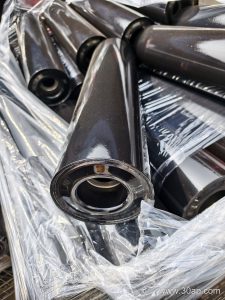
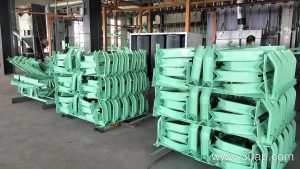
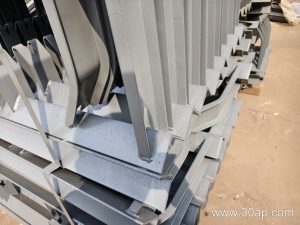
The belt body consists of a base belt, two corrugated sidewalls, and transverse cleats. The base belt provides tensile strength and is usually made of EP fabric, NN nylon, or steel cord, depending on the load and span. Sidewalls are hot-vulcanized or mechanically fastened to the base. Cleats are available in several forms, such as T-shaped, C-shaped, or block types. The belt runs on a conveyor pulley at the head and tail, supported by idler rollers and special conveyor brackets that hold the sidewall shape. Drive, tail, and bend pulleys each have a distinct role; they are not interchangeable terms. The drive pulley transmits power, the tail pulley returns the belt, and bend pulleys change direction.
Common Base Belt Types and Strength Grades
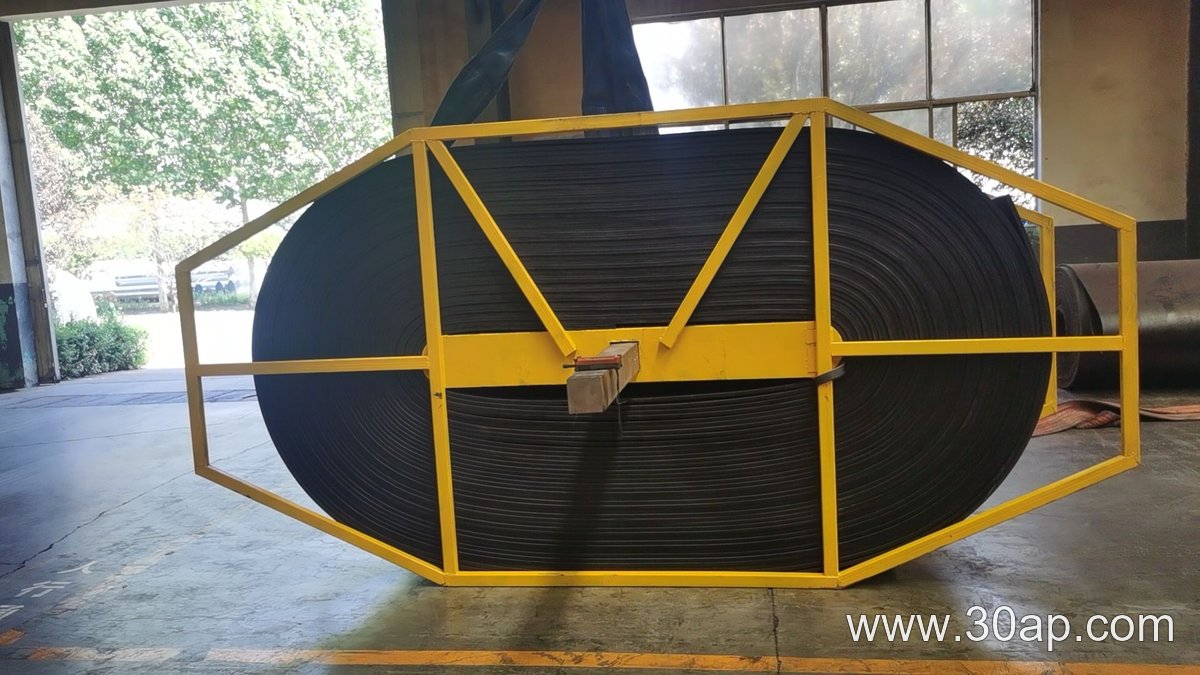
The base belt can use the same carcass types as other conveyor belts. Common options include EP, NN nylon, and steel cord. Strength grades often range from EP200 to EP2000, and cover rubber thickness may be 3+1.5 mm, 4+2 mm, 5+2 mm, 6+2 mm, or 8+3 mm. Fabric plies typically run from 2 to 6 layers. These values are for reference; actual selection depends on the material, incline, and capacity.
Typical Belt Width and Cleat Height
Belt widths are usually B500, B650, B800, B1000, B1200, B1400, B1600, B1800, or B2000. Cleat height and sidewall height are matched to the material and the required pocket volume. A wider belt does not automatically mean a larger pulley diameter; pulley size is determined by belt tension, carcass flexibility, and shaft load. There is no fixed rule that one belt width must pair with one pulley diameter.
Where It Is Used
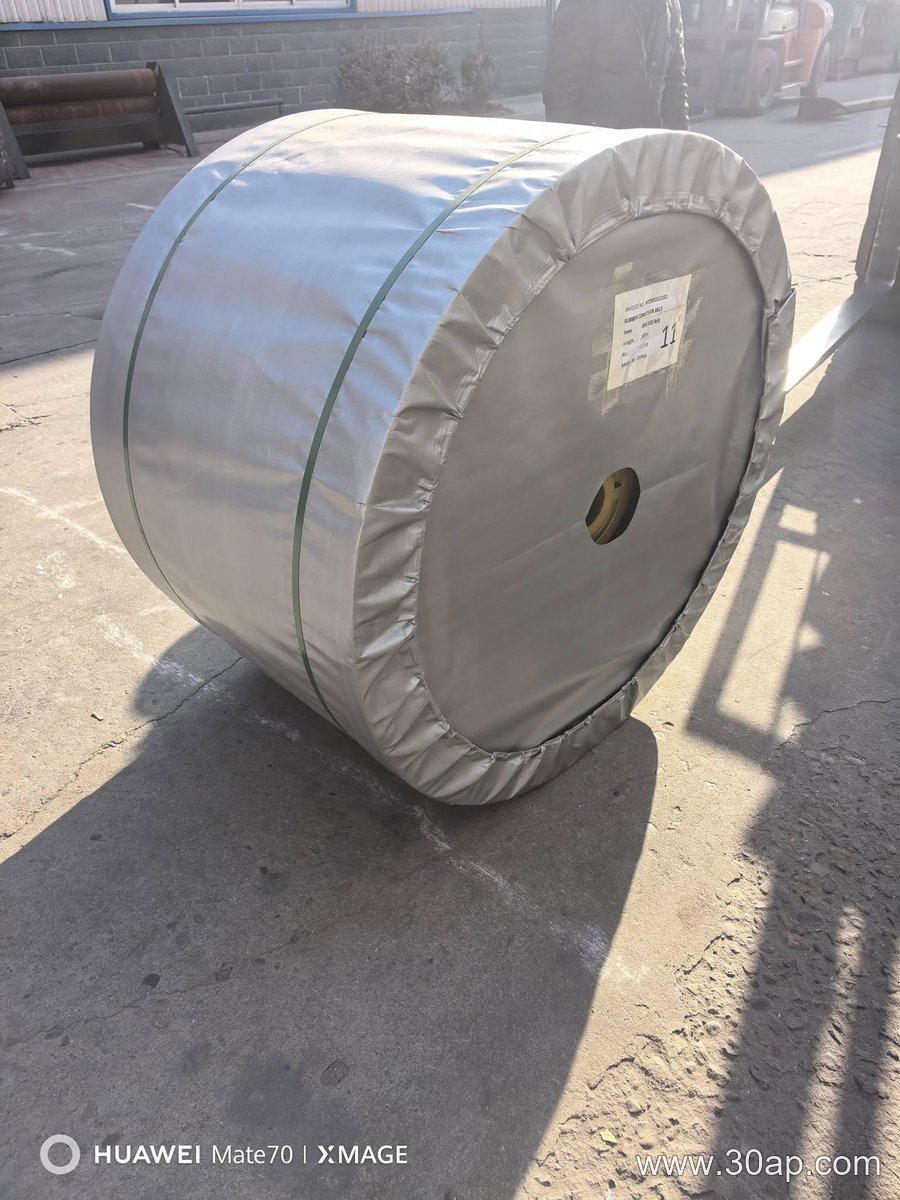
This belt is common in mining, coal preparation, cement production, power plants, and sand and gravel plants. It handles bulk materials such as coal, clinker, limestone, fertilizer, and grain. Because it can convey at angles up to 90 degrees, it reduces footprint and civil construction work compared with multiple inclined troughed belts. A corrugated sidewall belt can also work with a conveyor pulley and idler roller arrangement that is similar to a standard conveyor, but the support structure often needs additional guide rollers and sidewall protection.
Selection and Use Notes
- Confirm material characteristics: lump size, bulk density, moisture, temperature, oil or chemical exposure.
- Check the maximum incline and required capacity. Cleat spacing and sidewall height affect pocket volume.
- Choose the base belt carcass and cover grade. For hot clinker or cement, a heat-resistant cover may be needed. For coal, flame-retardant and antistatic properties are often specified.
- Review pulley diameters, shaft sizes, and take-up travel with the conveyor designer. Do not assume a fixed shaft diameter from belt width alone.
- Plan maintenance access. Damaged sidewalls or cleats can sometimes be repaired, but severe carcass damage usually requires belt replacement.
Buyer Checklist
Ask for the base belt type, strength grade, cover thickness, number of plies, belt width, cleat pattern, sidewall height, and cleat pitch. Confirm the maximum lump size, the material temperature, and whether the belt must be oil-resistant, wear-resistant, or flame-retardant. Also verify the pulley dimensions, the idler roller spacing, and the bracket layout. A corrugated sidewall conveyor belt is a system component, so the belt, pulleys, rollers, and brackets must be selected together. For steep inclines in a coal mine or a cement plant, this belt can be a practical alternative to a conventional troughed belt, but it is not a direct replacement for every standard conveyor belt.