What Is a Custom Conveyor Bracket
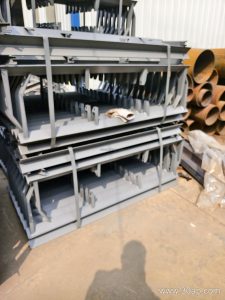
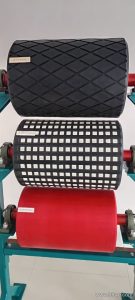
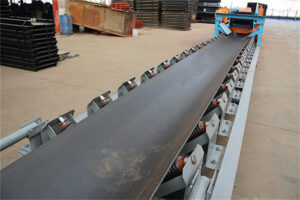
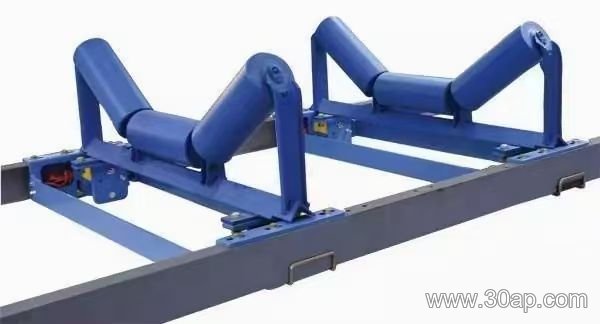
A custom conveyor bracket is a fabricated support structure designed to hold idler rollers in a conveyor system. Unlike off-the-shelf brackets, these are built to match the specific belt width, trough angle, and roller diameter of a given conveyor line. In industries such as coal mining, cement plants, and sand and gravel yards, the conveyor bracket plays a quiet but critical role in keeping the conveyor belt aligned and running smoothly. While a conveyor pulley drives or redirects the belt, the bracket supports the idlers that carry the belt along its path. The term custom conveyor bracket is sometimes interchanged with custom conveyor idler bracket, referring to the same component.
Construction and Materials
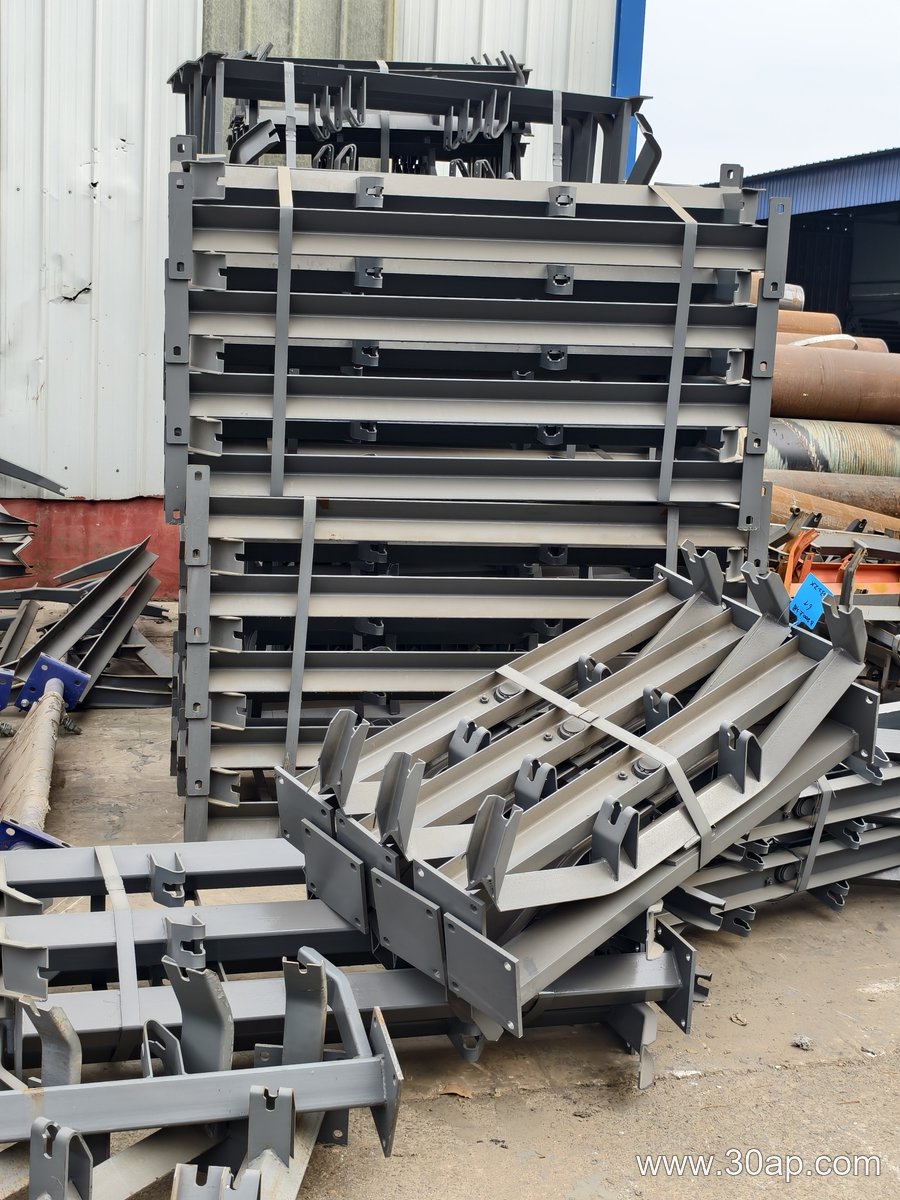
These brackets are typically fabricated from angle steel, channel steel, or bent steel plate. The choice of material depends on the load, belt width, and environmental conditions. For example, a bracket for a B1000 conveyor belt carrying limestone in a cement plant may use channel steel for extra rigidity, while a lighter bracket for a B650 belt in a food processing facility might use bent plate. The bracket is formed with mounting holes and slots that match the idler roller shaft, allowing for proper spacing and alignment. Welding and bolting are common assembly methods, and surface treatment such as painting or galvanizing helps resist corrosion in damp or dusty environments.
Types and Configurations
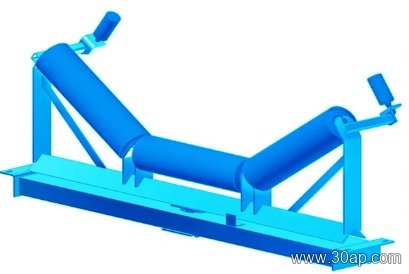
Custom conveyor brackets come in several forms to suit different positions along the conveyor. Troughing brackets support the belt in a trough shape, with common trough angles of 20, 30, 35, and 45 degrees. Return brackets support the empty side of the belt, and impact brackets are used at loading points to absorb shock. Adjustable brackets allow the trough angle to be changed within a range, which is useful when the material flow characteristics vary. For instance, a B800 conveyor with a 35-degree trough angle and Ø108 idler rollers might use a fixed troughing bracket, while a B1200 line handling wet coal could benefit from an adjustable bracket to fine-tune the belt profile. The table below shows typical combinations, but these are not fixed pairings; the final design depends on the conveyor engineer’s calculations.
| Belt Width | Common Trough Angle | Typical Idler Diameter |
|---|---|---|
| B500 | 20° – 30° | Ø89 |
| B650 | 30° – 35° | Ø89 – Ø108 |
| B800 | 35° – 45° | Ø108 – Ø133 |
| B1000 | 35° – 45° | Ø108 – Ø159 |
| B1200 | 35° – 45° | Ø133 – Ø159 |
| B1400 | 35° – 45° | Ø133 – Ø194 |
Note that these are reference ranges, not mandatory matches. A single belt width can accommodate different trough angles and roller diameters based on the application.
Where They Are Used
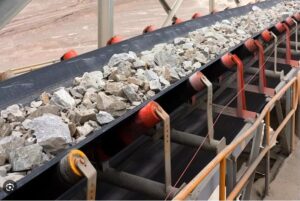
Custom conveyor brackets are found wherever bulk materials are moved on a belt. In a coal handling plant, they support the idlers that carry coal from the crusher to the stockpile. In a sand and gravel operation, they keep the belt centered as it transports aggregate. Cement plants use them in clinker and limestone circuits, while power plants rely on them in coal feed lines. The bracket must be selected to match the conveyor’s duty: a heavy-duty mining conveyor might use thicker steel and larger rollers, while a lighter application in a fertilizer plant may use a simpler design.
Selection and Maintenance Tips
When specifying a custom conveyor bracket, consider the belt width, trough angle, roller diameter, and the load carried. The mounting hole spacing and beam length are not fixed; they are determined by the conveyor design. It is also important to check that the bracket is compatible with the conveyor pulley and idler roller arrangement. Regular inspection for wear, corrosion, or loose fasteners helps prevent belt misalignment and extends the life of the conveyor belt. Replacing a worn bracket is often simpler than repairing a damaged belt, so keeping spare brackets on hand can reduce downtime.
In summary, a custom conveyor bracket is a tailored support component that ensures idlers hold the belt correctly. By understanding the application and working with a fabricator, plant operators can maintain efficient material flow in mining, cement, power, and other bulk handling industries.