What a Flame Retardant Conveyor Belt Is
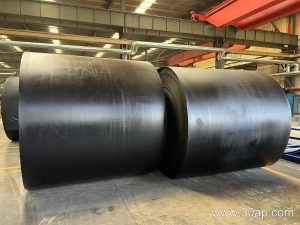
A flame retardant conveyor belt is a rubber-covered belt designed to resist ignition and limit flame spread when it operates in places where sparks, hot material, or flammable dust are present. In coal mines, power plants, cement kilns, and sand and gravel yards, this fire-resistant conveyor belt is often specified alongside a normal conveyor belt to reduce risk on critical runs. It is not a substitute for good housekeeping or fire detection, but it gives the conveyor system extra time and limits the chance that a small heat source becomes a major incident.
The product is also called a fire resistant conveyor belt, and both names refer to the same item. The flame retardant property comes from the compound, not from a coating added later.
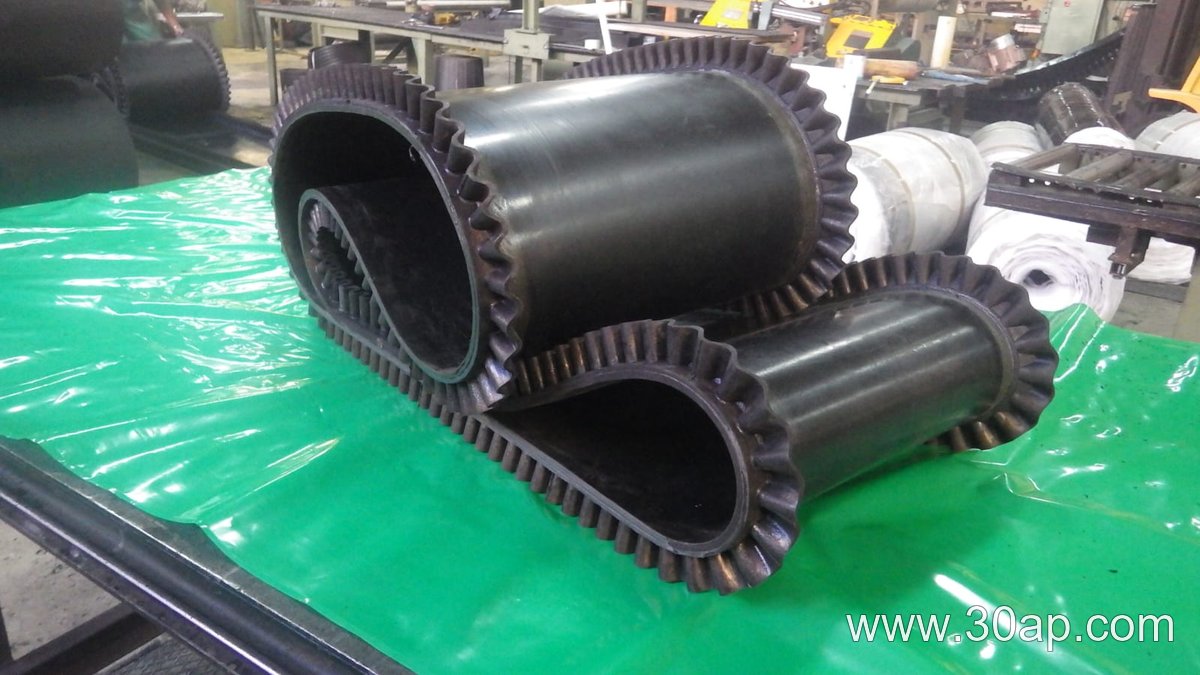
How the Belt Is Built
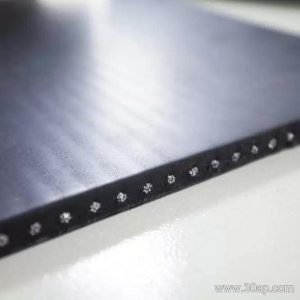
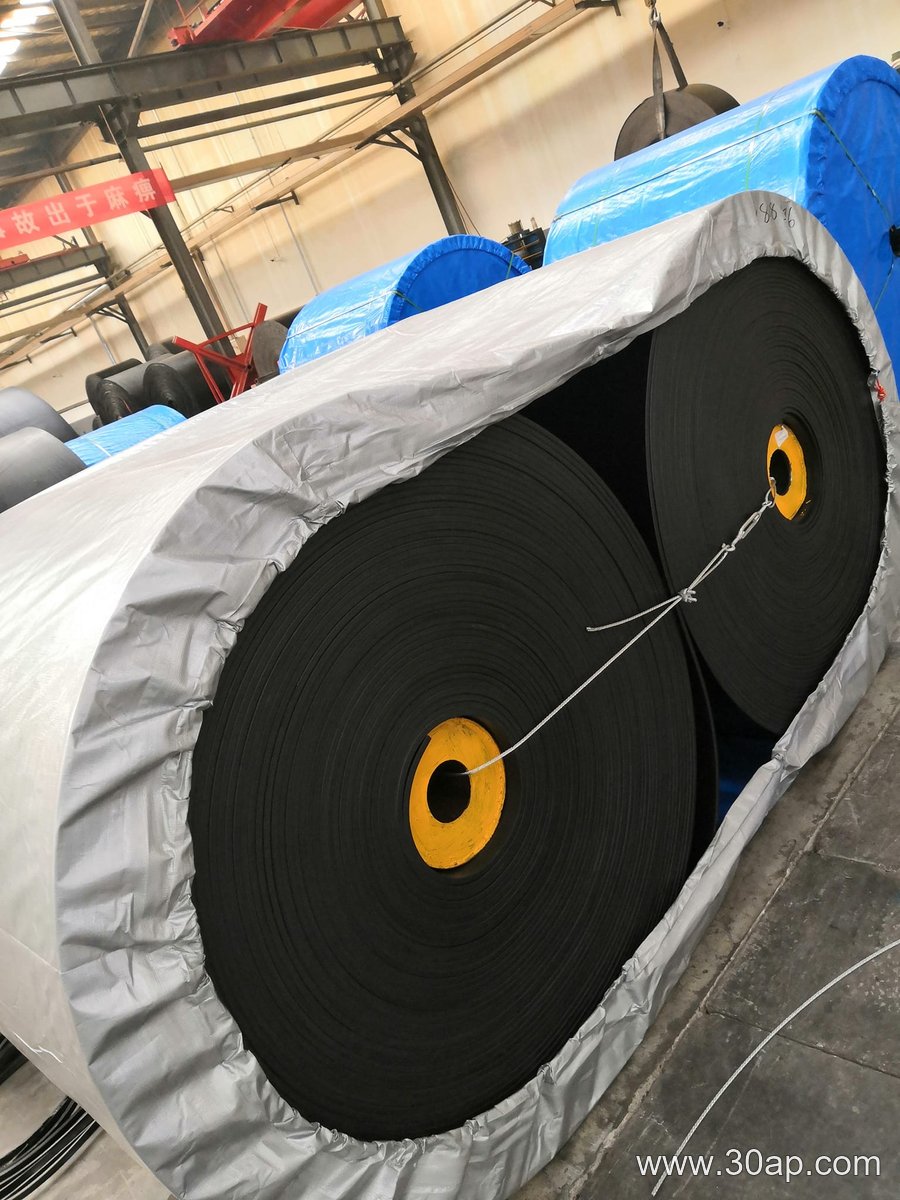
The construction follows the standard layered design of a heavy-duty conveyor belt. A carcass carries the load, and rubber covers protect it.
- Carcass: EP (polyester-nylon) fabric, NN nylon fabric, or steel cord. EP and NN are common for general duty, while steel cord is used for long, high-tension lines.
- Cover compound: top and bottom rubber layers with flame retardant additives. The cover also resists abrasion, heat, oil, or cold depending on the grade.
- Edges: cut edges or molded edges, depending on the manufacturer and the pulley arrangement.
Common cover thicknesses include 3+1.5 mm, 4+2 mm, 5+2 mm, 6+2 mm, and 8+3 mm. The carcass usually has 2 to 6 fabric plies. These are typical values, not universal rules, and the final build is confirmed by the supplier against the actual duty.
Where It Is Used
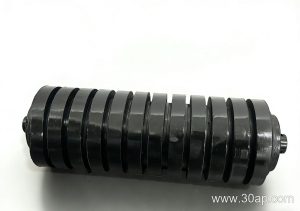
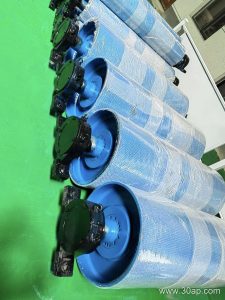
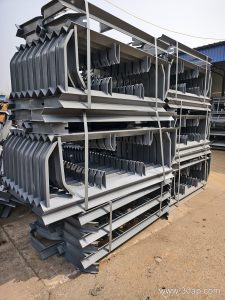
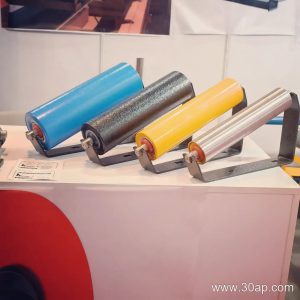
Flame retardant belts appear in coal preparation plants, underground coal haulage, cement plants, steel mills, biomass power stations, and ports handling dusty cargo. In these locations, the belt may run near idler rollers, conveyor pulleys, and steel conveyor brackets that generate heat if a roller seizes. A fire resistant belt cannot stop a seized roller, but it can slow flame development while the problem is found.
For comparison, an anti-static conveyor belt focuses on dissipating static charge, while a flame retardant belt focuses on fire behavior. Some belts combine both properties, and a buyer should state which combination is required.
Typical Specifications
The table below lists common reference values. Actual supply depends on the manufacturer, the design, and the site conditions.
| Item | Common options |
|---|---|
| Belt type | EP, NN nylon, steel cord, PVC, PVG |
| Tensile strength | EP200, EP315, EP400, EP500, EP630, EP800, EP1000, EP1250, EP1600, EP2000 |
| Belt width | B500, B650, B800, B1000, B1200, B1400, B1600, B1800, B2000 |
| Cover thickness | 3+1.5, 4+2, 5+2, 6+2, 8+3 mm |
| Carcass plies | 2 to 6 layers |
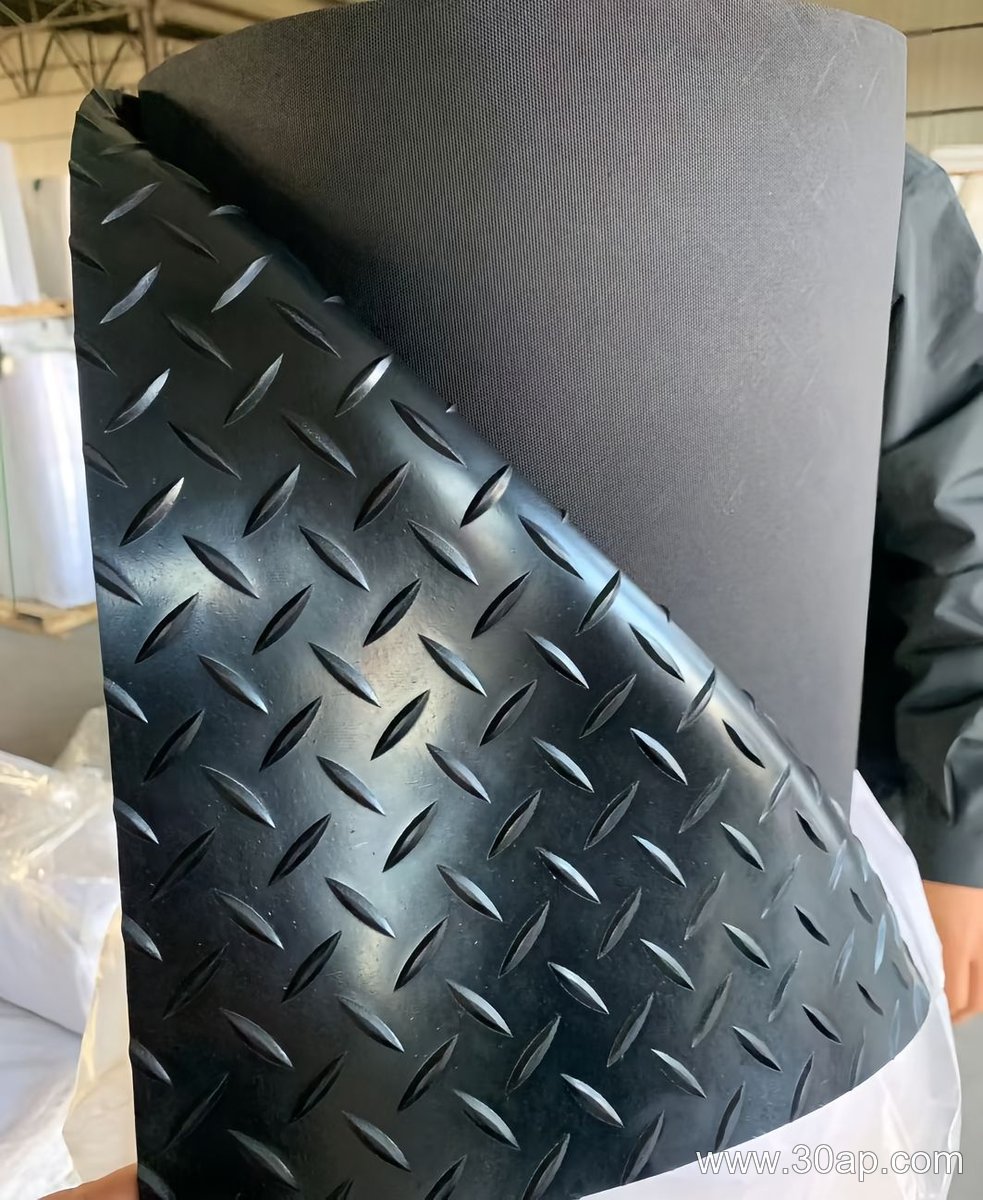
| Surface form | smooth, patterned, chevron, corrugated sidewall |
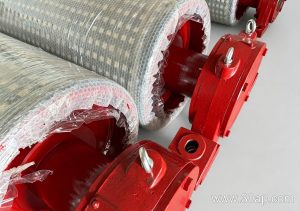
Belt width and pulley diameter are matched by the conveyor designer, not by a fixed rule. A wider belt does not automatically require one specific pulley size, and a given width can work with different drive, tail, and bend pulleys depending on tension and load.
What a Buyer Should Check
- Application: coal, cement, power, or sand and gravel. Each has different dust, heat, and oil exposure.
- Flame grade: ask for the flame retardant and anti-static performance required by the site.
- Tension: choose EP, NN, or steel cord based on the conveyor length and load.
- Cover: select thickness and compound for abrasion, heat, oil, or cold.
- Compatibility: confirm the belt works with the existing idler rollers, conveyor pulleys, and brackets.
- Surface: smooth for general transport, patterned or chevron for inclined lines, corrugated sidewall for steep angles.
Maintenance matters as much as the initial choice. Keep rollers turning freely, align the belt, and repair damage early. A flame retardant conveyor belt is a safety-focused component, but it performs best when the whole conveyor system is kept in good condition.