What the NN300 Conveyor Belt Is
The NN300 conveyor belt is a nylon fabric-reinforced rubber belt with a nominal tensile strength of 300 N/mm per ply. It belongs to the NN nylon conveyor belt family, where both the warp and weft cords are nylon. The "300" refers to the breaking strength class, not to the belt width or the rubber cover grade. In practice, plant engineers often call it an NN300 belt or a 300-grade nylon belt, and both terms point to the same product.
This belt is a workhorse for medium-strength conveying duties. It is chosen when a general-purpose belt with good fatigue resistance and reasonable elongation behaviour is needed, but the duty is not severe enough to justify a steel cord construction.
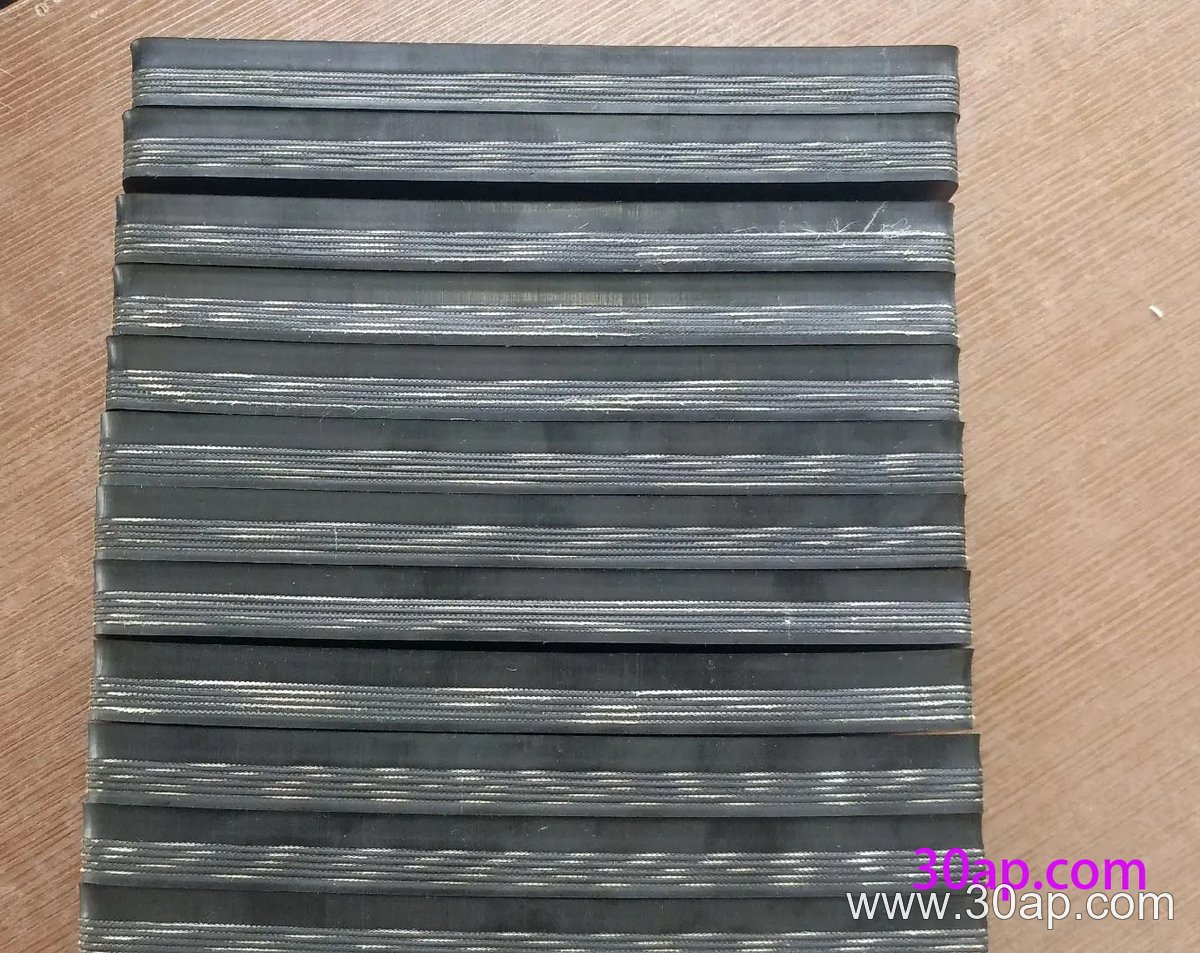
Construction and Material Layout
A typical NN300 conveyor belt is built from four main layers:
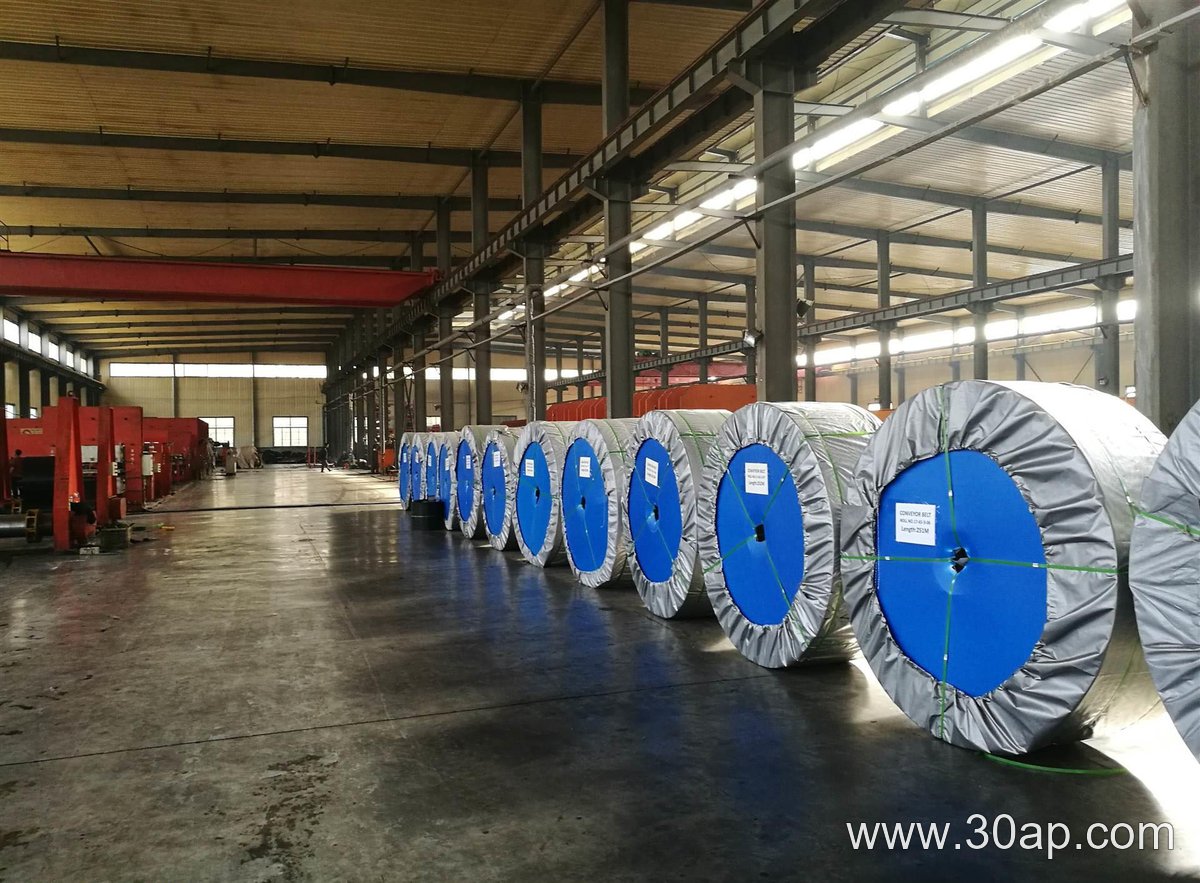
- Top cover rubber – protects the carcass from abrasion, impact and material contact.
- Nylon fabric plies – the load-bearing skeleton, usually 2 to 6 plies depending on the design.
- Skim and friction rubber – bonds the plies together and keeps them from separating under repeated flexing.
- Bottom cover rubber – runs against the idler roller and conveyor pulley surfaces.
The nylon carcass gives the belt high impact resistance, good troughability and low moisture sensitivity. Because nylon stretches more than polyester at the same load, tension take-up and pulley alignment deserve attention during installation.
Common Reference Data
The figures below are typical reference values. Actual supply depends on the manufacturer, the application and the agreed technical data sheet.
| Parameter | Typical range or example |
|---|---|
| Strength class | NN300 (300 N/mm per ply) |
| Belt width | B500, B650, B800, B1000, B1200, B1400, B1600 |
| Number of plies | Commonly 2 to 6 |
| Cover thickness | 3+1.5, 4+2, 5+2, 6+2, 8+3 mm |
| Cover grades | Wear-resistant, heat-resistant, oil-resistant, flame-retardant, anti-static, cold-resistant, acid and alkali resistant |
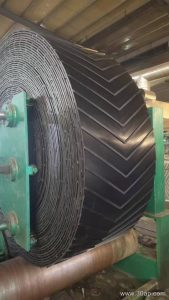
| Surface forms | Smooth, patterned, chevron, corrugated sidewall |
Belt width and pulley diameter are matched by conveyor design, not by a fixed rule. A wider belt does not automatically require one specific pulley size, and shaft diameter is calculated from torque, load and bearing selection rather than from belt width alone.
Where NN300 Belts Are Used
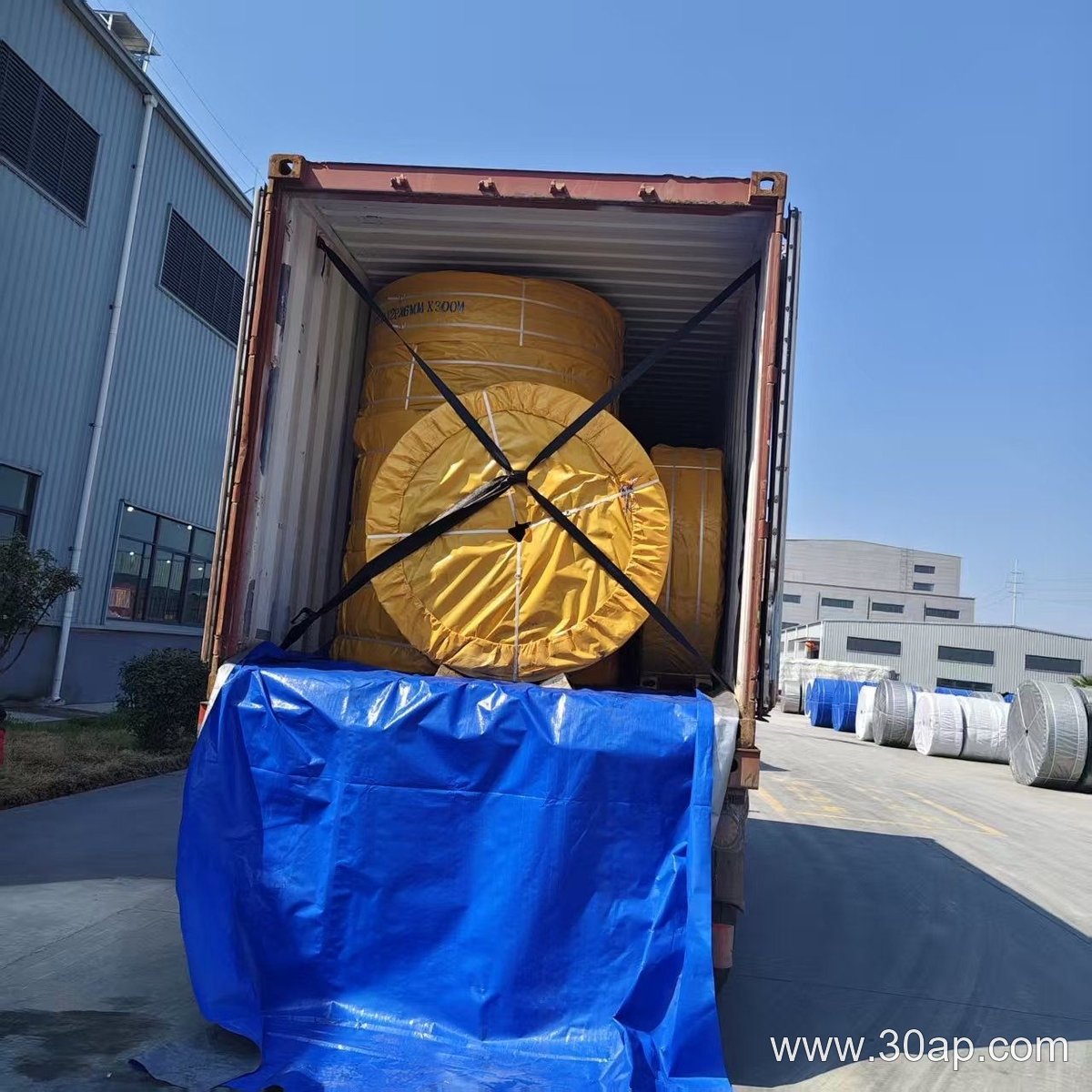
The NN300 conveyor belt fits a wide range of bulk handling duties:
- Mines and quarries – transporting crushed ore, coal and overburden on inclined and horizontal runs.
- Coal preparation plants – feeding and transferring material between screens and crushers.
- Cement works – carrying clinker, limestone and additives at moderate temperatures.
- Power stations – moving coal from stockyard to bunker.
- Sand and gravel yards – handling abrasive aggregate where impact resistance matters.
- Ports and bulk terminals – ship loading and unloading lines with long conveying distances.
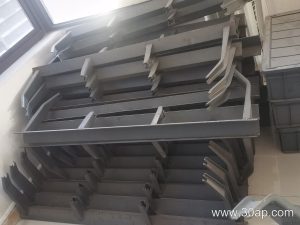
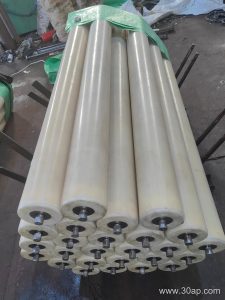
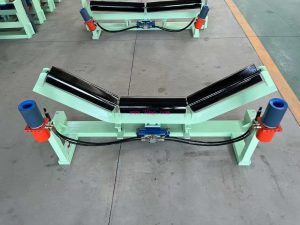
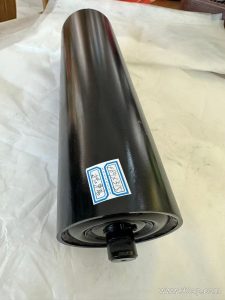
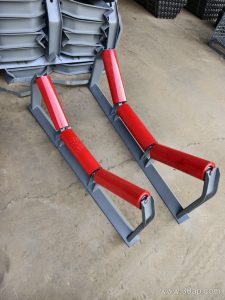
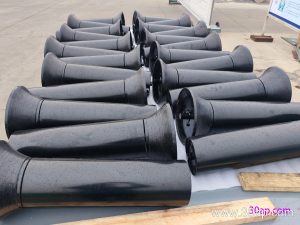
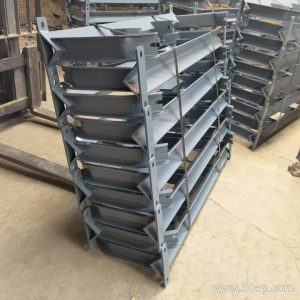
On these installations the belt works together with conveyor pulleys, idler rollers and conveyor brackets. Drive, tail and bend pulleys each have a distinct role, and they are not interchangeable. A drive pulley transmits torque, a tail pulley returns the belt, and a bend pulley changes the belt path. Selecting the right pulley type for each position helps the NN300 belt track properly and last longer.
Selection Points for Buyers
Before ordering an NN300 belt, gather the following information:
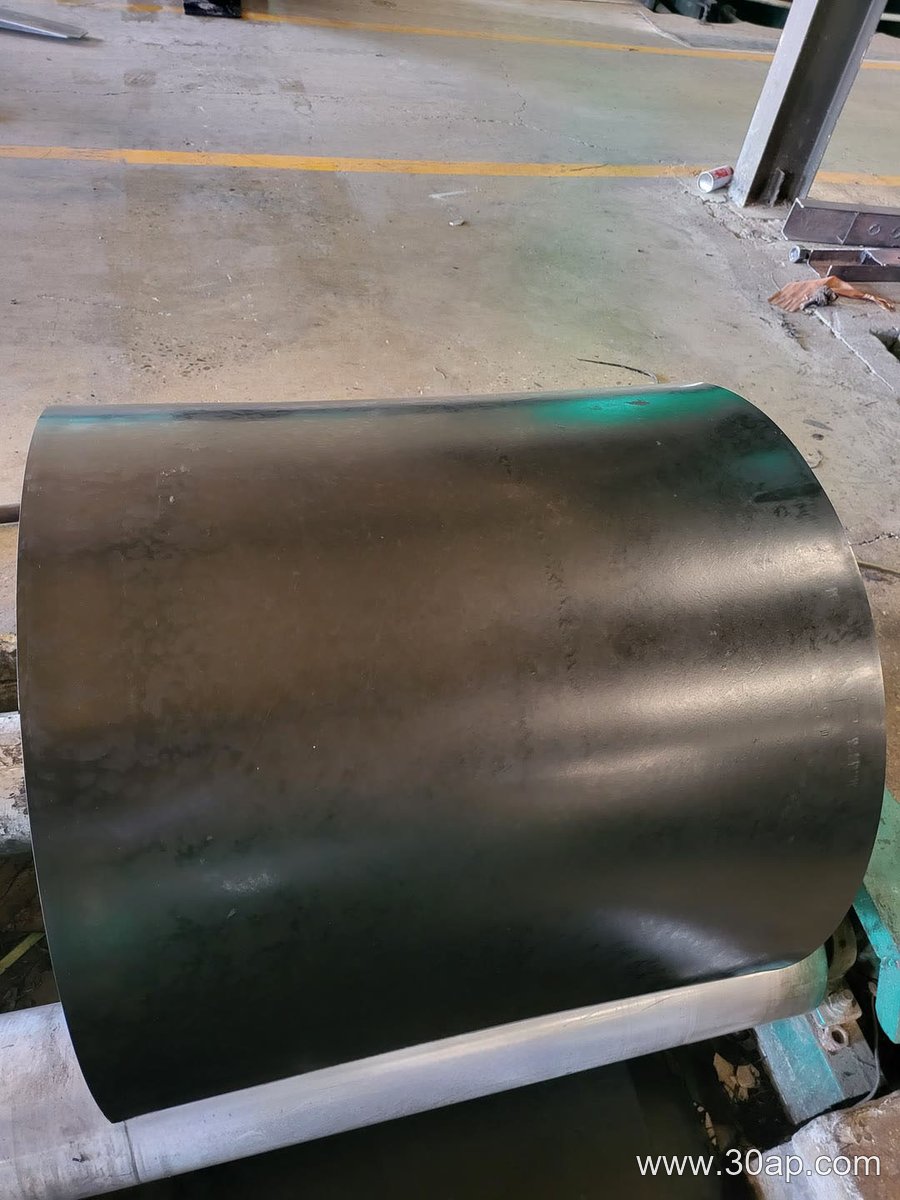
- Belt width and required length, including splice allowance.
- Bulk material type, lump size, density and temperature.
- Conveyor capacity, belt speed and incline angle.
- Top and bottom cover thickness, plus any special grade such as heat, oil or flame resistance.
- Number of plies and the required breaking strength.
- Pulley diameters and the smallest pulley in the system, because it affects belt flexing.
- Ambient conditions – outdoor cold, wet or dusty environments may call for a different cover compound.
For comparison, an EP conveyor belt uses polyester warp and nylon weft, which gives lower stretch and better dimensional stability. A steel cord belt is used where very high strength and long centre distances are involved. The NN300 belt sits between these options and remains a practical choice for many medium-duty mining, cement and power plant conveyors.
Installation and Maintenance Notes
Correct storage and handling keep the nylon carcass in good condition. Store belts in a dry, shaded place away from oils and chemicals, and avoid sharp bends during lifting. During installation, check pulley alignment, idler roller rotation and skirt rubber clearance. A misaligned system will damage the belt edges long before the carcass reaches its fatigue limit.
Routine inspection should cover cover wear, edge damage, ply separation and splice condition. Keeping the belt cleaner and the pulleys free of build-up reduces slipping and tracking problems. When a repair is needed, use compatible rubber and follow the splice method recommended for nylon fabric belts.