What a Mining Conveyor Idler Does
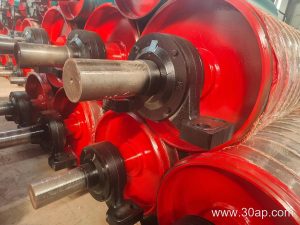
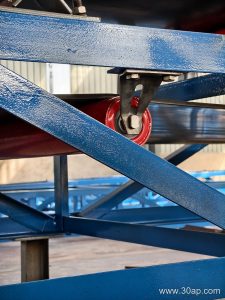
A mining conveyor idler is the rotating roller that supports the conveyor belt along its carry and return runs. In a quarry, cement plant, or coal preparation facility, these idlers keep the belt tracking smoothly while carrying heavy rock, clinker, or aggregate. The idler roller is not a drive component; it does not pull the belt. That job belongs to the conveyor pulley at the head or tail. Instead, the idler carries the load, reduces friction, and helps the belt maintain its trough shape. A typical conveyor bracket holds each idler in place, and the spacing between brackets determines how much the belt sags between supports.
How a Mining Conveyor Idler Is Built
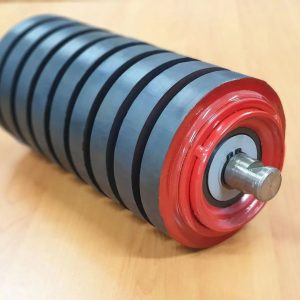
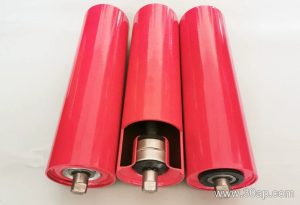
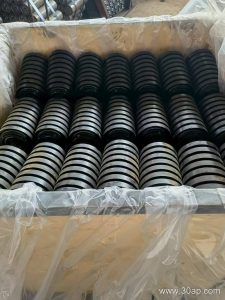
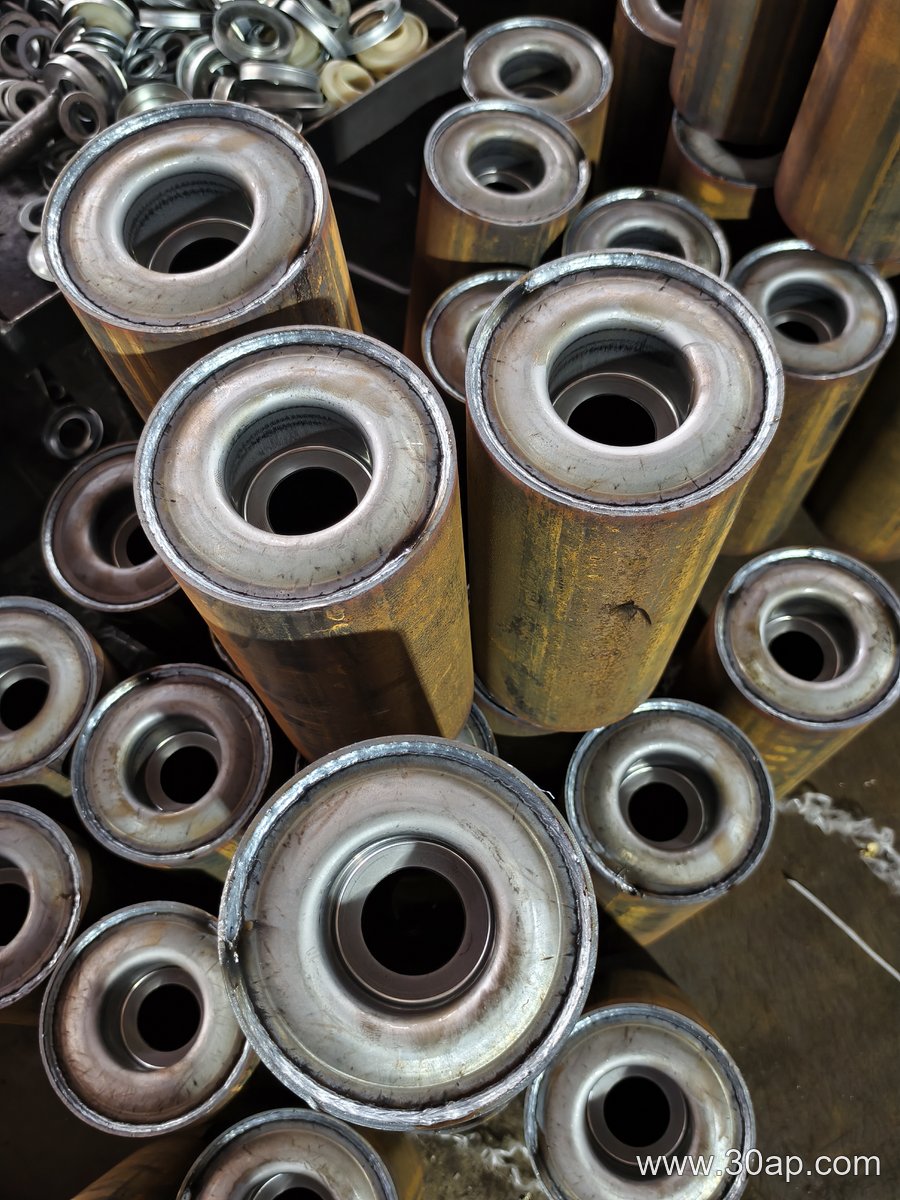
A standard idler roller has a steel tube shell, bearing housings at both ends, and a shaft that runs through the center. The roller surface may be plain steel, nylon, ceramic, or rubber-covered. Rubber rings are common for buffer idlers in load zones. Bearings such as 6204, 6205, 6305, 6306, 6308, and 6310 are used depending on load and speed. Seals protect the bearing cavity from dust and water. In a coal mine or limestone quarry, dust ingress is the main cause of premature idler failure, so seal quality matters as much as tube thickness.
Common Types and Where They Fit
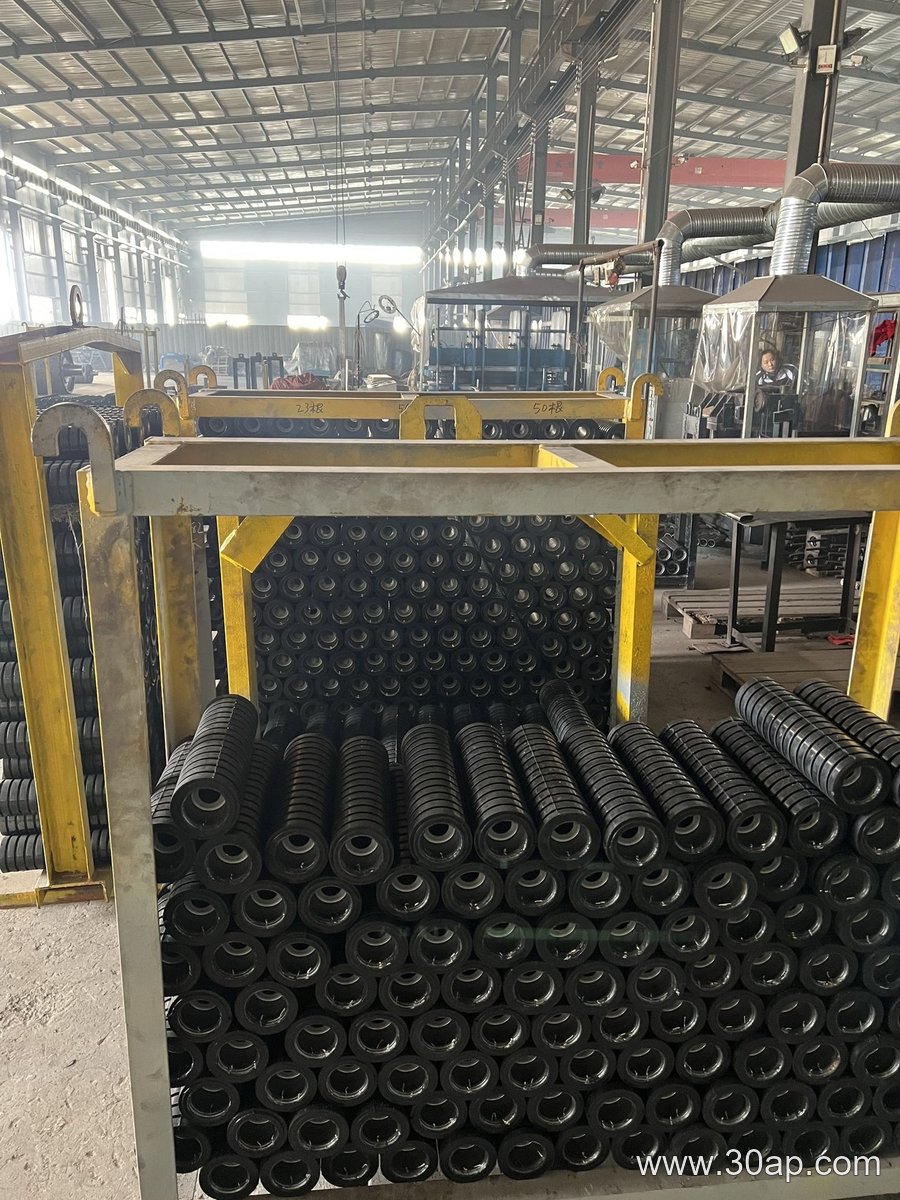
The troughing idler set is the most visible type on the carrying side. It may be a single roller, a two-roller set, or a three-roller troughing arrangement. The trough angle is often 20, 30, 35, or 45 degrees. A 35-degree trough is common for bulk materials, while a 45-degree trough helps contain a wider load. On the return side, flat return idlers and V-return idlers support the empty belt. Impact idlers with rubber rings sit under the loading chute. Self-aligning idlers, including friction and tapered types, correct belt misalignment. A training idler is not a substitute for a drive pulley or a bend pulley; those are different components with different functions.
Roller Diameter, Belt Width, and Roll Length
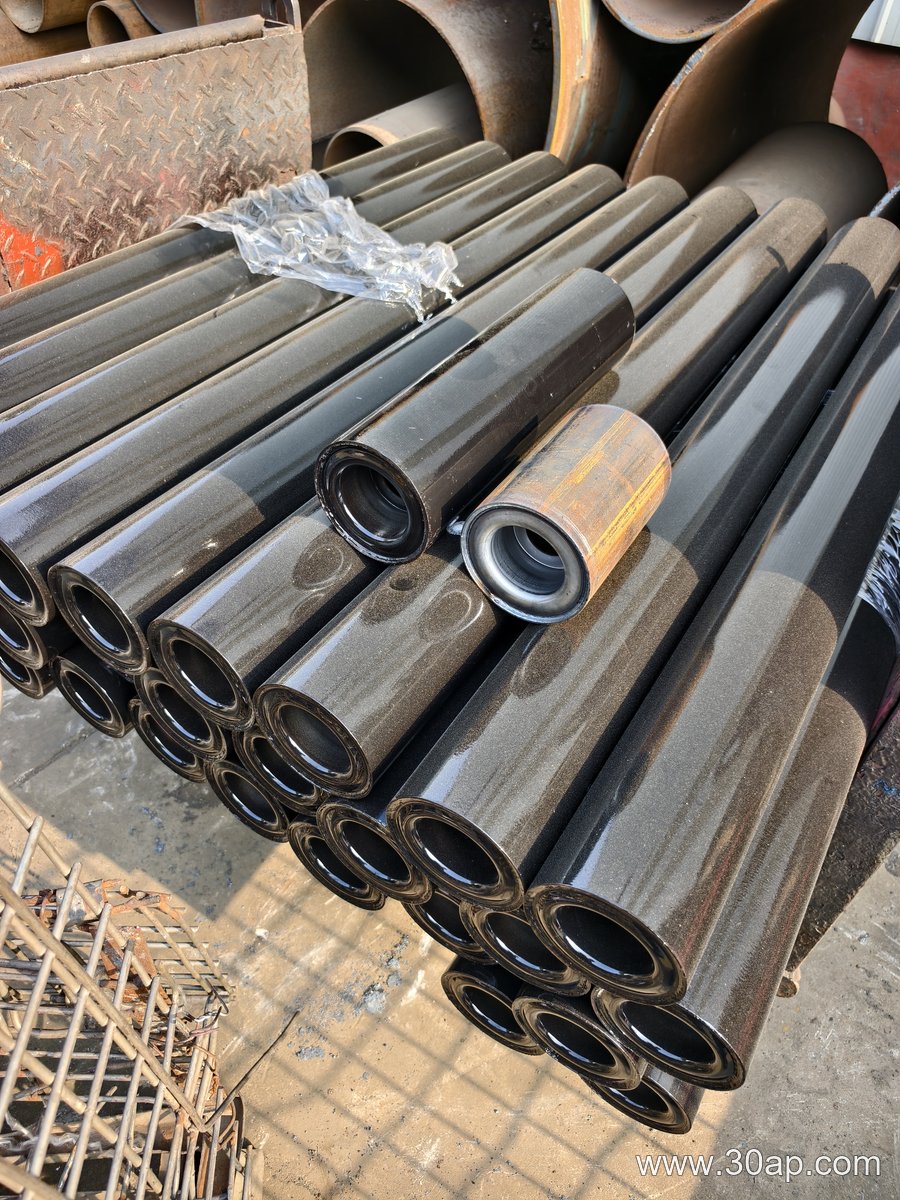
Roller diameter and belt width are selected together, but they are not locked in a one-to-one relationship. A wider belt usually needs a larger roller diameter and a longer roll, yet the final choice depends on belt speed, material weight, and idler spacing. Common roller diameters include Ø63, Ø76, Ø89, Ø102, Ø108, Ø127, Ø133, Ø159, Ø178, Ø194, and Ø219 mm. Belt widths range from B400 to B2400. For a three-roller troughing set, the roll length changes with belt width and trough angle. The table below gives common reference values, not fixed pairings.
| Belt Width | Typical Roll Length for Three-Roller Troughing Set |
|---|---|
| B500 | about 200 mm |
| B650 | about 250 mm |
| B800 | about 315 mm |
| B1000 | about 380 mm |
| B1200 | about 465 mm |
| B1400 | about 530 mm |
| B1600 | about 600 mm |
| B1800 | about 670 mm |
| B2000 | about 750 mm |
Side rollers and center rollers can differ in length within the same set. Do not assume that a given belt width requires one specific shaft diameter. Shaft size is determined by load, span, and bearing selection.
Choosing the Right Idler for the Application
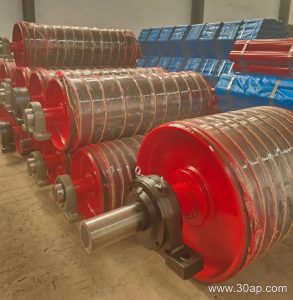
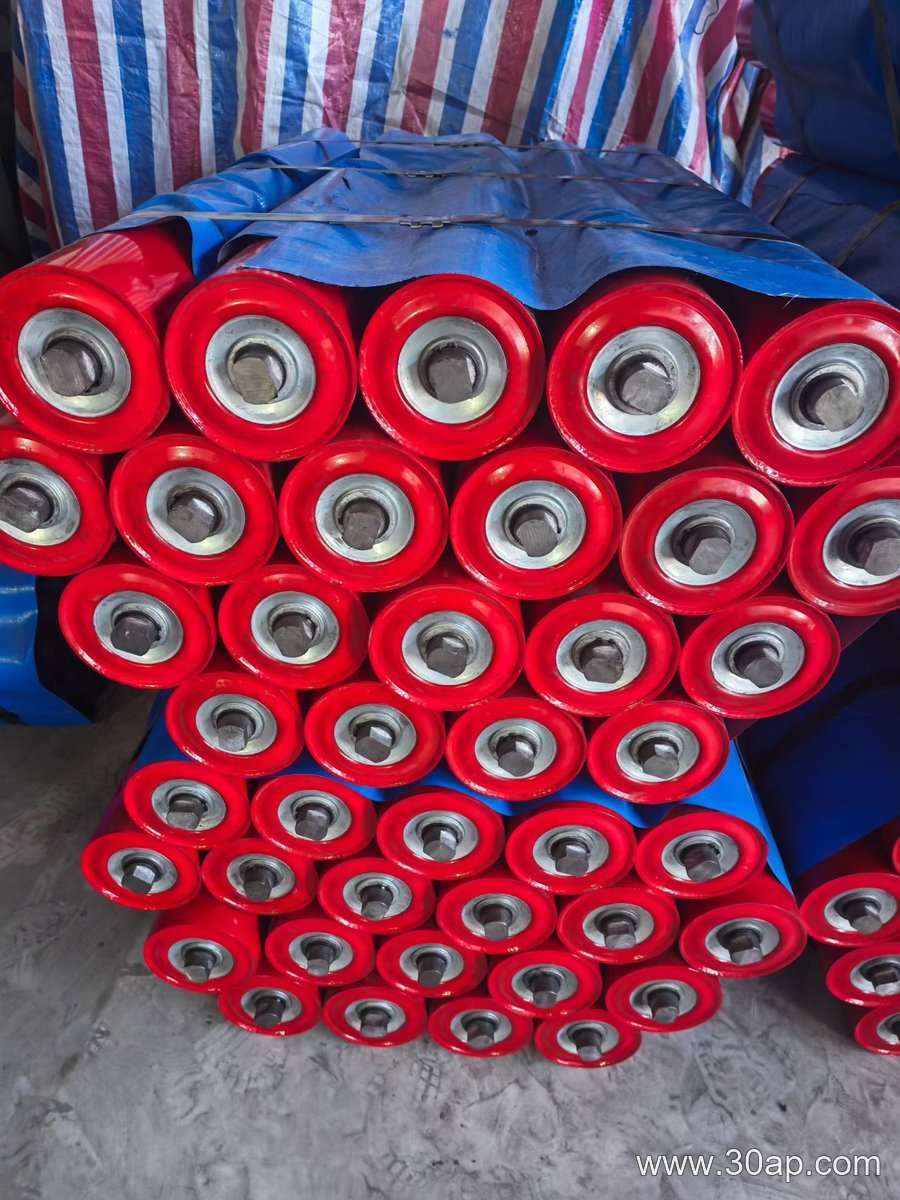
For a sand and gravel line, standard steel troughing idlers usually work well. In a cement plant handling hot clinker, heat-resistant bearings and seals are important. In a coal mine, flame-resistant rubber rings may be specified for impact zones. A port terminal moving iron ore may prefer larger roller diameters and heavy-duty brackets. Buyers should confirm the belt width, trough angle, roller diameter, bearing type, and mounting dimensions before ordering. They should also check whether the idler is for carry, return, impact, or training service. A conveyor pulley, such as a drive, tail, or bend pulley, is ordered separately and is not an idler replacement.
Maintenance Notes
Seized idlers can wear through a conveyor belt quickly. Inspect for noise, wobble, and material buildup. Replace any idler roller that no longer turns freely. Keep the conveyor bracket bolts tight and check alignment after any belt splice. In dusty operations, a regular wash-down or compressed-air cleaning around the idler frame helps extend bearing life. Spare idlers should match the original roller diameter, roll length, and shaft end shape.