What the Ø127 Conveyor Idler Is
The Ø127 conveyor idler is a carrying or return roller whose shell diameter is 127 mm. In many conveyor drawings it appears simply as a 127 mm idler roller, and it is one of the most widely used sizes in medium to heavy belt systems. It supports the conveyor belt, keeps the belt profile stable, and helps the load move without excessive sag between frames.
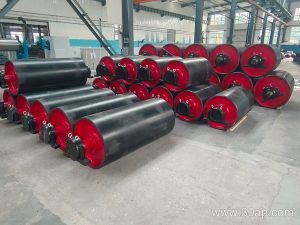
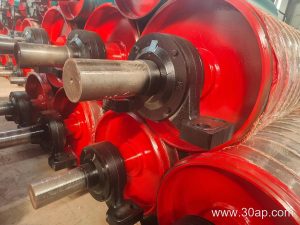
This article treats the Ø127 conveyor idler as the main subject. Troughing sets, return rollers and impact rollers are variants within the idler family; they are not the same as a drive pulley, tail pulley or bend pulley, and they should not be substituted for those components in a conveyor layout.
How a 127 mm Idler Roller Is Built
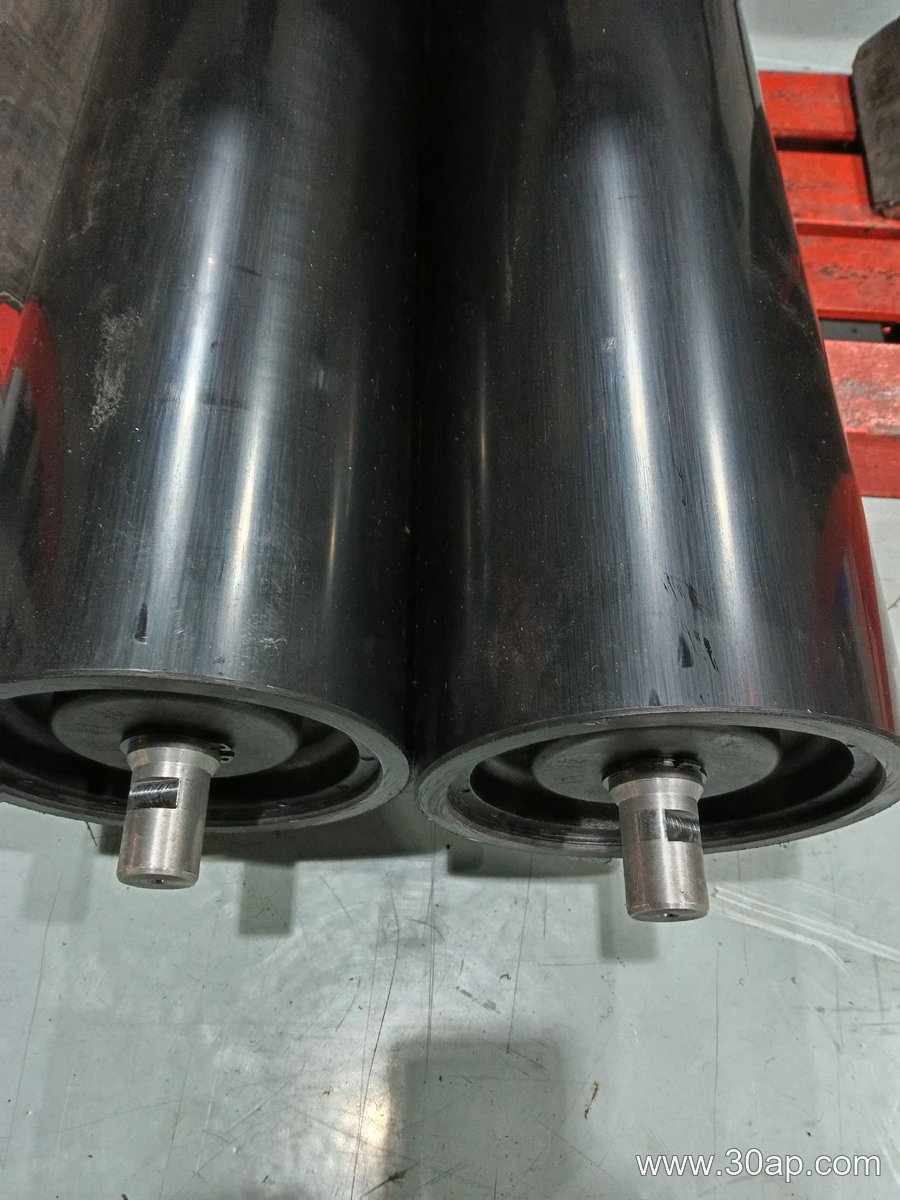
A typical Ø127 conveyor idler consists of a steel tube shell, a shaft, bearing housings, bearings, and a sealing arrangement. The most common roller surface for general duty is steel tube. For special conditions, nylon, ceramic or rubber-ring surfaces may be selected. Rubber rings are often used on impact idlers where material falls onto the belt.
Bearings are chosen according to load, speed and service life. Common bearing sizes in idler production include 6204, 6205, 6305, 6306, 6308 and 6310, but a given roller diameter does not lock the design to one bearing number. The shaft diameter, wall thickness and bearing seat are determined by the idler manufacturer and the application.
Common Forms and Arrangements
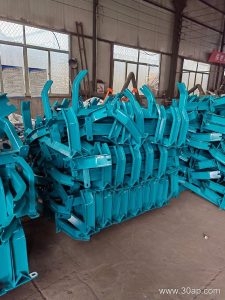
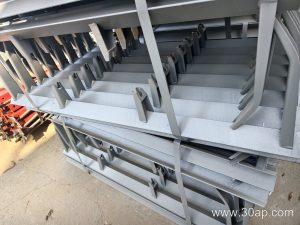
The Ø127 conveyor idler can be supplied in several arrangements. The choice depends on belt width, material, and the position along the conveyor.
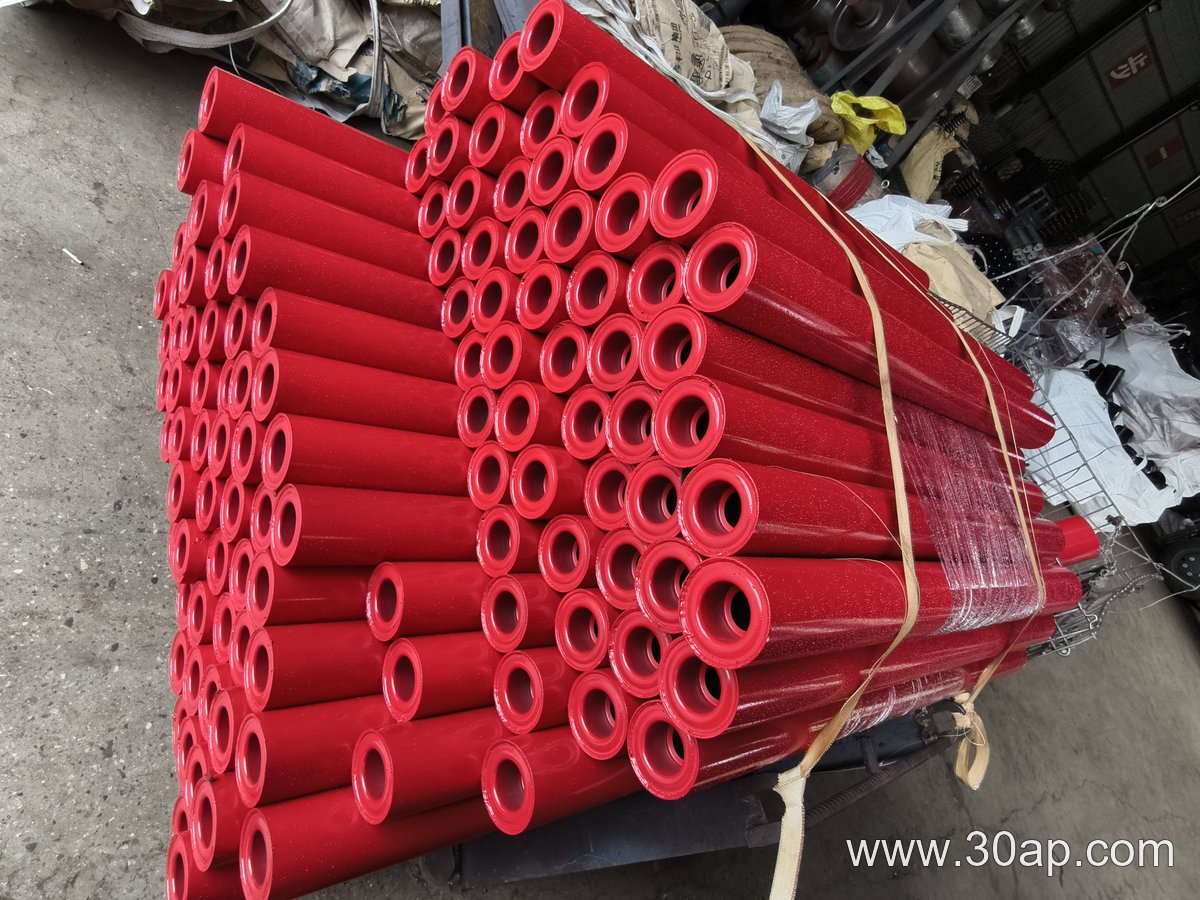
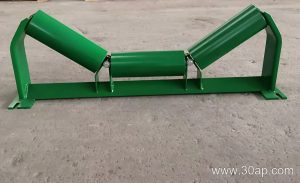
- Troughing idler set: single-roll, two-roll or three-roll configuration
- Carrying idler: supports the loaded belt on the upper run
- Return idler: flat or V-shaped, supports the empty belt on the lower run
- Impact idler: rubber-ring or cushion type for loading points
- Self-aligning idler: friction or tapered type for belt tracking
- Spiral and comb idlers: used where sticky material needs to be cleared
Troughing angles commonly used are 20°, 30°, 35° and 45°. A forward tilt of about 1.5° to 2° is sometimes applied to self-aligning or training idlers, but it is not a universal requirement.
Roller Length and Belt Width
Roller length changes with belt width, trough angle and idler arrangement. In a three-roll troughing set, the side rollers and the center roller can differ. The values below are common examples, not fixed pairings.
| Belt width | Typical roller length, three-roll troughing |
|---|---|
| B500 | about 200 mm |
| B650 | about 250 mm |
| B800 | about 315 mm |
| B1000 | about 380 mm |
| B1200 | about 465 mm |
| B1400 | about 530 mm |
| B1600 | about 600 mm |
| B1800 | about 670 mm |
| B2000 | about 750 mm |
Belt width and pulley diameter are selected independently. A B1000 belt, for example, can run with different pulley sizes depending on the conveyor design. The Ø127 idler is a roller, not a pulley, and it does not define the drive or tail pulley diameter.
Where Ø127 Idlers Are Used
Because 127 mm is a middle-to-large roller diameter, it suits many bulk handling lines. Typical locations include:
- Aggregate and sand and gravel plants
- Coal washing plants and power station coal handling
- Cement plants and clinker transport
- Iron ore, copper ore and limestone mines
- Crushing and screening circuits
- Port bulk terminals and steel plant raw material yards
In these environments, the idler must resist dust, moisture and continuous load. Sealing quality and bearing protection often matter as much as the shell diameter.
What a Buyer Should Check
Before ordering a Ø127 conveyor idler, confirm the following points:
- Roller diameter and roller length, including center and side roller lengths if a troughing set is required
- Belt width and trough angle, such as B800 with 35°
- Idler type: carrying, return, impact, self-aligning or spiral
- Bearing size and sealing method
- Shaft end design and the matching conveyor bracket
- Shell material and surface form: steel, nylon, ceramic or rubber ring
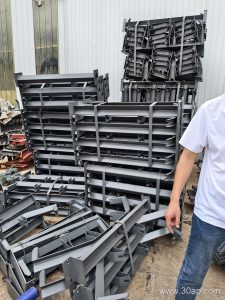
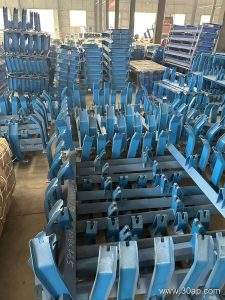
The conveyor bracket must match the shaft flats and mounting spacing. A roller that fits one frame may not fit another, even when the diameter is the same.
Installation and Maintenance Notes
Keep idlers aligned with the belt centerline. Replace a damaged roller before it wears the belt edge or damages the frame. Check that the roller turns freely by hand and that the seal area is not packed with fines. On long conveyors, a seized idler can increase belt drag and affect the whole drive system, including the conveyor pulley and gearbox.
For impact zones, a rubber-ring idler is often preferred over a plain steel roller. For return runs, a V-shaped or flat return idler may be used. These are variations within the idler family, not replacements for the Ø127 conveyor idler itself.
When the application is clear, a 127 mm idler roller gives a practical balance between load capacity, belt support and service life in many quarry, mine, cement and power plant conveyors.