What an Underground Conveyor Belt Does
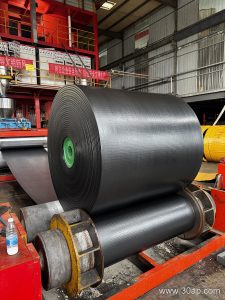
An underground conveyor belt is a continuous haulage surface built to move crushed rock, coal, ore, or excavated spoil through tunnels, declines, and transfer drifts where trucks and rail cars are impractical. Unlike a surface conveyor, this belt works inside a confined gallery with limited headroom, poor natural light, dust, moisture, and restricted access for maintenance. The belt itself is only one part of the system. It runs over idler rollers, wraps around a head or drive pulley, returns over a tail pulley, and is held in line by conveyor brackets and structural frames. Each component must suit the same duty cycle.
In coal mines, cement quarries, power plant fuel galleries, and sand and gravel tunnels, the belt is often the only practical link between the mining face and the shaft or portal. That makes belt selection a production decision, not just a spare parts decision.
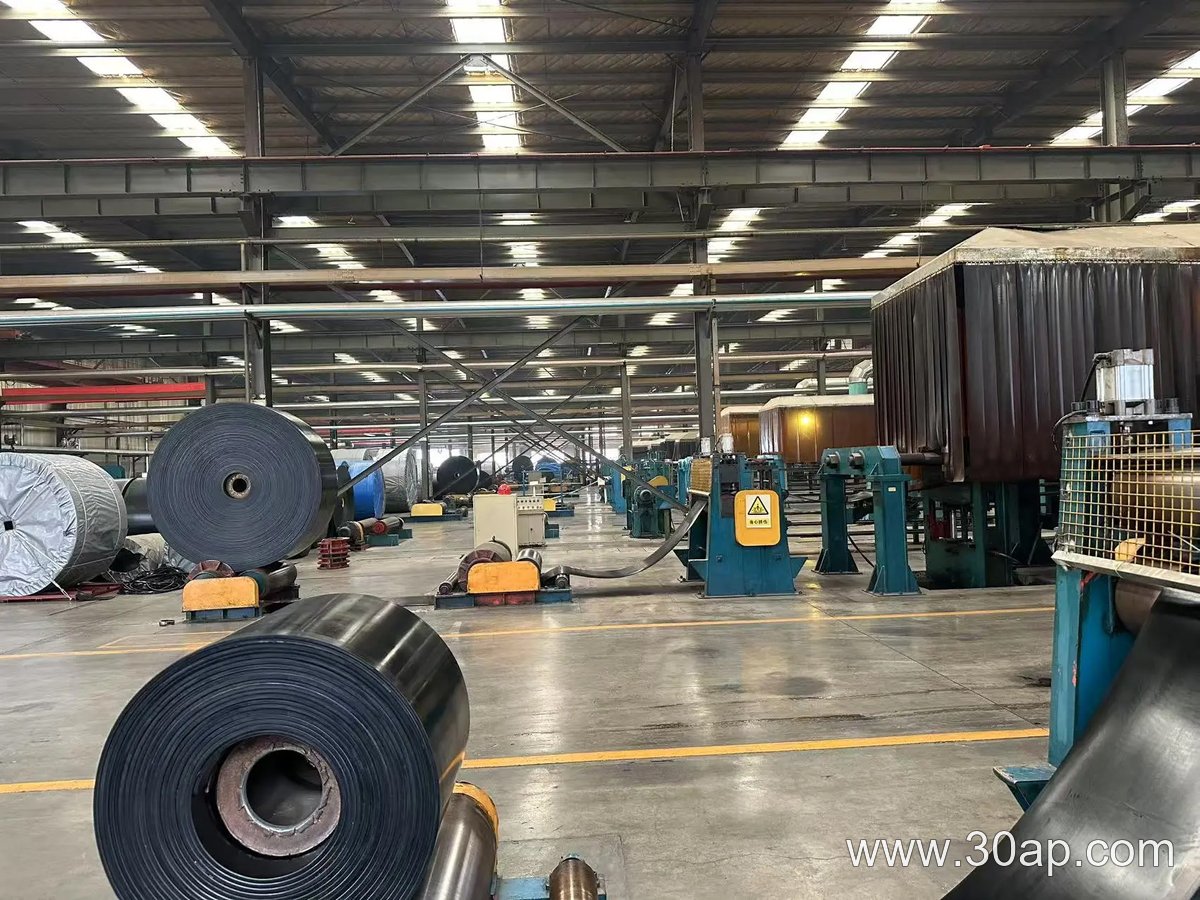
Construction of an Underground Belt
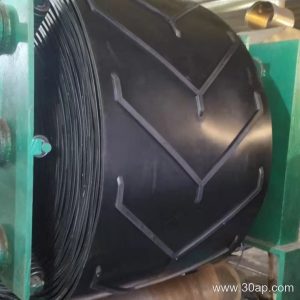
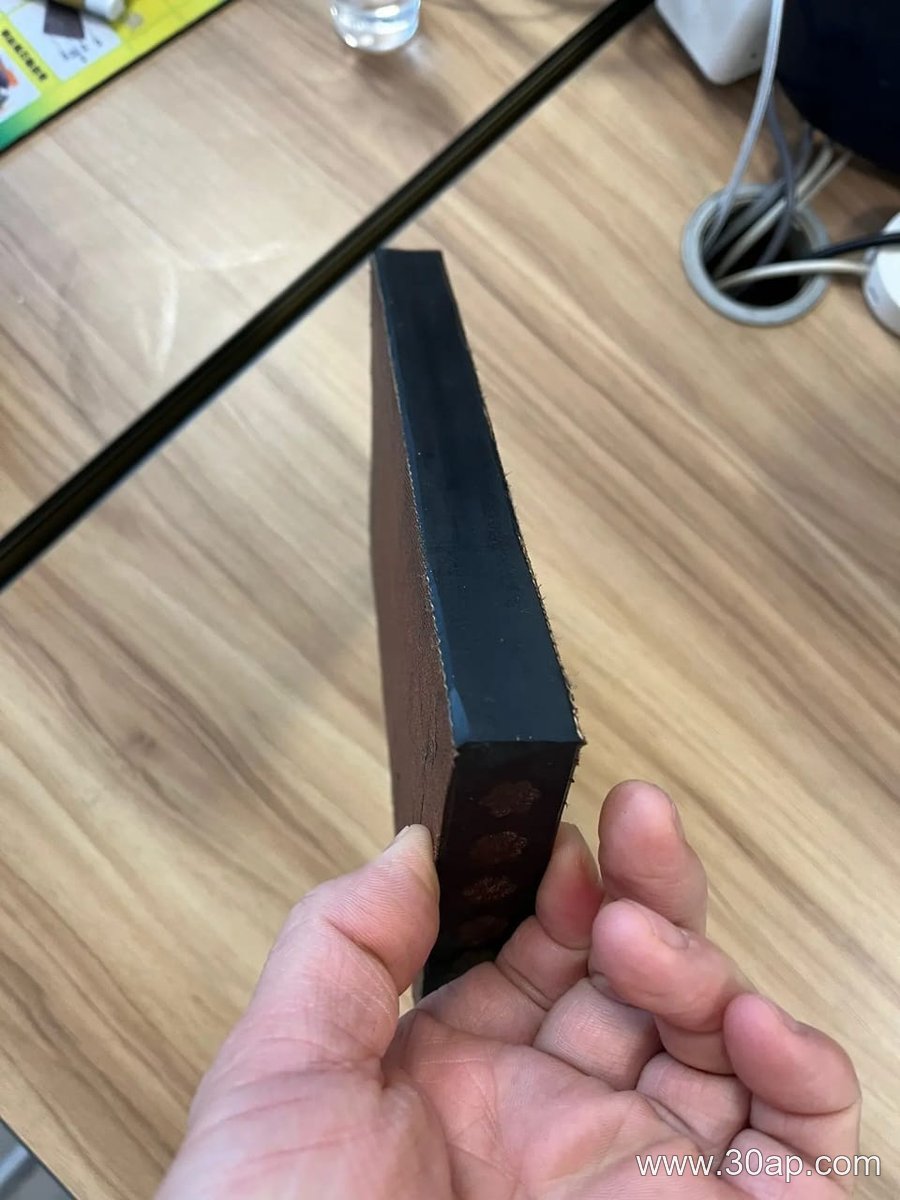
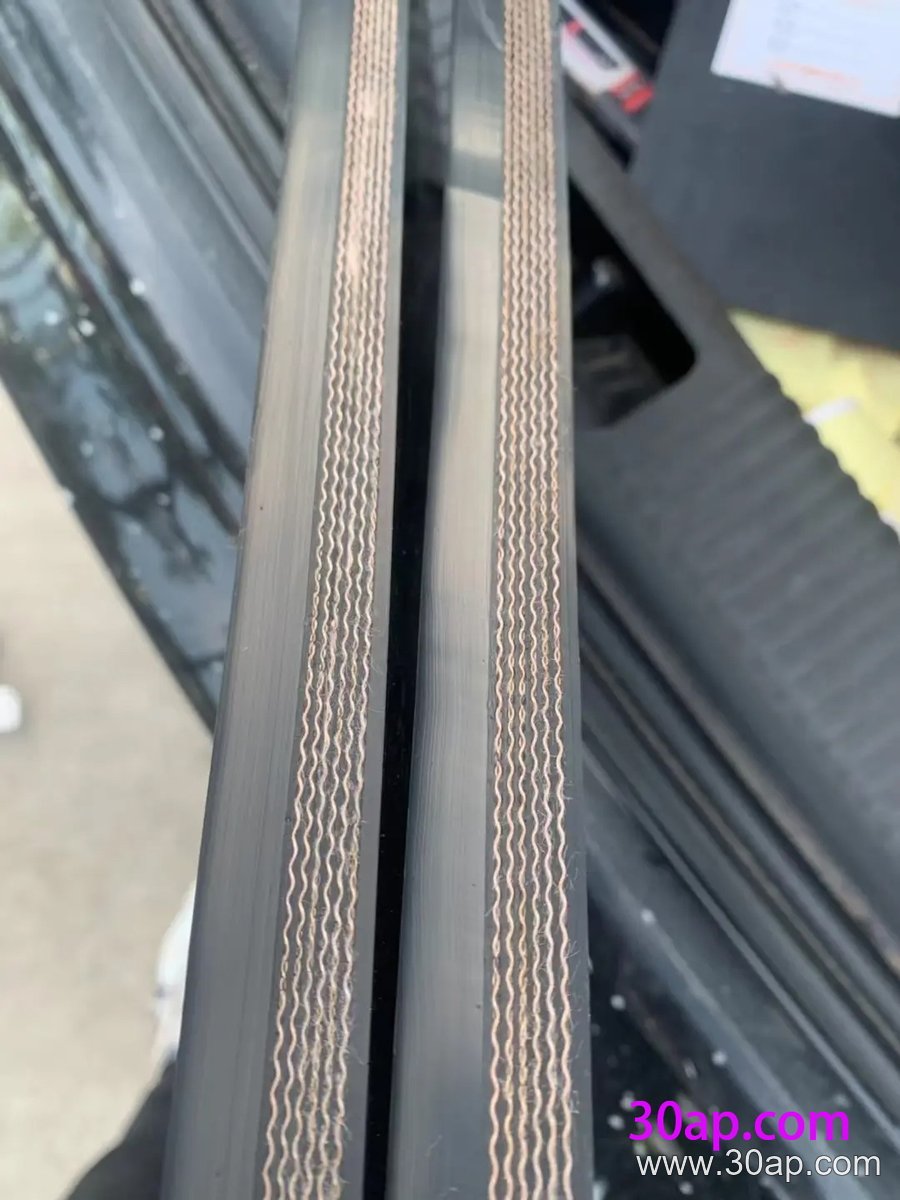
The belt is a composite: a tension-bearing carcass, top and bottom rubber covers, and sometimes an edge reinforcement. The carcass carries the pull; the covers protect against abrasion, impact, and moisture. Common carcass options include EP fabric, NN nylon, and steel cord constructions. Steel cord is chosen when the route is long or the tension is high; fabric belts are common on shorter or more flexible layouts.
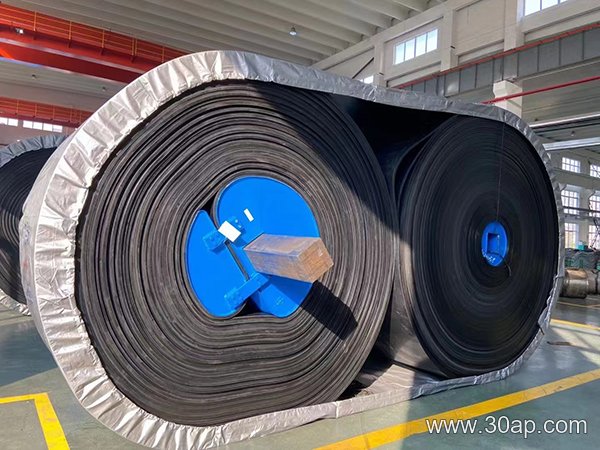
Cover thickness is written as top plus bottom, for example 4+2 mm or 6+2 mm. A thicker top cover extends service life where sharp rock falls onto the belt at the loading point. Flame-resistant and antistatic grades (often called PVG or PVC solid-woven types in coal service) are used where fire safety and static control matter. Heat-resistant, oil-resistant, and cold-resistant compounds exist for special duties.
Typical Reference Data
Values below are common reference points only. Actual selection depends on the conveyor design, and different manufacturers offer different ranges.
- Fabric grades: EP200, EP315, EP400, EP500, EP630, EP800, EP1000
- Steel cord grades: ST630 to ST2000 and above, depending on the maker
- Belt widths: B500, B650, B800, B1000, B1200, B1400, B1600
- Cover combinations: 3+1.5, 4+2, 5+2, 6+2, 8+3 mm
- Carcass plies: usually 2 to 6 layers in fabric belts
Width and pulley diameter are matched by the conveyor designer, not by a fixed rule. A wider belt does not automatically mean a larger shaft; the drive pulley, tail pulley, and bend pulley are sized from belt tension, wrap angle, and the required shaft load.
Where It Fits in the Underground System
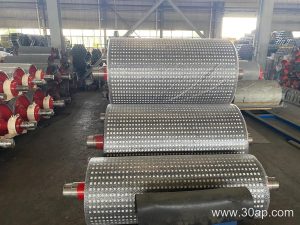
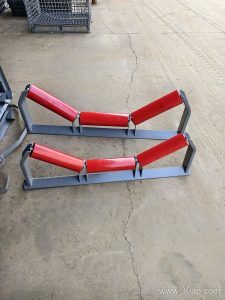
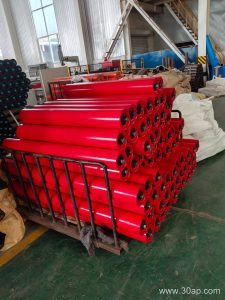
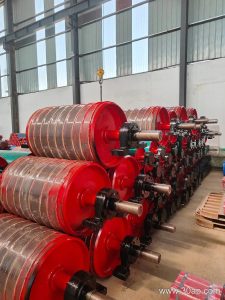
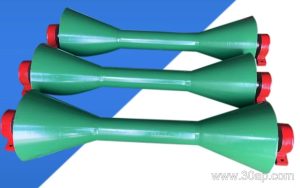
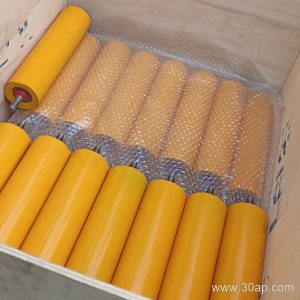
An underground installation usually has a loading section, a carrying run supported by idler rollers, a return run, and a transfer or discharge point. The drive pulley pulls the belt; the tail pulley turns it; bend pulleys redirect it around curves or tension stations. A conveyor pulley may be rubber-lagged to improve grip. Idler rollers come in troughing, impact, and return forms, and their spacing affects belt sag and power draw.
Applications range from coal face haulage and ore transport to tunnel muck removal, cement plant clinker handling, and aggregate drifts in a sand and gravel pit. In each case the belt must handle the material’s lump size, moisture, and abrasiveness.
Buyer Checklist
- Confirm the material, lump size, and peak capacity, not just the average tonnage.
- State the flame-resistance and antistatic requirements if the tunnel is a coal or gassy environment.
- Give the belt width and the center distance so the supplier can check tension.
- Match cover thickness to impact and abrasion at the loading point.
- Ask for the splice method, since vulcanized or mechanical joints affect belt life.
- Check that idler roller and pulley dimensions suit the belt and the frame.
- Plan storage and handling; a long belt is heavy and hard to move in a narrow gallery.
Maintenance Notes
Track belt alignment, cover wear, edge damage, and splice condition on a regular schedule. Worn idler rollers increase friction and can cut the cover. A misaligned or lagging-worn drive pulley causes slip, heat, and premature belt failure. Keep the return run clear of spillage, because trapped rock damages both belt and rollers.
An underground conveyor belt is a long-term asset. Buying on price alone often costs more in downtime, while buying on verified duty data keeps the tunnel moving.