What a Heavy-Duty Steel Conveyor Bracket Does
A heavy-duty steel conveyor bracket is the structural support that holds idler rollers in place along a conveyor system. It carries the weight of the conveyor belt, the material load, and the rotating idlers without flexing or failing. In rugged environments such as a limestone quarry, a coal preparation plant, or a cement kiln feed line, this bracket is often the difference between steady output and frequent downtime.
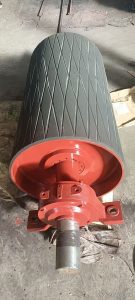
Also called a heavy-duty conveyor idler bracket or a reinforced roller support bracket, this component is distinct from the pulley assemblies at the head and tail of a conveyor. A drive pulley, tail pulley, and bend pulley each serve different functions, and none of them is interchangeable with an idler bracket. The bracket’s job is stationary support, not power transmission or direction change.
How It Is Built
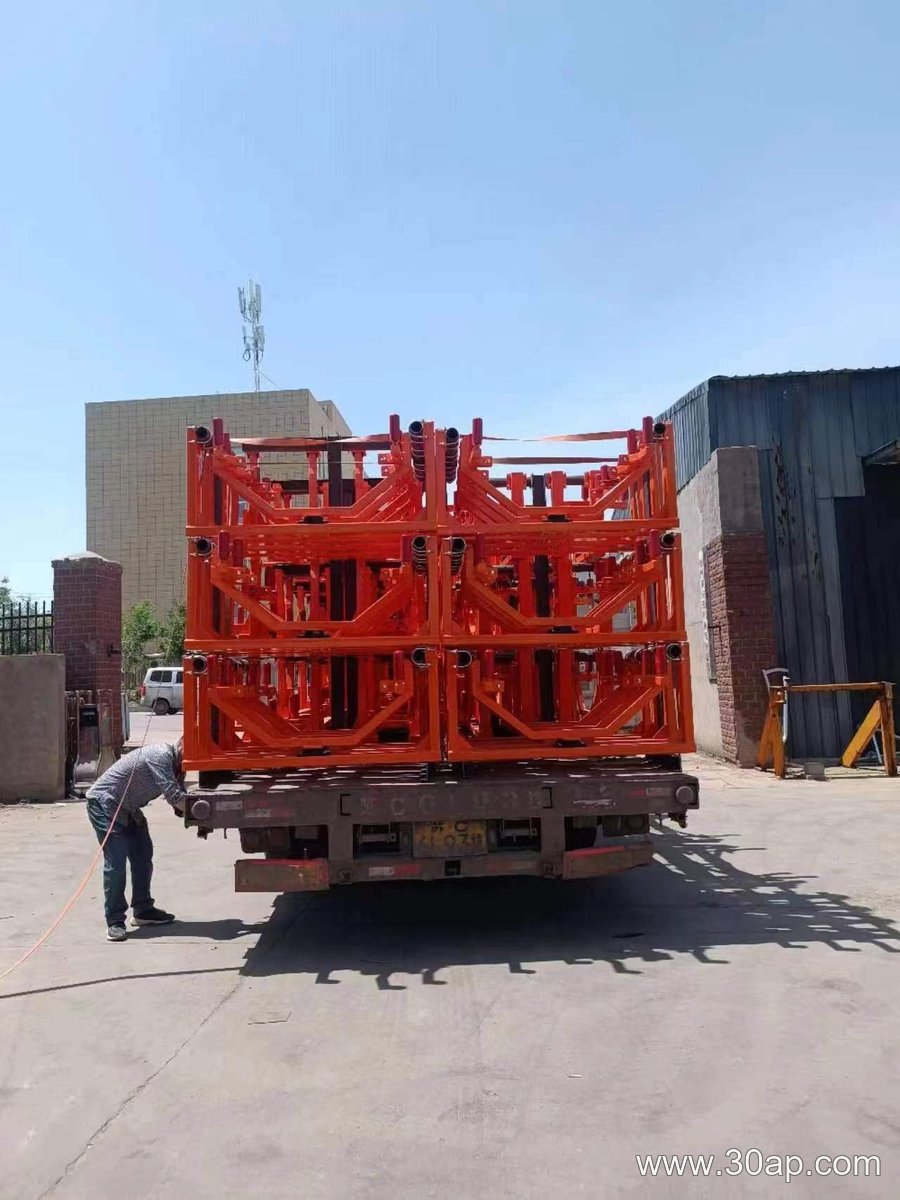
Fabrication starts with raw steel sections. Common materials include angle steel, channel steel, and folded steel plate. Thickness and grade are selected according to the load and belt width, not by a single universal rule. For example, a bracket for a B650 belt may use lighter channel than one for a B2000 belt, but the exact design always depends on the conveyor’s engineering drawing.
Welding and hole placement are critical. The mounting hole spacing and crossbeam length are not fixed numbers; they change with belt width and trough angle. A well-made bracket keeps the idler axis square to the belt line, which reduces belt edge damage and premature roller wear. Surface treatment, such as painting or galvanizing, is often specified for corrosive areas like a port terminal or a fertilizer plant.
Common Types and Where They Fit
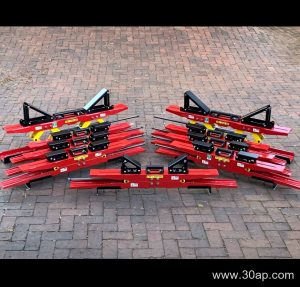
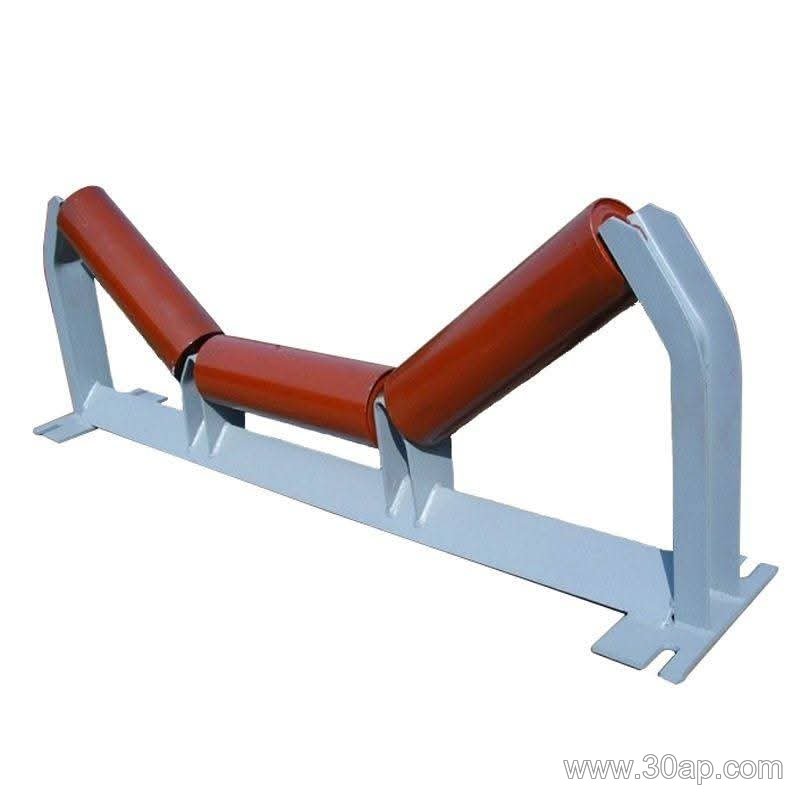
Heavy-duty steel conveyor brackets come in several forms, each matched to a position on the conveyor. A troughing bracket supports the belt in a trough shape on the carrying side. A return bracket supports the empty belt on the return run. A V-return bracket helps center the belt on the lower strand. An impact bracket sits under the loading zone to absorb shock from falling material. A self-aligning bracket corrects belt tracking, and an adjustable bracket allows the trough angle to be changed on site.
Typical trough angles include 20, 30, 35, and 45 degrees. An adjustable bracket can move between these angles, while a fixed bracket is welded or bolted at one setting. Forward tilt, often about 1.5 to 2 degrees, is a feature of some troughing brackets for better belt training. These are common ranges, not mandatory values for every conveyor.
Matching Belt Width, Trough Angle, and Roller Diameter
One of the most common buyer questions is how to match the bracket to the belt and idlers. There is no single rule that says one belt width must use one trough angle or one roller diameter. Instead, the combination is selected by the conveyor designer based on capacity, material lump size, and belt speed. The table below shows common reference combinations, but they are not fixed pairings.
| Belt Width | Typical Trough Angle | Common Roller Diameter |
|---|---|---|
| B500 | 20° or 30° | Ø89 |
| B650 | 30° or 35° | Ø89 or Ø108 |
| B800 | 35° or 45° | Ø108 or Ø133 |
| B1000 | 35° or 45° | Ø108 or Ø133 |
| B1200 | 35° or 45° | Ø133 or Ø159 |
| B1400 | 35° or 45° | Ø133 or Ø159 |
| B1600 | 35° or 45° | Ø159 or Ø194 |
| B1800 | 35° or 45° | Ø159 or Ø194 |
| B2000 | 35° or 45° | Ø194 |
These reference values should not be treated as universal specifications or a company supply promise. The final choice depends on the actual conveyor design, load, and site conditions.
Applications Across Heavy Industries
You will find heavy-duty steel conveyor brackets in a wide range of bulk material systems. In a coal mine or power plant coal yard, they support the belt through dusty, high-impact loading points. In a sand and gravel line or a crushing and screening plant, they handle abrasive rock with varying lump sizes. In a cement plant, they carry clinker and raw meal. In a steel mill or sintering plant, they endure high temperatures and heavy loads. The same bracket design may also appear in a tunnel mucking operation or a grain silo, though the material and environment change the specification.
What Buyers Should Check
- Confirm the belt width, trough angle, and roller diameter your conveyor actually uses. Do not assume a standard combination.
- Ask for the mounting hole spacing and crossbeam length based on your drawing, not a generic number.
- Specify the material and surface treatment for your environment. A washdown area or a coastal port may need extra corrosion protection.
- Check that the bracket type matches the position: troughing, return, impact, self-aligning, or adjustable.
- Remember that a conveyor pulley, such as a drive or tail pulley, is a separate component and cannot replace an idler bracket.
A well-chosen heavy-duty steel conveyor bracket keeps idlers aligned, extends belt life, and reduces maintenance in the toughest material handling jobs.