What a 1400mm Conveyor Belt Is
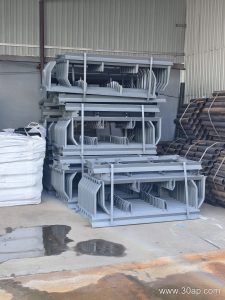
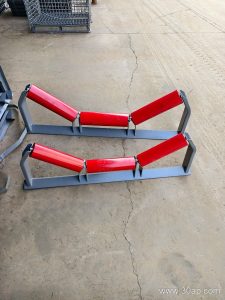
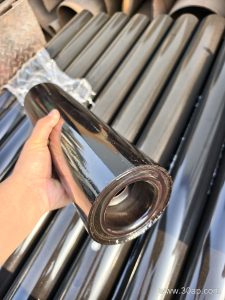
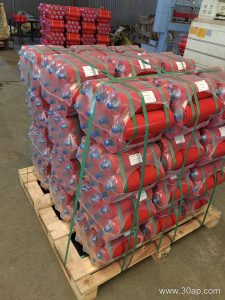
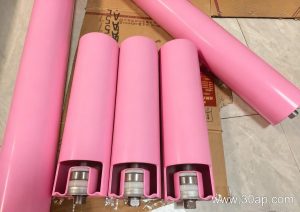
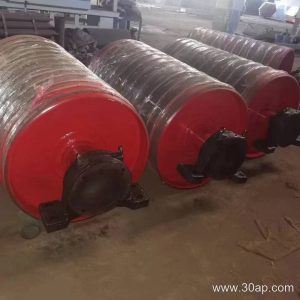
A 1400mm conveyor belt is a wide-format rubber or polymer belt with a nominal width of 1400 millimeters, often written as B1400 in technical documents. It is the load-carrying surface of a belt conveyor and is used where large tonnages, bulky lumps, or wide material streams must move continuously. The belt runs over a drive pulley at the head, a tail pulley at the return end, and bend pulleys that guide the belt through transitions. Idler rollers support the belt along the carrying and return strands, while conveyor brackets hold the idlers and pulleys in alignment.
The same product is also called a 1,400 mm wide conveyor belt or a B1400 conveyor belt. These are equivalent names for the same belt width, not different products.
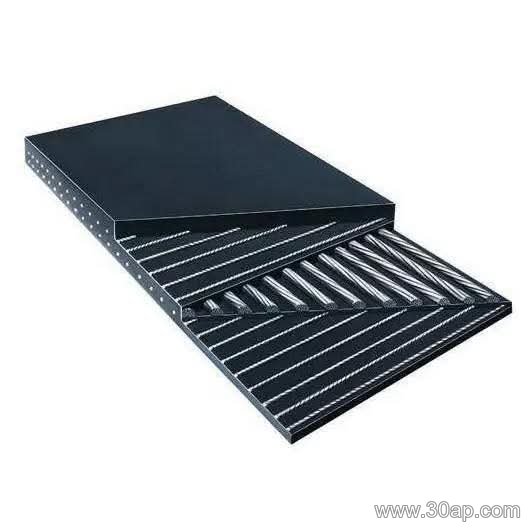
Construction and Common Specifications
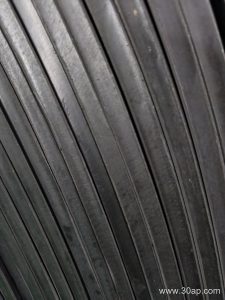
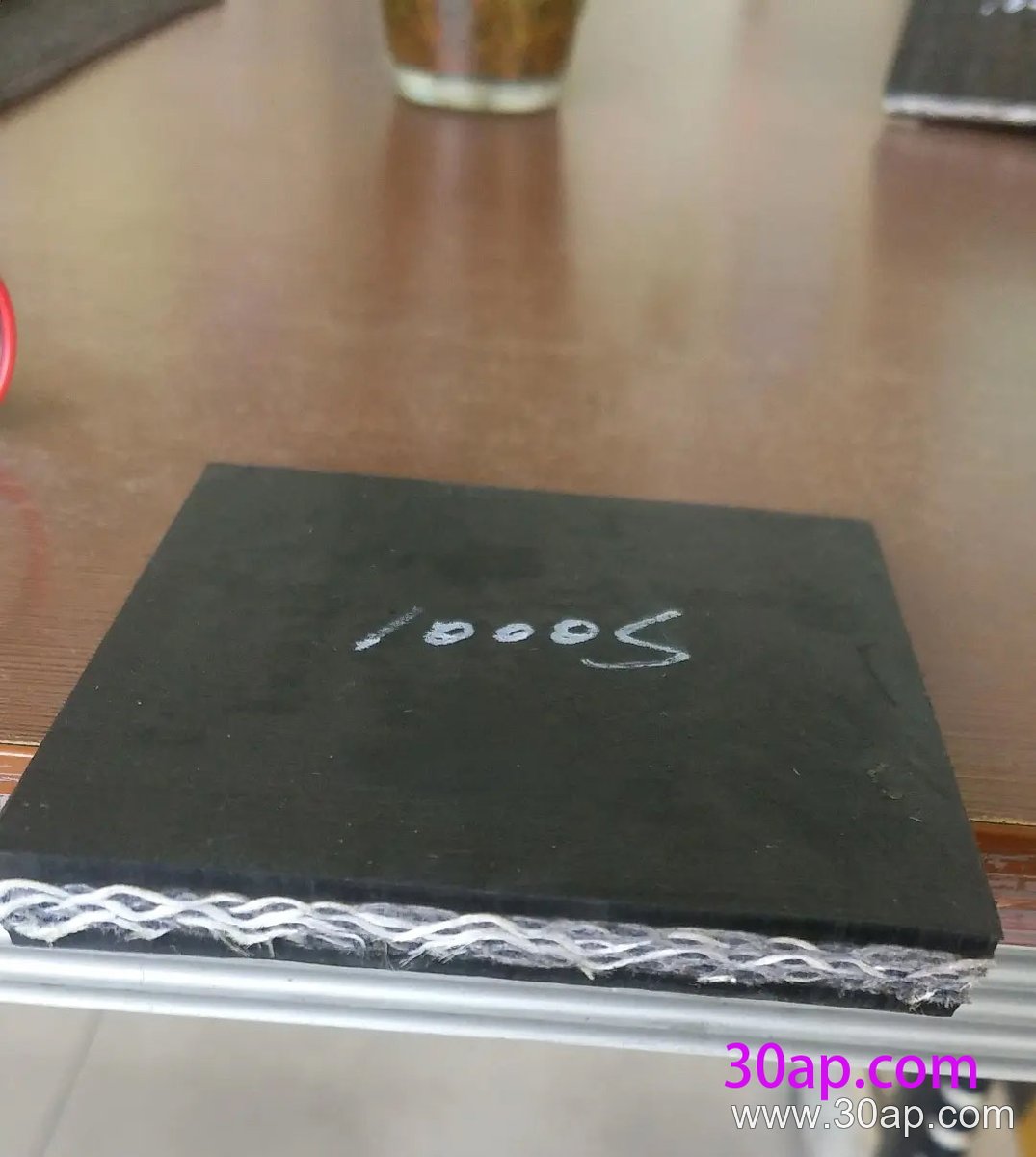
A 1400mm belt is built around a tension-carrying carcass covered with rubber or PVC on both faces. The carcass may be EP fabric, NN nylon fabric, or steel cord, depending on the duty. Cover grade and thickness are selected for the material being carried, so a belt for a quarry face may differ from one handling cement clinker or coal.
The table below shows typical reference values. Actual values are confirmed by the belt manufacturer and the conveyor design.
| Item | Common options |
|---|---|
| Belt width | B1400 (1400 mm) |
| Carcass type | EP, NN nylon, steel cord |
| Fabric strength grades | EP200, EP315, EP400, EP500, EP630, EP800, EP1000 |
| Number of plies | 2 to 6, depending on tension |
| Top and bottom cover | 4+2, 5+2, 6+2, 8+3 mm |
| Surface forms | smooth, patterned, chevron, corrugated sidewall |
| Special grades | abrasion resistant, heat resistant, oil resistant, flame retardant, antistatic, cold resistant, acid and alkali resistant |
Where This Width Fits in Mining and Bulk Handling
Mines, coal preparation plants, cement works, power stations, and sand and gravel yards frequently use belts in the 1200 mm to 1600 mm range. A 1400 mm belt sits in the middle of that band and can handle high capacity without going to an unusually wide structure. It suits primary and secondary crushing circuits, stockyard feed lines, and long overland conveyors where the material is abrasive or the lumps are large.
On such conveyors, a 1400mm belt is usually matched with heavy duty idler rollers, a crowned drive pulley, a tail pulley with a take-up, and bend pulleys at vertical curves. Conveyor brackets are chosen to keep the idler frames square to the belt line. None of these parts is interchangeable with the belt itself; each has its own function and must be sized for the same duty.
Selection Points for Buyers
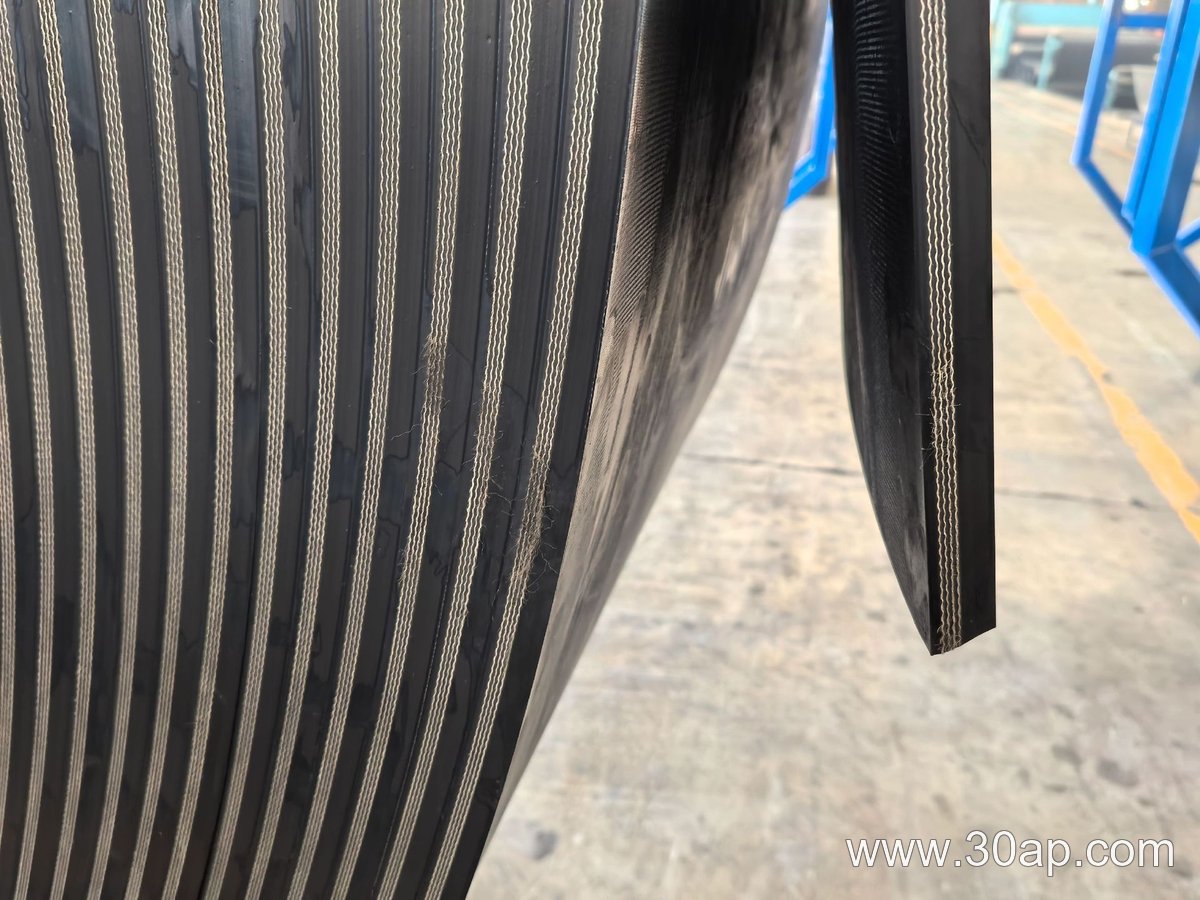
Buyers should start from the conveyor design data, not from the belt width alone. Useful inputs include the material type, lump size, bulk density, belt speed, incline angle, trough angle, and ambient conditions. From these, the required tension, cover thickness, and carcass grade can be calculated.
- Carcass: EP or NN fabric is common for medium tension; steel cord is used when the belt is long or the tension is high.
- Cover: choose a grade that resists the dominant wear mechanism, such as abrasion, heat, oil, or fire.
- Surface: a smooth belt is standard on flat and troughed conveyors; chevron or patterned surfaces help on steep inclines.
- Width: 1400 mm is one option among B500, B650, B800, B1000, B1200, B1600, B1800, and B2000. It is not mandatory for every conveyor.
- Pulley and idler matching: the belt width does not fix a single pulley diameter or shaft size. Those are determined by tension, wrap angle, and bearing load.
Installation and Maintenance Notes
Correct tracking starts with good structure. Idler rollers should be square and at the right height, and the drive, tail, and bend pulleys must be aligned. A belt that is too tight or too loose will mistrack, edge damage will follow, and splices may fail early. Inspect the belt surface for cuts, cover wear, and exposed carcass, and check the idlers and pulleys for seized bearings or buildup.
For a 1400mm conveyor belt, planned shutdown inspection is cheaper than unplanned downtime. Keep a record of cover thickness, splice condition, and any repair history so the next belt order can be based on real service data rather than guesswork.