What a Conveyor Side Guide Roller Actually Does
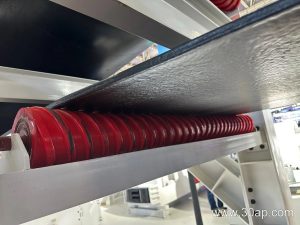
A conveyor side guide roller is a small but critical component mounted along the edges of a conveyor belt. Its primary job is to keep the belt centered as it travels, preventing it from drifting sideways and rubbing against the structure. In industries like mining, coal preparation, cement plants, and aggregate yards, a misaligned belt can cause spillage, edge damage, and unplanned downtime. The side guide roller acts as a physical barrier and a steering aid, often working alongside troughing idlers and return rollers to maintain proper belt tracking.
Unlike a drive pulley or a tail pulley, which transmit power and change belt direction, side guide rollers are passive elements. They are typically smaller in diameter and are mounted vertically or at a slight angle on the conveyor frame. They do not replace the main carrying idlers; instead, they supplement them at critical points such as loading zones, curves, and transitions.
Construction and Common Configurations
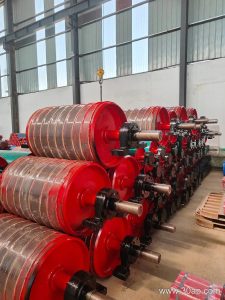
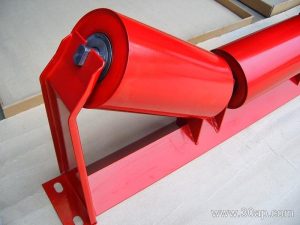
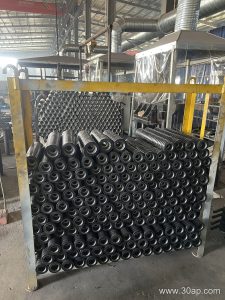
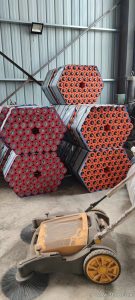
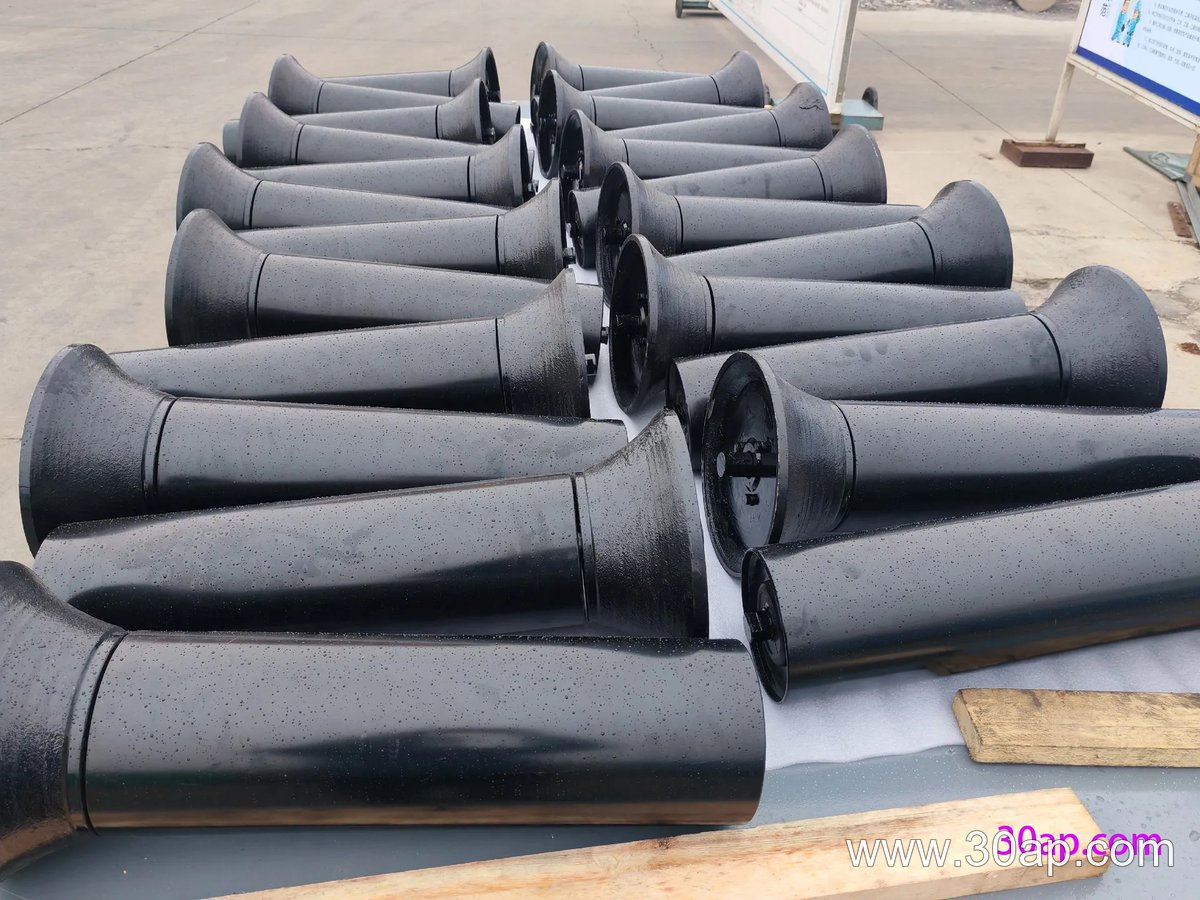
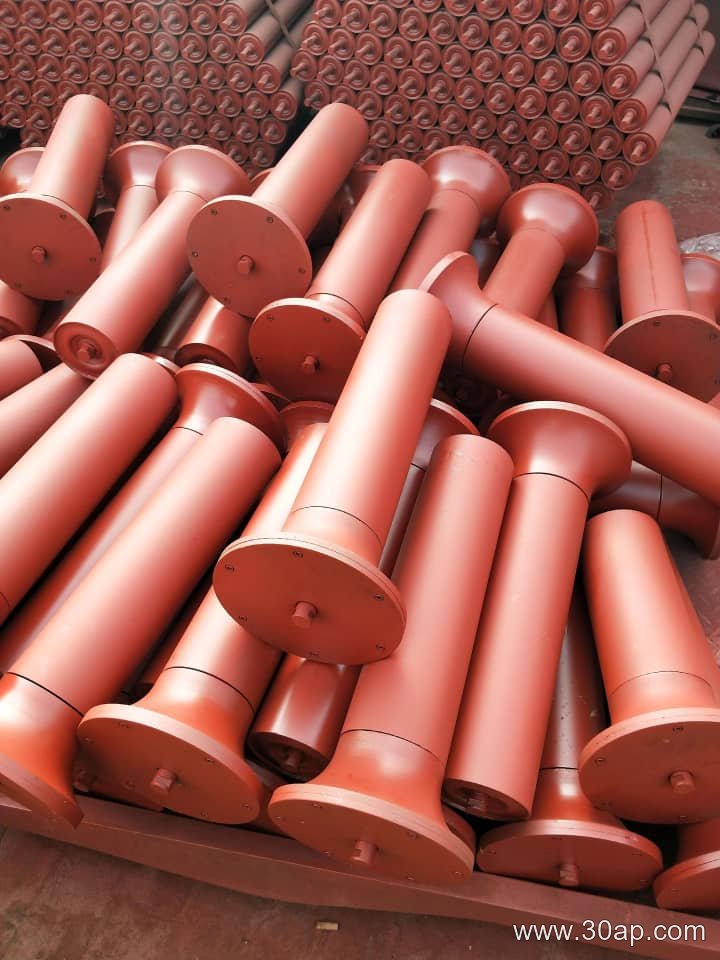
Most side guide rollers share the basic construction of a standard idler roller: a steel tube, bearing housings, and a shaft. However, their mounting and surface may differ. Common roller diameters for these guide units include Ø63, Ø76, Ø89, Ø102, and Ø108 mm. The tube is often made of steel, but nylon or rubber-covered versions are also available for specific needs. Bearings such as 6204, 6205, or 6305 are frequently used, depending on the load and speed.
The roller length is usually short, as it only contacts the belt edge. For example, a side guide roller on a B800 belt might have a roller length of around 200 to 250 mm, while a B1200 system could use 300 to 400 mm. These are not fixed rules; the actual dimensions are determined by the belt width, the trough angle, and the space available on the frame. A typical side guide roller assembly may include a bracket that allows adjustment for wear and belt alignment.
Surface Options and Their Uses
Surface form matters. A plain steel roller is common for general duty. A rubber-covered side guide roller provides extra grip and reduces noise, making it suitable for high-speed or wet conditions. Ceramic-coated rollers offer wear resistance in abrasive environments like limestone or iron ore mines. Nylon rollers are lightweight and resist corrosion, often seen in fertilizer or food handling. The choice depends on the material being conveyed and the ambient conditions.
Where Side Guide Rollers Are Used
You will find these rollers in almost any belt conveyor system that requires reliable tracking. In a coal handling plant, they are placed near the head and tail to prevent the belt from wandering during load changes. In a stone crushing line, side guide rollers protect the belt edges from sharp rocks that might cause misalignment. At a power plant receiving coal, they help maintain belt position through transfer points. They are also used in tunnel boring operations, concrete batching plants, and grain elevators.
It is important to note that side guide rollers are not a substitute for a training idler or a self-aligning roller. Those devices actively correct belt misalignment using angled rollers or pivoting frames. A side guide roller is a fixed guide, often used in pairs on both sides of the belt. For severe misalignment, a combination of side guides and a friction self-aligning idler may be required.
Selection and Maintenance Tips for Buyers
When specifying a conveyor side guide roller, consider the belt width, speed, and load. The roller diameter should be large enough to handle the belt edge without excessive wear, but not so large that it interferes with the frame. The shaft diameter must match the bracket. Common conveyor brackets for side guides are adjustable, allowing the roller to be positioned close to the belt edge with a small gap. Too tight a gap can cause friction; too loose allows misalignment.
Bearing selection is critical. A sealed bearing like 6205-2RS is common for dusty environments. The roller should turn freely by hand. During maintenance, check for flat spots, seized bearings, or worn rubber. Replace any roller that does not spin smoothly. Also inspect the mounting bracket for bending or corrosion. In high-tonnage operations such as copper mines or sinter plants, use heavy-duty side guide rollers with thicker tubes and larger bearings.
Remember that no single size fits all conveyors. A side guide roller for a B500 belt will not work on a B2000 system. Always refer to the conveyor design manual or consult the roller manufacturer with your specific belt width, trough angle, and operating conditions.