What a Mining Conveyor Bracket Does
A mining conveyor bracket is the structural support that holds conveyor idler rollers in position along the carrying and return sides of a belt system. In hard-rock mines, coal preparation plants, cement kilns, and power-station coal yards, these brackets keep the conveyor belt tracking correctly and maintain the desired trough profile. Without a properly aligned bracket, the belt can drift, spill material, or wear unevenly.
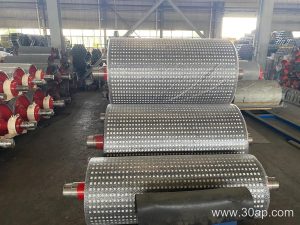
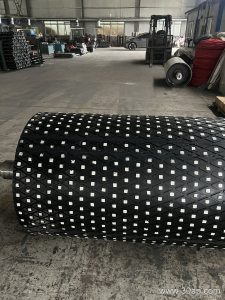
Also called a conveyor support bracket or idler frame, this component is distinct from the pulleys that drive or redirect the belt. A drive pulley, tail pulley, and bend pulley serve different functions and are not interchangeable with a bracket. The bracket simply carries the rollers.
How It Is Built
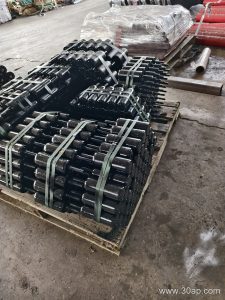
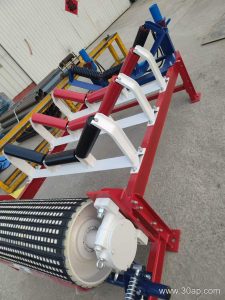
Most mining conveyor brackets are fabricated from angle steel, channel steel, or bent steel plate. The choice depends on load, belt width, and environmental conditions. A typical troughing bracket includes mounting slots or holes for three idler rollers, set at a specific trough angle. Return brackets may hold a single flat roller or a V-shaped pair.
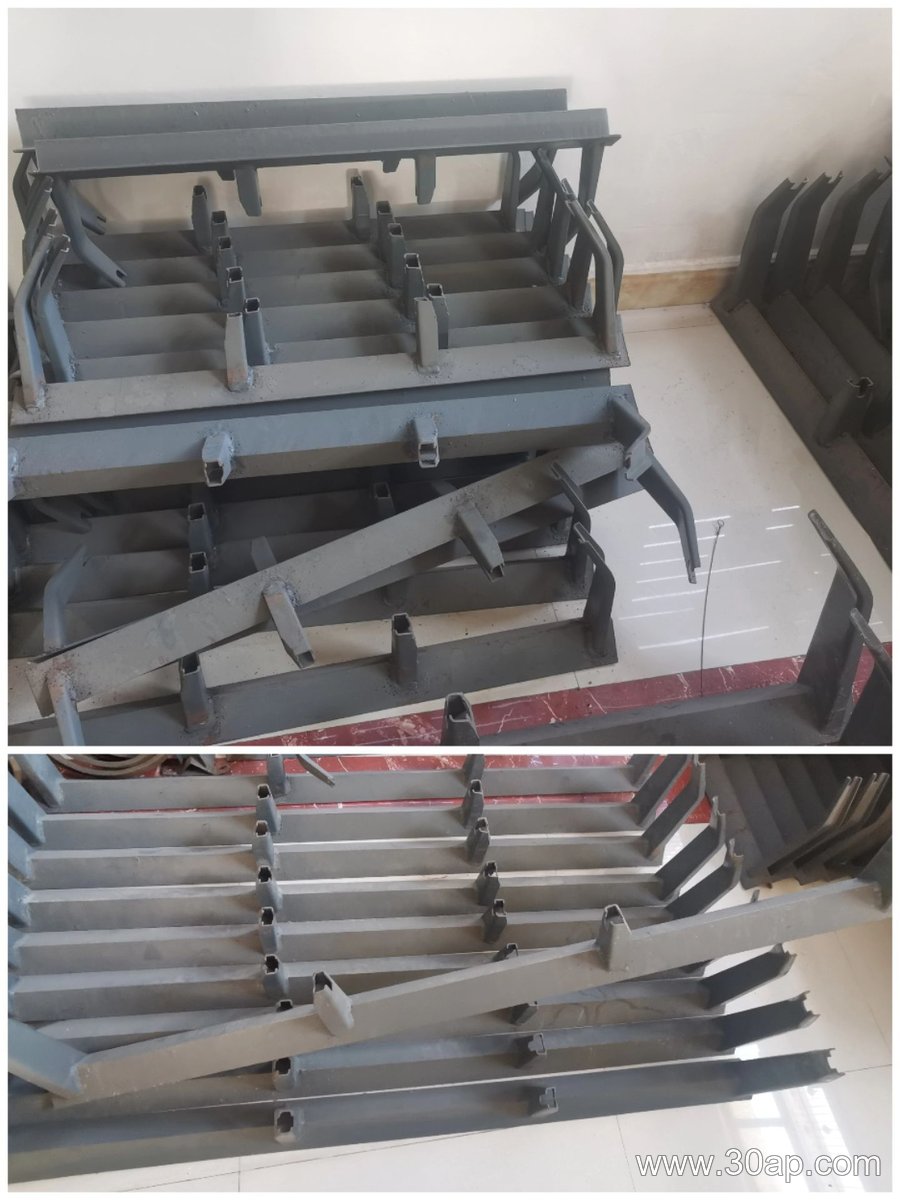
Common trough angles are 20, 30, 35, and 45 degrees. Adjustable brackets allow the angle to be changed within a range, which helps when a conveyor handles different materials or when field conditions require fine-tuning. Forward-leaning brackets, often set at about 1.5 to 2 degrees, help keep the belt centered.
Common Types in Mining Service
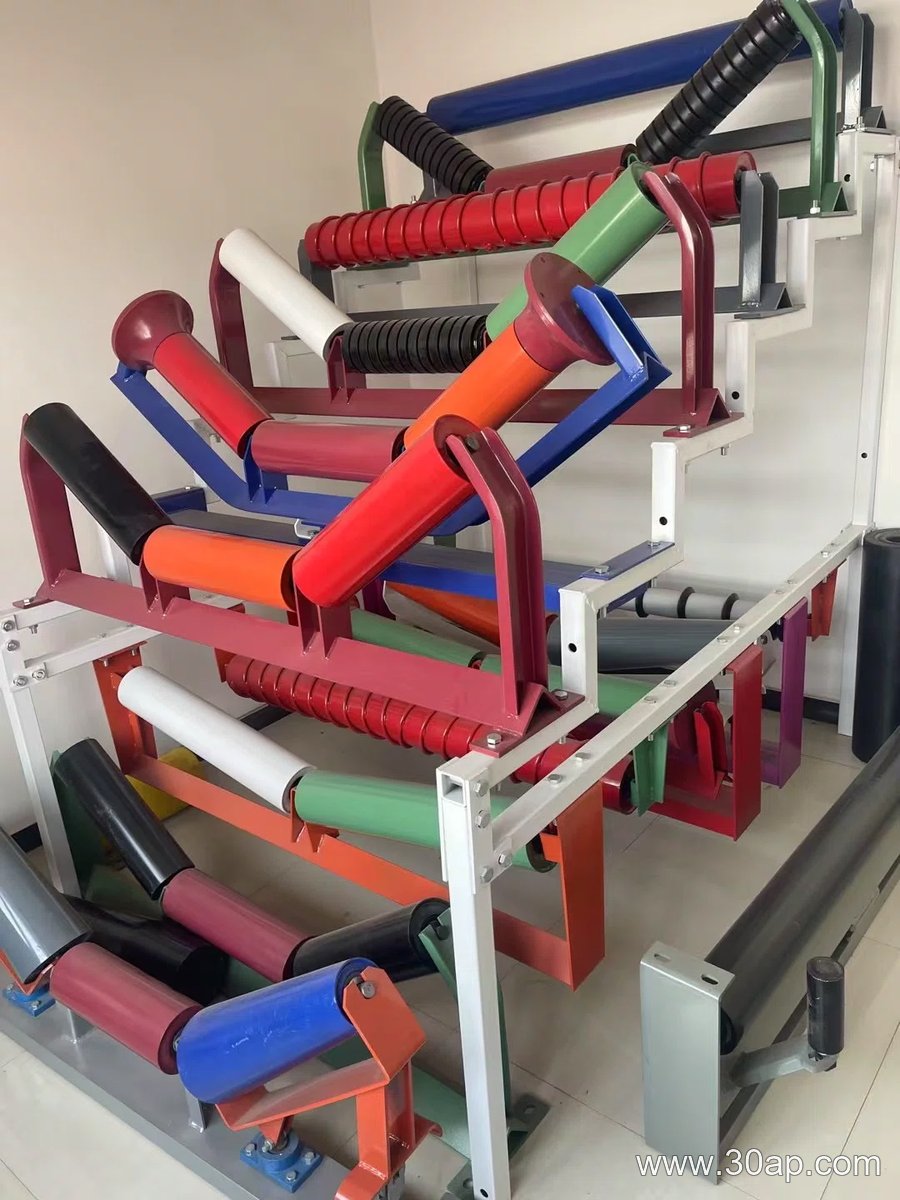
- Troughing bracket – supports three rollers on the carrying side.
- Transition bracket – eases the belt from flat to troughed profile near pulleys.
- Return bracket – supports the empty belt, often with a single roller.
- V-return bracket – uses two rollers in a V to aid belt training.
- Impact bracket – reinforced for loading zones where material falls onto the belt.
- Self-aligning bracket – allows slight movement to correct belt drift.
These types are not interchangeable in every position. A return bracket, for example, does not replace a troughing bracket on the carrying side.
Matching Brackets to Belt Width and Roller Diameter
Belt width and roller diameter are key selection inputs. Common belt widths include B500, B650, B800, B1000, B1200, B1400, B1600, B1800, B2000, and B2200. Roller diameters often used are Ø89, Ø108, Ø133, Ø159, and Ø194. The bracket mounting hole spacing and crossbeam length vary with belt width and trough angle; they are not fixed numbers.
Do not assume one belt width can only match one pulley diameter or one roller diameter. A B800 belt might use Ø108 rollers in one plant and Ø133 in another, depending on load and speed. A B1200 conveyor with a 45-degree trough may use Ø133 rollers, while a B650 system with a 30-degree trough often uses Ø89 rollers. These are examples, not fixed rules.
Applications Across Industries
Mining conveyor brackets appear in many bulk-material handling settings. In a limestone quarry, they support the belt that carries crushed stone to the screening plant. In a coal washery, they keep the belt aligned through wet, abrasive conditions. Cement plants use them on clinker and raw-meal conveyors. Power stations rely on them for coal feeding lines. Sand and gravel pits, iron ore mines, and tunnel muck removal systems also use these brackets daily.
Each location has its own demands. A bracket in a primary crushing circuit may need extra impact resistance, while one in a long overland conveyor may prioritize low friction and easy roller replacement.
What a Buyer Should Know
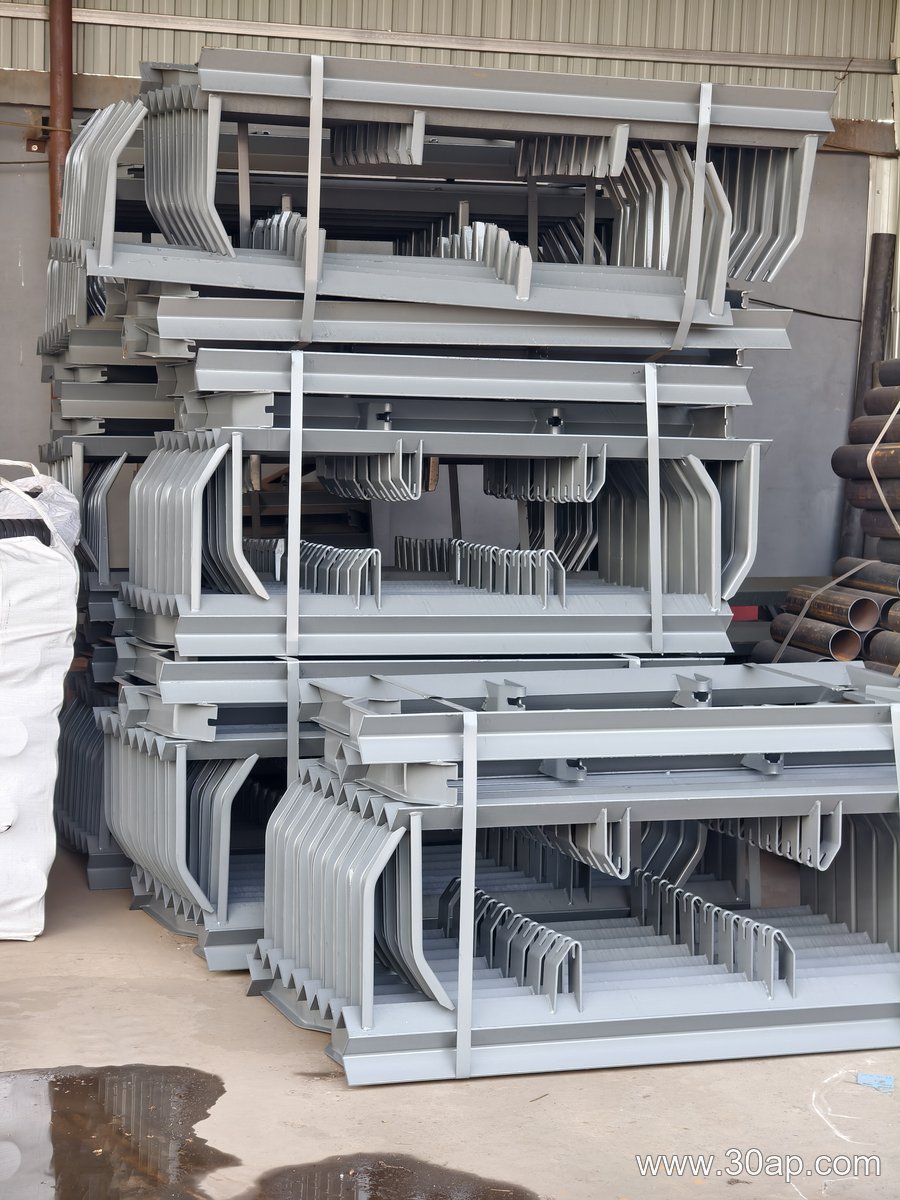
Before ordering, confirm the belt width, trough angle, roller diameter, and mounting dimensions. Check whether the bracket is fixed or adjustable. Ask about the material thickness and surface treatment if the conveyor runs outdoors or in a corrosive environment. A bracket that fits a B1000 belt with 35-degree troughing may not fit a B1000 belt with a 45-degree trough, because the roller positions change.
Also consider maintenance. A bracket that allows quick roller changes reduces downtime. In high-tonnage operations, even a small improvement in bracket design can extend roller life and protect the conveyor belt from edge damage.
Finally, remember that the bracket works as part of a system. It interacts with the idler roller, the conveyor belt, and sometimes the conveyor pulley. Selecting the right bracket for the application helps the whole conveyor run smoother, whether in a coal mine, a cement plant, or a port terminal.